

 Anteprima in scala reale
 Invia
Invia Condividi
 Dettagli opera

 Scarica immagine
 Simili
 Radiografia
 Slideshow
untitled (93)


 Espandi i dettagli
Riproduzione a olio fatta a mano
Olio su tela dipinto a mano nelle tue dimensioni e con la tua cornice, realizzato su ordinazione dai nostri artisti. ( Acquista stampa Acquista immagine)




P118B $10

P118H $10

P118W $10

P438Z $10

P508JH $12

P508YH $12

P805H $10

P805Z $10

P919BZ $10

P919G $10

P919XJ $10

P959ZH $10

P968JZ $12

W106C $8

W218G $10

W218JH $8

W218Y $10

W307PJ $10

W316G $10

W316PJ $8

W316Y $10

W398PJ $8

W4111J $10

W500HY $15

W500JH $15

W692G $12

W849H $8

W940BG $15

W953PJ $8




Scegli tra le nostre dimensioni predefinite, che rispettano le proporzioni originali dell'opera d'arte.

È possibile inserire dimensioni personalizzate per adattare l'opera a una cornice o a uno spazio specifico. Se la dimensione selezionata non corrisponde alle proporzioni dell'immagine originale, provvederemo a ritagliare l'opera o a estendere il dipinto con elementi aggiuntivi dipinti a mano. Un mockup digitale ti sarà inviato per approvazione prima dell'inizio della produzione.
Si prega di notare che l'anteprima a schermo non riflette il ritaglio o l'estensione effettivi. Solo il mockup mostrerà accuratamente la composizione finale.
Sebbene siano disponibili dimensioni personalizzate, consigliamo di selezionare una dimensione dall'elenco predefinito per preservare le proporzioni originali.
Dopo l'ordine, il team di WikiOO.org contatterà il cliente via e-mail per le istruzioni e fornirà un'anteprima del mockup
Consegna in tutto il mondo () in 3/4 settimane anziché nelle normali 5 settimane. (22 Agosto). Nessun compromesso sulla qualità.

Spedizione espressa gratuita in tutto il mondo

Tela in lino di alta qualità

Assicurazione completa sulla spedizione

Garanzia di rimborso dei dazi doganali

Garanzia di fedeltà cromatica

Politica di reso entro 60 giorni (solo per difetti di fabbricazione)

Garanzia di rimborso al 100%

Offerta per acquisti multipli
 L'opzione vetro è disponibile solo per dimensioni inferiori a 110 cm

untitled (93)
Tecnica di riproduzione
Dimensioni riproduzione
-


Prezzo totale calcolato
$ 265
Descrizione dell'opera
A Descent into the Subconscious: The Dreamscape of Max Ernst
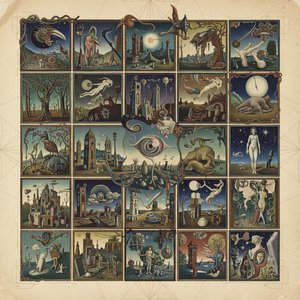
To encounter Max Ernst’s "Untitled (93)" is to step through a threshold where the boundaries of reality dissolve into the fluid architecture of a dream. Created around 1940, during a period of profound global upheaval, this masterpiece serves as a haunting portal into the human psyche. The painting presents a scene of visceral tension: a woman submerged in water, her head bowed downward in a struggle that feels both deeply personal and universally tragic. There is an immediate, palpable sense of vulnerability as she appears to battle for breath, drawing the viewer into an emotional vortex of suspense and quiet desperation. This is not merely a depiction of a moment, but an exploration of the weight of existence itself.
Ernst’s technical mastery lies in his ability to marry meticulous, almost photographic detail with a landscape that defies every law of logic. His signature style—a hallmark of the Surrealist movement—utilizes an unsettling disregard for conventional perspective to create a hallucinatory atmosphere. As one gazes into the depths of the composition, distorted forms swirl around the central figure, echoing the psychoanalytic theories of Sigmund Freud that were so prevalent in the intellectual ferment of Paris at the time. The texture of the water and the precision of the woman’s form provide a grounding realism that makes the surrounding irrationality even more jarring and effective.
Symbolism and the Echoes of History
Beyond its striking visual surface, "Untitled (93)" is rich with symbolic layers that reward deep contemplation. Perched above the struggling woman, a bird takes flight, acting as a poignant beacon of aspiration and freedom—a flicker of hope amidst the encroaching shadows of despair. This celestial element contrasts sharply with the more grounded, enigmatic objects scattered throughout the scene, such as the sports ball nestled in the bottom corner or the books that appear like silent witnesses to the drama. These elements introduce a sense of cognitive dissonance, blending the playful with the profound, and the mundane with the mythic.
The historical context of the piece adds a layer of somber gravity to its interpretation. Painted during the early years of World War II, the artwork reflects the widespread anxieties of an era defined by displacement and trauma. As a German-born artist living in exile, Ernst infused his work with the tension of a world on the brink of collapse. The struggle for breath depicted in the painting can be read as a metaphor for the suffocating atmosphere of ideological fervor and war gripping Europe. For the collector or the admirer, this piece offers more than just aesthetic beauty; it provides a profound connection to one of the most turbulent and transformative eras in modern history.
An Evocative Addition to the Modern Interior
For the discerning art lover or interior designer, a high-quality reproduction of "Untitled (93)" offers an unparalleled opportunity to introduce intellectual depth and emotional resonance into a living space. The painting’s complex interplay of light, shadow, and surreal imagery makes it a commanding focal point that invites conversation and introspection. Whether placed in a curated gallery setting or used as a sophisticated centerpiece in a contemporary home, Ernst's work brings with it an aura of mystery and timelessness.
Owning a piece of this caliber is about more than decoration; it is about surrounding oneself with the echoes of the avant-garde. The haunting beauty of the submerged figure and the dreamlike fluidity of the composition provide a sense of movement and narrative that can transform the atmosphere of any room, turning a mere wall into a window onto the infinite possibilities of the subconscious mind.
Opere simili


Biografia dell'artista
Max Ernst: Una Vita nel Surrealismo
Primi Anni di Vita ed Educazione
- Nato il: 1° aprile 1891, a Brühl, Germania.
- Il padre di Ernst, Philipp Ernst, era un insegnante dei sordi e pittore dilettante, favorendo fin dalla giovane età l'interesse di Max per l'arte.
- Ha studiato filosofia, storia dell’arte, letteratura, psicologia e psichiatria all’Università di Bonn dal 1909.
- Questo background accademico diversificato ha profondamente influenzato le sue successive esplorazioni artistiche.
Sviluppo Artistico e Influenze
- Un momento cruciale è stata l’esposizione Sonderbund a Colonia (1912), dove ha incontrato opere di Pablo Picasso, Vincent van Gogh, e Paul Gauguin.
- Nel 1914 ha conosciuto Hans Arp, iniziando un’amicizia che dura tutta la vita e che ha segnato significativamente il suo percorso artistico.
- La Prima Guerra Mondiale ha avuto un profondo impatto su Ernst; le sue esperienze come soldato hanno portato a disillusione e una visione critica della società.
- È stato influenzato dalle opere di Sigmund Freud, esplorando temi della mente inconscia nella sua arte.
Dada & Surrealismo
- Ernst è diventato una figura chiave del gruppo Dada di Colonia dopo la Prima Guerra Mondiale, rifiutando le convenzioni artistiche tradizionali.
- Ha pionierizzato tecniche innovative come frottage (sfregamento di matite su superfici testurizzate) e grattage (raschiatura della pittura per rivelare gli strati sottostanti).
- Negli anni ’20 è entrato nel movimento Surrealista a Parigi, collaborando con artisti come Paul Éluard.
- Il suo lavoro di questo periodo ha esplorato immagini oniriche e temi psicologici.
Opere Principali e Tecniche
- Frottage: Una tecnica utilizzata per creare texture e immagini inaspettate, esemplificata in molte delle sue opere.
- Collage: Ernst ha spesso impiegato il collage, combinando elementi disparati per creare composizioni surrealiste.
- Opere Notevoli:
- La Città Intera
- Euclides
- Di Questo Nessuno Dovrà Sapere
- Foresta e Colomba
- I suoi dipinti spesso presentano immagini simboliche, tra cui uccelli (in particolare il suo alter ego Loplop), paesaggi e giustapposizioni inquietanti.
Vita Successiva & Eredità
- Ernst si è trasferito negli Stati Uniti durante la Seconda Guerra Mondiale, continuando a dipingere ed sperimentare nuove tecniche.
- È tornato in Francia dopo la guerra e è rimasto attivo fino alla sua morte il 1° aprile 1976, a Parigi.
- Significato Storico: I contributi di Max Ernst a Dada e Surrealismo sono stati rivoluzionari. Ha sfidato le norme artistiche, ha esplorato la mente inconscia e ha inventato tecniche innovative che continuano a ispirare gli artisti oggi.
- Resta uno dei personaggi più importanti e influenti del 20° secolo d’arte.

Max Ernst
1891 - 1976 , Germania
Dati rapidi
- Artisti Che Hanno Influenzato Questo Artista:
- Pablo Picasso
- Vincent van Gogh
- Paul Gauguin
- Sigmund Freud
- Data Di Morte: 1 aprile 1976
- Data Di Nascita: 1 aprile 1891
- Luogo Di Nascita: Brühl, Germania
- Movimento Artistico: Dada e Surrealismo
- Nazionalità: Tedesca
- Nome Completo: Max Ernst
- Opere Notevoli:
- La Città Intera
- Euclides
- Foresta e Colomba
- L'Elefante di Celebes
Articoli correlati
Max Ernst: I 25 Capolavori che Rivoluzionarono l'Arte Moderna | WikiOO
Esplora i 25 capolavori di Max Ernst, pioniere del Surrealismo. Scopri la storia, le tecniche e il simbolismo dietro ogni opera iconica. Trova riproduzioni arte su tela di alta qualità per decorare casa con WikiOO.org.

Beyond Reality: A Sophisticated Exploration of the Dreamlike Architecture in Surrealist Landscapes
Embark on a sophisticated journey through the dreamlike architecture of Surrealist landscapes. Uncover the profound psychological depths and visual paradoxes of masters like Salvador Dalí in this expert exploration of art’s most captivating, impossible vistas.

Dreamscapes Unveiled: Top 10 Surrealist Masterpieces That Changed Art Forever
Step into a world of dreams with our guide to the 10 greatest Surrealist masterpieces. From Dali to Magritte, explore the stories behind these iconic works and find museum-quality art reproductions for your decor. Discover all masterpieces on WikiOO.org.

Unlocking the Subconscious: The 25 Most Iconic Salvador Dalí Masterpieces
Step into the dreamscape of Salvador Dalí. Explore 25 iconic Surrealist masterpieces, from melting clocks to bizarre landscapes. Discover the stories behind these timeless works and find museum-quality art reproductions for your decor. Explore the full collection on WikiOO.org.

10 Iconic Surrealist Masterpieces That Redefined Reality
Step into a dreamscape of Surrealism. Uncover the stories behind 10 iconic masterpieces by legends like Salvador Dalí and René Magritte. Find museum-quality art reproductions and curated decor inspiration to transform your space. Discover all masterpieces on WikiOO.org.




