

 Anteprima in scala reale
 Invia
Invia Condividi
 Dettagli opera
 Guida
Guida

 Scarica
 Simili
 Radiografia
 Slideshow
 Q&A
Q&A Statistiche
Interior
 Oil On Canvas
- WallArt
- Realism
 1888
1888- 19th Century
 92.0 x 73.0 cm
 Espandi i dettagli
Giclée / Stampe d'arte
Stampa giclée o su tela di qualità museale, con produzione rapida e diverse opzioni di finitura. ( Acquista il dipinto realizzato a mano Passa all'immagine digitale)




P118B €10

P118H €10

P118W €10

P438Z €10

P508JH €12

P508YH €12

P805H €10

P805Z €10

P919BZ €10

P919G €10

P919XJ €10

P959ZH €10

P968JZ €12

W106C €8

W218G €10

W218JH €8

W218Y €10

W307PJ €10

W316G €10

W316PJ €8

W316Y €10

W398PJ €8

W4111J €10

W500HY €15

W500JH €15

W692G €12

W849H €8

W940BG €15

W953PJ €8




Scegli tra le nostre dimensioni predefinite, che rispettano le proporzioni originali dell'opera d'arte.

Inserisci la larghezza e l'altezza desiderate, per adattarle alla tua cornice o alla tua parete. Una stampa può essere solo ritagliata, mai resa più grande dell'immagine originale; pertanto, un formato con una forma differente comporterà la perdita di una parte dell'opera. Ti invieremo un mockup digitale da approvare prima di procedere con la stampa. L'immagine mostrata in questa pagina non rappresenta il ritaglio reale — solo il mockup lo mostra.
Consegna in tutto il mondo () in 2 settimane invece delle normali 4/5 settimane. (30 Ottobre)

Spedizione espressa gratuita in tutto il mondo

Tela in lino di alta qualità

Assicurazione completa sulla spedizione

Garanzia di rimborso dei dazi doganali

Garanzia di fedeltà cromatica assoluta

Politica di reso entro 100 giorni (solo per difetti di fabbricazione)

Garanzia di rimborso al 100%

Offerta per acquisti multipli
 L'opzione vetro è disponibile solo per dimensioni inferiori a 110 cm

Interior
Giclée / Stampe d'arte
Dimensioni riproduzione
-


Prezzo finale calcolato
€ 54
A Quiet Moment in Time: The Soul of Serusier's Interior
In the quiet corners of art history, certain works possess the unique ability to freeze a moment of profound simplicity, turning the mundane into something eternal. Paul Sérusier’s 1888 masterpiece, Interior, is precisely such a work. This oil on canvas, measuring 92 x 73 cm, invites the viewer into a rustic, domestic sanctuary that feels both intimately personal and universally relatable. At first glance, we encounter a scene of humble labor: a man standing in contemplation, his figure anchored by a white shirt and dark trousers, while a woman sits upon the stone floor, her hands lost in the rhythmic, meditative task of working with yarn or thread. There is no grand drama here, only the soft, heavy pulse of everyday life, captured with a precision that honors the dignity of the working class.
The atmosphere of the painting is thick with a sense of warmth and seclusion. Sérusier utilizes a palette dominated by earthy tones—deep browns, muted ochres, and soft shadows—which wrap the figures in a protective, domestic embrace. The lighting is masterfully subdued, suggesting the gentle, filtered glow of natural light entering a simple rural home. This careful manipulation of light does more than just illuminate the room; it creates a psychological depth, casting soft shadows that lend weight to the wooden walls and the textured stone floor. For the collector or interior designer, this piece offers a grounding presence, providing a sense of stability and historical weight to any curated space.
The Intersection of Realism and the Nabis Movement
While Interior is deeply rooted in the Realist tradition—a movement dedicated to the honest depiction of contemporary life—it also serves as a fascinating precursor to the avant-garde shifts that would soon redefine modern art. Sérusier, a pivotal figure in the Les Nabis group, was a painter who sought to bridge the gap between the tangible world and the symbolic essence of subject matter. In this work, we see the seeds of his later, more experimental styles, such as Cloisonnism and Synthetism. Although the figures are rendered with naturalistic detail, there is an emerging sense of flattened form and a deliberate arrangement of shapes that hints at the artist's growing interest in abstraction.
The composition is a masterclass in balance and harmony. The placement of the man on the left and the woman on the right creates a visual equilibrium that guides the eye through the domestic landscape, from the texture of the wooden walls to the delicate movement of the thread. This structural integrity ensures that the painting remains visually captivating even upon repeated viewings. For those seeking to adorn a home with art that inspires contemplation, this piece acts as a window into a bygone era, offering a sophisticated blend of historical significance and aesthetic grace. It is not merely a depiction of a room; it is an invitation to slow down, to breathe, and to find beauty in the quietest rhythms of existence.
Domande e risposte
Qual è il colore dominante di "Interior" di Paul Sérusier?
Il colore che risalta maggiormente in "Interior" è Phthalo Green (#16101b). Il colore dominante è utile per abbinare un'opera d'arte a un ambiente interno.
A quale periodo della carriera di Paul Sérusier appartiene "Interior"?
"Interior" appartiene al Early Period della carriera di Paul Sérusier. Questa classificazione riconduce l'opera all'evoluzione dell'artista.
Qual è l'orientamento di "Interior" di Paul Sérusier?
Il formato di "Interior" è Portrait. Questa informazione è utile per pianificare il posizionamento di una riproduzione.
Opere simili


Biografia dell'artista
Primi anni e formazione
Paul Sérusier, nato Louis-Paul-Henri Sérusier il 9 novembre 1864 a Parigi, intraprese un percorso artistico che lo avrebbe portato a pioniere dell'arte astratta e a ispirare il movimento d’avanguardia dei Nabi, il sintetismo e il cloisonnismo. Studiò all'Académie Julian, dove divenne monitor negli anni '80 dell'Ottocento.Carriera Artistica
Nell'estate del 1888, Sérusier si recò a Pont-Aven, dove si unì a un piccolo gruppo di artisti incentrato attorno a Paul Gauguin. Sotto la stretta supervisione di Gauguin, dipinse "Il Talismano", un esercizio estremo nel cloisonnismo che si avvicinava alla pura astrazione. Quest'opera presentò il suo stile innovativo e la sua volontà di sperimentare nuove tecniche. Come pittore post-impressionista, Sérusier faceva parte del gruppo Les Nabis, insieme a Pierre Bonnard, Édouard Vuillard e Maurice Denis. Sebbene non sia ampiamente riconosciuto come alcuni dei suoi pari, i contributi di Sérusier allo sviluppo dell'arte astratta sono innegabili.Opere Principali e Eredità
Tra le opere più significative di Sérusier si annoverano:- L’Averse (1893), Musée d'Orsay, Parigi
- Ritratto di Paul Ranson (1890), Musée d'Orsay, Parigi
- Melanconia (1890)
- I mangiatori di serpenti (1894), Muzeum Narodowe, Varsavia
Influenze e Movimenti Artistici
Il lavoro di Sérusier fu influenzato dal cloisonnismo, uno stile caratterizzato da forme audaci e piatte separate da contorni scuri. Questo movimento, emerso alla fine del XIX secolo, ha svolto un ruolo significativo nella formazione dello sviluppo dell'arte moderna. Sérusier si è anche ispirato alle teorie di Gauguin sul sintetismo, che incoraggiavano gli artisti a semplificare la natura e ad esprimere le proprie emozioni attraverso colori audaci e forme stilizzate. Il suo coinvolgimento con i Nabi ha portato alla sperimentazione con simbolismo, decorazione e una ricerca di armonia tra arte e vita.Sviluppo Artistico e Significato Storico
L'evoluzione artistica di Sérusier può essere tracciata attraverso la sua transizione da un approccio più realista a uno sempre più astratto. "Il Talismano" segna un punto cruciale in questa evoluzione, dimostrando il suo impegno per una rappresentazione non oggettiva della realtà e aprendo la strada all'arte astratta. Il suo ruolo come leader dei Nabi ha contribuito alla diffusione di nuove idee artistiche e ha influenzato generazioni successive di artisti. La sua enfasi sull’espressione personale e sulla sintesi tra arte, natura e spiritualità lo rende una figura chiave nella storia dell'arte moderna.
Paul Sérusier
1864 - 1927 , Francia
Dettagli rapidi
- Artisti Influenti:
- Paul Gauguin
- Émile Bernard
- Artisti Influenzati:
- Maurice Denis
- Pierre Bonnard
- Édouard Vuillard
- Data Di Nascita: 9 novembre 1864
- Luogo Di Nascita: Parigi, Francia
- Movimento Artistico: Post-Impressionismo, Nabis
- Nazionalità: Francese
- Nome Completo: Paul Sérusier
- Opere Notevoli:
- L'Averse (1893)
- Ritratto di Paul Ranson (1890)
- Melanconia (1890)
- I mangiatori di serpenti (1894)
Articoli correlati

I 25 Capolavori di Paul Cézanne: L'Architetto della Forma
Scopri i 25 capolavori di Paul Cézanne e la rivoluzione post-impressionista. Esplora la collezione su WikiOO.org.
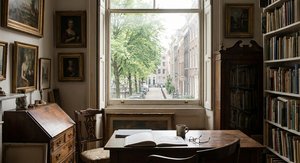
The Interior Gaze: Exploring Representations of Domestic Space in Art History
Explore the fascinating history of domestic interiors in art! From Dutch Masters to Impressionism, discover how artists captured home life & social meaning. Expert analysis and insights at WikiOO.

I 10 Capolavori del Realismo Romantico che hanno Incantato la Storia dell'Arte
Esplora l'emozione del Realismo Romantico attraverso 10 capolavori senza tempo. Scopri la storia di maestri come Constable e Friedrich e lasciati ispirare da opere iconiche per il tuo arredamento. Trova riproduzioni d'arte di qualità museale su WikiOO.org.

Intimate Interiors: Domestic Life & Artistic Representation from Renaissance to Impressionism
Explore the evolution of domestic life in Western art from the Renaissance to Impressionism. Discover symbolism, realism & artistic techniques shaping intimate interior scenes. Learn more with WikiOO.

I 25 capolavori di Paul Klee: un viaggio tra astrazione e musica
Scopri i 25 capolavori di Paul Klee tra astrazione e Bauhaus. Esplora la collezione su WikiOO.org.


