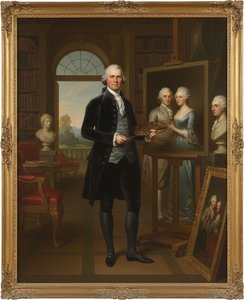
Nathaniel Hone II: Un Ponte tra Visione Romantica e Autenticità Artistica
Nathaniel Hone II si staglia come una figura singolare nel vasto arazzo dell'arte vittoriana: un pittore la cui produzione prolificante sfidò ogni facile categorizzazione e la cui reputazione dovette affrontare considerevoli controversie nel corso della sua vita. Nato intorno al 1837 a Edimburgo, Hone fu plasmato da una famiglia immersa nella tradizione intellettuale scozzese; suo padre, William Hone Sr., era un noto giornalista celebre per i suoi acuti commenti satirici. Questo retaggio di pensiero critico influenzò probabilmente la successiva capacità dell'artista di navigare nei complessi e spesso turbolenti mercati dell'arte di Londra e oltre. Sebbene i suoi primi anni fossero radicati in Scozia, la sua anima artistica trovò la vera espressione attraverso i paesaggi della Cornovaglia e del Galles, dove infuse il mondo naturale di una sensibilità romantica atmosferica, pur rimanendo ancorata a una meticolosa precisione tecnica.
Le fondamenta della maestria di Hone furono gettate durante la sua formazione formale sotto l'influenza del pittore paesaggista John Atkinson Grimshaw. Da Grimshaw, Hone ereditò una profonda comprensione della gradazione tonale e la delicata arte della prospettiva atmosferica. Imparò a trattare la luce non semplicemente come un'illuminazione di oggetti, ma come una sostanza palpabile capace di definire l'umore stesso di una scena. Questa influenza è chiaramente visibile nella sua capacità di catturare l'aria pesante e carica di umidità delle regioni costiere, dove il confine tra mare e cielo diventa una frontiera sfumata ed eterea. La sua tecnica prevedeva una minuziosa stratificazione di colori a olio, un processo che gli permise di raggiungere una straordinaria accuratezza tonale e un senso di realismo che appariva allo stesso tempo profondamente osservato e poeticamente elevato.
La Maestosità Sublime della Costa Cornica
La fama di Hone si consolidò attraverso la sua mozzafiato serie di paesaggi della Cornovaglia, una collezione che conta oltre 150 dipinti e che funge da testimonianza della sua devozione al sublime. Queste opere catturano le drammatiche viste costiere, le aspre brughiere e gli sereni estuari della regione, riflettendo la preoccupazione romantica per la grandiosità sbalorditiva della natura. In queste tele, lo spettatore non si limita a osservare un paesaggio, ma è invitato a sperimentare la trasformazione spirituale che deriva dal testimoniare il potere del mondo naturale. Che ritragga le onde che si infrangono contro scogliere di granito o la quieta immobilità di una caletta nascosta, l'opera di Hone possiede un senso di presenza impareggiabile.
Oltre le coste impervie, il suo repertorio si estese verso regni più tranquilli e pastorali. La sua capacità di transitare dal monumentale all'intimo gli permise di padroneggiare diverse sfaccettature del genere paesaggistico:
- Grandiosità Costiera: Catturare il drammatico intreccio di luce e ombra lungo la linea costiera della Cornovaglia.
- Studi Atmosferici: Utilizzare la stratificazione tonale per ricreare le atmosfere nebbiose ed evocative del Galles e dell'Inghilterra rurale.
- Serenità Pastorale: Dipingere la quieta bellezza del bestiame e dei campi rigogliosi, come si vede in opere quali Cows under Trees.
Un'Eredità di Complessità e Controversia
Nonostante la sua brillantezza tecnica, la carriera di Hone non fu priva di ombre. Il suo percorso artistico fu segnato da periodi di intensa sperimentazione e persino da accuse di falsificazione che proiettarono un lungo velo sulla sua reputazione professionale. Fu una figura enigmatica, spesso visto come un manipolatore del mercato dell'arte, il che aggiunse uno strato di intrigo alla sua personalità. Eppure, è impossibile separare l'uomo dall'immensa abilità che portò sulla tela. La sua opera rimane un legame vitale tra l'ampio emozionalismo dell'era romantica e il realismo osservativo più radicato che avrebbe definito gran parte dell'arte britannica della fine del XIX secolo.
Oggi, Nathaniel Hone II è ricordato non solo per la controversia che lo accompagnò, ma per la sua profonda capacità di tradurre le qualità effimere della luce e dell'atmosfera in durevoli capolavori a olio. I suoi dipinti, come il monumentale The Pont du Gard, continuano a affascinare collezionisti e storici allo stesso modo, fungendo da finestre su un'epoca scomparsa di esplorazione estetica vittoriana. Egli rimane una figura cruciale la cui opera continua a colmare il divario tra la visione selvaggia e indomita del Romanticismo e l'eccellenza tecnica e disciplinata della tradizione classica.
Domande e risposte
A quale periodo storico appartiene l'opera di Nathaniel, II Hone?
Nathaniel, II Hone ha operato nel periodo XIX secolo, collocando storicamente la sua attività.
È disponibile un elenco completo delle opere di Nathaniel, II Hone?
Tutte le opere di Nathaniel, II Hone presenti su questo sito web sono consultabili nella pagina Tutte le opere dell'artista.
Dove e quando è nato Nathaniel, II Hone?
Nathaniel, II Hone è nato a Dublino nel 1831.