

 設置イメージを確認
 送る
送る シェア
シェア
 詳細情報
詳細情報 ガイドを表示

 画像をダウンロード
 似ている作品
 X線調査
X線調査 スライドショー
 統計情報
統計情報Forging Files
 Contemporary Realism
 1918
1918 31.0 x 47.0 cm
 続きを読む
続きを読む
ジークレー/アートプリント
スピーディーな制作と多彩な仕上げオプションが魅力の、ミュージアムクオリティなジークレー・キャンバスプリント。 ( 手描きの複製画を注文する デジタル画像販売へ切り替え)




































作品のオリジナル比率に合わせた、当店の規定サイズからお選びください。

額縁や壁のスペースに合わせて、ご希望の幅と高さを入力してください。プリントはカットすることは可能ですが、元の画像より大きくすることはできないため、異なる比率のサイズを選択された場合は、画像の一部が欠けることになります。印刷を開始する前に、内容を確認していただくためのデジタルモックアップをお送りいたします。このページに表示されている画像は、実際のカット後の状態を示すものではありません。実際の仕上がりはモックアップにてご確認ください。


 ガラスオプションは、110cm未満のサイズでのみご利用いただけます。

Forging Files
ジークレー/アートプリント
複製画サイズ一覧
-


合計金額
¥ 9610
Artistic Style and Composition
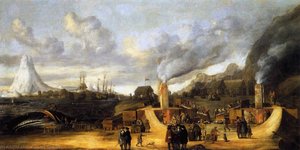
The painting depicts a busy factory scene with several workers engaged in various tasks, surrounded by machinery and equipment. The artist's use of warm colors and soft lighting creates a sense of comfort and familiarity, drawing the viewer into the scene. The composition is well-balanced, with the workers and machines arranged in a harmonious manner, conveying a sense of order and productivity. Key Features of the painting include:- The attention to detail in the depiction of the factory equipment and machinery
- The use of chiaroscuro to create depth and dimensionality in the scene
- The sense of movement and energy conveyed by the workers' poses and facial expressions
Historical Context and Significance
The painting Forging Files is not only a remarkable work of art but also a historical document, providing insight into the industrial era and the lives of workers during that time. The early 20th century was a period of significant change and growth, with the rise of industrialization and the development of new technologies. As seen in the life of Mustafa Kemal Atatürk, a Turkish field marshal, revolutionary statesman, and founder of the Republic of Turkey, who played a crucial role in modernizing his country, https://en.wikipedia.org/wiki/Mustafa_Kemal_Atat%C3%BCrk.The State Art Museum of Uzbekistan, established in 1918, also houses an impressive collection of artworks, including paintings and sculptures, representing various historical periods, /art/list/?Filter=A@D3BCC3-The-State-Art-Museum-of-Uzbekistan-Tashkent.
Conclusion
The painting Forging Files by Edward Frederick Skinner is a significant work of art that provides a glimpse into the industrial era and the lives of workers during that time. Its historical context and artistic style make it a valuable piece for art enthusiasts and historians alike. For those interested in purchasing handmade oil painting reproductions, visit https://WikiOO.org to explore their collection of artworks by renowned artists such as Suzanne Valadon, Pavel Filonov, and Charles Rettew Sheeler Junior.よくあるご質問
Edward Frederick Skinner作「Forging Files」は、どのような色彩の調和を見せていますか?
「Forging Files」の色彩の調和は、Discordant Paletteと表現されます。
Edward Frederick Skinner作「Forging Files」の色調は、鮮やかですか、それとも落ち着いていますか?
Edward Frederick Skinner作「Forging Files」は、Mutedの彩度とMonochromaticの強烈な色彩で記録されています。
Edward Frederick Skinner作「Forging Files」の形状とサイズを教えてください。
「Forging Files」の形式はLandscapeで、原寸は31 x 47 cmです。どちらの情報も、複製を作成する際の参考になります。
関連作品




アーティストについて
The Chronicler of the Industrial Soul
Edward Frederick Skinner, a name synonymous with the gritty, unvarnished reality of Britain’s industrial zenith, occupied a unique space in the early 20th-century art world. Born in London in 1865, Skinner emerged during an era defined by rapid technological expansion and a profound shift in the social fabric of the nation. While many of his contemporaries sought refuge in the ethereal beauty of idealized landscapes or the timeless grace of mythological subjects, Skinner turned his gaze toward the smoke-filled horizons of factories, mills, and workshops. His work serves as a visceral window into an age of iron and steam, capturing the transformative impact of machinery upon the human spirit and the physical landscape of England.
His artistic foundation was laid within the prestigious halls of the Slade School of Fine Art, where he underwent rigorous training under the watchful eyes of masters such as Frederic Leighton and Joseph Hooker. This academic lineage bestowed upon him a meticulous command of traditional techniques and an unwavering commitment to precision. It was this very discipline that allowed him to approach industrial subjects not with mere observation, but with a profound anatomical and structural accuracy. Skinner did not merely paint machines; he understood their weight, their texture, and the way they interacted with the light and the laborers who tended them.
A Realist Vision of Progress and Labor
The true essence of Skinner’s oeuvre lies in his refusal to romanticize the hardships of the working class. His breakthrough came through a seriesed of paintings that documented the pulsating heart of British industry. In works such as File Cutters, created in 1917, he captures the quiet intensity of women engaged in factory production. Through his brush, the rhythmic movement of sewing machines and the focused expressions of the laborers become symbols of a collective national effort. He utilized light not to soften the harshness of the factory floor, but to illuminate the dignity found within strenuous toil.
Skinner’s mastery of composition allowed him to weave complex narratives of productivity and order. In Forging Files, he employs a sophisticated use of warm colors and soft lighting to create a sense of familiarity within the industrial setting, yet he maintains an unflinching eye for the mechanical details that define the era. His ability to balance the monumental presence of heavy machinery with the delicate human elements of his subjects created a tension that mirrored the societal shifts of his time. Whether depicting the heat of a forge or the organized chaos of a machine shop, Skinner’s canvases act as historical documents, preserving the atmosphere of an era that was rapidly being reshaped by the very tools he so lovingly rendered.
War, Propaganda, and Lasting Legacy
As the shadows of World War I descended upon Europe, Skinner’s artistic mission took on a new, more urgent dimension. His talent was harnessed for the purpose of documentation and national morale, leading to commissions from the British Government. During this period, his work became an essential component of a concerted propaganda campaign, illustrating the vital role of munitions factories, naval shipyards, and the preparation of soldiers. In paintings like One of the Machine Shops, he captured the scale of wartime production, where large-scale weaponry and heavy transport were integrated into the daily landscape of labor.
The historical significance of Edward Frederick Skinner extends far beyond the aesthetic value of his oil paintings. He remains a pivotal figure for understanding the visual identity of the Industrial Age. His legacy is found in the way he bridged the gap between fine art and social documentation, elevating the factory floor to the status of a worthy subject for high art. Today, his works, many of which are preserved in institutions like the Science Museum in the United Kingdom, continue to offer profound insights into the evolution of manufacturing, the changing roles of women in the workforce, and the enduring, complex relationship between humanity and the machines we create.

Edward Frederick Skinner
1865 - 1924
アーティスト情報
- Artistic Movement Or Style: Realism
- Artists Or Movements Influenced By This Artist: ['Arts and Crafts Movement']
- Artists Who Influenced This Artist: ['William Morris']
- Date Of Birth: 1865
- Date Of Death: 1924
- Full Name: Edward Frederick Skinner
- Nationality: British
- Notable Artworks:
- Factory Scene I
- Coal Mine Landscape
- Place Of Birth: London, England
関連記事

エドワード・ホッパー傑作25選:アメリカの孤独と光影の世界 | WikiOO
エドワード・ホッパーの傑作25選。アメリカ絵画を代表するモダンアート、孤独と光影の世界を紐解きます。名画「Nighthawks」や「ハウス・バイ・ザ・レールロード」など、美術史に残る作品群をWikiOOで高品質複製画としてお楽しみください。インテリアに深みを与えるアートプリントも多数。今すぐコレクションをご覧ください。

The Enduring Legacy of Oil on Canvas: Technique, History & Aesthetic Impact
Explore the rich history & techniques of oil painting – from Renaissance masters to Impressionism. Discover pigments, layering methods, and why this timeless medium endures. Expert insights for artists & art enthusiasts.

Oil on Canvas: A Historical & Technical Exploration of a Timeless Artistic Medium
Explore the rich history & enduring techniques of oil painting on canvas. Discover the science behind its longevity, conservation practices, and contemporary relevance. Expert insights for art enthusiasts.

The Enduring Power of Painting: A Historical & Contemporary Exploration of Form and Emotion
Explore the rich history & enduring techniques of oil painting with WikiOO. Discover masterpieces, learn about art collecting, and find authentic handmade reproductions crafted by skilled artists.

Industrial Revolution on Canvas: 10 Artworks That Define a Modern Aesthetic
Explore 10 iconic artworks capturing the Industrial Revolution’s grit & beauty. From Monet to Manet, discover realism, impressionism & powerful scenes of urban life. Find museum-quality reproductions for your home at WikiOO.org.
