
 設置イメージを確認
 送る
送る シェア
シェア
 詳細情報
詳細情報 ガイドを表示

 画像をダウンロード
 似ている作品
 X線調査
X線調査 スライドショー
 Q&A
Q&A 統計情報
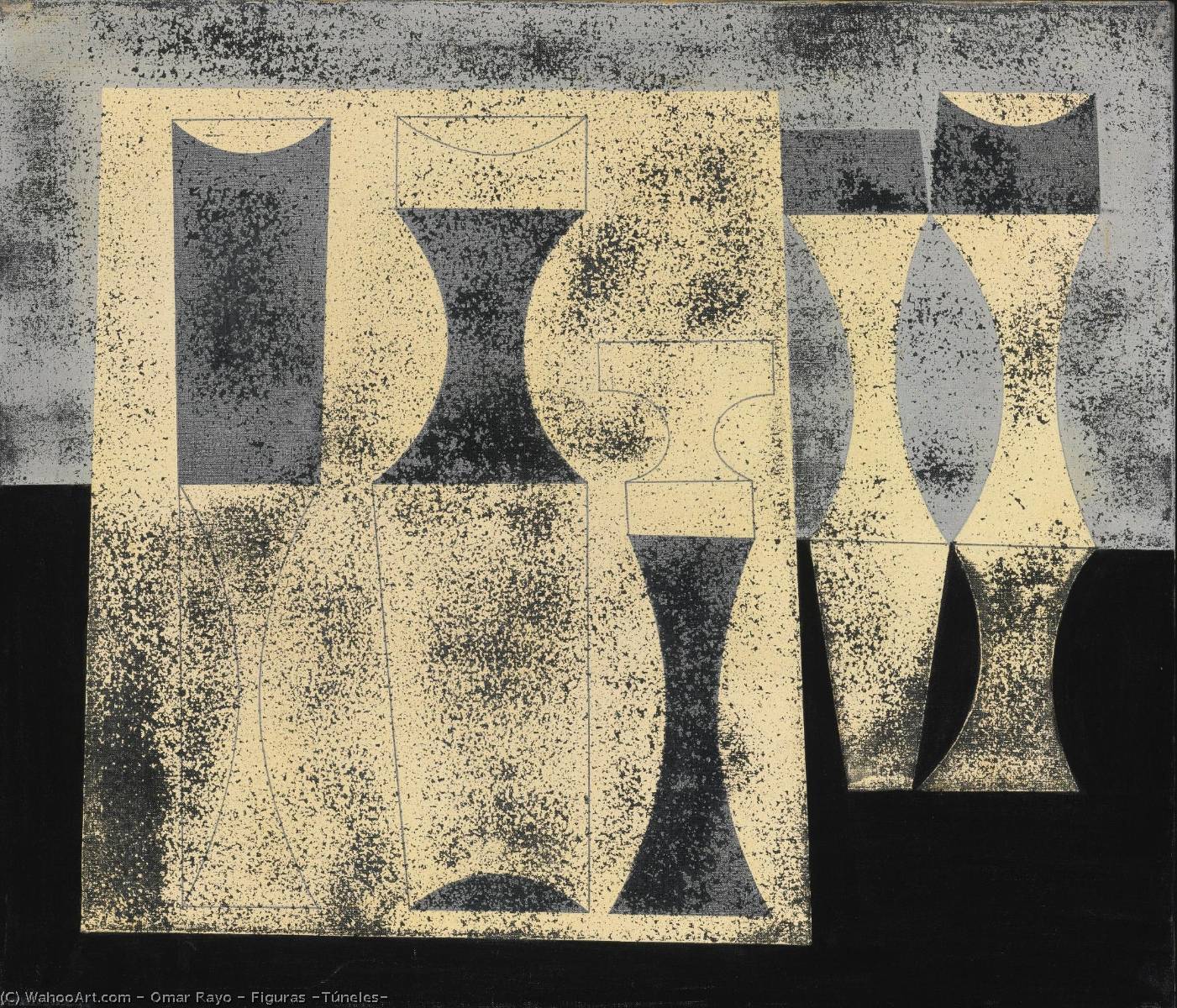
統計情報Figuras (Túneles)
 59.0 x 69.0 cm
 続きを読む
続きを読む
このページに掲載されている作品は著作権法によって保護されており、当社の許可なく同一の複製物を制作または販売することは法律で禁じられています。この保護は、以下のような国際条約に基づき執行されます。 ベルヌ条約 および、以下の条項に定められたものを含む各国の法律により、 米国著作権法 第17編。
敬意を払った法的な代替手段として、私たちはオリジナルにインスピレーションを与えられた、カスタムの手描きアートワークを提供しています。私たちの熟練したプロのアーティストは、元の作品が持つスタイル、情緒、そして芸術的なエッセンスを注意深く研究し、独自の創作物でありながら、同じ感性を呼び起こすような、新しくユニークな作品を作り上げます。
この手法は、著作権で保護された作品の複製や複写を伴わないため、著作権法に完全に準拠しています。これは単なる模倣ではなく、創造的な再解釈です。元の作品からインスピレーションを受けつつも、それとは異なる、全く新しい絵画を生み出すものです。
手描き油彩複製画
当社のアーティストが、お客様のご希望のサイズと額縁に合わせて、キャンバスに手描きで制作する油彩画です。 ( プリント版に切り替え デジタル画像販売へ切り替え)




































作品のオリジナル比率に合わせた、当店の規定サイズからお選びください。

フレームや壁のスペースに合わせて、ご希望の幅と高さを入力してください。本作品は手描きのため、異なる比率のサイズをご希望の場合、絵画の周囲を少し広げて描くか、あるいは端を少しカットして調整することが可能です。お客様のご要望に合わせます。制作を開始する前に、仕上がりを確認するためのデジタルモックアップをお送りいたします。このページに表示されている画像は完成品の実物ではなく、あくまでモックアップによるイメージです。
ご注文後、WikiOO.org チームより詳細な指示をお送りするとともに、仕上がりイメージ(モックアップ)をご提供いたします。


 ガラスオプションは、110cm未満のサイズでのみご利用いただけます。

Figuras (Túneles)
再現技法
複製画サイズ一覧
-


合計金額
¥ 41707
関連作品


アーティストについて
The Geometric Soul of Colombia: The Life and Legacy of Omar Rayo
In the heart of Roldánillo, within the lush landscapes of Colombia’s Cauca Valley, a visual language was born that would eventually captivate the international art world. Omar Rayo (1928–2010) did not merely paint shapes; he orchestrated a dialogue between the ancient past and a futuristic vision of abstraction. His journey was never one of simple academic pursuit. While many of his contemporaries sought validation in the prestigious studios of Europe, Rayo famously rejected a scholarship to Spain in 1954, choosing instead to traverse the vast, vibrant expanse of South America. This pilgrimage through the Andes and along the winding Amazon was transformative, embedding within his consciousness the rhythmic patterns of indigenous embroidery, the striking colors of vernacular architecture, and the intricate textures of popular culture.
This deep immersion in the ancestral aesthetics of his continent allowed Rayo to develop a style that felt both profoundly local and universally modern. His work became a bridge where pre-Columbian visual heritage met the cutting-edge experimentation of the 20th century. By weaving the motifs of indigenous patchwork and traditional crafts into a sophisticated geometric framework, he created an art form that breathed with the spirit of Latin American identity.
Optical Illusions and the Mastery of Form
As his career matured, Rayo became a pivotal figure in the Op Art movement, utilizing the power of optical illusion to challenge the viewer's perception. His palette was often strikingly disciplined, frequently relying on the high-contrast tension of black, white, red, and yellow to create mesmerizing visual experiences. Through the meticulous use of repetitive patterns and geometric forms, he mastered the ability to make a flat surface appear to vibrate, recede, or protrude. This mastery extended beyond the canvas into the realm of sculpture and printmaking.
His technical evolution was marked by a restless curiosity regarding the materiality of his medium. In his early formal experiments, Rayo explored the tactile boundaries of paper, once covering everyday household objects like scissors and kitchen appliances with moistened paper to capture their impressions. This fascination with texture led to the development of unique intaglio techniques, where the heavy weight of watercolor paper allowed for sharp, crisp edges that simulated shadow and light. In these works, the tension between the two-dimensional surface and the sculptural depth of the paper created a material abstraction that was uniquely his own. His ability to manipulate light and shadow through geometry ensured that his art was never static, but rather a living, breathing encounter with perception.
A Monumental Legacy: Museo Rayo and Beyond
The significance of Omar Rayo extends far beyond the individual masterpieces that adorn museum walls; it resides in his profound commitment to the preservation of Latin American artistic heritage. In 1981, driven by an unwavering dedication to his roots, he founded the Museo Rayo in his hometown of Roldanillo. This institution, designed by the renowned Mexican architect Leopoldo Gout, was conceived not just as a gallery for his own work, but as a sanctuary for the broader Latin American graphic arts tradition.
Throughout his illustrious career, Rayo achieved milestones that cemented his status as a master of his craft:
- Recognition of Excellence: His triumph at the 1970 Salón de Artistas Colombianos marked his ascent into the upper echelons of the Colombian art scene.
- International Acclaim: Landmark exhibitions, such as “20 Years, 100 Works” at the National Museum of Fine Arts in Mexico, introduced his geometric language to a global audience.
- Institutional Impact: Through Museo Rayo, he provided a permanent home for over 2,000 pieces of his oeuvre and hundreds of works by other prominent Latin American artists, fostering a legacy of education and cultural dissemination.
Today, the work of Omar Rayo remains a testament to the idea that geometric abstraction is not a cold or detached movement, but one capable of carrying the warmth, history, and soul of a people. He proved that by looking closely at the traces of the past, an artist can discover entirely new ways to envision the future.

Omar Rayo
1928 - 2010 , Colombia
アーティスト情報
- Full Name: Omar Rayo Reyes
- Nationality: Colombian
- Date Of Birth: 1928
- Date Of Death: 2010
- Place Of Birth: Roldánillo, Colombia
- Notable Artworks:
- Grotto lll
- Inquietando
- Omar Rayo
- Artistic Movement Or Style: Abstract Geometry; Op Art
