

 ნახვა ინტერьерში
 გაგზავნა
 გაზიარება
 დეტალები
 გზამკვლევი

 ჩამოტვირთვა
 მსგავსები
 რენტგენოგრაფიული კვლევა
 სლაიდშოუ
 სტატისტიკა
Satyr


 სრული ტექსტის ნახვა
გიკლე / ხელოვნების პრინტი
მუზეუმის დონის ჟიკლე ან ტილოზე ბეჭდვა სწრაფი წარმოებისა და დასრულების მოქნილი ვარიანტებით. ( შეიძინეთ ხელით შესრულებული ნახატი გადასვლა ციფრულ გამოსახულებაზე)




P118B ₾10

P118H ₾10

P118W ₾10

P438Z ₾10

P508JH ₾12

P508YH ₾12

P805H ₾10

P805Z ₾10

P919BZ ₾10

P919G ₾10

P919XJ ₾10

P959ZH ₾10

P968JZ ₾12

W106C ₾8

W218G ₾10

W218JH ₾8

W218Y ₾10

W307PJ ₾10

W316G ₾10

W316PJ ₾8

W316Y ₾10

W398PJ ₾8

W4111J ₾10

W500HY ₾15

W500JH ₾15

W692G ₾12

W849H ₾8

W940BG ₾15

W953PJ ₾8




აირჩიეთ ჩვენს მიერ წინასწარ განსაზღვრული ზომებიდან, რომლებიც ნაწარმოების ორიგინალურ პროპორციებს შეესაბამება.

შეიყვანეთ თქვენთვის საჭირო სიგანე და სიმაღლე, რათა იგი მოერგოს თქვენს ჩარჩოს ან კედელს. ბეჭდვისას შესაძლებელია მხოლოდ მისი შემცირება და არა გაზრდა, ამიტომ სხვა ფორმის ზომის შემთხვევაში გამოსახულება ნაწილობრივ იკარგება. სანამ რაიმეს დაბეჭდავთ, ჩვენ გამოგიგზავნით ციფრულ მაკეტს დასდასტურებლად. ამ გვერდზე ნაჩვენები სურათი არ ასახავს რეალურ ჭრას — ამას მხოლოდ მაკეტი გვიჩვენებს.
მიწოდება მთელ მსოფლიოში () 2 კვირაში, სტანდარტული 4/5 კვირის ნაცვლად. (27 ოქტომბერი)

უფასო ექსპრეს მიწოდება მთელ მსოფლიოში

მაღალი ხარისხის ტილო

ტრანსპორტირების სრული დაზღვევა

საბაჟო გადასახადების დაბრუნების გარანტია

ფერების სრული შესაბამისობის გარანტია

დაბრუნების 100-დღიანი პერიოდი (მხოლოდ წარმოების დეფექტის შემთხვევაში)

100% თანხის სრული დაბრუნების გარანტია

ფასდაკლება დიდი რაოდენობით შეკვეთისას
 მინის ჩარჩოს არჩევანი ხელმისაწვდომია მხოლოდ 110 სმ-მდე ზომისთვის

Satyr
გიკლე / ხელოვნების პრინტი
რეპროდუქციის ზომა
-


ჯამური ღირებულება
₾ 159
The Mythic Embrace of Benvenuto Cellini's Satyr
Benvenuto Cellini’s “Satyr” stands as a captivating testament to the dynamism and sensual allure that defined the Mannerist period in Italian art. Completed around 1545, this bronze sculpture transcends mere representation; it embodies the very spirit of Dionysian revelry and the untamed beauty of the natural world. More than just a depiction of a mythological creature, Cellini’s satyr is an embodiment of potent emotion – a moment frozen in time, brimming with both mischievous energy and a profound, almost melancholic contemplation.
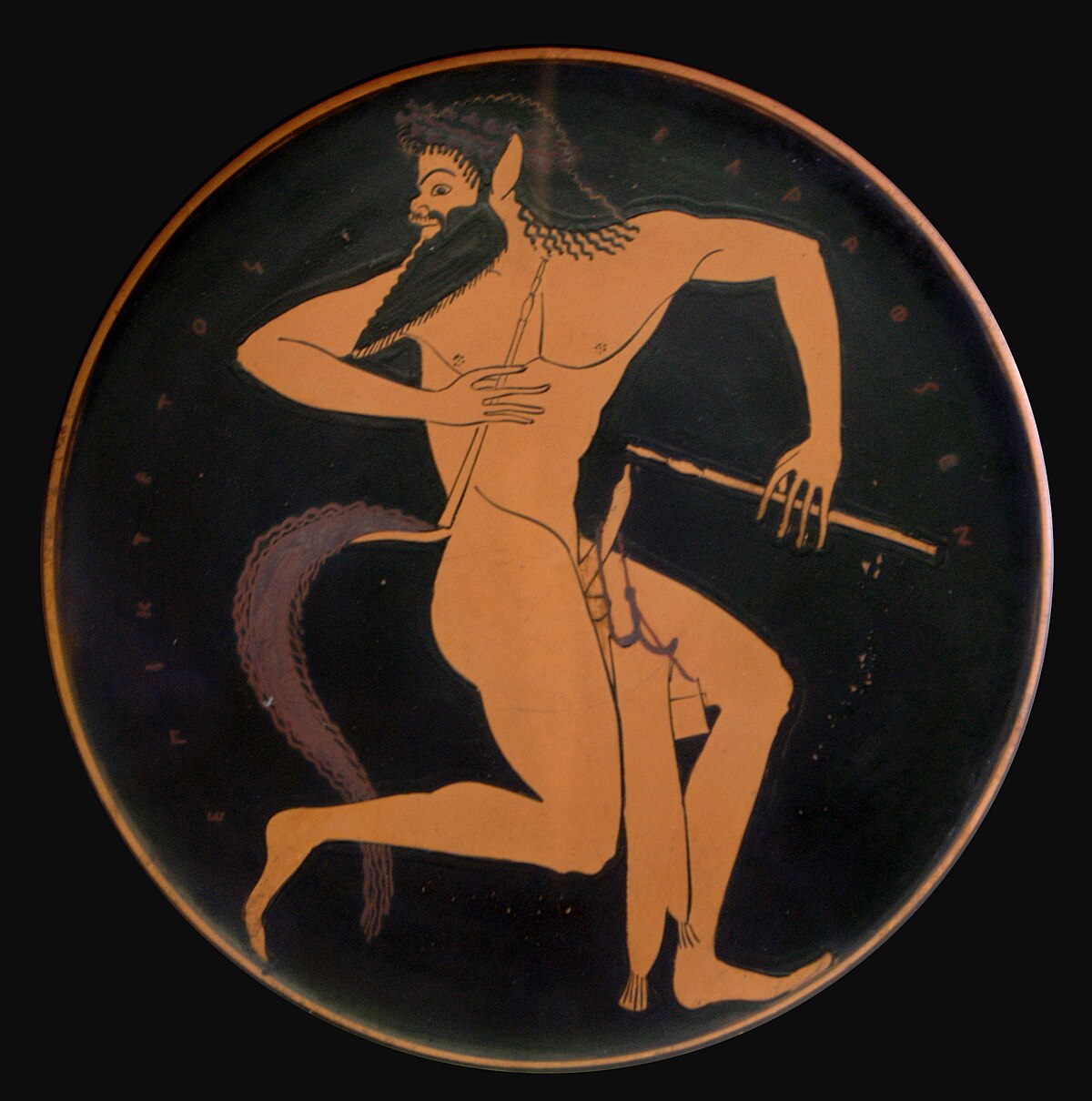
The sculpture itself is a marvel of technical skill and expressive form. Standing nearly four feet tall, the satyr is rendered in a remarkably realistic style, yet imbued with an unmistakable Mannerist flair. His muscular physique, accentuated by the strong lines of his arms and belly, speaks to a primal vitality – a celebration of the body’s inherent power. The details are exquisite: the unruly curls of his hair, the intense gaze of his eyes, the subtle suggestion of a mischievous grin. Notably, the bronze is treated with a rich, aged patina that adds depth and character, hinting at the passage of time and the sculpture's journey through history.
A Glimpse into Renaissance Mythology
Cellini’s satyr isn’t simply a charming figure from Greek mythology; it’s deeply rooted in the cultural context of the 16th century. Satyrs, companions to the god Dionysus, were traditionally associated with wildness, intoxication, music, and fertility – potent symbols of human desires and impulses. In Renaissance Florence, these themes resonated powerfully, particularly within the circles of artists and intellectuals who sought to reconcile classical ideals with contemporary sensibilities. Cellini’s work reflects this complex interplay, capturing both the exuberance and the underlying melancholy inherent in the satyr's existence.
The sculpture’s creation coincided with Cellini’s time at the court of Francis I of France, a period marked by lavish patronage and an embrace of Mannerist aesthetics. This royal commission further elevated the work, imbuing it with a sense of grandeur and sophistication. The choice of bronze as the medium itself is significant – a material prized for its durability, luster, and ability to capture intricate detail.
Symbolism and Artistic Technique
Beyond its mythological subject matter, “Satyr” is rich in symbolic meaning. The satyr’s gesture—raised hand, as if reaching out or beckoning—suggests an invitation into a world of pleasure and abandon. The sculpture's composition, with the satyr presented in profile, creates a sense of intimacy and immediacy, drawing the viewer into his gaze. Cellini masterfully employed techniques such as *repoussé* (hammering metal from the reverse side to create relief) and *chasing* (using tools to refine the surface of the metal), demonstrating his exceptional skill as a goldsmith and sculptor.
The sculpture’s hollow back, filled with fragments of burnt clay and wooden pegs, is particularly intriguing. This deliberate inclusion suggests a layering of meaning—a reference to the satyr's connection to the earth and the cyclical nature of life and death. It also hints at Cellini’s own fascination with materials and his desire to create works that were both beautiful and intellectually stimulating.
A Timeless Masterpiece
Benvenuto Cellini’s “Satyr” remains a powerful and evocative work of art, captivating viewers with its blend of mythological narrative, technical brilliance, and emotional depth. It is a window into the Renaissance world—a celebration of human creativity, sensual desire, and the enduring power of myth. Reproductions by WikiOO offer an exceptional opportunity to bring this iconic masterpiece into your home or office, allowing you to appreciate its beauty and complexity for years to come.
კითხვები და პასუხები
სად არის რეკომენდებული „Satyr“-ის Tall ფორმატის გამოფენა?
ფორმატი (Tall) და რეკომენდებული სივრცე (Living Room) არის ორი განლაგების ფაქტი, რომელიც მითითებულია ნამუშევრისთვის ბენვენუტო ჩელინი-ის „Satyr“.
აქვს თუ არა ნამუშევარს „Satyr“ დამატებული რეალობის (AR) წინასწარი ნახვის ფუნქცია?
შეგიძლიათ ნახოთ ბენვენუტო ჩელინი-ის „Satyr“ თქვენს საკუთარ კედელზე ნამუშევრის AR წინასწარი ნახვა გვერდის მეშვეობით, თავსდამხვევი რეალობის გამოყენებით თავსებად მოწყობილობაზე.
სად არის დღეს გამოფენილი ბენვენუტო ჩელინი-ის „Satyr“?
ბენვენუტო ჩელინი-ის „Satyr“ წარმოდგენილია National Gallery of Art, Washington, USA-ში. მუზეუმის აღწერილობა ეხება ორიგინალ ნამუშევარს და არა რეპროდუქციებს.
მსგავსი ნამუშევრები


მხატვრის ბიოგრაფია
ბენვენუტო ჩელინის ცხოვრება და შემოქმედება
ბენვენუტო ჩელინი (1500-1571) იტალიური რენესანსის გამორჩეული ფიგურა იყო, რომელიც ცნობილია როგორც უნაროვანი ოქროსმჭედელი, მოქანდაკე, მხატვარი, ჯარისკაცი და მწერალი. მისი მრავალმხრივი ნიჭი და ხასიათი მკვეთრად გამოიკვეთება მის ცნობილ ავტობიოგრაფიაში, რომელიც მნიშვნელოვან ლიტერატურულ შედევრად ითვლება მისი მხატვრული მიღწევების პარალელურად. ის განასახიერებს მანერიზმის სულს – ეპოქას, რომელსაც დრამატიული ელფერი და სტილისტური სი complexity ახასიათებს.
ადრეული ცხოვრება და სამხატვრო მომზადება
ჩელინი დაიბადა მუსიკალური ტალანტების ოჯახში – მისი მამა იყო მუსიკოსი და საკრავის შემქმნელი. თავდაპირველად მან მუსიკაში გამოჩენილი ნიჭი აჩვენა, თუმცა 15 წლის ასაკში ის გაძლიერდა ოქროსმჭედლის კარიერისკენ, რამაც მისი შეწუხებული მამა დაარწმუნა, რომ მას ანტონიო დი სანდრო (მარკონე) მოემზადებინა. ეს იყო მისი ფორმალური სამხატვრო მომზადების დასაწყისი. მისი ადრეული წლები არც ისე მშვიდი იყო; 16 წლის ასაკში ის ჩარეულ იქნა თანამოძმეებთან კონფლიქტში, რის შედეგადაც იგი ფლორენციიდან გააძევეს და გარკვეული პერიოდი სიენაში მუშაობდა ოქროსმჭედელ ფრასკატოროსთან.
ოსტატობის წლები და მნიშვნელოვანი ნამუშევრები
ჩელინის შემოქმედებაში განსაკუთრებული ადგილი უჭირავს მისმა გამორჩეულ ნამუშევრებს. მარილის ჭურჭელი, რომელიც საფრანგეთის მეფე ფრანსის I-ს დაკვეთით შეიქმნა, ალბათ მისი ყველაზე ცნობილი შედევრია. მასზე ჩანს რთული დეტალები და დინამიკური ფიგურები, რომლებიც ამჟამად ვენის ხელოვნების ისტორიულ მუზეუმში ინახება. პერსეუსი მედუზას თავით – ბრინჯაოს ქანდაკება, რომელიც პერსეუსს ასახავს მედუზას მოჭრილი თავით, ამ ნამუშევმა ჩელინის უნიკალური უნარი წარმოაჩინა ფორმის და დრამატული კომპოზიციის შესაქმნელად. ეს არის მისი უნარის ტესტირება ლითონის მოძრაობისა და ემოციების აღსასრულებლად. ლედა და გედი – გონფალონიერის გაბრიელო ცეზარინოსთვის შექმნილი მედალიონი, რომელიც აჩვენებს ჩელინის უნარს კლასიკური მიფოლოლოგიის ხარისხოვნად დამუშავებას.
გავლენები და მანერიზმის სტილი
ჩელინის ხელოვნებაზე დიდი გავლენა მოახდინა ანტიკური ცივილიზაციამა და მიქელანჯელოს ძლევამოსილმა ფიგურებმა. მისი სტილი დინამიკურობით, რეალიზმითა და ყურადღებით დეტალებზე ხასიათდება. მანერიზმის ეპოქაში ჩელინის შემოქმედებამ განსაკუთრებული ადგილი დაიკავა – ეს არის პერიოდი, რომელსაც ახასიათებს წაგრძელებული ფორმები, გადაჭარბებული პოზები და თეატრალური განწყობა.
ხოვრების სხვა მხარე: ჯარისკაცი, მუსიკოსი და ავტობიოგრაფისტი
ჩელინის ცხოვრება სამხატვრო სახელოსნოსთან შემოიფარგლებოდა. მან ჯარისკაცად იმსახურა ალყების დროს, ამბობს რომ მნიშვნელოვანი როლი ითამაშა რომის დაცვაში იმპერიული ძალების წინააღმდეგ. ის ასევე იყო უნარიანი მუსიკოსი, რომელიც კორნეტზე უკრავდა პაპის კარტს. თუმცა მისი ავტობიოგრაფია მას განსაკუთრებულად გამოარჩევს.
- ბენვენუტო ჩელინის ცხოვრება – ეს ღია და ხშირად თავხედური ანგარიში უნიკალურ ინფორმაციას გვაწვდის რენესანსის ხელოვნების, კულტურისა და საზოგადოების შესახებ. ის მომხიბლავი ნარატივია პატრონებზე, კონკურენტებზე და პირადი თავგადასავლების შესახებ, რომელიც ამ ეპოქის უნიკალურ პერსპექტივას გვთავაზობს.
მისი ავტობიოგრაფია მხოლოდ მოვლენების ჩანაწერს არ წარმოადგენს; ეს არის ფრთხილად შექმნილი თვითგამოხატვის პორტრეტი, რომელიც მიზნად ისახავს მის ნიჭის წარმოჩენას და მისი საქმიანობის გამართლებას. ზოგჯერ არასწორი ინფორმაცია შეიცავს ჩელინის საკუთარი ცრუპრობის გამო, მაგრამ რენესანსის ცხოვრების გაგებისთვის ეს აუცილებელია.
მემკვიდრეობა და ისტორიული მნიშვნელობა
ბენვენუტო ჩელინი 1571 წელს გარდაიცვალა ფლორენციაში, დატოვა მანერიზმის ერთ-ერთი უმნიშვნელოვანესი მხატვრის მემკვიდრეობა. მისი ტექნიკური უნარი, სამხატვრო ინოვაცია და მომხიბლავი ავტობიოგრაფია აგრძელებს მხატვრებსა და ხელოვნების მოყვარულებს შთააგონებს. ის წარმოადგენს რენესანსის იდეალს – მრავალმხრივ ნიჭიერ ადამიანს, რომელიც სხვადასხვა დისციპლინაში გამოირჩევა, ამბიციებით იყო შევსებული და არ ეშინოდა საკუთარი ინდივიდუალობის გამოვლინების.

ბენვენუტო ჩელინი
1500 - 1571 , იტალია
მოკლე ფაქტები
- Artistic Movement Or Style: მანერიზმი
- Artists Who Influenced This Artist: ['მიქელანჯელო']
- Date Of Birth: 1500 წლის 1 ნოემბერი
- Date Of Death: 1571 წლის 13 თებერვალი
- Full Name: ბენვენუტო ჩელინი
- Nationality: იტალიელი
- Notable Artworks (List Of Titles):
- პერსეუსი მედუზის თავით
- ჩელინის მარილსაცხარი
- Place Of Birth (City And Country): ფლორენცია, იტალია
მსგავსი სტატიები

Bronze Sculptures That Defined Art History | WikiOO
Journey through art history with our Top 10 bronze sculptures! Explore masterpieces by Rodin, Michelangelo & more. Discover stories behind iconic statues and find museum-quality reproductions for your home decor at WikiOO.org.

The Enduring Legacy of Bronze: A Historical & Artistic Exploration for the Collector
Explore the rich history & enduring appeal of bronze sculpture with expert insights for collectors at WikiOO. Learn about casting techniques, iconic artists, collecting tips & contemporary interpretations.

The Enduring Legacy of Bronze Sculpture: A Collector's Guide to Form & Cultural Significance
Explore the rich history & enduring appeal of bronze sculpture with expert insights for collectors at WikiOO. Learn about casting techniques, iconic artists, and collecting tips to build a discerning art collection.

The Enduring Legacy of Bronze: History, Technique & Artistic Expression for the Collector
Explore the rich history & enduring appeal of bronze sculpture with expert insights for collectors at WikiOO. Learn about casting techniques, iconic artists, and collecting tips.

Bronze Age to Modern Masters: 10 Sculptures That Redefined Art | WikiOO
Journey through art history with 10 legendary bronze sculptures – from Michelangelo's David to Rodin’s Thinker. Explore the stories, techniques & timeless beauty of these masterpieces. Find museum-quality reproductions & elevate your home decor on WikiOO.org.

