წინასწარი ნახვა
 გაგზავნა
 გაზიარება
 დეტალები
 გზამკვლევი

 ჩამოტვირთვა
 მსგავსები
 რენტგენოგრაფიული კვლევა
 სლაიდშოუ
 კითხვა-პასუხი
 სტატისტიკა
დააკვირდით დეტალურად
ყოველი დეტალი, ხელით დახატული
საღতিকოს სამი დეტალი, გა увелиებული. ჩვენი ხელოვანები თითოეულ მათგანს ხელით, თქვენ მიერ არჩეულ ზომაში აღადგენენ.
i.
სცენის გული.
ii.
განათება და ფონი
iii.
ფუნჯის შტრიხები
ეს ნამუშევარი
კოლექციონირებადი ნივთის აღწერა
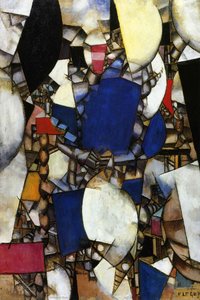
Fernand Léger’s "String Constructors" embodies the spirit of collaboration and industrial progress through fragmented geometric forms against a vibrant blue sky.
 გააგრძელეთ კითხვა
მხატვრის ბიოგრაფია
ტუბიზმის პიონერმა ფერნან ლეგერმა მანქანური ეპოქა ასახა. აღმოაჩინეთ მისი თამამი და რიტმული ტილოები დღესვე.
Fernand Léger’s “String Constructors”: A Symphony of Steel and Soul
The painting "String Constructors" by Fernand Léger isn't merely an image; it’s a declaration—a bold assertion that the anxieties and exhilarations of industrial progress could be rendered in terms of pure visual form. Completed in 1923, during the height of Léger’s engagement with Cubism and Surrealism, this monumental canvas embodies the artist’s fascination with both geometric abstraction and the burgeoning influence of technology on human experience. It resides within a broader artistic movement grappling with questions of perception and representation, rejecting traditional illusionistic techniques in favor of fractured planes and overlapping perspectives—a stylistic choice that mirrors the fragmented reality of the era.- Style & Technique: Léger’s Cubist approach is evident in the deliberate dismantling of objects into constituent geometric shapes – cubes, cylinders, spheres – which are then recomposed in a manner that simultaneously suggests solidity and instability. The painting utilizes a predominantly monochromatic palette dominated by shades of blue, punctuated by flashes of yellow and red, creating an arresting visual rhythm. Léger’s distinctive technique involves applying paint thickly—sometimes almost sculptural—to the canvas surface, resulting in textured brushstrokes that convey both physicality and dynamism.
- Historical Context: The painting emerged from a period marked by rapid industrial expansion and growing apprehension about the dehumanizing effects of urbanization. Léger’s artistic concerns mirrored those prevalent in intellectual circles of his time—a preoccupation with the impact of machines on human consciousness and social life. He actively sought to capture the energy and rhythm of the factory floor, translating its visual vocabulary into a new aesthetic language.
Symbolism & Conceptual Depth
Beyond its formal qualities, “String Constructors” is laden with symbolic significance. Léger deliberately avoids depicting recognizable figures or objects—instead opting for abstracted forms that represent not individuals but rather the collective experience of labor and construction. The repetitive geometric shapes symbolize the relentless cycle of production and transformation inherent in industrial society. Furthermore, the bold colors – particularly yellow and red – convey a sense of urgency and excitement, reflecting the optimism associated with technological advancement during the interwar years. Léger’s intention wasn't simply to depict what he saw; it was to communicate an underlying philosophical proposition about the relationship between humanity and machinery.- Emotional Impact: The painting evokes a complex emotional response—a mixture of fascination, apprehension, and perhaps even melancholy. Léger’s masterful use of texture and color creates a palpable sense of movement and energy, mirroring the frenetic pace of the industrial landscape. Yet, beneath the surface dynamism lies an underlying feeling of isolation and fragmentation—a reflection of the psychological toll exacted by modernity.
Legacy & Influence
“String Constructors” stands as a cornerstone of Léger’s oeuvre and exerted considerable influence on subsequent generations of artists. Its pioneering exploration of geometric abstraction paved the way for developments in Surrealist painting and sculpture, demonstrating that artistic innovation could arise from confronting seemingly disparate influences—the rigor of Cubism and the dreamlike imagery of Surrealism. Léger's unwavering commitment to translating the visual language of industrial society into a new aesthetic idiom continues to inspire artists today who grapple with questions of representation and perception in an increasingly technologically mediated world.კითხვები და პასუხები
რა გამოყენებაა რეკომენდებული ფერნან ლეგერი-ის „String Constructors“-ისთვის?
ფერნან ლეგერი-ის „String Constructors“-ის რეპროდუქცია რეკომენდებულია Accent-ისთვის. ეს რჩევა ეფუძნება ნამუშევრის შინაარსს, განწყობასა და ფერებს.
რას გამოსახავს "String Constructors" და როგორი ატმოსფერო აქვს მას?
ფერნან ლეგერი-ის „String Constructors“ ასახავს construction site, laborers, machinery, blue sky, geometric forms, collaboration, dynamism-ს, Modern განწყობით. სუბიექტი და ატმოსფერო ერთობლიობაში ქმნის ნამუშევრის აღწერას.
რატომ არის "String Constructors"-ის საავტორო უფლებების სტატუსი სწორედ ასეთი?
ფერნან ლეგერი-ის „String Constructors“ არის საჯარო საკუთრებაშია — საავტორო უფლებები ამოწდა. საავტორო უფლებების ვადა ითვლება ხელოვანის გარდაცვალებიდან, რომელიც მოხდა 1955 წელს.

ფერნან ლეგერი
1881 - 1955, საფრანგეთი
მხატვარი
მოკლე ფაქტები ფერნან ლეგერი შესახებ
- Artistic Movement Or Style:
- კუბიზმი
- ტუბიზმი
- Section d'Or
- პურიზმი
- დადაიზმი
- კონსტრუქტივიზმი
- Artists Or Movements Influenced By This Artist:
- პოპ-არტი
- როი ლიჩტენშტეინი
- ენდი უორჰოლი
- Artists Who Influenced This Artist: ['პოლ სეზანი']
- Date Of Birth: 1881
- Date Of Death: 1955
- Full Name: ჟოზეფ ფერნან ანრი ლეგერი
- Nationality: ფრანგი
- Notable Artworks:
- Nudes in the Forest
- The City
- The Mechanic
- Three Women
- The Woman in Blue
- Place Of Birth: არგენტანი, საფრანგეთი


ზეთის საღებავით შესრულებული ხელით ნაკლნა
დაგვიკვეთოთ ნახატი თქვენთვის შეკვეთილი
ზეთის საღებავით შესრულებული ხელით ნაკლნა
ტილოზე შესრულებული ფერწერიანი ზეთប្រდათი, თქვენთვის სასურველი ზომისა და ჩარჩოსთვის, ჩვენი ხელოვანების მიერ შეკვეთის საფუძველზე დამზადებული. ( ბეჭდვის რეჟიმზე გადართვა გადართვა ციფრულ გამოსახულებაზე)

საკომისიო

String Constructors
რეპროდუქციის მასალა
რეპროდუქციის ზომა
-

ელიტური უფროსი ხელოვანი
უფრო მეტი დეტალიზაცია, დახვეწილობა და დამატებითი დამუშავების დრო
-

რეკლამაციის ჩარჩო
-
-
ნებისმიერი მხარისთვის 105 სმ-ზე (დაახლოებით 41 ინჩი) მეტი ზომის ხელოვნებული ნამუშევრების ან რეპროდუქციებისთვის, ჩარჩო მოგზავნდება დაშლილ კომპლექტში. ეს მეთოდი უზრუნველყოფს უსაფრთხო მიწოდებას და თავიდან აგაცილებთ ტრანსპორტირებისას შესაძლო დაზიანებას.
საჭიროა პროფესიონალური აწყობა — ეს არ არის თვითმომსახურების (DIY) პროდუქტი.
კომპლექტის აწყობა და ტილოს დაჭიმვა უნდა განახორციელოს გამოცდილმა პროფესიონალმა ჩარჩოს დამამზადებელმა, ხის წებოს (არ შედის კომპლექტში), ტილოს დაჭიმვის ბერჭებისა და საკრამების გამოყენებით, რათა წებოს გასაშრობად ღერძები სწორად და სტაბილურად დაფიქსირდეს. არასწორი აწყობა ან ტილოს არათანაბარი დაჭიმვა შეიძლება გამოიწვიოს ნამუშევრის სამუდამო დაზიანება, რაც არ იფარება ჩვენი გარანტიით.
 ნებისმიერი მხარისთვის 105 სმ-ზე (დაახლოებით 41 ინჩი) მეტი ზომის ხელოვნებული ნამუშევრების ან რეპროდუქციებისთვის, ჩარჩო მოგზავნდება დაშლილ კომპლექტში. ეს მეთოდი უზრუნველყოფს უსაფრთხო მიწოდებას და თავიდან აგაცილებთ ტრანსპორტირებისას შესაძლო დაზიანებას.
კომპლექტში შედის მყარი ხის ყველა ღერძი, ზუსტად გაზომილი და საჭირო ზომაზე დაჭრილი.
აწყობისთვის გამოიყენება კომპლექტში არსებული ხრახნები; ასევე დაგჭირდებათ ხის წებო კუთხეების დასაკავშირებლად, რომელიც კომპლექტში არ შედის და მისი შეძენა ჩარჩოს დამამზადებელს დამოუკიდებლად მოუწევს.
საჭიროა პროფესიონალური ხელსაწყოები, რომლებიც არ შედის კომპლექტში: ტილოს დაჭიმვის ბრჭყალი (დამჭერი) და სამჭედლები, რათა წებოს გასაშრობ პროცესში რამკოს კუთხეები სწორად ფიქსირდეს.
მნიშვნელოვანია:
კუთხეების დასაკავშირებლად საჭიროა ხის წებო; სანამ წებო სრულად გაშრება, ღერძები დაფიქსირებული უნდა იყოს საკავშირეებით, ხოლო აწყობილ ჩარჩოზე ტილოს დასჭიმად საჭიროა ტილოს დასჭიმელი ბრჭჭვალი. არცერთი ეს ნივთი არ შედის კომპლექტში. გთხოვთ, ამ ზომის შეკვეთამდე წინასწარ დაგეგმოთ გამოცდილი პროფესიონალი ჩარჩოს დამზადებელი.

სახელოვანი ფირფიტა
-
-

დამცავი ლაქი
ბზინვარე ლაქი (აფერსკვიატებს ფერებს და იცავს სინათლისა და ტენისგან)
-

ნამუშევრის პერსონალიზაცია
რა შეიძლება შეიცვალოს (მაგალითები): სახის შეცვლა მომხმარებლის ფოტოთი; შინაური ცხოველის დამატება (მაგალითად, კატის დგებით შეცვლა); ფონზე ფარული შეტყობინების დამატება; ფონის ლანდშაფტის ან ელემენტების შეცვლა.
-

სასწრაფო
მიწოდება მსოფლიო მასშტაბით () 3-4 კვირაში, სტანდარტული 5 კვირის ნაცვლად. (10 ნოემბერი). ხარისხზე კომპრომისის გაკეთება არ მოხდება.
-
სწრაფი მიწოდება
მიწოდება მსოფლიოს მასშტაბით () 5 კვირაში. (17 ნოემბერი).
მოყვება
საბოლოო ღირებულება
₾ 688
მინის ჩარჩოს არჩევანი შესაძლებელია მხოლოდ 110 სმ-მდე ზომისთვის
i.
მასშტაბი
დაჰკიდეთ თქვენს კედელზე: ყოველი ზომა ინარჩუნებს ორიგინალის პროპორციებს.
აირჩიეთ ჩვენს მიერ წინასწარ განსაზღვრული ზომებიდან, რომლებიც ნაწარმოების ორიგინალურ პროპორციებს შეესაბამება.

შეიყვანეთ თქვენთვის საჭირო სიგანე და სიმაღლე, რათა ნახატი მოერგოს თქვენს ჩარჩოს ან კედელს. ვინაიდან ეს ნამუშევარი ხელით არის შესრულებული, სხვა ფორმის ზომის შემთხვევაში, მხატვარმა შესაძლოა სურათის გარშემო ოდნავ მეტი დატოვოს ან შეამციროს — არჩევანი თქვენზეა. დაწყებამდე, დასამტკიცებლად, ჩვენ გამოგიგზავნით ციფრულ მაკეტს. ამ გვერდზე ნაჩვენები სურათი არ ასახავს რეალურ შედეგს — რეალური სახე მხოლოდ მაკეტზე ჩანს.
ii.
ჩარჩო
ჩარჩო ნახატზე ნამდვილი ზომის შესაბამისად არის გამოსახული.
ჩარჩოჩენილი

თეთრი კიდეები ₾1

ბუნდოვანი კიდეები ₾1

გაფართოებული კიდეები ₾1

P118B ₾10

P118H ₾10

P118W ₾10

P438Z ₾10

P508JH ₾12

P508YH ₾12

P805H ₾10

P805Z ₾10

P919BZ ₾10

P919G ₾10

P919XJ ₾10

P959ZH ₾10

P968JZ ₾12

W106C ₾8

W218G ₾10

W218JH ₾8

W218Y ₾10

W307PJ ₾10

W316G ₾10

W316PJ ₾8

W316Y ₾10

W398PJ ₾8

W4111J ₾10

W500HY ₾15

W500JH ₾15

W692G ₾12

W849H ₾8

W940BG ₾15

W953PJ ₾8

H24-GOLD ₾30

H24-SILVER ₾30

H36-GOLD ₾45

H36-SILVER ₾45
iii.
გახადეთ თქვენი საკუთრება
ხელით შესრულებული ნახატი შესაძლოა შექმნილი იყოს მხოლოდ ერთი ადამიანისთვის.
შეკვეთის შემდეგ, WikiOO.org გუნდი გამოგსტავთ ელექტრონულ წერილს ინსტრუქციებისთვის და მოგაწვდით წინასწარ ნახატის (mockup) პრევიუსს
iv.
დასრულება
სახელფలაკი, ლაქი და მიწოდება.
სახელოვანი ფირფიტა
ბრინჯაოს ამოკვეთილი ფირფიტის დეტალები
This elegant plaque features the artist's name and the title of the artwork, finely engraved for a timeless presentation.
It is made from bronze with a refined, elegant finish. The text is precisely laser-engraved for a sharp and permanent result. Measuring 9x2 cm, the plaque is compact yet easy to read. It's built to be durable and scratch-resistant, offering a professional, museum-quality look. Mounting is simple thanks to the included adhesive backing.
აკრილის გამჭვირვალე ფირფიტის დეტალები
The plaque includes essential engraved details such as the artist's name, the title of the artwork, the date it was created, the type of media used-like oil on canvas or watercolor-a brief description of the piece, and a QR code that links to the complete artwork information.
It is crafted from clear acrylic, offering a sleek, modern appearance. The text is UV-engraved in black to ensure strong visual contrast. With a size of 10x15 cm, it ensures optimal readability. It comes equipped with two metal hooks for secure wall mounting. The plaque is designed to be weather-resistant, making it suitable for various environments, and it includes interactive features that work seamlessly with smartphone scanning.
შავი აკრილის ფირფიტის დეტალები
This elegant plaque includes engraved information such as the artist's name, the title of the artwork, the date it was created, the type of media used (like oil on canvas or watercolor), a short description of the artwork, and a QR code for quick access to more information.
The plaque itself is made from refined black acrylic with a premium finish. The text is laser-engraved in white for high contrast and readability. Its size is 10x15 cm, designed to be easy to read. It comes with two metal hooks for professional mounting. The design is sleek and fits any interior style. It is also weather-resistant and durable, with built-in digital integration for mobile compatibility.
დამცავი ლაქი
სასწრაფო დამზადება
მიწოდება მსოფლიო მასშტაბით -ში 3/4 კვირაში, სტანდარტული 5 კვირის ნაცვლად. (10 ნოემბერი). ხარისხზე კომპრომისის გაკეთება არ მოხდება.
- უფასო ექსპრეს მიწოდება მთელ მსოფლიოში
- მაღალი ხარისხის ტილოს ქსოვილი
- ტრანსპორტირების სრული დაზღვევა
- საბაჟო გადასახადების დაბრუნების გარანტია
- ფერების სრული შესაბამისობის გარანტია
- დაბრუნების 100-დღიანი პოლიტიკა (მხოლოდ დეფექტის შემთხვევაში)
- 100% თანხის სრული დაბრუნების გარანტია
- ფასდაკლება დიდი რაოდენობით შეკვეთისას


მოკლე ფაქტები და ხელოვნების ქვიზი
დაკავშირებული სტატიები

გეომეტრიული აბსტრაქცია: 10 შედევრი, რომელმაც ხელოვნება განსაზღვრა | WikiOO.org
გეომეტრიული აბსტრაქციის 10 შედევრი მონდრიანის, მალევიჩისა და კანდინსკის ჩართულობით. გაიგეთ მათი ისტორია, ტექნიკა და გავლენა ხელოვნებაზე. შეიძინეთ უმაღლესი ხარისხის რეკონსტრუქციები WikiOO.org-ზე!

ფერნანდ λεჟეს 25 საუკეთესო შედევრი: ხელოვნების ისტორია თქვენს სახლში | WikiOO
გაიცანით ფერნანდ λεჟეს 25 საუკეთესო შედევრი! კუბიზმის, ტუბიზმის და თანამედროვე ხელოვნების ისტორია. ნახატების რესპროდუქციები თქვენი სახლისთვის WikiOO-ზე. აღმოაჩინეთ ლეგერის გამოსახულებები ონლაინ!

Modern Geometry & Machine Age Beauty: A Collector's Guide to the Cubist Vision of Fernand Léger
Explore the profound geometric mastery of Fernand Léger. Discover how his 'Tubism' and Machine Age aesthetics redefined modern art, offering timeless inspiration for discerning collectors seeking to integrate Cubist dynamism into sophisticated contemporary interiors.

Industrial Revolution on Canvas: 10 Artworks That Define a Modern Aesthetic
Explore 10 iconic artworks capturing the Industrial Revolution’s grit & beauty. From Monet to Manet, discover realism, impressionism & powerful scenes of urban life. Find museum-quality reproductions for your home at WikiOO.org.
დაკავშირებული ნამუშევრები