
 წინასწარი ნახვა
 გაგზავნა
 გაზიარება
 დეტალები
 გზამკვლევი

 ჩამოტვირთვა
 მსგავსები
 რენტგენოგრაფიული კვლევა
 სლაიდშოუ
 კითხვა-პასუხი
 სტატისტიკა
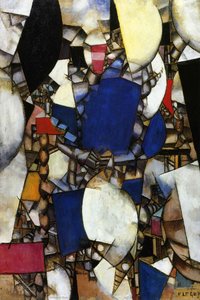
The Staircase


 გააგრძელეთ კითხვა
გიკლე / ხელოვნების პრინტი
მუზეუმის დონის ჟიკლე ან ტილოზე ბეჭდვა სწრაფი წარმოებისა და დასრულების მოქნილი ვარიანტებით. ( შეიძინეთ ხელით შესრულებული ნახატი გადართვა ციფრულ გამოსახულებაზე)




P118B ₾10

P118H ₾10

P118W ₾10

P438Z ₾10

P508JH ₾12

P508YH ₾12

P805H ₾10

P805Z ₾10

P919BZ ₾10

P919G ₾10

P919XJ ₾10

P959ZH ₾10

P968JZ ₾12

W106C ₾8

W218G ₾10

W218JH ₾8

W218Y ₾10

W307PJ ₾10

W316G ₾10

W316PJ ₾8

W316Y ₾10

W398PJ ₾8

W4111J ₾10

W500HY ₾15

W500JH ₾15

W692G ₾12

W849H ₾8

W940BG ₾15

W953PJ ₾8




აირჩიეთ ჩვენს მიერ წინასწარ განსაზღვრული ზომებიდან, რომლებიც ნაწარმოების ორიგინალურ პროპორციებს შეესაბამება.

შეიყვანეთ თქვენთვის საჭირო სიგანე და სიმაღლე, რათა გამოსახულებამ თქვენს ჩარჩოს ან კედელს ზუსტად მოერგოს. ბეჭდვისას შესაძლებელია მხოლოდ მისი შემცირება და არა გაზრდა, ამიტომ სხვა ფორმის ზომის შემთხვევაში სურათი ნაწილობრივ იკარგება. სანამ რაიმეს დაბეჭდავთ, ჩვენ გამოგიგზავნით ციფრულ მაკეტს დასდასტურებლად. ამ გვერდზე ნაჩვენები სურათი არ ასახავს რეალურ ჭრას — ამას მხოლოდ მაკეტი გვიჩვენებს.
მიწოდება მთელ მსოფლიოში () 2 კვირაში, სტანდარტული 4/5 კვირის ნაცვლად. (15 ნოემბერი)

უფასო ექსპრეს მიწოდება მთელ მსოფლიოში

მაღალი ხარისხის ტილოს ქსოვილი

ტრანსპორტირების სრული დაზღვევა

საბაჟო გადასახადების დაბრუნების გარანტია

ფერების სრული შესაბამისობის გარანტია

დაბრუნების 100-დღიანი პოლიტიკა (მხოლოდ დეფექტის შემთხვევაში)

100% თანხის სრული დაბრუნების გარანტია

ფასდაკლება დიდი რაოდენობით შეკვეთისას
 მინის ჩარჩოს არჩევანი შესაძლებელია მხოლოდ 110 სმ-მდე ზომისთვის

The Staircase
გიკლე / ხელოვნების პრინტი
რეპროდუქციის ზომა
-


საბოლოო ღირებულება
₾ 161
Fernand Léger’s Staircase: A Symphony of Form and Movement
The painting “Staircase” by Fernand Léger, completed in 1914, isn't merely an image of ascending steps; it’s a profound exploration of the relationship between human experience and industrial progress. Léger, already establishing himself as a champion of geometric abstraction alongside artists like Piet Mondrian and Kazimir Malevich, sought to distill the frenetic energy of the burgeoning machine age into a visual form that transcended literal representation. This ambition is brilliantly realized in “Staircase,” where Léger abandons traditional perspective and employs bold, interlocking planes of color—primarily reds, yellows, and blues—to convey a sense of relentless upward movement.- Style: Léger’s style can be characterized as Constructivist, albeit infused with a distinctly lyrical quality. He rejects illusionistic painting altogether, prioritizing the structural integrity of his compositions over any attempt to create an illusion of depth.
- Technique: Léger meticulously applied pigment onto canvas using a palette knife—a technique he championed—creating textured surfaces that resemble fractured blocks of color. This method deliberately disrupts conventional artistic conventions and emphasizes the materiality of the artwork itself.
- Symbolism: The fractured planes of color—particularly the reds—evoke associations with both passion and danger, mirroring the anxieties of wartime Europe. Simultaneously, Léger’s deliberate simplification of forms speaks to a desire to capture the essence of reality without succumbing to sentimentalism.
კითხვები და პასუხები
რა არის ფერნან ლეგერი-ის „The Staircase“-ის დომინანტური ფერი?
"The Staircase" უფრო მეტად Ochre to Sepia ტონს ეკვრის.
რამდენად ბევრ სინათლეს ასახავს "The Staircase" ფერები?
„The Staircase“-ის ფერები გამოირჩევა Gentle Luminance სიკაშკაშით.
რა გამოყენება და სივრცეა რეკომენდებული ფერნან ლეგერი-ის „The Staircase“-ისთვის?
"The Staircase" რეკომენდებულია Accent-ისთვის, ხოლო საუკეთესო სივრცე არის Living Room."
დაკავშირებული ნამუშევრები




დაკავშირებული სტატიები

Mastering the Machine Age: The Top 25 Fernand Léger Artworks
Immerse yourself in the vibrant world of Fernand Léger. Explore 25 iconic Cubist masterpieces, from his bold 'Tubism' to machine-age aesthetics. Find inspiration for museum-quality art reproductions and curated decor. Discover all masterpieces on WikiOO.org.

ფერნანდ λεჟეს 25 საუკეთესო შედევრი: ხელოვნების ისტორია თქვენს სახლში | WikiOO
გაიცანით ფერნანდ λεჟეს 25 საუკეთესო შედევრი! კუბიზმის, ტუბიზმის და თანამედროვე ხელოვნების ისტორია. ნახატების რესპროდუქციები თქვენი სახლისთვის WikiOO-ზე. აღმოაჩინეთ ლეგერის გამოსახულებები ონლაინ!

Mastering the Machine Age: The 25 Best Artworks by Fernand Léger
Immerse yourself in the vibrant world of Fernand Léger. Explore 25 iconic masterpieces of Cubism and Tubism, from bold geometric forms to machine-age energy. Find inspiration for your decor with museum-quality reproductions. Discover all masterpieces on WikiOO.org.

Mastering the Machine Age: The Top 25 Fernand Léger Artworks
Immerse yourself in the vibrant world of Fernand Léger. Explore 25 iconic Cubist masterpieces, from bold Tubism to machine-age aesthetics. Find inspiration for your decor with museum-quality art reproductions. Discover all masterpieces on WikiOO.org.

Mastering the Machine Age: The 25 Best Artworks by Fernand Léger
Immerse yourself in the vibrant world of Fernand Léger. Explore 25 iconic Cubist masterpieces that celebrate the machine age through bold colors and geometric forms. Find inspiration for your collection with museum-quality art reproductions. Discover all masterpieces on WikiOO.org.


