
 ნახვა ინტერьерში
 Print
Print გაგზავნა
 გაზიარება
 გზამკვლევი

 ჩამოტვირთვა
 მსგავსები
 რენტგენოგრაფიული კვლევა
 სლაიდშოუ
 Q&A
Q&A სტატისტიკა
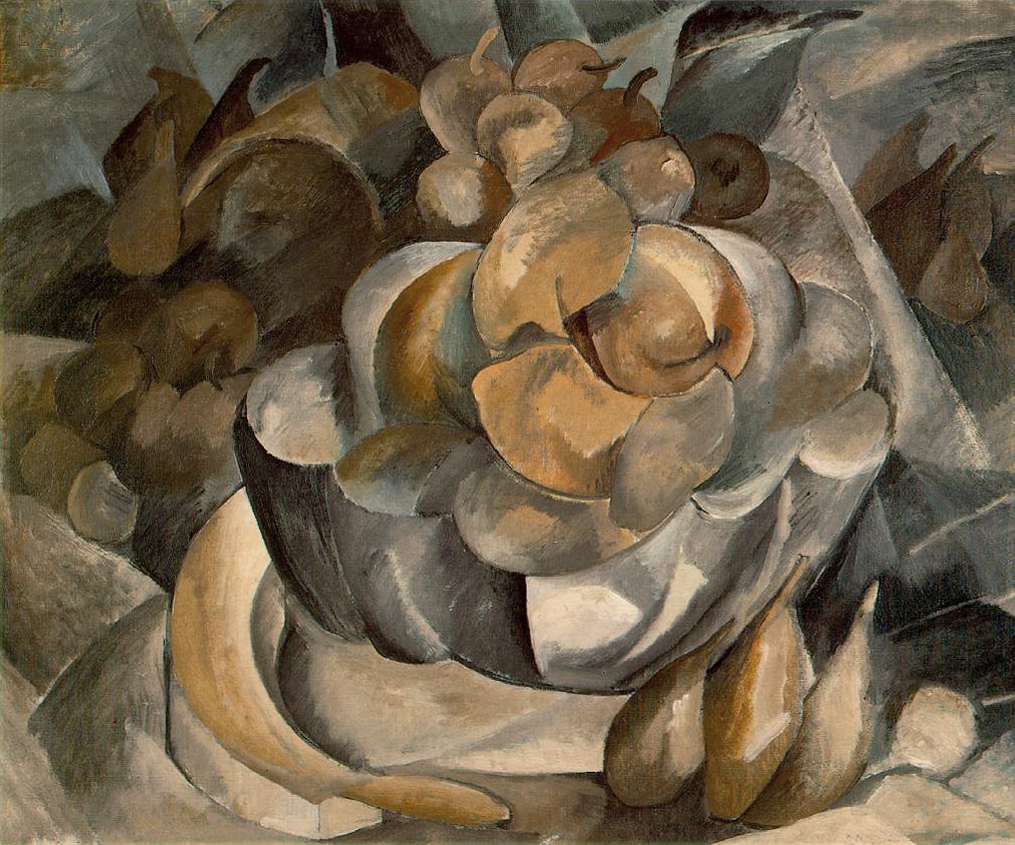
Fruit Dish
- Oil On Canvas
- WallArt
- Synthetic Cubism
- 1908
- 54.0 x 65.0 cm
The Genesis of Cubism: A Still Life Reimagined
Georges Braque's Fruit Dish, painted in 1908-09, isn’t merely a depiction of apples, oranges, and bananas arranged within a bowl; it’s a pivotal moment in the birth of Cubism – an artistic revolution that fundamentally altered how we perceive and represent reality. Born in Argenteuil, France, Braque's early training as a house painter instilled a deep understanding of materials and structure, a foundation he skillfully combined with his burgeoning artistic vision. This work represents a deliberate departure from traditional still life conventions, moving beyond simple representation towards an exploration of form, space, and the very nature of visual perception. The painting emerged during a period of intense experimentation within the Parisian art scene, fueled by influences ranging from Paul Cézanne’s geometric explorations to the radical ideas circulating amongst Picasso and other avant-garde artists.
Collage and the Fragmentation of Reality
What truly distinguishes Fruit Dish is its innovative use of papier collé – a technique that would become inextricably linked to the development of Synthetic Cubism. Braque, while traveling with his friend Pablo Picasso, stumbled upon a roll of faux bois wallpaper depicting stylized oak panels at a shop in Avignon. Recognizing its potential, he meticulously cut and pasted fragments of this printed paper onto a canvas, layering it with charcoal lines and gouache. This seemingly simple addition dramatically transformed the painting, introducing an element of artificiality and challenging the illusion of depth traditionally achieved through perspective. The wallpaper’s inherent flatness – a deliberate contrast to the painted fruit – forces the viewer to reconsider their relationship with the image, questioning what is “real” and what is constructed.
- Papier Collé: Braque's pioneering use of this technique involved cutting and pasting printed paper onto canvas.
- Layered Composition: The painting features a complex layering of charcoal lines, gouache, and the textured wallpaper.
- Juxtaposition of Materials: The combination of painted fruit and pasted paper creates a dynamic tension between representation and abstraction.
Symbolism and the Deconstruction of Form
Beyond its technical innovations, Fruit Dish is rich in symbolic meaning. The arrangement of the fruits – apples, oranges, and bananas – can be interpreted as representing abundance, nourishment, and perhaps even a subtle commentary on consumer culture. The bowl itself acts as a central organizing element, yet it’s fragmented and distorted, mirroring the fractured perspective characteristic of Cubism. Braque wasn't simply depicting objects; he was dissecting them, breaking them down into their essential geometric components and reassembling them in an entirely new way. The inclusion of the potted plant on the left side adds a touch of nature, grounding the still life within a broader context while simultaneously highlighting its artificiality.
A Legacy of Innovation
Fruit Dish stands as a landmark work in the history of modern art. It’s not just a beautiful painting; it's a demonstration of Braque’s intellectual rigor and his willingness to push the boundaries of artistic convention. The techniques he pioneered – particularly the use of papier collé – would profoundly influence artists like Picasso, Matisse, and others, shaping the trajectory of 20th-century art. Reproductions of this iconic piece offer a remarkable opportunity to experience firsthand the genesis of Cubism and appreciate Braque’s groundbreaking contribution to our understanding of form, space, and perception. Its enduring appeal lies in its ability to simultaneously challenge and delight, inviting viewers to engage with the image on multiple levels.
კითხვები და პასუხები
რა საერთო აქვს „Fruit Dish“-ს ჟორჟ ბრაკე-ის სხვა ნამუშევრებთან?
"Fruit Dish"-ს ჟორჟ ბრაკე-ის სხვა ნამუშევრებთან საერთო აქვს Synthetic Cubism სტილი და განმეორებადი თემები: cézanne, picasso, collage techniques, avant-garde, modernist experimentation”, “spatial distortion, fragmented forms”, breaking conventions.
სად და რა დანიშნულებისთვის არის რეკომენდებული "Fruit Dish"?
"Fruit Dish" რეკომენდებულია Reflective-ისთვის, ხოლო საუკეთესო სივრცე არის Living Room."
ჟორჟ ბრაკე-ის შემოქმედების რომელი პერიოდის ნაწილია "Fruit Dish"?
"Fruit Dish" წარმოადგენს ჟორჟ ბრაკე-ის შემოქმედებით პერიოდს: Synthetic Cubism.
ჟორჟ ბრაკე (1882 – 1963)
გაითვალისწინებათ მეგობრებო! გიორგი ბრაკე ფრანგი მხატვარი და კუბიზმის პლენერა იყო და მისი ნაწარმოებები სხეპს და სიცნებას ახალი დონემდე გააჩნდათ. აღნიშნული მეგობრებო და შეფასებათა დამახასიათებელი ბრაკის ძირითადი კოლაჟები და სახლები ლესტაკზე და სხვებიდან არის და მისი მნიშვნელოვანი როლი კუბიზმის ისტორიაშია და მის მიერ შექმნილი ნაწარმოებები მოდელი და ინსპირაცია არიან სხვა მხატვრებისთვის და ბრაკის გავლე
ნამუშევრის შესახებ
- სათაური: Fruit Dish
- ავტორი: ჟორჟ ბრაკე
- წელი: 1908
- ორიგინალის ზომები: 54.0 x 65.0 cm
- ფორმატი: Landscape
- საავტორო უფლების სტატუსი: საავტორო უფლებებით დაცულია
- მოძრაობა: Synthetic Cubism
- მასალის ტიპი: WallArt
- კორპუსის კონტექსტი: cézanne , breaking conventions
- ფერების პალიტრა: Earthy
მოკლე ფაქტები
- Artist: Georges Braque
- Notable elements: Papier collé, fragmented forms
- Location: Moderna Museet, Stockholm
- Dimensions: 54 x 65 cm
- Artistic style: Synthetic Cubism
- Title: Fruit Dish
