
 미리보기

 공유하기
 공유하기
 상세 정보
 가이드 보기


 다운로드
 유사 작품 더 보기
 X-레이
 슬라이드 쇼 보기
 질의응답
 통계 정보
Self-Portrait

- 52.0 x 42.0cm

 더 보기
지클레 / 아트 프린트
빠른 제작과 다양한 마감 옵션을 제공하는 박물관 수준의 지클레이 및 캔버스 프린트. ( 수작업 채색 복제본 주문하기 디지털 이미지로 전환)
































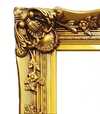
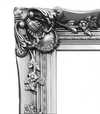
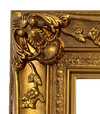
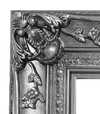
작품의 원본 비율을 그대로 유지하는 프리셋 사이즈 중에서 선택해 보세요.

액자나 벽면 크기에 맞춰 필요한 가로와 세로 길이를 입력해 주세요. 프린트는 원본 이미지보다 크게 제작할 수 없으며 오직 자르는 것만 가능하므로, 비율이 다른 사이즈를 선택할 경우 이미지의 일부가 잘려 나갈 수 있습니다. 인쇄 작업에 들어가기 전, 최종 확인을 위해 디지털 목업을 보내드립니다. 이 페이지에 표시된 이미지는 실제 잘리는 영역을 나타내지 않으며, 오직 목업을 통해서만 정확한 확인이 가능합니다.


 유리 옵션은 110cm 미만 크기에서만 선택 가능합니다.

Self-Portrait
지클레 / 아트 프린트
복제본 크기
-


최종 결제 금액
₩ 82152
유사한 작품들


작가 정보
A Life Between Borders
Anton Ebert entered the world in 1845 at Kladrau Castle near Mies, Bavaria. His early years were shaped by the structured surroundings of the Windisch-Graetz family estate, where his father served as the royal treasurer. This childhood setting provided a foundation for a life that would eventually span several European cultural centers.
His path as an artist led him from the Prague Academy to the studios of Vienna. It was there that he studied under Ferdinand Georg Waldmüller, an instructor whose approach to subject matter and palette left a lasting mark on his technique. While his roots were in Bohemia, Ebert’s movements took him through Berlin and eventually into the heart of Russia around 1870. This migration allowed him to observe a wide variety of lives, from the aristocratic circles of the Imperial family to the rural populations of the Russian countryside.
He spent his final years in Vienna, where he passed away on 16 June 1896. His life was defined by this movement between different landscapes and social strata.
The Art of Observation
Ebert’s work focused heavily on the human figure, particularly children and women. He possessed a particular skill for capturing the textures of daily existence, whether through the heavy fabrics of a peasant's clothing or the delicate details of a formal portrait. His paintings often documented specific cultural identities, such as the traditional folk attire found in his 1879 work, Girl in Folk Costume.
His approach to painting was grounded in realism and a meticulous attention to detail. He used oil on canvas and panel to render skin, fabric, and light with great precision. While some of his portraits leaned toward the classical, others captured more intimate, everyday scenes:
- Portraits of the aristocracy and members of the Imperial family.
- Genre scenes depicting merchants and peasants.
- Landscapes focused on the surroundings of Vienna.
- Miniature portraits executed on ivory.
In works like The Mellon Seller, he applied a realistic style to depict a young woman with watermelons, focusing on the physical reality of the scene. He also drew from his own memories of Kladrau Castle to create scenes involving children, often using the family members of the Windisch-Graetz house as models.
A Lasting Record
Ebert’s significance lies in his role as a documentarian of 19th-century life. Through his portraits and genre paintings, he recorded the customs, costumes, and faces of a period undergoing rapid change. His ability to move between the formal requirements of portraiture for royalty and the honest depiction of ordinary people allowed him to create a broad visual record of his era.
His pieces are held in various collections across Europe, including the Museum of Vienna, the Roumianzeff Museum in Moscow, and the Mainz Art Gallery. These works remain as physical links to the social structures and regional identities of the late 1800s.

Anton Ebert
1845 - 1896 , Czech Republic
작가 정보 요약
- Artistic Movement Or Style: Realism and Historicism
- Artists Who Influenced This Artist: ['Ferdinand Georg Waldmüller']
- Full Name: Anton Ebert
- Nationality: Czech or German
- Notable Artworks:
- Girl in Folk Costume
- An Elegant Lady
- The Mellon Seller
- Grandmother's Recovery
- Spring In The Woods
- Place Of Birth: Kladruby, Bohemia
- Date Of Birth: 1845
- Date Of Death: 1896
관련 콘텐츠

제임스 애벗 맥닐 휘슬러 최고 걸작 25선: 예술의 정수, 공간에 스며드는 아름다움
제임스 애벗 맥닐 휘슬러의 최고 걸작 25선을 만나보세요. 야간 풍경부터 아랑미술관 소장품까지, 예술가의 삶과 작품 세계를 탐험합니다. 색채와 분위기가 완벽한 조화를 이루는 그림들을 WikiOO.org에서 감상하고 특별한 공간을 완성하세요.

Masterpieces of Albrecht Dürer: The Top 25 Essential Artworks
Explore 25 iconic Albrecht Dürer masterpieces from the German Renaissance. Discover the genius of these legendary works on WikiOO.org.

Masterpieces of Elegance: The Top 25 Artworks by Anthony van Dyck
Explore 25 iconic masterpieces by Anthony van Dyck. Discover the elegance of Flemish Baroque art. Explore the full collection online at WikiOO.org

The Echo of Self: Reflectivity as a Core Theme in Art History & Contemporary Practice
Explore the rich history of self-representation in art, from Renaissance masters to modern innovators. Discover how artists use portraiture to reveal identity, emotion & the depths of the human psyche. Expert insights for collectors.

에곤 시엘레 최고 걸작 25선: 삶과 죽음의 강렬한 표현 | WikiOO
에곤 시엘레 최고 걸작 25선을 만나보세요. 표현주의 화가 시엘레의 삶과 죽음, 불안을 담은 인물화 작품들을 감상하고 그 의미를 탐구합니다. WikiOO에서 명작 복제본으로 예술적인 공간을 완성하세요. 지금 바로 컬렉션을 확인하세요!