

 실제 크기로 보기
 보내기
보내기 공유하기
공유하기
 상세 보기
상세 보기 가이드 보기

 이미지 다운로드
 유사 작품 더 보기
 X-레이
X-레이 슬라이드 쇼 보기
 통계 정보
통계 정보Forging Files
 Contemporary Realism
 1918
1918 31.0 x 47.0 cm
 상세 보기
상세 보기
지클레 / 아트 프린트
빠른 제작과 다양한 마감 옵션을 선택할 수 있는 박물관 수준의 지클레이 및 캔버스 프린트. ( 수작업 채색 복제본 주문하기 디지털 이미지 판매 채널로 전환)




































작품의 원본 비율을 그대로 유지하는 프리셋 사이즈 중에서 선택해 보세요.

액자나 벽면 크기에 맞춰 필요한 가로와 세로 길이를 입력해 주세요. 프린트는 원본 이미지보다 크게 제작할 수 없으며 오직 자르는 것만 가능하므로, 비율이 다른 사이즈를 선택할 경우 이미지의 일부가 잘려 나갈 수 있습니다. 인쇄 작업에 들어가기 전, 최종 확인을 위해 디지털 목업을 보내드립니다. 이 페이지에 표시된 이미지는 실제 잘리는 영역을 나타내지 않으며, 오직 목업을 통해서만 정확한 확인이 가능합니다.


 유리 옵션은 110cm 미만 크기에서만 선택 가능합니다.

Forging Files
지클레 / 아트 프린트
복제본 규격
-


총 결제 금액
₩ 82807
Artistic Style and Composition
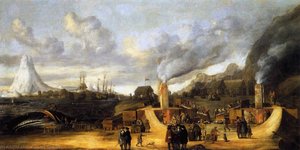
The painting depicts a busy factory scene with several workers engaged in various tasks, surrounded by machinery and equipment. The artist's use of warm colors and soft lighting creates a sense of comfort and familiarity, drawing the viewer into the scene. The composition is well-balanced, with the workers and machines arranged in a harmonious manner, conveying a sense of order and productivity. Key Features of the painting include:- The attention to detail in the depiction of the factory equipment and machinery
- The use of chiaroscuro to create depth and dimensionality in the scene
- The sense of movement and energy conveyed by the workers' poses and facial expressions
Historical Context and Significance
The painting Forging Files is not only a remarkable work of art but also a historical document, providing insight into the industrial era and the lives of workers during that time. The early 20th century was a period of significant change and growth, with the rise of industrialization and the development of new technologies. As seen in the life of Mustafa Kemal Atatürk, a Turkish field marshal, revolutionary statesman, and founder of the Republic of Turkey, who played a crucial role in modernizing his country, https://en.wikipedia.org/wiki/Mustafa_Kemal_Atat%C3%BCrk.The State Art Museum of Uzbekistan, established in 1918, also houses an impressive collection of artworks, including paintings and sculptures, representing various historical periods, /art/list/?Filter=A@D3BCC3-The-State-Art-Museum-of-Uzbekistan-Tashkent.
Conclusion
The painting Forging Files by Edward Frederick Skinner is a significant work of art that provides a glimpse into the industrial era and the lives of workers during that time. Its historical context and artistic style make it a valuable piece for art enthusiasts and historians alike. For those interested in purchasing handmade oil painting reproductions, visit https://WikiOO.org to explore their collection of artworks by renowned artists such as Suzanne Valadon, Pavel Filonov, and Charles Rettew Sheeler Junior.질의응답
Edward Frederick Skinner의 "Forging Files"은(는) 어떤 색채 조화를 보여주나요?
"Forging Files"의 색채 조화는 Discordant Palette로 기록되어 있습니다.
Edward Frederick Skinner의 "Forging Files"의 색감은 선명한가요, 아니면 차분한가요?
Edward Frederick Skinner의 "Forging Files"은(는) Muted의 채도와 Monochromatic의 강도로 기록되어 있습니다.
Edward Frederick Skinner의 "Forging Files"의 형태와 크기는 어떻게 되나요?
"Forging Files"의 형식은 Landscape이며, 원작의 크기는 31 x 47 cm입니다. 두 정보 모두 복제본 제작을 계획할 때 유용합니다.
관련 작품들




작가 소개
The Chronicler of the Industrial Soul
Edward Frederick Skinner, a name synonymous with the gritty, unvarnished reality of Britain’s industrial zenith, occupied a unique space in the early 20th-century art world. Born in London in 1865, Skinner emerged during an era defined by rapid technological expansion and a profound shift in the social fabric of the nation. While many of his contemporaries sought refuge in the ethereal beauty of idealized landscapes or the timeless grace of mythological subjects, Skinner turned his gaze toward the smoke-filled horizons of factories, mills, and workshops. His work serves as a visceral window into an age of iron and steam, capturing the transformative impact of machinery upon the human spirit and the physical landscape of England.
His artistic foundation was laid within the prestigious halls of the Slade School of Fine Art, where he underwent rigorous training under the watchful eyes of masters such as Frederic Leighton and Joseph Hooker. This academic lineage bestowed upon him a meticulous command of traditional techniques and an unwavering commitment to precision. It was this very discipline that allowed him to approach industrial subjects not with mere observation, but with a profound anatomical and structural accuracy. Skinner did not merely paint machines; he understood their weight, their texture, and the way they interacted with the light and the laborers who tended them.
A Realist Vision of Progress and Labor
The true essence of Skinner’s oeuvre lies in his refusal to romanticize the hardships of the working class. His breakthrough came through a seriesed of paintings that documented the pulsating heart of British industry. In works such as File Cutters, created in 1917, he captures the quiet intensity of women engaged in factory production. Through his brush, the rhythmic movement of sewing machines and the focused expressions of the laborers become symbols of a collective national effort. He utilized light not to soften the harshness of the factory floor, but to illuminate the dignity found within strenuous toil.
Skinner’s mastery of composition allowed him to weave complex narratives of productivity and order. In Forging Files, he employs a sophisticated use of warm colors and soft lighting to create a sense of familiarity within the industrial setting, yet he maintains an unflinching eye for the mechanical details that define the era. His ability to balance the monumental presence of heavy machinery with the delicate human elements of his subjects created a tension that mirrored the societal shifts of his time. Whether depicting the heat of a forge or the organized chaos of a machine shop, Skinner’s canvases act as historical documents, preserving the atmosphere of an era that was rapidly being reshaped by the very tools he so lovingly rendered.
War, Propaganda, and Lasting Legacy
As the shadows of World War I descended upon Europe, Skinner’s artistic mission took on a new, more urgent dimension. His talent was harnessed for the purpose of documentation and national morale, leading to commissions from the British Government. During this period, his work became an essential component of a concerted propaganda campaign, illustrating the vital role of munitions factories, naval shipyards, and the preparation of soldiers. In paintings like One of the Machine Shops, he captured the scale of wartime production, where large-scale weaponry and heavy transport were integrated into the daily landscape of labor.
The historical significance of Edward Frederick Skinner extends far beyond the aesthetic value of his oil paintings. He remains a pivotal figure for understanding the visual identity of the Industrial Age. His legacy is found in the way he bridged the gap between fine art and social documentation, elevating the factory floor to the status of a worthy subject for high art. Today, his works, many of which are preserved in institutions like the Science Museum in the United Kingdom, continue to offer profound insights into the evolution of manufacturing, the changing roles of women in the workforce, and the enduring, complex relationship between humanity and the machines we create.

Edward Frederick Skinner
1865 - 1924
작가 정보 요약
- Artistic Movement Or Style: Realism
- Artists Or Movements Influenced By This Artist: ['Arts and Crafts Movement']
- Artists Who Influenced This Artist: ['William Morris']
- Date Of Birth: 1865
- Date Of Death: 1924
- Full Name: Edward Frederick Skinner
- Nationality: British
- Notable Artworks:
- Factory Scene I
- Coal Mine Landscape
- Place Of Birth: London, England
관련 기사

에드워드 호퍼 최고 걸작 25선: 미국의 고독을 담은 명화 컬렉션 | WikiOO
에드워드 호퍼의 시대를 초월하는 25개의 명작을 만나보세요. 미국의 고독과 도시 풍경을 담은 회화 작품들을 감상하고, WikiOO.org에서 고품질 미술 복제본으로 당신의 공간을 특별하게 꾸며보세요. 지금 바로 컬렉션을 탐험하세요!

The Enduring Legacy of Oil on Canvas: Technique, History & Aesthetic Impact
Explore the rich history & techniques of oil painting – from Renaissance masters to Impressionism. Discover pigments, layering methods, and why this timeless medium endures. Expert insights for artists & art enthusiasts.

Oil on Canvas: A Historical & Technical Exploration of a Timeless Artistic Medium
Explore the rich history & enduring techniques of oil painting on canvas. Discover the science behind its longevity, conservation practices, and contemporary relevance. Expert insights for art enthusiasts.

The Enduring Power of Painting: A Historical & Contemporary Exploration of Form and Emotion
Explore the rich history & enduring techniques of oil painting with WikiOO. Discover masterpieces, learn about art collecting, and find authentic handmade reproductions crafted by skilled artists.

Industrial Revolution on Canvas: 10 Artworks That Define a Modern Aesthetic
Explore 10 iconic artworks capturing the Industrial Revolution’s grit & beauty. From Monet to Manet, discover realism, impressionism & powerful scenes of urban life. Find museum-quality reproductions for your home at WikiOO.org.
