

- 240.0 x 320.0cm


 Visualizar na parede

 Compartilhar
 Compartilhar
 Detalhes
 Guia


 Baixar imagem
 Semelhantes
 Raio X
 Ver diaporama
 Perguntas e Respostas
 Estatísticas
Observe de perto
Cada detalhe, faithfully printed
Three spots of the painting, enlarged. Our giclée printing keeps each of them, at the size you choose.
i.
O coração da cena.
ii.
Luz e fundo.
iii.
A pincelada.
A pintura
Biografia do Artista
A Baroque painter known for his portraits and genre scenes. Discover the captivating works of Simon Peter Tilemann today.
 Ler mais

Simon Peter Tilemann
1601 - 1668, Germany
O pintor
Biografia do Artista
Early Life, Family and Training
Born in the town of Lemgo, Germany, on 23 July 1601, Simon Peter Tilemann entered a world where art was a matter of lineage and labor. He was the son of Johann Tilemann, a man who held the position of bailiff to Count Simon VI at Lippe and practiced the art of painting. This familial connection ensured that the boy’s path was shaped by the brush and the pigment from his earliest years. The household was one of movement and shifting fortunes, as his father had often traveled to the Netherlands to serve as an art agent.
Tragedy struck the family in 1614 when the mother of the children passed away. Following this loss, Johann moved his five children to the city of Bremen, a place where he had acquired citizenship some years prior. It was within the walls of this new home that Simon Peter Tilemann began his formal education in the visual arts. Under the watchful eye and steady hand of his father, he learned the discipline required of a painter, drawer, and printmaker. His training was thorough, rooted in the traditions passed down through his bloodline.
In those formative years in Bremen, his hands first learned the delicate art of painting flowers. This early focus on the natural world provided the foundation for his developing skill. He did not merely observe the blossoms; he learned to capture their essence through the careful application of color and form. This apprenticeship under his father prepared him for the many years of travel and diverse subjects that would eventually define his career.
Life and Work in Bremen and Vienna
After his formative years and travels through the Rhineland and Italy, Tilemann found himself establishing a life within the bustling atmosphere of Bremen. It was here that he entered into marriage with Clara Glandorp, a union that was settled before the 23rd of August in 1632. This period of his life was marked by the settling of his domestic affairs as he navigated the complexities of a professional career in the Northern Netherlands and beyond. However, the hand of fate is often unpredictable, and following the passing of Clara in 1645, he sought companionship once more. By the 23rd of February 1647, he had married Barbara de Herlin, continuing his life amidst the shifting tides of the mid-seventeenth century.
His reputation as a painter of significant skill eventually carried him toward the imperial courts. While his presence in various cities like Utrecht and Kassel shaped his development, it was in Vienna that his talent met the highest levels of patronage. It is said that during his time in the Austrian capital, he had the distinction of painting a portrait of Emperor Ferdinand III. Such an encounter speaks to the respect his hand commanded among the nobility. Whether his final days were spent in the familiar streets of Bremen or within the grandeur of Vienna remains a matter of some debate, though he departed this life in 1668.
Artistic Style and Notable Works
The hand of Simon Peter Tilemann found its greatest expression in the faces of men and the quiet drama of everyday life. While he possessed the skill to capture the stillness of flowers, his true reputation rested upon his portraits and genre scenes. During his time in Italy, the influence of the Caravaggist movement left its mark upon his style, shaping how he approached subject matter and light. This period of travel helped refine his ability to render the human form and the complexities of social interaction, moving him beyond the simple floral studies of his youth.
Beyond the intimate scale of a portrait or a domestic scene, he turned his attention to the grander narratives of history. He sought to capture movement and the weight of significant events through his brush, demonstrating a versatility that extended into the realm of still life. His compositions often sought to balance the quietude of a single object with the chaotic energy of a larger event. This range allowed him to navigate the different demands of the courts and the private collections of his era.
His ambition is visible in works that sought to depict the scale of antiquity and the fervor of conflict. In A Roman Triumphal Parade, he attempted to recreate the splendor of a bygone era, while A Roman Battle shows his capacity for handling the tension of historical struggle. These works reveal a painter who was as comfortable with the grandiosity of a parade as he was with the subtle nuances of a private sitter's gaze.
Informações rápidas sobre Simon Peter Tilemann
- Artistic Movement Or Style: Baroque, Caravaggist
- Artists Who Influenced This Artist: ['Caravaggist movement']
- Full Name: Simon Peter Tilemann
- Nationality: German
- Notable Artworks:
- A Roman Triumphal Parade
- A Roman Battle
- Portrait of Ferdinand III
- Place Of Birth: Lemgo, Germany
- Date Of Birth: 1601
- Date Of Death: 1668
Giclée / Impressão de Arte
Have it printed para você
Giclée / Impressão de Arte
Impressão giclée ou em tela de qualidade de museu, com produção rápida e opções flexíveis de acabamento. ( Comprar pintura feita à mão Alternar para Imagem Digital)

Sua comissão

A Roman Battle
Técnica de Reprodução
Tamanho da Reprodução
-

Moldura para Reprodução
-
-
Para obras de arte ou reproduções com mais de 105 cm (aproximadamente 41 polegadas) em qualquer um dos lados, a moldura será enviada como um kit desmontado. Este método garante uma entrega segura e evita danos durante o transporte.
Montagem profissional necessária — este não é um produto DIY (faça você mesmo).
O kit deve ser montado e a tela esticada por um profissional de molduraria experiente, utilizando cola de madeira (não inclusa), um alicate de esticar tela e grampos para manter as travessas alinhadas enquanto a cola seca. A montagem incorreta ou a tensão desigual da tela podem danificar permanentemente a obra de arte e não estão cobertas pela nossa garantia.
 Para obras de arte ou reproduções com mais de 105 cm (aproximadamente 41 polegadas) em qualquer um dos lados, a moldura será enviada como um kit desmontado. Este método garante uma entrega segura e evita danos durante o transporte.
Todas as barras de madeira maciça estão incluídas, precisamente cortadas ao tamanho certo.
Montado com os parafusos fornecidos, além de cola para madeira para as junções dos cantos, que não está inclusa e deve ser providenciada pelo seu moldurista.
São necessárias ferramentas profissionais não incluídas: um alicate de estiramento de tela (esticador) e grampos para manter as ripas alinhadas enquanto a cola seca.
Importante:
As junções dos cantos requerem cola para madeira, as ripas devem ser mantidas com grampos até que a cola esteja completamente seca, e o estiramento da tela na moldura montada requer um alicate de esticar tela. Nenhum destes itens está incluído no kit. Por favor, certifique-se de contar com um profissional de molduraria experiente antes de encomendar este tamanho.

Etiqueta de identificação
-
-

Verniz de Proteção
Verniz brilhante (realça as cores e protege contra a luz e a umidade)
-

Urgente
Entrega mundial () em 2 semanas, em vez do prazo padrão de 4/5 semanas. (21 Novembro)
-
Envio Expresso
Entrega mundial () em 4 a 5 semanas. (28 Novembro).
Com envio incluído
Preço Total
€ 55
A opção de vidro está disponível apenas para tamanhos inferiores a 110 cm
i.
Escala
A medida original é 240.0 x 320.0cm. Deslize para a sua parede: cada tamanho mantém as suas proporções.
Escolha entre os nossos tamanhos pré-definidos que respeitam as proporções originais da obra de arte.

Insira a largura e a altura desejadas para se ajustarem à sua moldura ou parede. Uma impressão pode ser apenas cortada, nunca ampliada além da imagem original; portanto, um tamanho com proporções diferentes resultará na perda de parte da imagem. Enviamos uma maquete digital para sua aprovação antes de realizarmos a impressão. A imagem exibida nesta página não mostra o corte real — apenas a maquete o faz.
ii.
Moldura
A moldura é desenhada sobre a pintura em sua largura real.
Com moldura

Branco €1

Bordas esfumaçadas €1

Bordas estendidas €1

P118B €10

P118H €10

P118W €10

P438Z €10

P508JH €12

P508YH €12

P805H €10

P805Z €10

P919BZ €10

P919G €10

P919XJ €10

P959ZH €10

P968JZ €12

W106C €8

W218G €10

W218JH €8

W218Y €10

W307PJ €10

W316G €10

W316PJ €8

W316Y €10

W398PJ €8

W4111J €10

W500HY €15

W500JH €15

W692G €12

W849H €8

W940BG €15

W953PJ €8
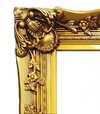
H24-GOLD €30
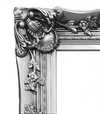
H24-SILVER €30
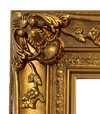
H36-GOLD €45

H36-SILVER €45
iii.
Técnica e Material
Canvas is printed with giclée inks and can be stretched or framed like a painting; paper comes flat, or framed behind glass.
A opção de vidro está disponível apenas para tamanhos inferiores a 110 cm
iv.
Acabamento
Placa de identificação, verniz e entrega.
Etiqueta de identificação
Detalhes da Placa de Bronze Gravada
This elegant plaque features the artist's name and the title of the artwork, finely engraved for a timeless presentation.
It is made from bronze with a refined, elegant finish. The text is precisely laser-engraved for a sharp and permanent result. Measuring 9x2 cm, the plaque is compact yet easy to read. It's built to be durable and scratch-resistant, offering a professional, museum-quality look. Mounting is simple thanks to the included adhesive backing.
Detalhes da Placa de Acrílico Transparente
The plaque includes essential engraved details such as the artist's name, the title of the artwork, the date it was created, the type of media used-like oil on canvas or watercolor-a brief description of the piece, and a QR code that links to the complete artwork information.
It is crafted from clear acrylic, offering a sleek, modern appearance. The text is UV-engraved in black to ensure strong visual contrast. With a size of 10x15 cm, it ensures optimal readability. It comes equipped with two metal hooks for secure wall mounting. The plaque is designed to be weather-resistant, making it suitable for various environments, and it includes interactive features that work seamlessly with smartphone scanning.
Detalhes da Placa de Acrílico Preto
This elegant plaque includes engraved information such as the artist's name, the title of the artwork, the date it was created, the type of media used (like oil on canvas or watercolor), a short description of the artwork, and a QR code for quick access to more information.
The plaque itself is made from refined black acrylic with a premium finish. The text is laser-engraved in white for high contrast and readability. Its size is 10x15 cm, designed to be easy to read. It comes with two metal hooks for professional mounting. The design is sleek and fits any interior style. It is also weather-resistant and durable, with built-in digital integration for mobile compatibility.
Verniz de Proteção
Produção Urgente
Entrega mundial () em 2 semanas, em vez das 4/5 semanas padrão. (21 Novembro)
- Envio expresso gratuito para todo o mundo
- Tela de Linho de Alta Qualidade
- Seguro de transporte completo
- Garantia de Reembolso de Impostos Alfandegários
- Garantia de Fidelidade Cromática
- Política de Devolução em 100 Dias (Apenas para Defeitos)
- Garantia de reembolso de 100%
- Oferta de desconto por quantidade


Curiosidades e quiz de arte
Obras Relacionadas


