

 Visualizar na parede
 Compartilhar
 Compartilhar
 Detalhes
 Guia
Guia

 Baixar imagem
 Semelhantes
 Raio X
 Ver diaporama
 Estatísticas
Satyr


 Ler mais
Reprodução em Óleo Feita à Mão
Óleo sobre tela pintado à mão no tamanho e moldura de sua escolha, feito sob encomenda pelos nossos artistas. ( Alternar para Impressão Alternar para Imagem Digital)




P118B €10

P118H €10

P118W €10

P438Z €10

P508JH €12

P508YH €12

P805H €10

P805Z €10

P919BZ €10

P919G €10

P919XJ €10

P959ZH €10

P968JZ €12

W106C €8

W218G €10

W218JH €8

W218Y €10

W307PJ €10

W316G €10

W316PJ €8

W316Y €10

W398PJ €8

W4111J €10

W500HY €15

W500JH €15

W692G €12

W849H €8

W940BG €15

W953PJ €8




Escolha entre os nossos tamanhos pré-definidos que respeitam as proporções originais da obra de arte.

Insira a largura e a altura desejadas para se ajustarem à sua moldura ou parede. Como esta obra é pintada à mão, para um tamanho com proporções diferentes, o artista poderá pintar um pouco mais ao redor da imagem ou reduzir ligeiramente a composição — você escolhe. Enviamos uma maquete digital para sua aprovação antes de iniciar a pintura. A imagem exibida nesta página não representa o resultado real — apenas a maquete mostra o resultado final.
Após o pedido, a equipa WikiOO.org enviará um e-mail ao cliente para solicitar instruções e fornecer uma prévia do esboço.
Entrega mundial () em 3 a 4 semanas, em vez das 5 semanas padrão. (27 Outubro). Sem comprometer a qualidade.

Envio expresso gratuito para todo o mundo

Tela de Linho de Alta Qualidade

Seguro de transporte completo

Garantia de Reembolso de Impostos Alfandegários

Garantia de Fidelidade Cromática

Política de Devolução em 100 Dias (Apenas para Defeitos)

Garantia de reembolso de 100%

Oferta de desconto por quantidade
 A opção de vidro está disponível apenas para tamanhos inferiores a 110 cm

Satyr
Técnica de Reprodução
Tamanho da Reprodução
-


Preço Total
€ 233
The Mythic Embrace of Benvenuto Cellini's Satyr
Benvenuto Cellini’s “Satyr” stands as a captivating testament to the dynamism and sensual allure that defined the Mannerist period in Italian art. Completed around 1545, this bronze sculpture transcends mere representation; it embodies the very spirit of Dionysian revelry and the untamed beauty of the natural world. More than just a depiction of a mythological creature, Cellini’s satyr is an embodiment of potent emotion – a moment frozen in time, brimming with both mischievous energy and a profound, almost melancholic contemplation.
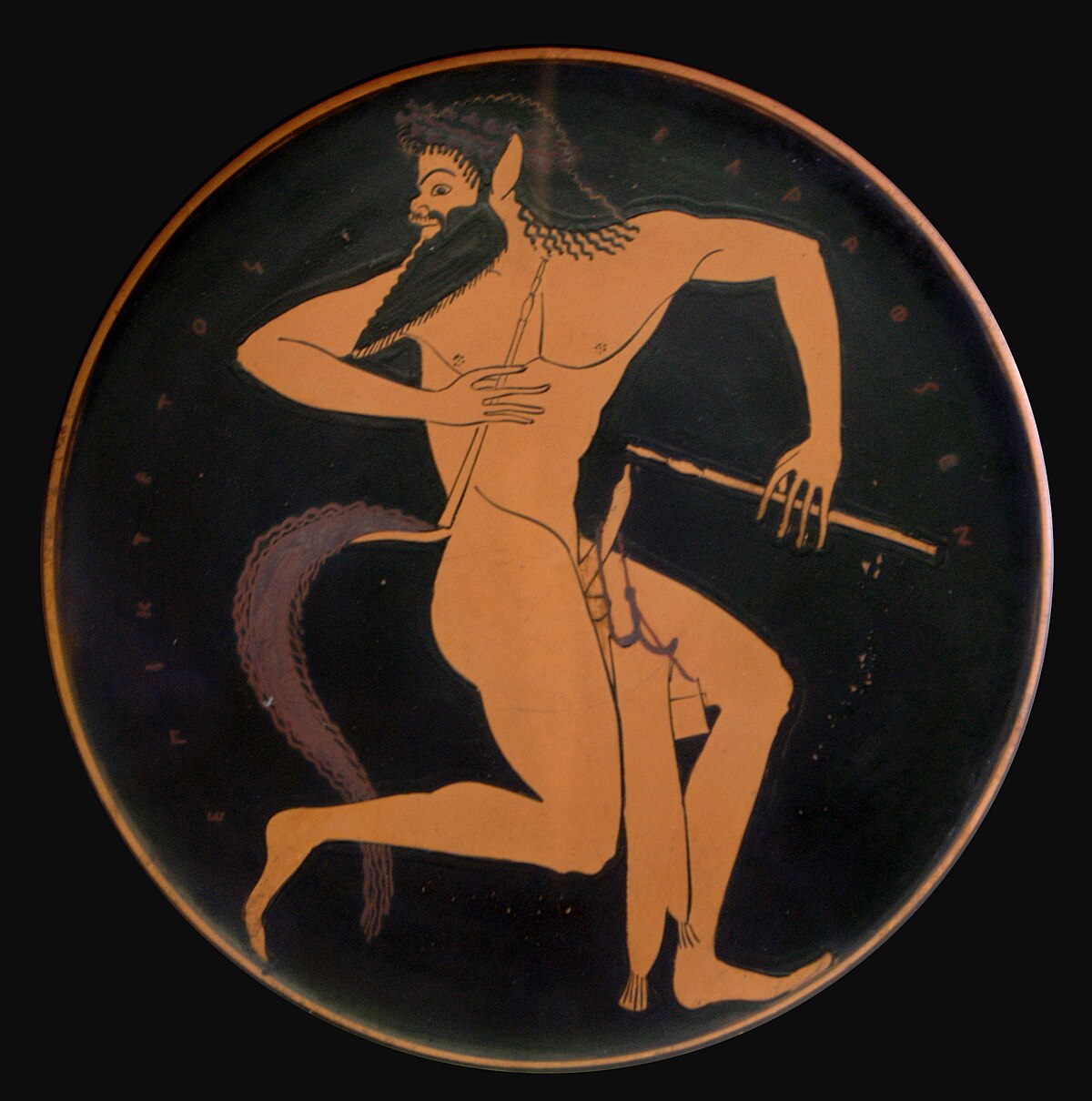
The sculpture itself is a marvel of technical skill and expressive form. Standing nearly four feet tall, the satyr is rendered in a remarkably realistic style, yet imbued with an unmistakable Mannerist flair. His muscular physique, accentuated by the strong lines of his arms and belly, speaks to a primal vitality – a celebration of the body’s inherent power. The details are exquisite: the unruly curls of his hair, the intense gaze of his eyes, the subtle suggestion of a mischievous grin. Notably, the bronze is treated with a rich, aged patina that adds depth and character, hinting at the passage of time and the sculpture's journey through history.
A Glimpse into Renaissance Mythology
Cellini’s satyr isn’t simply a charming figure from Greek mythology; it’s deeply rooted in the cultural context of the 16th century. Satyrs, companions to the god Dionysus, were traditionally associated with wildness, intoxication, music, and fertility – potent symbols of human desires and impulses. In Renaissance Florence, these themes resonated powerfully, particularly within the circles of artists and intellectuals who sought to reconcile classical ideals with contemporary sensibilities. Cellini’s work reflects this complex interplay, capturing both the exuberance and the underlying melancholy inherent in the satyr's existence.
The sculpture’s creation coincided with Cellini’s time at the court of Francis I of France, a period marked by lavish patronage and an embrace of Mannerist aesthetics. This royal commission further elevated the work, imbuing it with a sense of grandeur and sophistication. The choice of bronze as the medium itself is significant – a material prized for its durability, luster, and ability to capture intricate detail.
Symbolism and Artistic Technique
Beyond its mythological subject matter, “Satyr” is rich in symbolic meaning. The satyr’s gesture—raised hand, as if reaching out or beckoning—suggests an invitation into a world of pleasure and abandon. The sculpture's composition, with the satyr presented in profile, creates a sense of intimacy and immediacy, drawing the viewer into his gaze. Cellini masterfully employed techniques such as *repoussé* (hammering metal from the reverse side to create relief) and *chasing* (using tools to refine the surface of the metal), demonstrating his exceptional skill as a goldsmith and sculptor.
The sculpture’s hollow back, filled with fragments of burnt clay and wooden pegs, is particularly intriguing. This deliberate inclusion suggests a layering of meaning—a reference to the satyr's connection to the earth and the cyclical nature of life and death. It also hints at Cellini’s own fascination with materials and his desire to create works that were both beautiful and intellectually stimulating.
A Timeless Masterpiece
Benvenuto Cellini’s “Satyr” remains a powerful and evocative work of art, captivating viewers with its blend of mythological narrative, technical brilliance, and emotional depth. It is a window into the Renaissance world—a celebration of human creativity, sensual desire, and the enduring power of myth. Reproductions by WikiOO offer an exceptional opportunity to bring this iconic masterpiece into your home or office, allowing you to appreciate its beauty and complexity for years to come.
Perguntas e Respostas
Como posso descobrir obras de arte semelhantes a "Satyr", de Benvenuto Cellini?
Obras de arte semelhantes a "Satyr", de Benvenuto Cellini podem ser encontradas na página de Obras semelhantes desta obra.
As cores de "Satyr" são vibrantes ou suaves?
"Satyr", de Benvenuto Cellini apresenta uma saturação Clear Color Presence e uma intensidade Vivid.
A qual movimento artístico pertence "Satyr", de Benvenuto Cellini?
"Satyr", de Benvenuto Cellini pertence ao movimento Mannerist Renaissance. Este movimento fornece o contexto estilístico da obra.
Obras Relacionadas


Biografia do Artista
Benvenuto Cellini: Um Gênio Renascentista Entre a Arte e a Aventura
Benvenuto Cellini, um nome que ressoa com a exuberância e o espírito indomável do Renascimento italiano, foi muito mais do que um simples artista. Ele personificou a figura do homem universal, dominando a ourivesaria, a escultura, a música, a escrita e até mesmo as artes da guerra. Sua vida, narrada em uma autobiografia vibrante e reveladora, é uma crônica fascinante de ambição, talento, perigo e triunfo, oferecendo um vislumbre único do mundo artístico e social da Itália nos séculos XVI.
Da Música à Ourofexaria: A Formação de um Artista Multifacetado
Nascido em Florença em 1500, filho de um músico e fabricante de instrumentos, Cellini inicialmente demonstrou aptidão para a música. No entanto, aos quinze anos, sua paixão pela arte o levou a convencer seu pai a permitir que aprendesse a arte da ourivesaria com Marcone. Essa decisão marcaria o início de uma jornada artística extraordinária, embora não isenta de desafios. Aos dezesseis anos, envolvido em um confronto, foi banido de Florença e passou um período trabalhando em Siena sob a tutela do ourives Fracastoro. Essas experiências iniciais moldaram seu caráter e aprimoraram suas habilidades técnicas, lançando as bases para o sucesso futuro.
Obras-Primas que Encarnam o Espírito Mannerista
A genialidade de Cellini se manifesta em uma série de obras-primas que exemplificam o estilo Mannerista, caracterizado pela dramaticidade, a elegância e a complexidade. O *Altar da Catedral de Florença*, embora inacabado, demonstra sua ambição monumental. No entanto, é o *Cálice de Sal para Francisco I* que se destaca como talvez sua obra mais famosa – uma peça deslumbrante em prata e esmalte, repleta de figuras dinâmicas e detalhes intrincados, atualmente abrigada no Kunsthistorisches Museum em Viena. A escultura *Perseu com a Cabeça de Medusa*, exibida na Loggia dei Lanzi em Florença, é outro testemunho de sua maestria técnica e composicional, capturando o momento triunfal do herói grego com uma expressividade impressionante. Além disso, suas medalhas, como a dedicada a Leda e o Cisne, revelam sua habilidade em combinar mitologia clássica com um requinte artesanal inigualável.
A Autobiografia: Um Retrato Íntimo de um Artista
Além de seu talento artístico, Cellini deixou um legado literário duradouro através de sua autobiografia. Escrita em um estilo vívido e pessoal, a obra oferece uma visão privilegiada da vida de um artista renascentista, repleta de anedotas sobre patronos, rivalidades e aventuras pessoais. Embora por vezes tendenciosa e autoelogiativa, a autobiografia é uma fonte inestimável para compreender o contexto artístico, social e cultural da época. Através de suas palavras, somos transportados para um mundo de intrigas palacianas, festas extravagantes e paixões intensas, revelando a personalidade complexa e multifacetada de Benvenuto Cellini.
Um Legado Duradouro: O Artista Como Ícone do Renascimento
Benvenuto Cellini faleceu em Florença em 1571, deixando para trás um legado artístico e literário que continua a inspirar admiração e fascínio. Sua habilidade técnica, sua inovação artística e sua autobiografia cativante o consagraram como uma das figuras mais importantes do Mannerismo. Ele personifica o ideal renascentista – um homem de múltiplas habilidades, impulsionado pela ambição e ousado em expressar sua individualidade. Suas obras, celebradas por sua beleza, artesanato impecável e poder dramático, garantem seu lugar como um dos pilares da história da arte ocidental.

Benvenuto Cellini
1500 - 1571 , Itália
Dados Rápidos
- Artistas Que Influenciaram Este Artista: ['Michelangelo']
- Data De Falecimento: 13 de fevereiro de 1571
- Data De Nascimento: 1º de novembro de 1500
- Local De Nascimento: Florença, Itália
- Movimento Artístico: Mannerismo
- Nacionalidade: Italiano
- Nome Completo: Benvenuto Cellini
- Obras Notáveis:
- Saladeira de Francisco I
- Perseu com a cabeça de Medusa
Artigos Relacionados

Esculturas em Bronze Icônicas: 10 Obras que Revolucionaram a Arte | WikiOO
Descubra as 10 esculturas em bronze mais icônicas da história! Explore a arte de Rodin, Michelangelo e outros mestres. Encontre reproduções de alta qualidade para sua casa em WikiOO.org.

The Enduring Legacy of Bronze: A Historical & Artistic Exploration for the Collector
Explore the rich history & enduring appeal of bronze sculpture with expert insights for collectors at WikiOO. Learn about casting techniques, iconic artists, collecting tips & contemporary interpretations.

The Enduring Legacy of Bronze Sculpture: A Collector's Guide to Form & Cultural Significance
Explore the rich history & enduring appeal of bronze sculpture with expert insights for collectors at WikiOO. Learn about casting techniques, iconic artists, and collecting tips to build a discerning art collection.

The Enduring Legacy of Bronze: History, Technique & Artistic Expression for the Collector
Explore the rich history & enduring appeal of bronze sculpture with expert insights for collectors at WikiOO. Learn about casting techniques, iconic artists, and collecting tips.

As 10 Obras em Bronze Mais Icônicas que Transformaram a História da Arte | WikiOO
Descubra as 10 esculturas em bronze mais influentes da história! Explore a arte de Rodin, Michelangelo e outros mestres. Reproduções de alta qualidade para decorar sua casa com elegância. WikiOO.

