


 Visualizar na parede
 Compartilhar
 Compartilhar
 Detalhes
 Guia
Guia

 Baixar imagem
 Semelhantes
 Raio X
 Ver diaporama
 Q&A
Q&A Estatísticas
Look closer
Every detail, painted by hand
Surrealist masterpiece by Max Ernst depicting a man astride a horse amidst a dense jungle landscape, populated with figures and birds—a testament to his pioneering techniques of frottage and grattage.
i.
The heart of the scene.
ii.
Light and background.
iii.
The brushwork.
The painting
A Descent into the Subconscious: The Vision of Max Ernst
In the vast, labyrinthine landscape of twentieth-century modernism, few works capture the unsettling beauty of the human psyche quite like Max Ernst’s “untitled (9089).” This masterpiece serves as a profound gateway into the realms of Dada and Surrealism, movements that emerged from the fractured reality of post-World War I Europe. Ernst, a pioneer who eschewed traditional academic constraints in favor of psychological exploration, invites the viewer to step away from the rational world and enter a dreamscape where the boundaries between the animate and inanimate dissolve. The painting is not merely a visual experience; it is an invitation to wander through the untamed wilderness of the unconscious mind.
The composition is anchored by a striking, central motif: a solitary man mounted upon a horse, navigating a dense, primordial jungle. This figure, rendered in muted and somber tones, evokes a sense of profound vulnerability amidst the overwhelming scale of nature. As your eyes traverse the canvas, you encounter a surreal ecosystem teeming with life—stylized trees, thickets of bushes, and watchful birds that seem to emerge from the very texture of the earth. Scattered throughout this verdant chaos are other human figures, some resting and others observing, creating a sense of a shared yet deeply isolated existence within this mysterious landscape.
The Alchemy of Texture: Grattage and Form
What truly distinguishes this work is Ernst’s revolutionary approach to medium and method. Eschewing the smooth, polished finishes of classical painting, Ernst utilized grattage—a technique of scraping paint across a canvas layered over textured surfaces like burlap or wood grain. This process allows the underlying textures to bleed through the pigment, creating an intricate, organic surface that feels alive with movement. The resulting visual language is one of deliberate unevenness, where every scratch and scrape mirrors the turbulent emotional currents of the Surrealist movement.
For the discerning collector or interior designer, this technique offers a tactile depth that is rare in traditional portraiture or landscapes. The interplay of light and shadow across these textured ridges creates a dynamic quality; the painting appears to shift and breathe depending on the viewer's perspective and the ambient lighting of the room. It is a work that demands attention, providing a sophisticated focal point that brings an air of intellectual mystery and avant-garde elegance to any curated space.
Symbolism and the Emotional Resonance of the Wild
Beyond its formal brilliance, “untitled (9089)” is rich with symbolic weight. The horse, traditionally a symbol of strength and nobility, appears here in a state of subjugation to human will, perhaps reflecting Ernst’s critique of societal hierarchies and the struggle for dominance. The jungle itself acts as a powerful metaphor for the repressed instincts and primal anxieties that lie beneath the surface of civilized behavior. It is a place where the "id" emerges into the light, presenting a landscape that is simultaneously enchanting and threatening.
The emotional impact of the piece is a complex tapestry of melancholy contemplation and quiet defiance. There is a haunting stillness to the scene, yet it is charged with an underlying current of tension. To possess a reproduction of this work is to bring a piece of art history’s most profound psychological inquiries into one's home. It serves as a constant reminder of the beauty found in the unknown and the enduring power of the imagination to transform chaos into a structured, albeit surreal, vision of existence.
Perguntas e Respostas
A que fase da trajetória de Max Ernst "untitled (9089)" pertence?
"untitled (9089)" representa o Surrealist Period de Max Ernst.
Como o contraste e a harmonia se combinam em "untitled (9089)"?
A análise cromática de "untitled (9089)", de Max Ernst revela um contraste Bold e uma harmonia Discordant Palette.
"untitled (9089)" apresenta contrastes fortes entre luz e sombra?
"untitled (9089)", de Max Ernst apresenta um contraste Bold entre suas áreas claras e escuras.
Esta obra está protegida por direitos autorais
A obra de arte exibida nesta página é protegida por leis de direitos autorais, o que significa que não podemos criar ou vender legalmente uma reprodução idêntica. Esta proteção é aplicada por meio de acordos internacionais, tais como a Convenção de Berna e pelas leis nacionais, incluindo as estabelecidas por Lei de Direitos Autorais dos EUA - Título 17.
Como uma alternativa respeitosa e legal, oferecemos obras de arte personalizadas e pintadas à mão, inspiradas na obra original. Nossos artistas profissionais e experientes estudam cuidadosamente o estilo, a atmosfera e a essência artística da obra original para criar uma peça nova e única que evoque a mesma sensação — permanecendo como uma criação original por direito próprio.
Este método cumpre plenamente as regulamentações de direitos autorais, pois não envolve a cópia ou duplicação da obra protegida. Em vez disso, trata-se de uma reinterpretação criativa — uma nova pintura que é influenciada pela original, mas não idêntica a ela.
 Leia mais
Max Ernst
1891 - 1976, Alemanha
The painter
Explore o universo surreal de Max Ernst (1891-1976)! Pioneiro do Dada e Surrealismo, suas obras inovadoras usam frottage, colagens e paisagens oníricas com temas psicológicos. #MaxErnst #Surrealismo #Dada
Biografia do Artista
A Vida Imersa no Surreal
Max Ernst, nascido Maximilian Maria Ernst em 1º de abril de 1891, em Brühl, Alemanha, foi um espírito inquieto destinado a se tornar uma das figuras mais cruciais do século XX na arte. Sua jornada não foi de treinamento artístico convencional; ao invés disso, foi uma exploração autoguiada, impulsionada por questionamentos filosóficos, fascínio psicológico e uma profunda desilusão com as normas sociais. Seu pai, professor surdo e pintor amador, lhe transmitiu tanto sensibilidade para o mundo quanto uma rebeldia contra a autoridade estabelecida. Essa dualidade precoce se tornaria uma característica definidora de sua visão artística.
Os estudos acadêmicos de Ernst na Universidade de Bonn – abrangendo filosofia, história da arte, literatura, psicologia e psiquiatria – não foram meras distrações, mas elementos fundamentais que informaram profundamente seu trabalho posterior. Ele não estava simplesmente interessado em *como* pintar; ele estava se questionando *por que*. Essa curiosidade intelectual o levou a encontrar as obras inovadoras de Picasso, Van Gogh e Gauguin na exposição Sonderbund em Colónia em 1912, um momento que alterou irreversivelmente sua trajetória artística. As sementes do modernismo haviam sido plantadas.
A Disrupção Dadaísta e o Nascimento das Visões Surrealistas
A catástrofe da Primeira Guerra Mundial se mostrou um ponto de inflexão para Ernst. Suas experiências como soldado em ambos os fronts, oriental e ocidental, o deixaram profundamente abalado, fomentando um ceticismo profundo em relação à ordem estabelecida e uma ânsia por novas formas de expressão. Essa desilusão encontrou terreno fértil no movimento Dada, que ele abraçou com entusiasmo após retornar a Colónia em 1918. Ao lado de Hans Arp – um amigo e colaborador de longa data –, Ernst se tornou uma figura central no grupo Dada de Colónia, rejeitando as convenções artísticas tradicionais e abraçando o absurdo, o acaso e a anti-racionalidade.
No entanto, Dada foi apenas um trampolim. Nos primeiros anos dos anos 1920, Ernst migrou para Paris e juntou-se ao Círculo Surrealista, liderado por André Breton. Isso marcou uma mudança em direção à exploração do reino dos sonhos, da mente inconsciente e do irracional. Influenciado pelas teorias psicanalíticas de Sigmund Freud, Ernst buscou desbloquear as profundezas ocultas da experiência humana através de sua arte. Ele não estava interessado em representar a realidade como ela aparecia, mas sim em revelar as forças psicológicas subjacentes que a moldavam.
Técnicas Pioneiras: Frottage, Grattage e Colagem
A inovação artística de Ernst se estendeu além do assunto; ele era um experimentador incansável com técnicas. Ele não simplesmente adotou métodos existentes—ele inventou novos. Talvez sua contribuição mais famosa seja o frottage, um processo de esfregar lápis ou carvão sobre superfícies texturizadas para criar imagens inesperadas e evocativas. Essa técnica, nascida de um momento de tédio ao observar a textura da madeira, permitiu que Ernst acessasse o inconsciente e gerasse formas que desafiavam o controle consciente. Relacionada intimamente estava o grattage, onde a tinta é raspada sobre a tela, revelando camadas subjacentes.
Ele também empregou magistralmente a colagem, montando elementos díspares – imagens de revistas, ilustrações científicas, fotografias – em composições surreais que desafiaram as noções convencionais de representação. Essas técnicas não eram meras escolhas estilísticas; elas eram integrais à sua exploração do inconsciente e ao seu desejo de perturbar os limites artísticos tradicionais. Suas pinturas frequentemente apresentam imagens simbólicas recorrentes: pássaros (particularmente seu alter ego Loplop), paisagens desoladas, combinações perturbadoras e uma sensação persistente de mistério.
Um Legado de Inovação e Influência
O início da Segunda Guerra Mundial forçou Ernst a fugir da Europa, encontrando refúgio nos Estados Unidos. Ele continuou a pintar e experimentar novas técnicas ao longo de seu exílio, eventualmente retornando à França após a guerra onde permaneceu ativo até sua morte em 1º de abril de 1976, em Paris. Sua influência nas gerações posteriores de artistas é imensurável.
As contribuições de Ernst para o Dada e o Surrealismo foram nada menos que inovadoras. Ele desafiou as normas artísticas, mergulhou nas profundezas da mente inconsciente e inventou técnicas que continuam a inspirar artistas hoje. Ele não era apenas um pintor; ele era um explorador, um provocador e um visionário que expandiu os limites da arte em si.
- Obras Notáveis: The Entire City, Euclides, Ofrenda funerária, The Angel of the Hearth
- Influências: Pablo Picasso, Vincent van Gogh, Paul Gauguin, Sigmund Freud, Giorgio de Chirico
- Movimentos: Dada, Surrealismo
Dados Rápidos
- Artistic Movement Or Style: Dada e Surrealismo
- Artists Or Movements Influenced By This Artist:
- Surrealismo
- Dada
- Artists Who Influenced This Artist:
- Picasso
- Van Gogh
- Gauguin
- Date Of Birth: 1 de abril de 1891
- Date Of Death: 1 de abril de 1976
- Full Name: Max Ernst
- Nationality: Alemão-Americano, Francês
- Notable Artworks:
- Cidade Inteira
- Euclides
- Dove e Floresta
- Place Of Birth: Brühl, Alemanha


Reprodução em Óleo Feita à Mão
Have it painted for you
Reprodução em Óleo Feita à Mão
Óleo sobre tela pintado à mão no tamanho e moldura de sua escolha, feito sob encomenda pelos nossos artistas. ( Alternar para Impressão Alternar para Imagem Digital)

Your commission

untitled (9089)
Técnica de Reprodução
Tamanho da Reprodução
-

Artista Sênior de Elite
Mais detalhes, refinamento e tempo de produção adicional
-

Moldura para Reprodução
-
-
Para obras de arte ou reproduções com mais de 105 cm (aproximadamente 41 polegadas) em qualquer um dos lados, a moldura será enviada como um kit desmontado. Este método garante uma entrega segura e evita danos durante o transporte.
Montagem profissional necessária — este não é um produto DIY (faça você mesmo).
O kit deve ser montado e a tela esticada por um profissional de molduraria experiente, utilizando cola de madeira (não inclusa), um alicate de esticar tela e grampos para manter as travessas alinhadas enquanto a cola seca. A montagem incorreta ou a tensão desigual da tela podem danificar permanentemente a obra de arte e não estão cobertas pela nossa garantia.
 Para obras de arte ou reproduções com mais de 105 cm (aproximadamente 41 polegadas) em qualquer um dos lados, a moldura será enviada como um kit desmontado. Este método garante uma entrega segura e evita danos durante o transporte.
Todas as barras de madeira maciça estão incluídas, precisamente cortadas ao tamanho certo.
Montado com os parafusos fornecidos, além de cola para madeira para as junções dos cantos, que não está inclusa e deve ser providenciada pelo seu moldurista.
São necessárias ferramentas profissionais não incluídas: um alicate de estiramento de tela (esticador) e grampos para manter as ripas alinhadas enquanto a cola seca.
Importante:
As junções dos cantos requerem cola para madeira, as ripas devem ser mantidas com grampos até que a cola esteja completamente seca, e o estiramento da tela na moldura montada requer um alicate de esticar tela. Nenhum destes itens está incluído no kit. Por favor, certifique-se de contar com um profissional de molduraria experiente antes de encomendar este tamanho.

Etiqueta de identificação
-
-

Verniz de Proteção
Verniz brilhante (realça as cores e protege contra a luz e a umidade)
-

Personalizar minha obra
Exemplos de alterações possíveis: Substituir o rosto por uma foto do cliente; Adicionar um animal de estimação (ex.: substituir gato por cachorro); Incluir uma mensagem oculta no fundo; Alterar a paisagem ou os elementos do fundo.
-

Urgente
Entrega mundial () em 3 a 4 semanas, em vez das 5 semanas padrão. (29 Outubro). Sem comprometer a qualidade.
-
Envio Expresso
Entrega mundial para em 5 semanas. (5 Novembro).
Com envio incluído
Preço Total
€ 234
A opção de vidro está disponível apenas para tamanhos inferiores a 110 cm
i.
Scale
Slide to your wall: every size keeps the proportions of the original.
Escolha entre os nossos tamanhos pré-definidos que respeitam as proporções originais da obra de arte.

Insira a largura e a altura desejadas para se ajustarem à sua moldura ou parede. Como esta obra é pintada à mão, para um tamanho com proporções diferentes, o artista poderá pintar um pouco mais ao redor da imagem ou reduzir ligeiramente a composição — você escolhe. Enviamos uma maquete digital para sua aprovação antes de iniciar a pintura. A imagem exibida nesta página não representa o resultado real — apenas a maquete mostra o resultado final.
ii.
Frame
The frame is drawn on the painting at its true width.

White €1

Blurside €1

Extended €1

P118B €10

P118H €10

P118W €10

P438Z €10

P508JH €12

P508YH €12

P805H €10

P805Z €10

P919BZ €10

P919G €10

P919XJ €10

P959ZH €10

P968JZ €12

W106C €8

W218G €10

W218JH €8

W218Y €10

W307PJ €10

W316G €10

W316PJ €8

W316Y €10

W398PJ €8

W4111J €10

W500HY €15

W500JH €15

W692G €12

W849H €8

W940BG €15

W953PJ €8

H24-GOLD €30

H24-SILVER €30

H36-GOLD €45

H36-SILVER €45
Com moldura
iii.
Make it yours
A painting made by hand can be made for one person.
iv.
Finishing
Nameplate, varnish and delivery.
Etiqueta de identificação
Detalhes da Placa de Bronze Gravada
This elegant plaque features the artist's name and the title of the artwork, finely engraved for a timeless presentation.
It is made from bronze with a refined, elegant finish. The text is precisely laser-engraved for a sharp and permanent result. Measuring 9x2 cm, the plaque is compact yet easy to read. It's built to be durable and scratch-resistant, offering a professional, museum-quality look. Mounting is simple thanks to the included adhesive backing.
Detalhes da Placa de Acrílico Transparente
The plaque includes essential engraved details such as the artist's name, the title of the artwork, the date it was created, the type of media used-like oil on canvas or watercolor-a brief description of the piece, and a QR code that links to the complete artwork information.
It is crafted from clear acrylic, offering a sleek, modern appearance. The text is UV-engraved in black to ensure strong visual contrast. With a size of 10x15 cm, it ensures optimal readability. It comes equipped with two metal hooks for secure wall mounting. The plaque is designed to be weather-resistant, making it suitable for various environments, and it includes interactive features that work seamlessly with smartphone scanning.
Detalhes da Placa de Acrílico Preto
This elegant plaque includes engraved information such as the artist's name, the title of the artwork, the date it was created, the type of media used (like oil on canvas or watercolor), a short description of the artwork, and a QR code for quick access to more information.
The plaque itself is made from refined black acrylic with a premium finish. The text is laser-engraved in white for high contrast and readability. Its size is 10x15 cm, designed to be easy to read. It comes with two metal hooks for professional mounting. The design is sleek and fits any interior style. It is also weather-resistant and durable, with built-in digital integration for mobile compatibility.
Verniz de Proteção
Produção Urgente
Entrega mundial () em 3 a 4 semanas, em vez das 5 semanas padrão. (29 Outubro). Sem comprometer a qualidade.
- Envio expresso gratuito para todo o mundo
- Tela de Linho de Alta Qualidade
- Seguro de transporte completo
- Garantia de Reembolso de Impostos Alfandegários
- Garantia de Fidelidade Cromática
- Política de Devolução em 100 Dias (Apenas para Defeitos)
- Garantia de reembolso de 100%
- Oferta de desconto por quantidade


Quick facts and art quiz
Artigos Relacionados

The Noble Steed on Canvas: A Historical & Artistic Exploration of Horse Painting Across Cultures
Explore the rich history of horse painting! Discover masterpieces from Stubbs to Munnings & learn about symbolism, techniques & artists. Find museum-quality reproductions at WikiOO.

The Equine Muse: A Historical & Artistic Exploration of Horses in Painting
Explore the captivating history of horses in painting! Discover Renaissance masterpieces, Baroque grandeur & expert insights for collecting equestrian art. Learn about symbolism, techniques & lasting value with WikiOO.

Dreamscapes & Disrupted Realities: Exploring Surrealism's Enduring Influence
Explore the fascinating world of Surrealism! Discover its origins, key artists like Dalí & Magritte, and enduring influence on art & culture. Expert insights & high-quality reproductions at WikiOO.
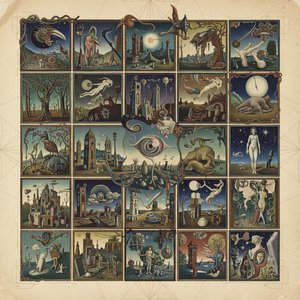
Max Ernst: As 25 Obras-Primas do Surrealismo para Decorar com Arte e História
Descubra as 25 obras-primas de Max Ernst, o mestre do surrealismo! Explore a história por trás da arte inovadora, frottage e paisagens oníricas. Encontre reproduções de alta qualidade para decorar com estilo em WikiOO.org.

The Noble Steed: A Historical and Artistic Exploration of Horses in Fine Art
Explore the rich history of horses in fine art! From ancient depictions to Renaissance masterpieces & beyond, discover iconic artworks and artists. Learn about symbolism, techniques, and find museum-quality reproductions at WikiOO.
Obras Relacionadas


