
 Visualizar em escala
 Enviar
 Compartilhar
 Ver detalhes

 Baixar
 Semelhantes
 Raio X
 Apresentação de slides
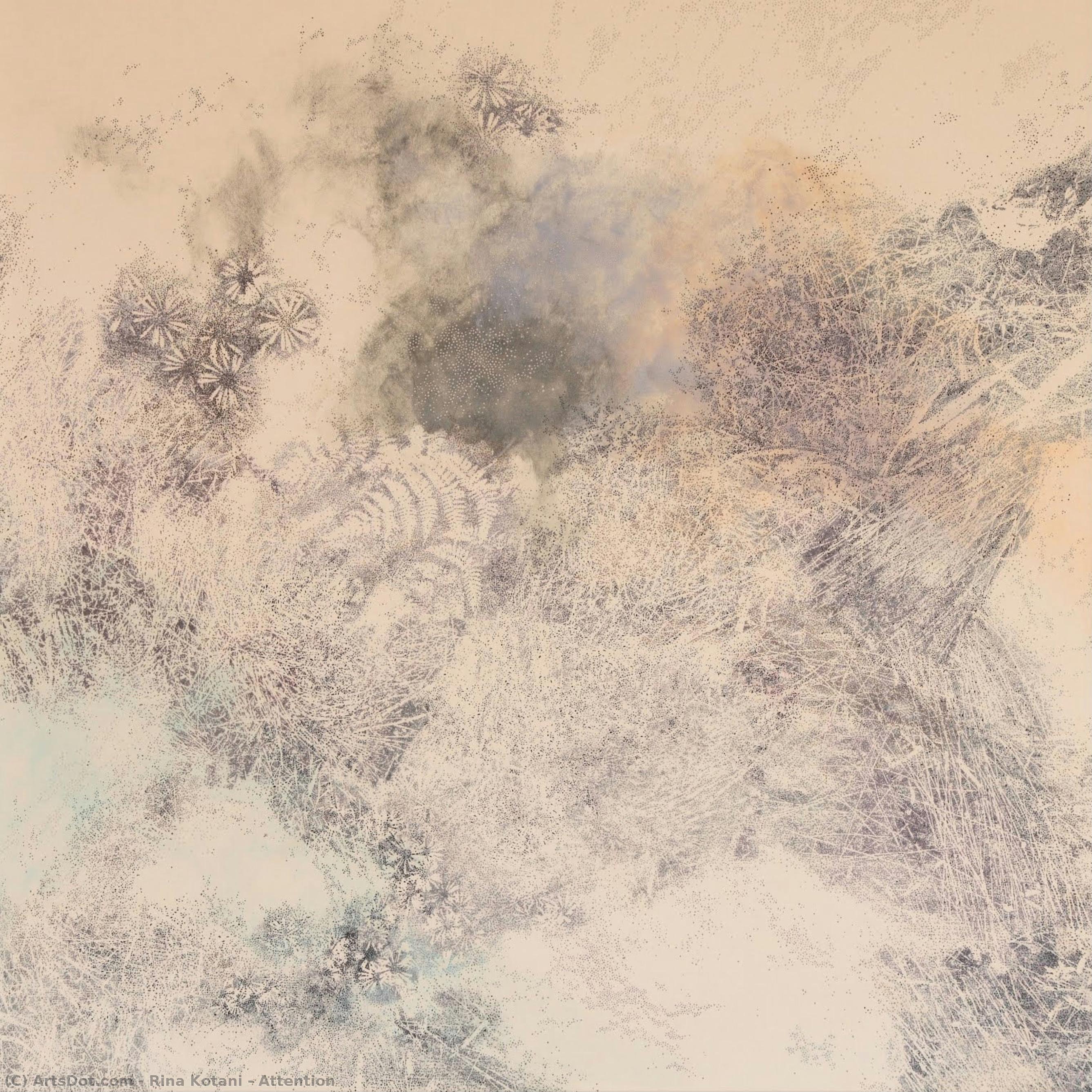
Attention


 Ver mais
Reprodução em Óleo Feita à Mão
Óleo sobre tela pintado à mão no seu tamanho e moldura, feito sob encomenda pelos nossos artistas. ( Encomendar impressão Comprar imagem em alta resolução)




































Escolha entre os nossos tamanhos pré-definidos que respeitam as proporções originais da obra de arte.

Pode inserir as suas próprias dimensões para se adequar a uma moldura ou espaço específico. Se o tamanho selecionado não corresponder às proporções da imagem original, iremos cortar a obra de arte ou estender a pintura com elementos adicionais pintados à mão. Um esboço digital será enviado para sua aprovação antes do início da produção.
Tenha em atenção que a pré-visualização no ecrã não reflete o corte ou extensão real. Apenas o esboço mostrará com precisão a composição final.
Embora tamanhos personalizados estejam disponíveis, recomendamos selecionar uma dimensão da lista predefinida para preservar as proporções originais.
Após o pedido, a equipa WikiOO.org enviará um e-mail ao cliente para solicitar instruções e fornecer uma prévia do esboço.
Entrega mundial () em 3 a 4 semanas, em vez das 5 semanas padrão. (21 Agosto). Sem comprometer a qualidade.

Envio Expresso Gratuito para todo o Mundo

Tela de Linho Premium

Seguro de transporte total

Garantia de Reembolso de Impostos Alfandegários

Garantia de Fidelidade de Cor

Política de Devolução de 60 Dias (Apenas para Defeitos)

Garantia de reembolso de 100%

Desconto para múltiplas unidades
 A opção de vidro está disponível apenas para tamanhos inferiores a 110 cm

Attention
Técnica de Reprodução
Dimensões da Reprodução
-


Preço Total
$ 265
Obras Relacionadas


![Untitled (rome [wall]) (1961) — Cy Twombly, Abstract Expressionism](/media/artworks/images/thumbnails/df/dc/dfdc781b32244f8c9757f53bf7efc041.jpg)

![Abstract Composition [triptych] — Vaclav Vytlacil, Abstract Expressionism](/media/artworks/images/thumbnails/e5/3d/e53db42ea02644b9a8e722f9d4dd3742.jpg)


Biografia do Artista
A Delicate Dance Between Observation and Tradition
Born in the vibrant metropolis of Tokyo in 1984, Rina Kotani (小谷里奈) has emerged as a profound voice in contemporary Japanese art, bridging the gap between ancient heritage and modern perception. Her artistic journey is deeply rooted in the rigorous academic traditions of Japan, having refined her vision at the prestigious Tama Art University. It was within the halls of her graduate studies that Kotani began to master the complexities of Nihonga—the traditional Japanese style of painting—developing a technical prowess that allows her to explore the delicate boundaries between what is seen and what is felt.
Kotani’s work serves as a meditative exploration of the natural world, focusing on the quiet beauty of flowers, trees, and botanical forms. However, she does not merely replicate nature; she reconstructs it through a meticulous pointillist technique. By painstakingly applying tiny, discrete dots of pigment, she builds layers of color that create an ethereal illusion of depth, texture, and light. This method is far more than a stylistic choice; it is a philosophical inquiry into the ambiguity of sight. Through these minute points of light, Kotani challenges the permanence of lines and the clarity of shapes, inviting the viewer to find meaning in the soft, blurred edges of existence.
The Legacy of Nihonga and the Mastery of Light
The soul of Kotani’s practice lies in her deep engagement with the principles of Nihonga. While her technique shares a visual kinship with Western Impressionism, her conceptual foundation is firmly planted in the Japanese tradition of capturing the essence of atmosphere and emotion. She draws significant inspiration from legendary masters such as Hiroshi Yoshida and Yokoyama Taikan, whose works prioritized the spiritual resonance of the landscape over mere topographical accuracy. Following in their footsteps, Kotani utilizes traditional pigments to create luminous surfaces that seem to breathe with a life of their own.
Her process is one of slow, deliberate construction. Unlike artists who seek to capture a fleeting moment through rapid brushstrokes, Kotani’s approach is additive and contemplative. Each dot of pigment is a building block in a larger narrative of organic growth and decay. This painstaking labor results in canvases that possess a remarkable tactile quality, where the interplay of light and shadow evokes the subtle shifts of a forest canopy or the gentle dew on a petal. In her hands, the act of painting becomes a way to honor the enduring rhythms of the natural world while questioning the very nature of visual perception.
Recognition and Artistic Evolution
Throughout her career, Kotani has received significant acclaim within both Japanese and international art circles. Her exhibitions have graced esteemed venues such as the Ueno Royal Museum and the Meiji Jingu Museum, marking her as a vital figure in the new generation of Nihonga artists. Her accolades are a testament to her technical mastery and her ability to resonate with contemporary audiences, including:
- The First Ishimoto Tadashi Nihonga Grand Prize, where she received the Grand Prize.
- The 36th Ueno Royal Museum Art Award, earning the Nippon Broadcasting System Award.
- The Seed YAMANE Art Museum Nihonga Award, receiving an Encouragement Award.
- The First TERRADA ART AWARD, where she was recognized with the Excellence Award (Yamaguchi Hiromi Prize).
From her early solo exhibitions in Tokyo to her presence in international art fairs like Art Taipei, Kotani continues to push the boundaries of her medium. Her work remains a testament to the power of patience and the beauty of the infinitesimal, proving that even the smallest point of color can illuminate the vast complexities of the human experience.

rina kotani
1984 - , Japan
Informações Rápidas
- Artistic Movement Or Style: Pointillism & Nihonga
- Date Of Birth: Tokyo, Japan (1984)
- Full Name: Rina Kotani
- Nationality: Japanese
- Notable Artworks:
- Attention
- State of Natural world
- Easterly Wind
- Place Of Birth: Tokyo
Artigos Relacionados

The Resonance of Earthly Tones: Exploring Nuance, History & Emotional Impact in Art
Explore the captivating world of earth tones in art! Discover historical context, emotional resonance & artistic techniques behind these timeless colors. Find inspiration for your home decor and museum-quality reproductions.

As 10 Pinturas Mais Famosas em Tons de Areia: Uma Elegância Atemporal para sua Casa
Descubra as 10 pinturas mais icônicas em tons de areia, de Monet a Van Gogh! Explore a história, técnica e beleza atemporal destas obras-primas. Encontre reproduções de alta qualidade para decorar sua casa com arte clássica em WikiOO.org.

As 10 Pinturas Mais Famosas em Tons de Cogumelo: Arte e Decoração
Descubra as 10 pinturas mais famosas em tons de cogumelo, explorando a história e o significado por trás de obras-primas de Van Gogh, Monet e outros artistas renomados. Encontre reproduções de arte exclusivas para decorar sua casa com elegância. Explore a coleção completa na WikiOO.org!

Earthen Hues: Exploring the Psychological & Artistic Significance of Earth Tones
Explore the captivating world of earth tones! Discover their historical significance, psychological impact & artistic techniques. Find inspiration for your home decor and museum-quality reproductions at WikiOO.

The Resonance of Earth Tones: Exploring Emotional Depth & Artistic Context in Paintings
Explore the captivating world of earth tones in painting! Discover the historical context, emotional resonance, and artistic techniques behind these timeless colors. Learn how to create harmonious spaces with natural palettes.


