
 Visualizar na parede

 Compartilhar
 Compartilhar
 Detalhes
 Guia


 Baixar imagem
 Semelhantes
 Raio X
 Ver diaporama
 Perguntas e Respostas
 Estatísticas
Untitled (La Bella)

- 99.0 x 74.0cm


 Ler mais
Giclée / Impressão de Arte
Impressão giclée ou em tela de qualidade de museu, com produção rápida e opções flexíveis de acabamento. ( Comprar pintura feita à mão Alternar para Imagem Digital)




P118B €10

P118H €10

P118W €10

P438Z €10

P508JH €12

P508YH €12

P805H €10

P805Z €10

P919BZ €10

P919G €10

P919XJ €10

P959ZH €10

P968JZ €12

W106C €8

W218G €10

W218JH €8

W218Y €10

W307PJ €10

W316G €10

W316PJ €8

W316Y €10

W398PJ €8

W4111J €10

W500HY €15

W500JH €15

W692G €12

W849H €8

W940BG €15

W953PJ €8
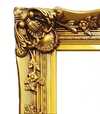
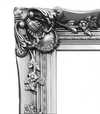
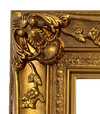
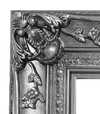
Escolha entre os nossos tamanhos pré-definidos que respeitam as proporções originais da obra de arte.

Insira a largura e a altura desejadas para se ajustarem à sua moldura ou parede. Uma impressão pode ser apenas cortada, nunca ampliada além da imagem original; portanto, um tamanho com proporções diferentes resultará na perda de parte da imagem. Enviamos uma maquete digital para sua aprovação antes de realizarmos a impressão. A imagem exibida nesta página não mostra o corte real — apenas a maquete o faz.
Entrega mundial () em 2 semanas, em vez das 4/5 semanas padrão. (18 Novembro)

Envio expresso gratuito para todo o mundo

Tela de Linho de Alta Qualidade

Seguro de transporte completo

Garantia de Reembolso de Impostos Alfandegários

Garantia de Fidelidade Cromática

Política de Devolução em 100 Dias (Apenas para Defeitos)

Garantia de reembolso de 100%

Oferta de desconto por quantidade
 A opção de vidro está disponível apenas para tamanhos inferiores a 110 cm

Untitled (La Bella)
Giclée / Impressão de Arte
Tamanho da Reprodução
-


Preço Total
€ 55
Identification of the Portrait by William Page
The gaze of the subject in Untitled (La Bella) meets the viewer with a quiet, steady presence. Painted by William Page in 1852, this portrait captures a single female figure in a moment of poised stillness. She exists within a space that feels both intimate and distant, her form emerging from a dark, indistinct background that offers no distractions from her character.
In this work, William Page focuses entirely on the woman before him. There is a sense of dignity in her upright posture and the calm expression she holds. The portrait does not rely on a busy setting to tell its story; instead, the focus remains fixed on the woman herself, inviting a close encounter with her silent, graceful demeanor.
Visual Composition and Subject Matter
The subject occupies a three-quarter length position, set slightly off-center within the frame. She rests against a dark, indistinct background that offers no sense of specific place, pushing her figure forward into the viewer's space. This lack of environmental detail focuses all attention on her poised, upright posture. Her calm gaze meets the observer directly from an eye-level perspective, fostering an immediate and intimate connection. There is a sense of quiet grace in her stillness, as if she has paused mid-breath to acknowledge a presence.
Directional light pours in from the upper left, carving her features out of the shadows. This illumination catches the warm, luminous skin of her face and neck, creating a soft contrast against the deep, muted tones of her surroundings. The palette relies heavily on dark browns, blacks, and ochre, which wrap around her figure in a somber, classical atmosphere. While the shadows are deep, they do not obscure; instead, they define the subtle curves of her expression and the delicate texture of the pearls resting at her neckline.
Artistic Style and Technical Execution
The work emerges through the disciplined lens of academic realism, likely rendered in oil on canvas to capture the subtle nuances of the human form. Every brushstroke works toward a polished, lifelike finish, where the surface appears smooth and meticulously handled. This technical precision allows the light to glide across the subject, creating a sense of presence that feels immediate and tangible. The artist avoids harsh edges, opting instead for a soft, blended approach to the transitions between light and shadow. This technique, reminiscent of sfumato, wraps the features in a gentle glow that softens the contours of the face and neck.
Texture becomes a primary language in this composition. The heavy, dark fabric of the garment possesses a weight and depth that suggests a tactile richness, absorbing the light in a way that contrasts sharply with the luminous skin. Even the smallest details receive focused attention; the delicate pearls of the necklace catch the light with fine, precise rendering, standing out against the darker tones of the attire. Through this careful management of light and material, the portrait achieves a quiet, sculptural dignity that holds the viewer in a moment of stillness.
Perguntas e Respostas
"Untitled (La Bella)" é típico do que William Page costumava criar?
Os temas recorrentes de William Page incluem influenced by titian, samuel f.b. morse, portrait of notable figures, academic realism style; "Untitled (La Bella)" foca em woman, pearls, dark clothing, necklace, skin tones, portrait.
As cores de "Untitled (La Bella)" são vibrantes ou suaves?
A cor de "Untitled (La Bella)" apresenta Muted de saturação e Monochromatic de intensidade.
Qual tamanho de impressão é sugerido para "Untitled (La Bella)" em um(a) Restaurant?
Para um(a) Restaurant, sugere-se que "Untitled (La Bella)" seja impresso no tamanho Large.
Obras Relacionadas


Biografia do Artista
A Vida e a Jornada Artística de William Page
Nascido em Albany, Estados Unidos, William Page foi um versátil pintor e retratista americano. Sua formação inicial teve início no escritório de Frederick de Peyster, seguida por estudos no estúdio de James Herring. Eventualmente, tornou-se discípulo de Samuel F. Morse e matriculou-se na National Academy of Design, onde seus desenhos na classe de antiguidades lhe renderam uma medalha de prata. Após um breve período dedicando-se à teologia no Andover Theological Seminar e no Amherst College, ele retornou ao universo das artes.
A carreira de Page o levou a transitar entre Nova York e Boston, culminando em uma estada de onze anos residindo em Florença e Roma. Durante seu tempo na Itália, ele pintou retratos de figuras notáveis, como Robert e Elizabeth Browning. Ele era profundamente inspirado pelas obras dos grandes mestres, particularmente de Ticiano, cujo método de pintura ele buscava desvendar. Suas cópias das obras de Ticiano eram tão extraordinárias que uma delas chegou a ser apreendida pelas autoridades florentinas sob a crença de que se tratava de um original.
Obras Notáveis e Legado
Ao longo de sua trajetória, Page executou uma vasta gama de temas, desde cenas religiosas como "Moisés e Arão no Monte Horebe" e "A Sagrada Família" até retratos de indivíduos proeminentes. Sua retratística incluía semblantes de:
Além de sua pintura, Page era um homem de interesses diversos; ele escreveu Um Novo Método Geométrico de Medição da Figura Humana e detinha patentes para diversas melhorias em armas e barcos. Ele faleceu em Staten Island.

William Page
1811 - 1885 , Estados Unidos
Dados Rápidos
- Artistas Que Influenciaram Este Artista: ['Titian']
- Data De Morte: 1885
- Data De Nascimento: 1811
- Local De Nascimento: Albany, Estados Unidos
- Nacionalidade: Americano
- Nome Completo: William Page
- Obras De Arte Notáveis:
- View of Athens
- Venus
- Moses and Aaron on Mount Horeb
- Infant Bacchus
- Flight into Egypt
- The Young Merchants
- The Last Interview
- Ruth and Naomi
- Cupid
Artigos Relacionados

The Presence of Silence: Examining Solitude and Stillness in Realist Painting
Explore the profound psychology of solitude through Hopper and Cagnaccio di San Pietro. Discover the art of stillness today.

The Quiet Gaze: Tracing the Evolution of Girlhood in Art History
Explore the evolution of girlhood portraits from the Renaissance to Impressionism. Discover the masters' quiet gaze today.

The Presence of Silence: Artworks for Quiet Contemplation
Explore the profound aesthetic of stillness through masters like Morisot and Richter. Discover art that invites quiet contemplation.

10 Masterpieces That Defined Contemporary Art: A Curated Selection
Explore iconic contemporary art from Cindy Sherman to Niki de Saint Phalle. Discover museum-quality masterpieces on WikiOO.org.

The Art of the Nude: Timeless Masterpieces of Form, Anatomy, and Eternal Beauty
Explore the profound beauty of the human form through a curated journey of art history. From Renaissance anatomical perfection to Academic mastery, discover timeless nude masterpieces and bespoke oil reproductions for the discerning collector.