
 Previzualizare

 Trimite prin felicitare
 Distribuie
 Detalii despre lucrare
 Ghid


 Descarcă imaginea
 Produse similare
 Radiografie
 Galerie foto
 Întrebări și răspunsuri
 Statistici
Self-Portrait

- 52.0 x 42.0cm

 Vezi mai mult
Giclée / Imprimare artistică
Printuri giclée sau pe canvas de calitate muzeală, cu proces de producție rapid și opțiuni flexibile de finisare. ( Comandă pictură realizată manual Comută pe Imagine Digitală)
































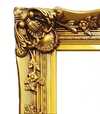
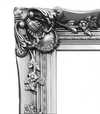
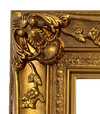
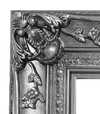
Alegeți dintre dimensiunile noastre prestabilite, care respectă proporțiile originale ale operei de artă.

Introduceți lățimea și înălțimea necesare pentru a se potrivi ramei sau peretelui dumneavoastră. O printare poate fi doar tăiată, niciodată extinsă dincolo de dimensiunea imaginii originale, astfel încât o dimensiune cu o formă diferită va pierde o parte din imagine. Vă trimitem o simulare digitală pentru aprobare înainte de a imprima orice. Imaginea afișată pe această pagină nu prezintă tăierea reală — doar simularea arată acest lucru.
Livrare în întreaga lume () în 2 săptămâni, în loc de cele 4/5 săptămâni standard. (21 Noiembrie)

Livrare expres gratuită la nivel mondial

Pânză de in de înaltă calitate

Asigurare completă pentru transport

Garanție de rambursare a taxelor vamale

Garanția fidelității culorilor

Politica de retur în 100 de zile (doar pentru defecte de fabricație)

Garanție de rambursare 100%

Ofertă pentru comenzi multiple
 Opțiunea cu sticlă este disponibilă doar pentru dimensiuni de sub 110 cm

Self-Portrait
Giclée / Imprimare artistică
Dimensiune reproducere
-


Preț total calculat
lei 295
Opere similare


Biografie artist
A Life Between Borders
Anton Ebert entered the world in 1845 at Kladrau Castle near Mies, Bavaria. His early years were shaped by the structured surroundings of the Windisch-Graetz family estate, where his father served as the royal treasurer. This childhood setting provided a foundation for a life that would eventually span several European cultural centers.
His path as an artist led him from the Prague Academy to the studios of Vienna. It was there that he studied under Ferdinand Georg Waldmüller, an instructor whose approach to subject matter and palette left a lasting mark on his technique. While his roots were in Bohemia, Ebert’s movements took him through Berlin and eventually into the heart of Russia around 1870. This migration allowed him to observe a wide variety of lives, from the aristocratic circles of the Imperial family to the rural populations of the Russian countryside.
He spent his final years in Vienna, where he passed away on 16 June 1896. His life was defined by this movement between different landscapes and social strata.
The Art of Observation
Ebert’s work focused heavily on the human figure, particularly children and women. He possessed a particular skill for capturing the textures of daily existence, whether through the heavy fabrics of a peasant's clothing or the delicate details of a formal portrait. His paintings often documented specific cultural identities, such as the traditional folk attire found in his 1879 work, Girl in Folk Costume.
His approach to painting was grounded in realism and a meticulous attention to detail. He used oil on canvas and panel to render skin, fabric, and light with great precision. While some of his portraits leaned toward the classical, others captured more intimate, everyday scenes:
- Portraits of the aristocracy and members of the Imperial family.
- Genre scenes depicting merchants and peasants.
- Landscapes focused on the surroundings of Vienna.
- Miniature portraits executed on ivory.
In works like The Mellon Seller, he applied a realistic style to depict a young woman with watermelons, focusing on the physical reality of the scene. He also drew from his own memories of Kladrau Castle to create scenes involving children, often using the family members of the Windisch-Graetz house as models.
A Lasting Record
Ebert’s significance lies in his role as a documentarian of 19th-century life. Through his portraits and genre paintings, he recorded the customs, costumes, and faces of a period undergoing rapid change. His ability to move between the formal requirements of portraiture for royalty and the honest depiction of ordinary people allowed him to create a broad visual record of his era.
His pieces are held in various collections across Europe, including the Museum of Vienna, the Roumianzeff Museum in Moscow, and the Mainz Art Gallery. These works remain as physical links to the social structures and regional identities of the late 1800s.

Anton Ebert
1845 - 1896 , Czech Republic
Detalii rapide
- Artistic Movement Or Style: Realism and Historicism
- Artists Who Influenced This Artist: ['Ferdinand Georg Waldmüller']
- Full Name: Anton Ebert
- Nationality: Czech or German
- Notable Artworks:
- Girl in Folk Costume
- An Elegant Lady
- The Mellon Seller
- Grandmother's Recovery
- Spring In The Woods
- Place Of Birth: Kladruby, Bohemia
- Date Of Birth: 1845
- Date Of Death: 1896
Articole similare

Top 25 de Capodopere James Abbott McNeill Whistler: Artă, Istorie și Decor Excepțional
Descoperă top 25 de picturi James Abbott McNeill Whistler, maeștri ai impresionismului și esteticismului. Explorează nocturnele, portretele și capodoperele sale pline de atmosferă pe WikiOO.org! Reproduceri artă de calitate superioară pentru decorul perfect.

Albrecht Dürer: Cele Mai Remarcabile 25 de Capodopere – Artă, Istorie și Decor Excepțional
Descoperă cele mai frumoase 25 de picturi și gravuri Albrecht Dürer! Explorează capodopere renascentiste, simbolismul profund și tehnicile artistice unice. Reproduceri de artă de calitate muzeală pentru decor interior excepțional pe WikiOO.org.

Masterpieces of Elegance: The Top 25 Artworks by Anthony van Dyck
Explore 25 iconic masterpieces by Anthony van Dyck. Discover the elegance of Flemish Baroque art. Explore the full collection online at WikiOO.org

The Echo of Self: Reflectivity as a Core Theme in Art History & Contemporary Practice
Explore the rich history of self-representation in art, from Renaissance masters to modern innovators. Discover how artists use portraiture to reveal identity, emotion & the depths of the human psyche. Expert insights for collectors.

Egon Schiele: Cele Mai Remarcabile 25 De Opere – Artă, Decorațiuni și Inspirație
Descoperă cele mai importante 25 de opere ale lui Egon Schiele! Explorează expresionismul austriac, portretele intense și autoportretele emoționante. Reproduceri artă de calitate muzeală & inspirație decor pe WikiOO.org.