

- 21.0 x 29.0 cm


 Previzualizare

 Trimite prin felicitare
 Distribuie
 Detalii despre lucrare
 Ghid


 Descarcă imaginea
 Produse similare
 Radiografie
 Galerie foto
 Întrebări și răspunsuri
 Statistici
Priviți mai aproape
Fiecare detaliu, pictat manual
Trei detalii ale picturii, mărite. Artiștii noștri reproduc fiecare în parte manual, la dimensiunea aleasă de dumneavoastră.
i.
Inima scenei.
ii.
Lumină și fundal.
iii.
Traseul pensulei.
Tabloul
Descriere obiect de colecție
Hendrik Goltzius's engraving depicts Apollo slaying the Python, a dramatic retelling of Greek mythology with detailed figures and expressive lines.
 Vezi mai mult
Biografie artist
Hendrik Goltzius (1558-1617) a pictor și gravor de seamă din perioada manierismului, renumit pentru tehnicile sale inovatoare în gravură, compoziții dinamice și influența asupra artei baroce.
Hendrik Goltzius’s Apollo Killing the Python: A Masterpiece of Mannerist Drama
Apollo Killing the Python is more than just an image; it's a distillation of Renaissance mythology into a powerfully expressive engraving by Hendrik Goltzius, completed in 1589. This artwork stands as a testament to Goltzius’s innovative approach to printmaking and his ability to convey complex narratives with breathtaking visual clarity—a skill that cemented his place among the foremost artists of the Baroque era. The piece captures a pivotal moment from Ovid's Metamorphoses, depicting Apollo, god of music and poetry, engaged in a brutal confrontation with Python, representing primordial chaos and evil.- Composition & Style: Goltzius’s masterful use of perspective creates a dynamic scene that draws the viewer into the drama unfolding before them. The engraving adheres to the principles of Mannerism—a stylistic movement characterized by elongated figures, stylized poses, and dramatic contrasts of light and shadow—reflecting a desire to transcend realism and explore psychological states rather than simply depicting observable reality.
- Technique: Goltzius employed a technique known as ‘swelling line,’ which he developed himself, resulting in lines that appear thicker than they actually are. This method dramatically enhances the visual impact of the engraving, emphasizing contours and creating an illusion of depth—a hallmark of Baroque art. The meticulous detail achieved through hatching and shading contributes to the overall sense of realism despite the stylized figures.
- Symbolism: The confrontation between Apollo and Python carries profound symbolic weight. Apollo embodies reason, order, and divine authority, battling against the forces of darkness and irrationality. The serpent symbolizes primordial chaos, representing the struggle between good and evil that underlies all human experience. Goltzius’s depiction underscores the enduring themes of heroism, triumph over adversity, and the victory of intellect over instinct.
- Historical Context: Created during a period of artistic experimentation and intellectual ferment—the early Baroque—Apollo Killing the Python reflects the broader cultural anxieties surrounding religious reform and the burgeoning humanist spirit. Goltzius’s engraving aligns with the prevailing aesthetic sensibilities of the time, demonstrating an artist's engagement with contemporary philosophical ideas.
- Emotional Impact: The engraving evokes a palpable sense of tension and drama—a hallmark of Mannerist art. Goltzius skillfully captures the physicality of the struggle between gods and serpent, conveying both violence and nobility. The image resonates with viewers today due to its exploration of universal themes concerning conflict, resilience, and the pursuit of enlightenment.
Întrebări și răspunsuri
Care este formatul pentru "Apollo Killing the Python"?
"Apollo Killing the Python" de Hendrik Goltzius are un format Landscape. Formatul descrie proporțiile compoziției.
În ce etapă a carierei lui Hendrik Goltzius se încadrează "Apollo Killing the Python", având în vedere data sa de execuție?
Data din 1589 plasează „Apollo Killing the Python” în Early Baroque dezvoltării lui Hendrik Goltzius.
Cum este construită compoziția cromatică a operei "Apollo Killing the Python" de Hendrik Goltzius?
Analiza cromatică a operei "Apollo Killing the Python" de Hendrik Goltzius relevă un Gentle contrast și o Unified Palette armonie.

Hendrik Goltzius
1558 - 1617, Germania
Pictorul
Biografie artist
Early Life and Artistic Foundations
Hendrik Goltzius, a name synonymous with the vibrant dynamism of Northern Mannerism in Dutch art, emerged from humble beginnings in the Rhineland region of Germany. Born around 1558 in Mulebrecht, near Viersen – a town steeped in artistic tradition due to his family’s lineage as stained-glass painters – Goltzius's early life was shaped by exposure to both visual arts and craftsmanship. His father, Jan Goltz II, continued the family legacy, establishing a workshop dedicated to creating intricate glass designs. This formative environment instilled within him an appreciation for detail, precision, and the transformative power of artistic skill. However, fate intervened dramatically when he was just three years old; a devastating fire ravaged their home in Duisburg, leaving him with a permanently deformed right hand – a physical characteristic that would ironically become his greatest asset as an engraver. This injury, rather than hindering his potential, fostered a unique and powerful control over the burin, allowing him to develop a distinctive “swelling line” technique, where he manipulated the tool’s pressure to create varying thicknesses of lines, adding depth and nuance to his prints in a way few others could achieve. His early training was further solidified by studying under Dirck Volckertszoon Coornhert, a renowned polymath and engraver in Cleves, who introduced him to the technical intricacies of copperplate engraving – a crucial step towards mastering his craft.A Career Forged in Haarlem
The pivotal moment in Goltzius’s artistic journey arrived in 1577 when he relocated with Coornhert to Haarlem, a thriving center for printmaking and trade within the burgeoning Dutch Republic. This move marked not just a geographical shift but also the beginning of a prolific and influential career. Haarlem offered him a vibrant artistic community, access to wealthy patrons eager to acquire exquisite prints, and a stimulating environment conducive to experimentation and innovation. He quickly established himself as a respected engraver, securing commissions from prominent figures like Philip Galle, who employed him to produce a series of engravings depicting the history of Lucretia – a project that showcased his burgeoning talent for dramatic composition and meticulous detail. Goltzius’s workshop flourished, employing numerous assistants and producing an astonishing volume of work, ranging from faithful reproductions of master prints to original designs reflecting his own artistic vision. His ambition extended beyond mere replication; he sought to elevate the status of engraving within the art world, challenging established conventions and pushing the boundaries of technique.Technique and Artistic Innovation
Goltzius’s genius lay not only in his technical mastery but also in his innovative approach to engraving. He was a pioneer of the “dot and lozenge” technique – a sophisticated method of creating tonal shading by strategically placing dots within lozenge-shaped spaces, meticulously crafted through cross-hatching. This technique allowed him to achieve an unprecedented level of realism and atmospheric depth in his prints, rivaling the effects of oil painting. His command of the burin was legendary; many art historians consider it to be comparable to that of Albrecht Dürer, the undisputed master of German engraving. He didn’t merely copy existing works; he transformed them, imbuing them with a sense of movement, drama, and psychological insight. Furthermore, Goltzius's engravings were frequently used as models for other artists, notably Bartholomeäus Spranger, whose Mannerist style was profoundly influenced by Goltzius’s innovative techniques. His willingness to experiment extended beyond engraving; he also ventured into painting, producing a series of works that demonstrated his versatility and artistic range – including chiaroscuro woodcuts that showcased his ability to manipulate light and shadow with remarkable skill.Legacy and Recognition
Hendrik Goltzius’s impact on the history of art is undeniable. During his lifetime, he enjoyed widespread recognition throughout Europe, attracting the patronage of royalty and nobility alike. His journey to Italy in 1590 solidified his reputation as a leading figure in the international art scene, where he sought inspiration from classical sculpture and Renaissance painting. His legacy continues to resonate today, with his engravings and paintings held in prestigious collections around the world – including the Rijksmuseum in Amsterdam, the Metropolitan Museum of Art in New York, and the British Museum in London. Goltzius’s work exemplifies the dynamism and sophistication of Northern Mannerism, bridging the gap between Renaissance tradition and Baroque innovation. He remains a pivotal figure in the development of printmaking, his techniques and artistic vision continuing to inspire artists and scholars centuries after his death in 1617. His unique approach to engraving—combining technical precision with expressive flair—established him as one of the most important and influential engravers of his time, securing his place within the pantheon of great masters.Informații rapide despre Hendrik Goltzius
- Artistic Movement Or Style: Mannerism & gravură baroca
- Artists Or Movements Influenced By This Artist: ['Jacques Bellange']
- Artists Who Influenced This Artist: ['Dirck Volckertszoon Coornhert']
- Date Of Birth: Ianuarie/Februarie 1558
- Date Of Death: 1 ianuarie 1617
- Full Name: Hendrik Goltzius
- Nationality: Olandez
- Notable Artworks:
- Jupiter
- Minerva
- Prophetul Baruch
- Place Of Birth: Braunschweig, Italia


Reproducere pictată manual în ulei
Comandă o pictură pentru tine
Reproducere pictată manual în ulei
Pictură în ulei pe pânză, pictată manual de artiștii noștri la dimensiunea și ramele dorite de dumneavoastră, pe comandă. ( Comută pe versiunea Print Comută pe Imagine Digitală)

Comisioane tale

Apollo Killing the Python
Tehnică de reproducere
Dimensiune reproducere
-

Selecție de artiști de elită
Mai multe detalii, rafinament și timp suplimentar de execuție
-

Ramă pentru reproducere artistică
-
-
Pentru opere de artă sau reproduceri care depășesc 105 cm (aproximativ 41 de inch) pe oricare dintre laturi, cadrul va fi livrat demontat, sub formă de kit. Această metodă asigură o livrare sigură și previne deteriorarea în timpul transportului.
Este necesară asamblarea profesională – acest produs nu este de tip DIY (de făcut singur).
Kitul trebuie asamblat, iar pânza întinsă, de către un legător de cadre experimentat, utilizând adeziv pentru lemn (neinclus în colet), o cheie pentru întinderea pânzei și cleme pentru a menține barele la unghi drept în timp ce adezivul se usucă. Asamblarea incorectă sau tensiunea neuniformă a pânzei pot deteriora permanent opera de artă și nu sunt acoperite de garanția noastră.
 Pentru opere de artă sau reproduceri care depășesc 105 cm (aproximativ 41 de inch) pe oricare dintre laturi, cadrul va fi livrat demontat, sub formă de kit. Această metodă asigură o livrare sigură și previne deteriorarea în timpul transportului.
Toate barele din lemn masiv sunt incluse, tăiate cu precizie la dimensiunea necesară.
Asamblat cu șuruburile incluse, plus adeziv pentru lemn pentru îmbinările de colț, care nu este furnizat și trebuie achiziționat de către tâmplarul dumneavoastră.
Sunt necesare unelte profesionale care nu sunt incluse: o șipte de întindere a pânzei (tensionator) și cleme pentru a menține barele la unghi drept în timp ce adezivul se usucă.
Important:
Îmbinările de colț necesită adeziv pentru lemn, barele trebuie fixate cu clești de strângere până când adezivul este complet uscat, iar întinderea pânzei pe cadrul asamblat necesită un clește pentru întins pânza. Niciunul dintre aceste elemente nu este inclus în kit. Vă rugăm să consultați un încadrator profesionist cu experiență înainte de a comanda această dimensiune.

Etichetă de prezentare
-
-

Lac de protecție
Lac lucios (intensifică nuanțele și oferă protecție împotriva luminii și a umidității)
-

Personalizează opera mea de artă
Exemple de elemente ce pot fi personalizate: Înlocuirea feței cu fotografia clientului; Adăugarea unui animal de companie (de exemplu, înlocuirea unei pisici cu un câine); Includerea unui mesaj ascuns în fundal; Modificarea peisajului sau a elementelor din fundal.
-

Livrare rapidă
Livrare la nivel mondial () în 3-4 săptămâni, în loc de cele 5 săptămâni standard. (16 Noiembrie). Fără compromisuri când vine vorba de calitate.
-
Livrare rapidă
Livrare la nivel mondial () în 5 săptămâni. (23 Noiembrie).
Inclus
Preț total calculat
lei 1256
Opțiunea cu sticlă este disponibilă doar pentru dimensiuni de sub 110 cm
i.
Scară
Dimensiunile originale sunt 21.0 x 29.0 cm. Potrivește-l pe perete: fiecare dimensiune își păstrează proporțiile.
Alegeți dintre dimensiunile noastre prestabilite, care respectă proporțiile originale ale operei de artă.

Introduceți lățimea și înălțimea necesare pentru a se potrivi ramei sau peretelui dumneavoastră. Această lucrare este pictată manual, așa că, pentru o dimensiune cu o formă diferită, artistul poate picta puțin mai mult în jurul imaginii sau poate tăia puțin din margini — dumneavoastră decideți. Vă vom trimite o simulare digitală pentru aprobare înainte de a începe pictarea. Imaginea afișată pe această pagină nu reprezintă rezultatul real — doar simularea este reprezentativă.
ii.
Ramă
Ramă desenată pe pictură la dimensiunea sa reală.
Înramat

Alb lei1

Margini difuze lei1

Extins lei1

P118B lei10

P118H lei10

P118W lei10

P438Z lei10

P508JH lei12

P508YH lei12

P805H lei10

P805Z lei10

P919BZ lei10

P919G lei10

P919XJ lei10

P959ZH lei10

P968JZ lei12

W106C lei8

W218G lei10

W218JH lei8

W218Y lei10

W307PJ lei10

W316G lei10

W316PJ lei8

W316Y lei10

W398PJ lei8

W4111J lei10

W500HY lei15

W500JH lei15

W692G lei12

W849H lei8

W940BG lei15

W953PJ lei8
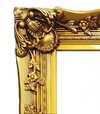
H24-GOLD lei30
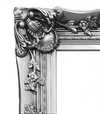
H24-SILVER lei30
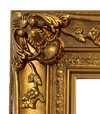
H36-GOLD lei45

H36-SILVER lei45
iii.
Fă-l al tău
O pictură realizată manual poate fi creată pentru o singură persoană.
După plasarea comenzii, echipa WikiOO.org va contacta clientul prin e-mail pentru instrucțiuni și va furniza o previzualizare (mockup)
iv.
Finalizare
Placă de identificare, lac și livrare.
Etichetă de prezentare
Detalii plăcuță din bronz gravat
This elegant plaque features the artist's name and the title of the artwork, finely engraved for a timeless presentation.
It is made from bronze with a refined, elegant finish. The text is precisely laser-engraved for a sharp and permanent result. Measuring 9x2 cm, the plaque is compact yet easy to read. It's built to be durable and scratch-resistant, offering a professional, museum-quality look. Mounting is simple thanks to the included adhesive backing.
Detalii plăcuță din acril transparent
The plaque includes essential engraved details such as the artist's name, the title of the artwork, the date it was created, the type of media used-like oil on canvas or watercolor-a brief description of the piece, and a QR code that links to the complete artwork information.
It is crafted from clear acrylic, offering a sleek, modern appearance. The text is UV-engraved in black to ensure strong visual contrast. With a size of 10x15 cm, it ensures optimal readability. It comes equipped with two metal hooks for secure wall mounting. The plaque is designed to be weather-resistant, making it suitable for various environments, and it includes interactive features that work seamlessly with smartphone scanning.
Detalii placă din acril negru
This elegant plaque includes engraved information such as the artist's name, the title of the artwork, the date it was created, the type of media used (like oil on canvas or watercolor), a short description of the artwork, and a QR code for quick access to more information.
The plaque itself is made from refined black acrylic with a premium finish. The text is laser-engraved in white for high contrast and readability. Its size is 10x15 cm, designed to be easy to read. It comes with two metal hooks for professional mounting. The design is sleek and fits any interior style. It is also weather-resistant and durable, with built-in digital integration for mobile compatibility.
Lac de protecție
Producție și livrare rapide
Livrare în întreaga lume () în 3-4 săptămâni, în loc de cele 5 săptămâni standard. (16 Noiembrie). Fără compromisuri în ceea ce privește calitatea.
- Livrare expres gratuită la nivel mondial
- Pânză de in de înaltă calitate
- Asigurare completă pentru transport
- Garanție de rambursare a taxelor vamale
- Garanția fidelității culorilor
- Politica de retur în 100 de zile (doar pentru defecte de fabricație)
- Garanție de rambursare 100%
- Ofertă pentru comenzi multiple


Informații rapide și quiz despre artă
Articole similare

The Dramatic Dialogue: Baroque Mannerism & the Synthesis of Emotion, Form, and Artistic Rebellion
Explore the dramatic world of Baroque Mannerism! Discover its history, iconic artists like Rubens & El Greco, and lasting influence on art. Expert insights for collectors & enthusiasts at WikiOO.

The Alchemy of Egg Tempera: Discovering the Luminous Art of Medieval Masterpieces
Explore the alchemy of egg tempera and medieval illumination mastery. Discover the luminous secrets of history's finest manuscripts.

Apollo’s Eternal Radiance: Tracing a Mythic Legacy from Ancient Greece to the Renaissance
Trace Apollo's mythic evolution from Greek sculpture to the Renaissance masters. Explore this timeless legacy with us.

From Grandeur to Grace: Exploring the Evolution of Baroque & Rococo Art
Explore the captivating evolution from Baroque's drama to Rococo's grace! Discover key artists, characteristics & lasting influence of these art movements with expert insights at WikiOO.
Opere similare


