
 Previzualizare

 Trimite prin felicitare
 Distribuie
 Detalii despre lucrare
 Ghid


 Descarcă imaginea
 Produse similare
 Radiografie
 Galerie foto
 Întrebări și răspunsuri
 Statistici
Mural

- 100.0 x 81.0cm


 Vezi mai mult
Lucrarea de artă afișată pe această pagină este protejată de legile privind drepturile de autor, ceea ce înseamnă că nu putem crea sau vinde în mod legal o reproducere identică. Această protecție este garantată prin acorduri internaționale, precum Convenția de la Berna și de legile naționale, inclusiv cele prevăzute de Legea dreptului de autor din S.U.A. – Titlul 17. Toate drepturile rezervate. Orice reproducere neautorizată este interzisă.
Această metodă respectă pe deplin reglementările privind drepturile de autor, deoarece nu implică copierea sau duplicarea operei protejate. În schimb, este o reinterpretare creativă – o pictură nouă, influențată de original, dar care nu este identică cu acesta.
Giclée / Imprimare artistică
Printuri giclée sau pe canvas de calitate muzeală, cu proces de producție rapid și opțiuni flexibile de finisare. ( Comandă pictură realizată manual Comută pe Imagine Digitală)
































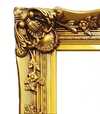
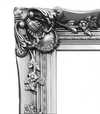
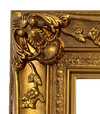
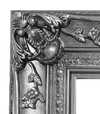
Alegeți dintre dimensiunile noastre prestabilite, care respectă proporțiile originale ale operei de artă.

Introduceți lățimea și înălțimea necesare pentru a se potrivi ramei sau peretelui dumneavoastră. O printare poate fi doar tăiată, niciodată extinsă dincolo de dimensiunea imaginii originale, astfel încât o dimensiune cu o formă diferită va pierde o parte din imagine. Vă trimitem o simulare digitală pentru aprobare înainte de a imprima orice. Imaginea afișată pe această pagină nu prezintă tăierea reală — doar simularea arată acest lucru.
Livrare în întreaga lume () în 2 săptămâni, în loc de cele 4/5 săptămâni standard. (18 Noiembrie)

Livrare expres gratuită la nivel mondial

Pânză de in de înaltă calitate

Asigurare completă pentru transport

Garanție de rambursare a taxelor vamale

Garanția fidelității culorilor

Politica de retur în 100 de zile (doar pentru defecte de fabricație)

Garanție de rambursare 100%

Ofertă pentru comenzi multiple
 Opțiunea cu sticlă este disponibilă doar pentru dimensiuni de sub 110 cm

Mural
Giclée / Imprimare artistică
Dimensiune reproducere
-


Preț total calculat
lei 294
Opere similare


Biografie artist
Early Life, Family and Training
Antonio Corpora was born in Tunis on 15 August 1909 to Sicilian parents. This Mediterranean background provided the initial context for a career that would eventually move toward the center of European abstraction. His formal education began at the Tunis Institute of Fine Arts, where he developed the technical foundation necessary for his later departures from traditional form. During this formative period, he studied under the mentorship of Armand Vergeaud, a relationship that anchored his early development before his move toward the continental avant-garde.
The trajectory of his career shifted decisively in 1930 when Corpora moved to Paris. By 1931, he had settled in the city, entering a landscape that was rapidly redefining modernism. It was in this environment that he met Alberto Giacometti and Sergio Signori. These encounters placed him directly within the intellectual and social circles that would dictate the direction of mid-century art. His presence in Paris was not merely a change of scenery; it was a deliberate immersion into the core of the era's most significant aesthetic shifts.
Artistic Movements and Style
Corpora’s evolution is marked by a decisive break from structure. During the 1930s, his practice relied on abstract and geometric compositions, heavily shaped by the logic of Cubism and the color palettes of Fauvism. This period of controlled form eventually gave way to a more fluid approach. By 1946, he was actively pushing against these established boundaries, promoting a "Neo-Cubist" exhibition in Rome. His subsequent involvement with the Fronte Nuovo delle Arti signaled a shift toward a post-cubist sensibility that rejected rigid construction in favor of something more visceral.
The transition toward abstraction became more radical as his career progressed. He moved away from geometric certainty, embracing the spontaneous gestures of Tachisme and the energy of Abstract Expressionism. By the 1960s, his output aligned with the Informel movement, characterized by a rejection of traditional shape. This was not a mere change in preference but a fundamental shift in how he handled the physical surface of the work.
In his later years, the tactile nature of his painting became his primary concern. From about 1975, Corpora utilized a specific dripping technique to build texture. He worked on canvases roughened with sand and plaster of Paris, creating a rugged, physical landscape for his colors. This method allowed for a depth that relied on the material properties of the medium rather than the illusion of perspective.
Exhibitions and Professional Recognition
Corpora’s presence in the international circuit was cemented through repeated participation in the Venice Biennale. He exhibited there four times, securing a solo show at the event in 1960. His standing within the Italian art scene was further validated in 1952 when he was presented as part of the "Group of Eight" at the Venice Biennale. This period marked a significant moment of institutional recognition for his evolving approach to abstraction.
His career concluded with high-level state and academic honors. In 2003, the president of Italy presented him with an award, acknowledging his long-term contribution to the arts. He also achieved membership in the San Luca Academy. These distinctions reflect a professional trajectory that moved from the experimental fringes of post-cubist movements into the established core of Italian artistic institutions.

Antonio Corpora
1909 - 2004 , Tunisia
Detalii rapide
- Artistic Movement Or Style:
- Tachisme
- Abstract Art
- Fronte Nuovo delle Arti
- Cubism
- Fauvism
- Abstract Expressionism
- Informel
- Neo-cubista
- Artists Who Influenced This Artist:
- Armand Vergeaud
- Braque
- Matisse
- Full Name: Antonio Corpora
- Nationality: Italian
- Place Of Birth: Tunis, Tunisia
- Date Of Birth: 1909
- Date Of Death: 2004
Articole similare

Top 25 de Capodopere din Alte Pinakothek: Artă Clasică pentru Decorul Tău
Descoperă top 25 de capodopere din Alte Pinakothek, München! Rembrandt, Dürer și Rafael prind viață în articolele noastre. Istoria artei, tehnici unice & inspirație pentru decorul tău. Explorează colecția completă pe WikiOO.org!

Masterpieces of Munich: Top 25 Artworks in the Bavarian State Painting Collections
Explore 25 iconic masterpieces from Munich's Bavarian State Painting Collections. Discover timeless art on WikiOO.org.

Masterpieces of Munich: Top 25 Artworks in the Bavarian State Painting Collections
Explore 25 iconic masterpieces from Munich's Bavarian State Painting Collections. Discover timeless art on WikiOO.org.