

- 28.0 x 36.0cm

 Predogled v realnem okolju

 Pošlji
 Deli
 Podrobnosti o delu
 Priročnik


 Prenesi sliko
 Podobni izdelki
 Rentgenski posnetek
 Predvajaj diaporama
 Vprašanja in odgovori
 Statistika
Poglejte bližje
Vsaka podrobnost, ročno slikano
Tri povečana mesta slike. Naši umetniki vsako od njih reproducirajo ročno, v velikosti, ki jo izberete.
i.
Srce scene.
ii.
Svetloba in ozadje
iii.
Smeri črtel brusca.
Slikovina
Biografija umetnika
Jan Wyck (1652-1702) was a Dutch Baroque painter renowned for dynamic military scenes, equestrian portraits & landscapes. A key figure in the development of British battle art, his works often featured royal patronage and vivid detail.
 Preberi več

Jan Wyck
1640 - 1700, Netherlands
Slikar
Biografija umetnika
Jan Wyck: The Painter Who Brought Battle to Life
Born in Haarlem, Netherlands, in 1652, Jan Wyck emerged as a pivotal figure in the burgeoning world of European art during the late 17th century. His legacy isn’t defined by grand, solitary masterpieces but rather by an astonishing body of over 150 works—primarily dynamic military scenes, evocative landscapes, and striking equestrian portraits—that fundamentally shifted the way warfare was depicted on canvas. Wyck's influence extended far beyond his native Netherlands; he played a crucial role in establishing British art as a force to be reckoned with, introducing a distinctly Dutch sensibility that profoundly impacted generations of British artists.
Wyck’s early life remains somewhat shrouded in mystery, largely due to the limited documentation available. He was the son of Thomas Wyck, another painter who had spent considerable time honing his craft in Italy, absorbing the influence of the Italianate style evident in some of his father's works. It is believed that Jan received his initial artistic training from his father, though precise details are scarce. The family’s relocation to England during the reign of Charles II—likely around 1664—marked a turning point, setting the stage for Wyck’s enduring contribution to British art history. This move coincided with a period of significant cultural exchange between Britain and the Low Countries, fueled by the Restoration and a renewed interest in classical learning and artistic styles.
A Royal Patron and Continental Influence
Wyck's arrival in England proved remarkably fortuitous. He quickly gained recognition for his skill and versatility, securing patronage from influential figures like the Duke of Ormond and, later, William III himself. His ability to capture the chaos and drama of battle—a subject largely dominated by French artists at the time—was particularly valued. Wyck’s work wasn't simply a record of military events; he imbued his scenes with a palpable sense of immediacy and realism, drawing inspiration from both Dutch and Flemish traditions. He skillfully blended elements of Baroque dynamism with a keen eye for detail, meticulously rendering the textures of armor, the glint of steel, and the expressions of soldiers caught in the heat of conflict.
The influence of Dirk Maas, another prominent Low Countries artist working in England, is readily apparent in Wyck’s early work. However, Wyck quickly developed his own distinctive style—characterized by a vibrant palette, dramatic lighting, and an unparalleled ability to capture the energy and movement of his subjects. He wasn't content with simply depicting battles from a distant perspective; instead, he sought to immerse the viewer directly into the fray, highlighting individual soldiers, their weapons, and the unfolding drama with remarkable precision.
The Battle Painter’s Vision
Wyck’s most significant contribution lies in his innovative approach to battlefield depictions. While many artists of the era favored a bird's-eye view, offering a strategic overview of troop formations, Wyck chose to focus on the individual experiences of soldiers—their bravery, their fear, and their desperate struggle for survival. He meticulously rendered details such as flourishing sabres, firing muskets, flaring horses’ nostrils, and the billowing smoke from cannons, creating a visceral sense of realism that was unprecedented in military art. This shift towards a more intimate and emotionally resonant portrayal of battle profoundly influenced subsequent generations of British artists.
His work on the Battle of the Boyne, for example, stands as a testament to his artistic vision. While accounts of the battle itself are plentiful, Wyck’s painting captures not just the tactical maneuvers but also the human cost—the exhausted faces of soldiers, the fallen comrades, and the palpable sense of uncertainty that permeated the ranks. Similarly, his depictions of the siege of Derry vividly convey the resilience of the besieged city and the determination of its defenders.
A Family Man and a Lasting Legacy
Beyond his artistic achievements, Wyck’s personal life offers glimpses into the realities of 17th-century England. He married twice—first to an unknown woman, then to Anne Skinner in 1676, with whom he had four children who tragically all died young. His third marriage brought him a Dutch wife, Elizabeth Holomberg, and two sons and a daughter, further solidifying his family life in Mortlake. Despite the personal tragedies that punctuated his life, Wyck remained dedicated to his craft, continuing to produce works under royal patronage until his death in 1702.
Jan Wyck’s legacy extends far beyond the individual paintings he created. He played a crucial role in fostering artistic exchange between Britain and the Low Countries, introducing new techniques and perspectives that enriched British art history. His innovative approach to battlefield depictions—his focus on individual soldiers and his masterful rendering of detail—established him as a pioneer in military art, leaving an indelible mark on the development of both Dutch and British painting traditions. Today, his works are treasured for their historical significance, artistic merit, and the captivating stories they tell of courage, conflict, and the human spirit.
Kratek pregled o Jan Wyck
- Full Name: Jan Wyck
- Nationality: Dutch
- Date Of Birth: 1652
- Date Of Death: 1702
- Place Of Birth: Haarlem, Netherlands
- Notable Artworks:
- Battle of the Boyne
- Portrait of Monmouth
- Siege of Maastricht
- Artistic Movement Or Style: Baroque
- Artists Who Influenced This Artist: ['Thomas Wyck (father)']
- Artists Or Movements Influenced By This Artist:
- Dirk Maas
- William van de Velde
Ročno izdelana oljna reprodukcija
Naročite svoj poslik za vas
Ročno izdelana oljna reprodukcija
Ročno slikano olje na platnu v vaši izbiri velikosti in okvirja, izdelano po naročilu naših umetnikov. ( Preklop na tiskanine Preklop na digitalno sliko)

Vaša naročilnica

Cavalry Combat
Tehnik reprodukcije
Velikost reprodukcije
-

Izbor vrhunskih umetnikov
Več podrobnosti, dovršenosti in dodatnega časa za izdelavo
-

Okvir za reprodukcijo
-
-
Za umetniška dela ali reprodukcije, ki so po katerikoli strani širše od 105 cm (približno 41 palč), bo okvir poslan v razstavljeni obliki kot komplet. Ta metoda zagotavlja varno dostavo in preprečuje poškodbe med transportom.
Potrebna je profesionalna montaža – to ni izdelek za DIY izdelavo.
Komplet mora sestaviti in platno napeti izkušen profesionalni okvirjest, pri čemer bo uporabil lepil za les (ni vključeno), klešče za napetje platna in spone, da bi ohranil pravokotnost letev med sušenjem lepila. Nepravilna montaža ali neenakomerna napetost platna lahko trajno poškoduje umetniško del in
 Za umetniška dela ali reprodukcije, ki so po katerikoli strani širše od 105 cm (približno 41 palč), bo okvir poslan v razstavljeni obliki kot komplet. Ta metoda zagotavlja varno dostavo in preprečuje poškodbe med transportom.
Vključene so vse letve iz masivnega lesa, natančno izrezane po meri.
Montaža poteka s priloženimi vijaki, vendar je za kotiče potrebna lepil za les, ki ga ni v kompletu in ga mora zagotoviti vaš okvirnik.
Za uporabo so potrebna profesionalna orodja, ki niso vključena: klešče za napinjanje platna (napetnik) in sponke za ohranjanje pravokotnosti letev med sušenjem lepila.
Pomembno:
Za stike v kotih potrebujete lepil za les, nosilce je treba z

Značka z imenom
-
-

Zaščitni lak
Sijajni lak (poudarja barve ter zagotavlja zaščito pred svetlobo in vlago)
-

Prilagodi svoje umetniško delo
Primeri možnih prilagoditev: zamenjava obraza s fotografijo kupca; dodajanje hišnega ljubljenčka (npr. zamenjava mačke s psom); vključitev skritega sporočila v ozadje; sprememba krajšave ali elementov ozadja.
-

Hitra dostava
Mednarodna dostava () v 3/4 tednih namesto običajnih 5 tednov. (17 november). Brez kompromisov pri kakovosti.
-
Hitra dostava
Globalna dostava () v 5 tednih. (24 november).
Vključeno v ceno
Skupna cena
€ 236
Možnost stekla je na voljo le za velikosti pod 110 cm
i.
Razmerje
Prvotna velikost znaša 28.0 x 36.0cm. Prilagodite svoji steni: vsaka velikost ohranja svoje proporcije.
Izberite eno od naših vnaprej določenih velikosti, ki ustrezajo prvotnim proporcijam umetničkega dela.

Vnesite širino in višino, ki jih potrebujete, da se slika prilega vašemu okviru ali steni. Ker je delo ročno slikano, lahko umetnik pri različnih oblikih slik pri robovih doda malo več barve ali pa jih malo odreže — izberite sami. Pred začetkom slikanja vam pošljemo digitalni predogled za potrditev. Slika, prikazana na tej strani, ni končni rezultat — le predogled prikazuje dejansko podobo.
ii.
Okvir
Okvir je na sliki prikazan v njegovi dejanski širini.
V okviru

Beli rob €1

zamegljen rob €1

Razširjen rob €1

P118B €10

P118H €10

P118W €10

P438Z €10

P508JH €12

P508YH €12

P805H €10

P805Z €10

P919BZ €10

P919G €10

P919XJ €10

P959ZH €10

P968JZ €12

W106C €8

W218G €10

W218JH €8

W218Y €10

W307PJ €10

W316G €10

W316PJ €8

W316Y €10

W398PJ €8

W4111J €10

W500HY €15

W500JH €15

W692G €12

W849H €8

W940BG €15

W953PJ €8
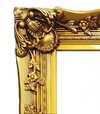
H24-GOLD €30
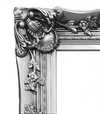
H24-SILVER €30
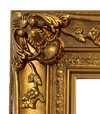
H36-GOLD €45

H36-SILVER €45
iii.
Naj bo tudi vaš
Ročno izdelano sliko je mogoče izdelati posebej za posameznika.
Po oddaji naročila bo ekipa WikiOO.org stranki po e-pošti poslala navodila in zagotovila predogled makete
iv.
Zaključna obработка
Napisna pločica, lak in dostava.
Značka z imenom
Podrobnosti o gravirani bronasti plošči
This elegant plaque features the artist's name and the title of the artwork, finely engraved for a timeless presentation.
It is made from bronze with a refined, elegant finish. The text is precisely laser-engraved for a sharp and permanent result. Measuring 9x2 cm, the plaque is compact yet easy to read. It's built to be durable and scratch-resistant, offering a professional, museum-quality look. Mounting is simple thanks to the included adhesive backing.
Podrobnosti o transparentni akrilni plošči
The plaque includes essential engraved details such as the artist's name, the title of the artwork, the date it was created, the type of media used-like oil on canvas or watercolor-a brief description of the piece, and a QR code that links to the complete artwork information.
It is crafted from clear acrylic, offering a sleek, modern appearance. The text is UV-engraved in black to ensure strong visual contrast. With a size of 10x15 cm, it ensures optimal readability. It comes equipped with two metal hooks for secure wall mounting. The plaque is designed to be weather-resistant, making it suitable for various environments, and it includes interactive features that work seamlessly with smartphone scanning.
Podrobnosti o črni akrilni plošči
This elegant plaque includes engraved information such as the artist's name, the title of the artwork, the date it was created, the type of media used (like oil on canvas or watercolor), a short description of the artwork, and a QR code for quick access to more information.
The plaque itself is made from refined black acrylic with a premium finish. The text is laser-engraved in white for high contrast and readability. Its size is 10x15 cm, designed to be easy to read. It comes with two metal hooks for professional mounting. The design is sleek and fits any interior style. It is also weather-resistant and durable, with built-in digital integration for mobile compatibility.
Zaščitni lak
Nujna proizvodnja
Mednarodna dostava () v 3/4 tednih namesto običajnih 5 tednov. (17 november). Brez kompromisov pri kakovosti.
- Brezplačna ekspresna dostava po vsem svetu
- Visokokakovostno laneno platno
- Popolno zavarovanje pošiljke
- Garancija povračila carine in uvoznih davkov
- Garancija popolnega barvnega ujemanja
- 100-dnevna politika vračil (le v primeru okvar)
- Garancija 100% povračila denarja
- Popust pri večjem naročilu


Hitri podatki in kviz o umetnosti
Sorodni članki

25 Must-See Masterpieces at the National Gallery of Ireland
Discover 25 iconic masterpieces from the National Gallery of Ireland. Explore timeless art and museum-quality finds at WikiOO.org.

Horses of War: The Enduring Legacy of Cavalry in the History of Fine Art
Explore the epic history of cavalry through masterworks from cave art to Impressionism. Trace this enduring equine legacy with us now.

Chronicles of Conflict: The Historical Evolution of Battle Paintings and Military Art
Explore the profound history of military art from ancient reliefs to modern combat painting. Trace the evolution of battle imagery now.

Steel and Splendor: Capturing the Drama of Medieval Warfare Through Fine Art
Explore the visceral history of medieval combat through iconic battle paintings and tapestries. Discover the art of war today.
Sorodna umetniška dela


