
 Pošlji
 Deli
Deli
 Podrobnosti o delu
 Priročnik

 Prenesi sliko
 Podobni izdelki
 Predvajaj diaporama
 Vprašanja in odgovori
 Statistika
L


 Preberi več
Umetniška dela, prikazana na tej strani, so zaščitena z avtorskimi pravicami, kar pomeni, da po zakonu ne moremo ustvarjati ali prodajati identičnih reprodukcij. Ta zaščita se izvaja v skladu z mednarodnimi sporazumi, kot so Bernska konvencija in po nacionalnih zakonih, vključno s tistimi, ki jih določa Zakon o avtorskih pravicah ZDA – naslov 17.
Ta način v celoti upošteva zakonodajo o avtorskih pravicah, saj ne vključuje kopiranja ali podvajanja zaščitenga umetniškega dela. Namesto tega gre za kreativno preinterpretacijo – novo sliko, ki je navdihnjen rezultat originala, vendar ni z njim identična.
Giclée tisk / Umetniški tisk
Giclée ali platnati odtis muzejske kakovosti z hitro proizvodnjo in prilagodljivimi možnostmi končne obdelave. ( Kupite ročno slikano delo Preklop na digitalno sliko)




































Izberite eno od naših vnaprej določenih velikosti, ki ustrezajo prvotnim proporcijam umetničkega dela.

Vnesite širino in višino, ki jih potrebujete za svoj okvir ali steno. Tiskanje se lahko le odreže, vendar ga ni mogoče narediti večjega od slike, zato format z drugačno obliko pomeni izgubo dela slike. Pred tiskanjem vam pošljemo digitalni predogled za potrditev. Slika, prikazana na tej strani, ne prikazuje dejanskega izrezka — le predogled to omogoča.
Globalna dostava () v 2 tednih namesto standardnih 4/5 tednov. (9 november)

Brezplačna ekspresna dostava po vsem svetu

Visokokakovostno laneno platno

Popolno zavarovanje pošiljke

Garancija povračila carine in uvoznih davkov

Garancija popolnega barvnega ujemanja

100-dnevna politika vračil (le v primeru okvar)

Garancija 100% povračila denarja

Popust pri večjem naročilu
 Možnost stekla je na voljo le za velikosti pod 110 cm

L
Giclée tisk / Umetniški tisk
Velikost reprodukcije
-


Skupna cena
€ 55
The Soul in the Grain
To look at this piece is to witness a profound metamorphosis of purpose. Created in 1937, L'Homme emerges from a period when Ron Clive Moody was transitioning from the clinical precision of dentistry to the tactile, demanding reality of woodcarving. There is a certain anatomical intelligence in the way the features are structured, a subtle nod to his medical training that lends the face a structural integrity. The work is carved from oak, a material that requires a firm hand and a deep understanding of resistance. He did not merely shape the wood; he listened to it. The grain of the oak is utilized to define the contours of the face, allowing the natural growth rings of the tree to inform the character of the mask. It is a quiet dialogue between the sculptor and the organic material.
The mask presents a smiling mouth and intricately carved eyes and nose, creating a presence that feels both ancient and immediate. There is a rhythmic quality to the carving, where the interplay of light and shadow across the brown tones of the wood suggests a living breath. It avoids the static nature of many traditional masks, opting instead for a sense of movement held within the stillness of the timber.
A Synthesis of Form
The origins of this aesthetic lie in the encounter with non-Western art, specifically the powerful, symbolic forms found in the British Museum's collections. Moody’s approach to L'Homme reflects a synthesis of his Jamaican roots and his European training. He found a spiritual blueprint in the rhythmic strength of African and indigenous carvings, yet the result is distinctly his own. The work bridges the gap between Caribbean identity and international modernism through its material honesty. He describes wood as a difficult material, one that demands a form, and in this carving, the form seems to have been discovered within the oak rather than imposed upon it.
There is an intimacy in the texture of the surface. The way the chisel has moved across the wood creates a sense of volume that is felt as much as it is seen. It is a work of presence, an evocation of a face that exists in the space between the natural world and the human spirit. Through this piece, the sculptor demonstrates how a single block of wood can be transformed into a vessel for human emotion, using the very essence of the tree to give life to the subject.
Vprašanja in odgovori
Ali je "L" avtorja Ron Clive Moody slika, risba ali grafika?
V katalogu je delo "L" avtorja Ron Clive Moody razvrščeno kot Sculpture. Ta kategorija omogoča iskanje podobnih del.
Ali je za "L" avtorja Ron Clive Moody na voljo diaporama?
Diaporama dela "L" si lahko ogledate na strani Slidešov za to umetniško delo.
Kako lahko prenesem sliko dela "L" avtorja Ron Clive Moody?
Digitalno sliko za "L" lahko prenesete na strani Prenos digitalne slike, kjer je na voljo možnost prenos digitalne slike visoke ločljivosti.
Sorodna umetniška dela


Biografija umetnika
The Soul in the Grain: The Life and Legacy of Ron Clive Moody
Born on August 12, 1900, in the vibrant heart of Kingston, Jamaica, Ron Clive Moody was a sculptor whose hands possessed the rare ability to breathe life into the silent medium of wood. While his early path seemed destined for the clinical precision of medicine—having moved to England in 1923 to pursue dentistry at King's College London—his spirit was irrevocably drawn to the tactile and the expressive. After earning his degree in 1930, Moody underwent a profound metamorphosis, setting aside the scalpel for the chisel. This transition from the scientific to the sculptural allowed him to approach his medium with a unique blend of anatomical understanding and raw, creative intuition.
The genesis of Moody's aesthetic was deeply rooted in his encounters with the British Museum’s vast collection of non-Western art. These ancient, powerful forms provided a spiritual blueprint for his burgeoning style. He found himself captivated by the rhythmic strength and symbolic depth of African and indigenous carvings, which inspired him to teach himself the intricate complexities of woodcarving. His first significant carved figure, Wohin, emerged in 1934, marking the beginning of a prolific career that would bridge the gap between Caribbean identity and international modernism.
Mastery of Form and Symbolism
Moody’s artistic development was characterized by an extraordinary ability to manipulate texture and volume. His sculptures are not merely representations but are evocations of presence. Through his mastery of wood, he captured the essence of human emotion and cultural narrative. His works often possess a rhythmic, organic quality that suggests movement even within the stillness of the grain. This is perhaps most evident in his celebrated pieces such as Midonz (1937) and the profound Savacou (1964), where the interplay of light and shadow on the carved surfaces creates a sense of living breath.
The significance of his work lies in its ability to transcend geographical boundaries. While deeply influenced by the ancestral echoes found in non-Western art, Moody’s voice was distinctly his own—a synthesis of his Jamaican heritage and his European training. His sculptures serve as a testament to the power of cultural fusion, standing as monumental achievements in 20th-century woodcarving. The following elements define his artistic essence:
- Materiality: An intimate, almost spiritual connection to the natural textures of wood.
- Cultural Synthesis: The seamless blending of Caribbean sensibilities with the formal traditions of global non-Western art.
- Anatomical Precision: A subtle nod to his medical training, visible in the structural integrity of his figures.
A Lasting Impression on the Art World
Throughout his life, Ron Clive Moody achieved a level of recognition that placed his work in some of the most prestigious institutions in the world. His sculptures are not merely objects of beauty but historical artifacts that reside within the National Portrait Gallery and Tate Britain in London, as well as the National Gallery of Jamaica. These placements ensure that his contribution to the sculptural canon remains accessible to scholars and art lovers alike, bridging the Atlantic through his carved legacies.
Beyond his individual achievements, Moody belonged to a family of significant intellectual influence, being the brother of the renowned anti-racist campaigner Harold Moody and the award-winning physiologist Ludlow Moody. When he passed away on February 6, 1984, at the age of 83, he left behind more than just a collection of carvings; he left a legacy of transformation. His journey from a dental student to a master sculptor remains an inspiring narrative of following one's true calling, proving that art is not just something one makes, but something one becomes.

Ron Clive Moody
1900 - 1984 , Jamaica
Hitri podatki
- Nationality: American
- Date Of Birth: 1900
- Date Of Death: 1984
- Place Of Birth: Kingston, Jamaica
Sorodni članki

Rosy Brown Hues: 10 Master Paintings & Timeless Decor Ideas |
Explore 10 iconic paintings bathed in captivating rosy brown tones! From Rembrandt to Titian, discover the stories behind these masterpieces & their warm color palettes. Find museum-quality art reproductions and decor inspiration at .

Sandstone & Sunlight: 10 Masterpieces of Earth-Toned Art |
Journey through 10 iconic paintings bathed in 'sand' tones – from Van Gogh to Monet. Explore the stories, techniques & warm palettes of these timeless masterpieces. Find museum-quality art reproductions at and bring classic beauty home.
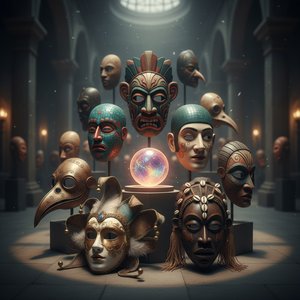
Unveiling the Mystery: A Journey Through the World's Most Iconic Mask Artworks
Embark on a profound journey through the world's most iconic mask artworks. Explore the spiritual depth, intricate craftsmanship, and rich cultural heritage of global traditions, from Chhau to Gomira, in this expert-led exploration of ancestral artistry and symbolic beauty.

Sandy Brown Masterpieces: 10 Iconic Paintings & Timeless Decor Ideas
Explore 10 iconic paintings bathed in captivating sandy brown tones! From Rembrandt to Monet, discover the stories behind these timeless masterpieces & find museum-quality art reproductions for your home. Explore the full collection on WikiOO.org.

Earthy Hues & Masterpieces: Top 10 Paintings with 'Mushroom' Tones |
Explore 10 iconic paintings with captivating 'mushroom' tones! Discover Van Gogh, Monet & Rembrandt’s masterpieces—earthy palettes, rich history & artistic techniques. Find museum-quality art reproductions and curated decor ideas at