
 Pregledaj u prostoru

 Pošalji
 Podeli
 Detalji o delu
 Vodič


 Preuzmi
 Slični predmeti
 Rendgenski snimak
 Automatska prezentacija
 Pitanja i odgovori
 Statistika
Leopard

- 130.0 x 201.0 cm


 Pročitaj više
Umetničko delo prikazano na ovoj stranici zaštićeno je autorskim pravima, što znači da zakonski nismo u mogućnosti da kreiramo niti prodajemo identičnu reprodukciju. Ova zaštita se sprovodi u skladu sa međunarodnim sporazumima kao što su Bernska konvencija i nacionalnim zakonima, uključujući i one koji su definisani u Američki zakon o autorskom pravu – Naslov 17.
Ovaj metod je u potpunosti usklađen sa regulativama o autorskim pravima jer ne podrazumeva kopiranje ili dupliranje zaštićenih umetničkih dela. Umesto toga, reč je o kreativnoj reinterpretaciji – novom slikarskom delu koje je inspirisano originalom, ali nije identično njemu.
Giclee štampa / Umetnički otisak
Giclée štampa ili print na platnu muzejskog kvaliteta uz brzu izradu i raznovrsne opcije završne obrade. ( Kupite ručno oslikano delo Pređi na digitalnu sliku)




P118B дин10

P118H дин10

P118W дин10

P438Z дин10

P508JH дин12

P508YH дин12

P805H дин10

P805Z дин10

P919BZ дин10

P919G дин10

P919XJ дин10

P959ZH дин10

P968JZ дин12

W106C дин8

W218G дин10

W218JH дин8

W218Y дин10

W307PJ дин10

W316G дин10

W316PJ дин8

W316Y дин10

W398PJ дин8

W4111J дин10

W500HY дин15

W500JH дин15

W692G дин12

W849H дин8

W940BG дин15

W953PJ дин8
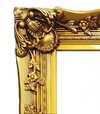
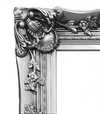
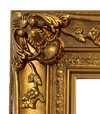

Izaberite jednu od naših unapred definisanih veličina koje odgovaraju originalnim proporcijama umetničkog dela.

Unesite željenu širinu i visinu kako bi se štampa uklopila u vaš ram ili zid. Štampu je moguće samo iseći, ali nikada povećati iznad dimenzija originalne slike, stoga format sa drugačijim proporcijama uzrokuje gubitak dela slike. Pre početka štampe, poslaćemo vam digitalni prikaz radi potvrde. Slika prikazana na ovoj stranici ne predstavlja stvarni isrez — to pokazuje samo digitalni prikaz.
Dostava širom sveta () za 2 nedelje umesto uobičajenih 4/5 nedelja. (20 новембар)

Besplatna ekspresna dostava širom sveta

Visokokvalitetno laneno platno

Potpuno osiguranje transporta

Garancija povraćaja carine i uvoznih dažbina

Garancija vernosti boja

Politika povraćaja u roku od 100 dana (samo u slučaju nedostataka)

Garancija povrata 100% novca

Popust na više proizvoda
 Opcija sa staklom dostupna je samo za dimenzije manje od 110 cm

Leopard
Giclee štampa / Umetnički otisak
Dimenzije reprodukcije
-


Ukupna cena
дин 6488
Identification of the Artwork and Artist
The painting Leopard emerges from the brush of Antonio Laccabue, an artist who navigated a life of profound struggle and transformation. Born in Zurich, Switzerland, in 1899, he would eventually become widely recognized by the name Antonio Ligabue. His existence was marked by a series of intense personal upheavals, including the tragic loss of his mother and brothers, and a period of institutionalization that shaped his unique perspective on the natural world. He lived until 1965, leaving behind a body of work that captures the raw, unyielding essence of survival.
In this work, the artist's hand translates a primal energy onto the surface. The subject, a leopard, occupies the space with a heavy, physical presence. Laccabue’s vision often focuses on the fierce, unscripted moments of the wild, where animals exist in a state of constant, pulsing motion or sudden, heavy stillness. This specific piece, created around 1957, reflects the artist's deep connection to the animal kingdom and his ability to portray the tension inherent in the struggle for life.
His artistic identity is deeply tied to his experiences as an outsider, a man who found his voice through the vivid depiction of creatures and their environments. The following works represent other facets of his creative output:
- Lion, 1935
- Black Widow, 1955
Composition and Visual Elements
A leopard leaps forward, occupying the space of the table obliquely, yet the momentum of the strike has passed. The predator lies on its side, appearing dead or dying against the ground. In the darkness of the bush at the bottom right, a still life emerges from the shadows. A large black widow, a scorpion, and various other insects gather near bird feathers and a human skull, which once belonged to the predator itself. This grim collection rests in the gloom, watching the stillness of the scene.
Life and death occupy different corners of this landscape. Several birds are scattered throughout the composition, some perched and others in flight. Near the left edge of the image, a deer stands watching, its presence adding a quiet tension to the periphery. The arrangement of these creatures creates a sense of a world caught in the immediate aftermath of a struggle for survival.
Technique and Physical Dimensions
The medium breathes through layers of oil, applied with a raw intensity that captures the wildness of the subject. This work is executed in oil on faesite, a choice that lends a specific texture to the predator's form and the surrounding shadows. Every stroke carries the weight of the struggle depicted, as the pigment clings to the surface to define the sharp lines of the leopard and the dark, intricate details of the insects and bones tucked into the brushwork.
The physical presence of the piece varies depending on the record, suggesting a scale that commands attention. It is documented at a large size of 130 x 201 cm, yet other measurements place it at 55 x 54 cm or 48.9 x 68.6 cm. This discrepancy leaves one wondering about the true magnitude of the scene as it occupies the space, whether it is a sprawling window into the bush or a more intimate, concentrated study of life and death.
Related Works by the Artist
The animalistic energy found in this piece echoes through much of the artist's output, where the primal struggle of nature takes center stage. In works like Eagles with fox (1944), the tension between predator and prey pulses with a raw, unrefined intensity. This same spirit lives within The roar, a piece that captures the very essence of a creature's spirit in a single, powerful moment of existence. The wildness of the natural world is never far from his brush, often manifesting in the fierce, unyielding gaze of the creatures he observes.
Beyond the wild landscapes, the artist explores the intersection of the human and the animal through personal reflection. In Self-portrait with dog (1957), he experiments with his own image, blending his identity with the presence of a companion. This curiosity extends to the smaller, more intricate details of life, such as the dark, creeping movements found in Black Widow (1955). Whether focusing on the grand scale of a predator or the minute details of an insect, the focus remains on the visceral reality of survival.
- Lion, about 1935
- Black Widow, 1955
- Eagles with fox, 1944
- The roar
- Self-portrait with dog, 1957
Pitanja i odgovori
Da li je „Leopard”, autor Antonio Laccabue portret, pejzaž ili kvadratna kompozicija?
„Leopard”, autor Antonio Laccabue je kompozicija u Panoramic formatu. Vredno je proveriti proporcije pre odabira veličine printa.
Kada je "Leopard" nastalo i kojem umetničkom pravcu pripada?
Delo "Leopard" nastalo je 1957. godine u okviru Naïve Art pravca. Datum i umetnički pravac čine temelj ovog dela u istoriji umetnosti.
Koja je tehnika i dimenzija originalnog dela „Leopard”, autor Antonio Laccabue?
Delo "Leopard" je izrađeno u tehnici Oil i u svom izvornom obliku ima dimenzije 130 x 201 cm.
Srodna umetnička dela


Biografija umetnika
Rani život i borbe
Antonio Laccabue, poznatiji kao Antonio Ligabue, bio je italijanski slikar, skulptor i gravir rođen u Cirihu, u Švajcarskoj, 1899. godine. Njegov rani život obeležile su teške borbe, a tragičan preokret dogodio se 1913. godine kada su njegova majka i tri njegova brata preminuli usled trovanja hranom. Ovaj događaj doveo je do njegovog izgnanstva iz Švajcarske, nakon čega je bio hospitalizovan u psihijatrijskoj klinici.Umetničko putovanje
Ligabue je počeo da slika 1920. godine, a njegove umetničke sposobnosti prepoznao je Renato Marino Mazzacurati, koji ga je podučavao tehnici slikanja uljanim bojama. Njegovo delo karakterišu žive i jarke slike životinja i pejzaža, što mu je donelo reputaciju jednog od najvažnijih naivnih umetnika 20. veka.Značajna dela i muzeji
Među Ligabueova najistaknutija dela nalaze se:- Orlovi sa lisicom (1944), koji prikazuje njegov jedinstveni spoj realizma i naivnosti.
- Rik, moćan primer njegove sposobnosti da uhvati samu suštinu životinja.
- Autoportret sa psom (1957), koji naglašava njegovo eksperimentisanje sa autoportretom.
Nasleđe i uticaj
Uprkos svom turbulentnom životu, Ligabue je ostavio neizbrisiv trag u svetu umetnosti. Njegova naivnost i upotreba boja uticali su na brojne umetnike, učvrstivši njegovo mesto u annalsima istorije umetnosti.Istražite više na WikiOO
Za dublje istraživanje Ligabueovog umetničkog dela i drugih značajnih umetnika, posetite [https://WikiOO.org/@/antonio-laccabue](https://WikiOO.org/@/antonio-laccabue) i otkrijte ogromnu kolekciju izložene umetnosti.Reference
- [https://www.wikiart.org/en/antonio-ligabue](https://www.wikiart.org/en/antonio-ligabue)
- [https://WikiOO.org/@/antonio-laccabue](https://WikiOO.org/@/antonio-laccabue)

Antonio Laccabue
1899 - 1965 , Švajcarska
Osnovne informacije
- Artistic Movement Or Style: Naivna umetnost
- Artists Or Movements Influenced By This Artist: ['Ekspresionizam']
- Artists Who Influenced This Artist: ['Renato Marino Mazzacurati']
- Date Of Birth: Zürich, Švajcarska (1899)
- Date Of Death: 1965
- Full Name: Antonio Laccabue
- Nationality: Švajcarski
- Notable Artworks:
- Orao sa lisicom
- Rik
- Samoportret sa psom
- Place Of Birth: Švajcarska
Povezani članci

Serene Visions: Exploring Tranquility in Art History & Contemporary Practice
Explore the history of serene landscape art & discover artists who evoke tranquility. Find the perfect calming artwork for your home with expert guidance from WikiOO.

Beyond the Void: Powerful Artworks That Capture the Raw Emotion of Grief
Explore the profound power of art in capturing grief. From Expressionist masterpieces to custom hand-painted memorials, discover how iconic works and bespoke oil reproductions transform raw emotion into timeless, soulful collections for the discerning collector.

Jacques-Laurent Agasse: Pioneering Animalier Painting & Romantic Naturalism
Explore the captivating animal paintings of Jacques-Laurent Agasse (1767-1849). Discover his pioneering realism, Romantic influences & legacy in 19th-century art. Learn about this Swiss master's techniques and impact on wildlife art.

25 Iconic Masterpieces by Henri de Toulouse-Lautrec: The Spirit of Montmartre
Step into the vibrant nightlife of Montmartre with our curated guide to the top 25 Henri de Toulouse-Lautrec masterpieces. Explore Post-Impressionist legends and find museum-quality art reproductions for your decor. Discover all masterpieces on WikiOO.org.

The Presence of Shadow: Chiaroscuro and the Authority of Dark Pigments in Classical Painting
Master the power of chiaroscuro and tenebrism through expert analysis of classical shadows. Explore the depth of the Old Masters today.