
 Pregledaj u prostoru
 Pošalji
 Podeli
 Detalji o delu
 Vodič
Vodič

 Preuzmi
 Slični predmeti
 Rendgenski snimak
 Automatska prezentacija
 Pitanja i odgovori
 Statistika
Ensor aux masques


 Pročitaj više
Giclee štampa / Umetnički otisak
Giclée štampa ili print na platnu muzejskog kvaliteta uz brzu izradu i raznovrsne opcije završne obrade. ( Kupite ručno oslikano delo Pređi na digitalnu sliku)




P118B дин10

P118H дин10

P118W дин10

P438Z дин10

P508JH дин12

P508YH дин12

P805H дин10

P805Z дин10

P919BZ дин10

P919G дин10

P919XJ дин10

P959ZH дин10

P968JZ дин12

W106C дин8

W218G дин10

W218JH дин8

W218Y дин10

W307PJ дин10

W316G дин10

W316PJ дин8

W316Y дин10

W398PJ дин8

W4111J дин10

W500HY дин15

W500JH дин15

W692G дин12

W849H дин8

W940BG дин15

W953PJ дин8




Izaberite jednu od naših unapred definisanih veličina koje odgovaraju originalnim proporcijama umetničkog dela.

Unesite željenu širinu i visinu kako bi se štampa uklopila u vaš ram ili zid. Štampu je moguće samo iseći, ali nikada povećati iznad dimenzija originalne slike, stoga format sa drugačijim proporcijama uzrokuje gubitak dela slike. Pre početka štampe, poslaćemo vam digitalni prikaz radi potvrde. Slika prikazana na ovoj stranici ne predstavlja stvarni isrez — to pokazuje samo digitalni prikaz.
Dostava širom sveta () za 2 nedelje umesto uobičajenih 4/5 nedelja. (11 новембар)

Besplatna ekspresna dostava širom sveta

Visokokvalitetno laneno platno

Potpuno osiguranje transporta

Garancija povraćaja carine i uvoznih dažbina

Garancija vernosti boja

Politika povraćaja u roku od 100 dana (samo u slučaju nedostataka)

Garancija povrata 100% novca

Popust na više proizvoda
 Opcija sa staklom dostupna je samo za dimenzije manje od 110 cm

Ensor aux masques
Giclee štampa / Umetnički otisak
Dimenzije reprodukcije
-


Ukupna cena
дин 6506
A Carnival of Shadows: Unveiling Ensor’s Masked Spectacle
In the hauntingly vibrant canvas of Ensor aux masques, the viewer is not merely an observer but an uninvited guest at a feverish, nocturnal gathering. James Ensor, the Belgian master of the uncanny, presents us with a densely populated tableau where the boundaries between the human and the grotesque dissolve. A sea of figures, predominantly men, press against the edges of our vision, their faces obscured by painted masks that transform the crowd into a singular, undulating entity. There is an undeniable kinetic energy to this composition; as eyes wander across the varying planes of depth, one feels the restless movement of a public assembly caught in a moment of collective trance. The figures, some with mouths agape in silent cries or boisterous laughter, seem to be reacting to an unseen spectacle just beyond the frame, pulling the viewer into their disorienting, rhythmic world.
The aesthetic power of this work lies in its masterful rejection of academic restraint. Rooted deeply in the traditions of Symbolism and Expressionism, Ensor eschews the polished realism of his contemporaries to prioritize a raw, psychological intensity. His technique is visceral; through the use of thick impasto brushstrokes, he lends a physical weight to the paint itself, creating a rugged texture that mirrors the turbulent emotions on display. The color palette is a deliberate study in drama, dominated by deep blacks and piercing reds. These hues do more than just define form; they pulse with a life of their own, heightening the sense of theatricality and contributing to an atmosphere that feels both celebratory and deeply unsettling.
The Psychology of the Mask: Symbolism and Historical Resonance
Beyond the visual spectacle lies a profound exploration of the human psyche. For Ensor, the mask was never merely a festive accessory; it served as a potent symbol of concealment, deception, and the fragmentation of identity. In this piece, the masks represent the layers of social performance—the ways in which individuals suppress their true selves to inhabit roles within the collective. This theme of psychological torment and isolation is woven into the very fabric of the painting, as the painted faces evoke a sense of profound alienation despite the crowded setting. The red hats that punctuate the scene act as visual anchors, adding a rhythmic, almost ritualistic element to the composition that draws the eye through the labyrinthine crowd.
Emerging from the era of significant Belgian artistic experimentation, Ensor aux masques captures the lingering anxieties of the interwar period. While the Symbolist movement was beginning to wane, Ensor used its vocabulary to foreshadow the broader societal disillusionment and the fractured reality of a changing world. For the discerning collector or interior designer, this artwork offers more than just a striking visual; it provides a sophisticated focal point that invites deep contemplation. A high-quality reproduction of this masterpiece brings a sense of historical gravity and avant-garde elegance to any space, serving as a conversation piece that bridges the gap between the visceral energy of the past and the modern appreciation for psychological depth in fine art.
Pitanja i odgovori
Kakvu bi atmosferu reprodukcija dela „Ensor aux masques”, autor Јамес Енсор unela u prostoriju?
„Ensor aux masques”, autor Јамес Енсор odiše Dramatic atmosferom i preporučuje se za Living Room. Raspoloženje je ono što umetničko delo unosi u prostor oko sebe.
Sa kojim osećanjem je povezano "Ensor aux masques"?
„Ensor aux masques“ je povezano sa Dramatic osećajem. Emocionalni ton opisuje utisak koji delo ostavlja.
Da li su boje dela „Ensor aux masques”, autor Јамес Енсор živopisne ili prigušene?
Zasićenost boja u delu "Ensor aux masques" iznosi Balanced Soft, dok je intenzitet Balanced.
Srodna umetnička dela


Biografija umetnika
James Ensor: A Pioneer of Expressionism and Surrealism
James Sidney Edouard, Baron Ensor (Ostend, 13 April 1860 – 19 November 1949) was a Belgian painter and printmaker who stands as one of the most influential figures in the development of Expressionism and Surrealism. Born into an English father and Belgian mother amidst the vibrant atmosphere of Ostend’s seaside resort town, Ensor’s upbringing instilled within him a profound fascination with observation and detail—a foundation upon which he would construct his distinctive artistic vision.
Early Influences and Artistic Training
From a young age, Ensor demonstrated an exceptional talent for drawing and painting. Encouraged by his parents' operation of a souvenir shop brimming with curiosities and carnival masks – a veritable cabinet of wonders that ignited his imagination – he pursued formal artistic training at the Académie Royale des Beaux-Arts in Brussels. Despite encountering resistance from the rigid academic conventions of the time, Ensor quickly recognized the necessity of forging his own path, prioritizing experimentation and personal expression above all else.
The Emergence of Grotesque Vision
Around 1886–87, Ensor embarked on a transformative artistic journey, rejecting Impressionistic ideals in favor of a bold embrace of grotesque imagery. Influenced by Rembrandt’s masterful use of chiaroscuro, the unsettling visions of Francisco Goya, and the evocative symbolism of Japanese woodcuts, he developed a highly personal iconography characterized by jarring juxtapositions of color and form.
Major Works and Recurring Themes
Ensor's oeuvre is marked by an unparalleled exploration of psychological complexity and social critique. Paintings like *The Oyster-eater* (1882) exemplify his meticulous attention to detail and his ability to convey profound emotional resonance, while *Christ’s Entry into Brussels* (1888–89), arguably his magnum opus, remains a monumental satire of religious hypocrisy—a painting initially met with vehement disapproval but now universally recognized as a cornerstone of Expressionist art.
Legacy and Influence
James Ensor's uncompromising artistic vision profoundly impacted subsequent generations of artists. His rejection of academic formalism, coupled with his fearless confrontation of taboo subjects and his masterful manipulation of visual language—particularly the use of bold brushstrokes and vibrant hues—established him as a pivotal figure in the genesis of Expressionism and Surrealism. Today, Ensor’s work continues to inspire awe and provoke contemplation, serving as a timeless reminder that art possesses the capacity to unsettle conventions and illuminate the darkest recesses of human consciousness.

Јамес Енсор
1860 - 1949 , Бележија
Osnovne informacije
- Artistic Movement Or Style:
- Симболизам
- Експресионизам
- Artists Or Movements Influenced By This Artist:
- Експресионизам
- Сурреализам
- Artists Who Influenced This Artist:
- Питер Бругел Стари
- Франсиско Гоја
- Џејмс Ејбот Макнил Вистлер
- Date Of Birth: 1860
- Date Of Death: 1949
- Full Name: James Sidney Edouard Ensor
- Nationality: Белегијац
- Notable Artworks:
- Христово улазак у Брисл
- Човек са жаљењем
- Једеница са острима
- Муке Светог Антона
- Скелети који се боре око hanging man
- Place Of Birth: Остенд, Бележија
Povezani članci

Masterpieces of the Equine Artist: Top 25 Works by Sir Alfred James Munnings
Explore 25 iconic equestrian works by Sir Alfred James Munnings. Discover timeless British masterpieces on WikiOO.org.
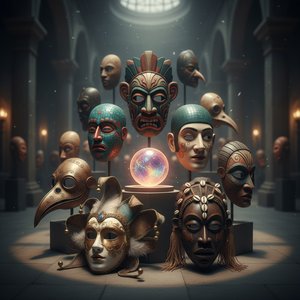
Unveiling the Mystery: A Journey Through the World's Most Iconic Mask Artworks
Embark on a profound journey through the world's most iconic mask artworks. Explore the spiritual depth, intricate craftsmanship, and rich cultural heritage of global traditions, from Chhau to Gomira, in this expert-led exploration of ancestral artistry and symbolic beauty.

Crimson Threads of Narrative: Exploring Symbolism & Representation in Artworks Featuring the Red Dress
Explore the rich symbolism of the red dress in art history! From ancient power displays to iconic portraits like Cézanne’s 'Madame Cezanne', discover the cultural and artistic significance behind this captivating color. Expert analysis & insights.

Džems Abbot MekNil Whistler: 25 Remek-dela Majstora Tonalizma | WikiOO
Istražite 25 remek-dela Džemsa Abota MekNila Whistler-a! Uronite u svet Tonalizma, portreta i prelepog pejzaža. Kupite vrhunske reprodukcije slika na WikiOO.org i obogatite svoj enterijer luksuznom umetnošću.

James Ensor's Grotesque Visions: Social Commentary & Artistic Innovation
Explore the unsettling yet captivating world of James Ensor, a pioneer of Expressionism. Discover his satirical masterpieces, symbolic imagery & lasting influence on modern art. High-quality reproductions available at WikiOO.

