


 Förhandsvisa
 Skicka
 Dela
Dela
 Visa detaljer
 Guide
Guide

 Ladda ner
 Liknande objekt
 Röntgen
 Bildspel
 Q&A
Q&A Statistik
Look closer
Every detail, painted by hand
Explore Max Ernst’s ‘untitled (6939)’, a haunting surrealist painting depicting asylum patients. Discover its unsettling imagery & themes of isolation via this iconic work.
i.
The heart of the scene.
ii.
Light and background.
iii.
The brushwork.
The painting
A Descent into the Psyche: Exploring Max Ernst’s Haunting Vision
This striking black and white photograph captures a painting by Max Ernst – a work deeply rooted in the anxieties and explorations of the human subconscious. The image presents a surreal and unsettling scene, immediately drawing the viewer into a world that feels both familiar and disturbingly alien. It's a powerful example of Ernst’s contribution to both Dadaism and Surrealism, movements dedicated to challenging artistic conventions and probing the depths of the psyche.Subject Matter & Composition
The composition centers around three figures lying on wheeled beds within what appears to be an institutional setting – likely an asylum or psychiatric ward. The most arresting element is a central figure suspended from the ceiling by a rope, a stark and dramatic focal point that evokes feelings of helplessness and despair. The high, vaulted ceiling with visible support beams reinforces a sense of confinement and isolation. Ernst masterfully employs perspective to create depth, layering figures and utilizing receding lines to enhance the dreamlike quality of the scene. The overall arrangement is deliberately illogical, contributing to the painting’s surreal character.Style & Technique
Ernst's style here leans heavily into Surrealism, characterized by its embrace of the irrational, the unexpected juxtaposition of imagery, and a focus on the subconscious mind. While we are viewing a photograph *of* the painting, evidence suggests Ernst employed traditional oil painting techniques – brushstrokes are visible upon close inspection. This lends a tactile quality to the work, contrasting with the cold, sterile environment depicted. The use of black and white further amplifies the sense of unease and stark reality.Symbolism & Interpretation
The symbolism within this piece is rich and multi-layered. The beds can be interpreted as representing passive acceptance or a state of vulnerability. The suspended figure powerfully symbolizes hopelessness, potentially alluding to themes of suicide or the restraints imposed upon those struggling with mental illness. The sterile environment itself speaks volumes – a lack of comfort, warmth, and humanity within an institutional context. Ernst wasn’t simply depicting a scene; he was exploring the internal landscape of trauma, isolation, and the fragility of the human mind.Historical Context & Artistic Legacy
Max Ernst (1891-1976) was a pivotal figure in 20th-century art. His early exposure to philosophy, psychology, and psychiatry profoundly influenced his artistic vision. As a Dadaist, he rejected logic and reason, embracing absurdity as a response to the horrors of World War I. Later, as a Surrealist, he delved into the realm of dreams and the subconscious, inspired by the theories of Sigmund Freud. This work exemplifies Ernst’s ability to translate complex psychological concepts into visually arresting imagery. His innovative techniques – such as frottage and grattage – further cemented his place as a pioneer of modern art.Emotional Impact & Interior Design Considerations
The painting evokes a strong sense of unease, melancholy, and introspection. It’s not a piece intended to provide comfort or joy; rather, it challenges the viewer to confront difficult emotions and contemplate the darker aspects of the human experience. A reproduction of this work would be a powerful statement in an interior space – best suited for environments that embrace intellectual curiosity and artistic depth. Consider placing it in a study, library, or living room with minimalist décor to allow its emotional weight to resonate without distraction.- Its monochrome palette makes it versatile, complementing various color schemes.
- The dramatic composition serves as a compelling focal point.
- It’s an excellent conversation starter for those interested in art history and psychology.
Frågor och svar
Är färgerna i "untitled (6939)" av Max Ernst mättade eller dämpade?
Färgerna i "untitled (6939)" av Max Ernst har en Muted mättnad. Mättnad beskriver hur livfulla eller dämpade färgerna är.
Vad förklarar upphovsrättssituationen för "untitled (6939)" av Max Ernst?
"untitled (6939)" av Max Ernst är fortfarande skyddat av upphovsrätt. Upphovsrätten löper från konstnärens dödsår, vilket var 1976.
Är färgerna i "untitled (6939)" av Max Ernst klara eller dämpade?
"untitled (6939)" av Max Ernst återges med en Muted mättnad och en Monochromatic intensitet.
Detta konstverk är upphovsrättsligt skyddat
Konstverket som visas på denna sida skyddas av upphovsrättslagen, vilket innebär att vi inte lagligt kan skapa eller sälja en identisk reproduktion. Detta skydd upprätthålls genom internationella avtal såsom den Bernkonventionen och genom nationella lagar, inklusive de som fastställs av Amerikansk upphovsrättslag – Titel 17. Alla rättigheter förbehållna. Återgivning av konstverk är förbjuden utan skriftligt tillstånd från WahooArt.
Som ett respektfullt och lagligt alternativ erbjuder vi skräddarsydda, handmålade konstverk inspirerade av originalet. Våra skickliga och professionella konstnärer studerar noggrant originalets stil, stämning och konstnärliga essens för att skapa ett nytt, unikt verk som väcker samma känsla – samtidigt som det förblir en originell skapelse i egen rätt.
Denna metod följer fullt ut upphovsrättsliga regler eftersom den inte innebär kopiering eller duplicering av det skyddade konstverket. Istället är det en kreativ nytolkning – en ny målning som är influerad av originalet men inte identisk med det.
 Läs mer
Max Ernst
1891 - 1976, Tyskland
The painter
Max Ernst (1891-1976): En surrealistisk pionjär med innovativa tekniker som frottage och collage. Hans konst utforskar drömmar, det undermedvetna & samhällets mörka sidor. #MaxErnst #Surrealism
Konstnärsbiografi
A Life Immersed in the Surreal
Max Ernst, född Maximilian Maria Ernst den 2 april 1891 i Brühl, och död den 1 april 1976 i Paris, var en tysk målare, grafiker och skulptör som verkade inom både dadaismen och surrealismen. Hans konstnärsbana var inte en traditionell akademisk väg utan snarare en självständig utforskning driven av filosofiska funderingar, psykologisk fascination och en djup misstro mot samhällets normer. Ernsts far, en lärare för döva och en amatörmålare, lade grunden till hans konstintresse genom att både ge honom en ömhet för världen och en rebellisk inställning mot etablerade auktoriteter. Denna tidiga dualitet skulle prägla hela hans konstnärliga vision.
Ernsts studier vid Bonn universitet – omfattande filosofi, konsthistoria, litteratur, psykologi och psykiatri – var inte bara intellektuella sysslor utan snarare fundamentala element som djupt påverkade hans senare verk. Han var inte bara intresserad av *hur* man målar; han brottades med *varför*. Denna intellektuella nyfikenhet ledde honom till att möta de banbrytande verken av Picasso, Van Gogh och Gauguin vid Sonderbund-utställningen i Köln 1912 – en händelse som omedelbart förändrade hans konstnärliga bana. Fröet till modernismen var sått.
Dada’s Disruption and the Birth of Surrealist Visions
Första världskrigets katastrof utgjorde en vändpunkt i Ernsts liv. Hans erfarenheter som soldat på både öst- och västfronten lämnade honom djupt traumatiserad, vilket framkallade en djup misstro mot etablerade ordningar och en längtan efter nya former av expression. Denna desillusionering fann fruktbar grund i den uppstigande dadaismen, som han omfamnade helhjärtat efter sin återkomst till Köln 1918. Tillsammans med Hans Arp – en livslång vän och samarbetare – blev Ernst en central figur i Kölns dada-grupp, som avvisade traditionella konstnärliga konventioner och omfamnade absurditet, slump och anti-rationalitet.
Dada var dock bara ett steg på vägen. I de tidiga 1920-talet emigrerade Ernst till Paris och anslöt sig till Surrealistkretsen, ledd av André Breton. Detta markerade en övergång mot utforskandet av drömmarnas värld, det omedvetna sinnet och den irrationella. Påverkade av Sigmund Freuds psykoanalytiska teorier sökte Ernst att låsa upp de dolda djupen i mänsklig erfarenhet genom sin konst. Han var inte intresserad av att skildra verkligheten som den såg ut utan snarare av att avslöja de underliggande psykologiska krafterna som formade den.
Pioneering Techniques: Frottage, Grattage, and Collage
Ernsts konstnärliga innovation sträckte sig bortom ämnesval; han var en skoningslös experimentator med teknik. Han tog inte bara befintliga metoder – han uppfann nya. Kanske hans mest kända bidrag är frottage, en process att gnugga pencil eller kol på texturerade ytor för att skapa oväntade och suggestiva bilder. Denna teknik, född ur ett ögonblick av tristess under observationen av träets ådring, tillät Ernst att komma åt det omedvetna och generera former som trotsade medveten kontroll. Nära relaterat var grattage, där färg skrapas över duken för att avslöja de underliggande lagren.
Han behärksade också collage, att sammanställa olika element – bilder från tidningar, vetenskapliga illustrationer – i surrealistiska kompositioner som utmanade konventionella föreställningar om representation. Dessa tekniker var inte bara stilval – de var integrerade i hans utforskning av det omedvetna och hans strävan efter att störta traditionella konstnärliga gränser. Hans målningar präglas ofta av återkommande symboliska bilder: fåglar (särskilt hans alter ego Loplop), ödsliga landskap, oroande sammansättningar och en genomträngande känsla av mysterium.
A Legacy of Innovation and Influence
Utbrottet av andra världskriget tvingade Ernst att fly Europa och söka skydd i USA. Han fortsatte att måla och experimentera med nya tekniker under sin exil, och återvände till Frankrike efter kriget där han var aktiv fram till sin död den 1 april 1976 i Paris.
Max Ernsts bidrag till Dada och Surrealismen var inget annat än banbrytande. Han utmanade konstnärliga normer, grävde djupare in sig i det omedvetna sinnet och uppfann innovativa tekniker som fortsätter att inspirera konstnärer idag. Han var inte bara en målare; han var en utforskare, en provocerare och en visionär som utvidgade konstens gränser själva.
- Major Works: The Entire City, Euclides, Of This Men Shall Know Nothing, Forest and Dove
- Influences: Pablo Picasso, Vincent van Gogh, Paul Gauguin, Sigmund Freud, Giorgio de Chirico
- Movements: Dada, Surrealism
Quick facts about Max Ernst
- Artistic Movement Or Style: Dada och Surrealism
- Artists Or Movements Influenced By This Artist:
- Surrealism
- Dada
- Artists Who Influenced This Artist:
- Picasso
- Van Gogh
- Gauguin
- Date Of Birth: 2 april 1891
- Date Of Death: 1 april 1976
- Full Name: Max Ernst
- Nationality: Tysk-amerikansk, fransk
- Notable Artworks:
- Ofrenda funeraria
- The Equivocal Woman
- L'Ange du foyer
- Place Of Birth: Brühl, Tyskland


Handgjord oljereproduktion
Have it painted for you
Handgjord oljereproduktion
Handmålad olja på duk i din valda storlek och ram, tillverkad efter beställning av våra konstnärer. ( Byt till tryck Byt till digital bild)

Your commission

untitled (6939)
Reproduktionsmetod
Storlek på reproduktion
-

Elitkonstnär av högsta klass
Mer detaljrikedom, finess och extra produktionstid
-

Inramning av reproduktion
-
-
För konstverk eller reproduktioner som är större än 105 cm (cirka 41 tum) på någon sida, levereras ramen som ett isärplockat kit. Denna metod säkerställer en trygg leverans och förhindrar skador under transport.
Professionell montering krävs – detta är inte en produkt för självmontering.
Kitet måste monteras och duken spännas av en erfaren professionell inramare med hjälp av trälim (ingår ej), en spänntång för duk och klämmor för att hålla sargen rak medan limmet torkar. Felaktig montering eller ojämn spänning av duken kan orsaka permanenta skador på konstverket och täcks
 För konstverk eller reproduktioner som är större än 105 cm (cirka 41 tum) på någon sida, levereras ramen som ett isärplockat kit. Denna metod säkerställer en trygg leverans och förhindrar skador under transport.
Alla massiva träribbor ingår, exakt tillkapade efter mått.
Monteras med de medföljande skruvarna, samt trälim för hörnfogarna, vilket inte ingår och måste anskaffas av din ramverkare.
Professionella verktyg krävs och ingår ej: en dukspännare och klämmor för att hålla listerna raka medan limmet torkar.
Viktigt:
Hörnjunctionerna kräver trälim, listerna måste hållas på plats med tvingar tills limmet har torkat helt, och för att spänna duken på den monterade ramen krävs en spänntång för duk. Inget av detta ingår i kitet. Vänligen kontakta en erfaren professionell rammakare innan du beställer denna storlek.

Namnskylt
-
-

Skyddande fernissa
Glansig fernissa (förstärker färgerna, skyddar mot ljus och fukt)
-

Anpassa mitt konstverk
Exempel på vad som kan ändras: Byt ut ansiktet mot ett foto från kunden; Lägg till ett husdjur (t.ex. byt ut en katt mot en hund); Inkludera ett dolt meddelande i bakgrunden; Ändra bakgrundens landskap eller detaljer.
-

Expressleverans
Leverans över hela världen () inom 3–4 veckor istället för standardiserade 5 veckor. (30 oktober). Inga kompromisser med kvaliteten.
-
Expressleverans
Leverans över hela världen () inom 5 veckor. (6 november).
Ingår
Slutgiltigt pris
Skr 3164
Glasalternativet är endast tillgängligt i storlekar under 110 cm.
i.
Scale
Slide to your wall: every size keeps the proportions of the original.
Välj bland våra förinställda storlekar som motsvarar konstverkets ursprungliga proportioner.

Ange den bredd och höjd du behöver för att passa din ram eller din vägg. Eftersom detta är handmålat kan konstnären, vid ett annat format, måla lite mer runt bilden eller beskära den något – det är du som väljer. Vi skickar en digital mockup för godkännande innan målningen påbörjas. Bilden som visas på denna sida representerar inte det slutgiltiga resultatet — det är endast mockuppen som visar det.
ii.
Frame
The frame is drawn on the painting at its true width.
Inramad

White Skr1

Blurside Skr1

Extended Skr1

P118B Skr10

P118H Skr10

P118W Skr10

P438Z Skr10

P508JH Skr12

P508YH Skr12

P805H Skr10

P805Z Skr10

P919BZ Skr10

P919G Skr10

P919XJ Skr10

P959ZH Skr10

P968JZ Skr12

W106C Skr8

W218G Skr10

W218JH Skr8

W218Y Skr10

W307PJ Skr10

W316G Skr10

W316PJ Skr8

W316Y Skr10

W398PJ Skr8

W4111J Skr10

W500HY Skr15

W500JH Skr15

W692G Skr12

W849H Skr8

W940BG Skr15

W953PJ Skr8

H24-GOLD Skr30

H24-SILVER Skr30

H36-GOLD Skr45

H36-SILVER Skr45
iii.
Make it yours
A painting made by hand can be made for one person.
iv.
Finishing
Nameplate, varnish and delivery.
Namnskylt
Detaljer för graverad bronsplatta
This elegant plaque features the artist's name and the title of the artwork, finely engraved for a timeless presentation.
It is made from bronze with a refined, elegant finish. The text is precisely laser-engraved for a sharp and permanent result. Measuring 9x2 cm, the plaque is compact yet easy to read. It's built to be durable and scratch-resistant, offering a professional, museum-quality look. Mounting is simple thanks to the included adhesive backing.
Detaljer för transparent akrylplatta
The plaque includes essential engraved details such as the artist's name, the title of the artwork, the date it was created, the type of media used-like oil on canvas or watercolor-a brief description of the piece, and a QR code that links to the complete artwork information.
It is crafted from clear acrylic, offering a sleek, modern appearance. The text is UV-engraved in black to ensure strong visual contrast. With a size of 10x15 cm, it ensures optimal readability. It comes equipped with two metal hooks for secure wall mounting. The plaque is designed to be weather-resistant, making it suitable for various environments, and it includes interactive features that work seamlessly with smartphone scanning.
Detaljer för svart akrylplatta
This elegant plaque includes engraved information such as the artist's name, the title of the artwork, the date it was created, the type of media used (like oil on canvas or watercolor), a short description of the artwork, and a QR code for quick access to more information.
The plaque itself is made from refined black acrylic with a premium finish. The text is laser-engraved in white for high contrast and readability. Its size is 10x15 cm, designed to be easy to read. It comes with two metal hooks for professional mounting. The design is sleek and fits any interior style. It is also weather-resistant and durable, with built-in digital integration for mobile compatibility.
Skyddande fernissa
Expressproduktion
Leverans över hela världen () på 3–4 veckor istället för standard 5 veckor. (30 oktober). Inga kompromisser med kvaliteten.
- Fri expressfrakt över hela världen
- Högkvalitativ linnecanvas
- Fullständig fraktförsäkring
- Garantier för återbetalning av tullavgifter
- Garantier för exakt färgåtergivning
- 100 dagars returrätt (endast vid fel)
- 100% pengarna tillbaka-garanti
- Mängdrabatt erbjuds


Quick facts and art quiz
Relaterade artiklar

Dreamscapes & Disrupted Realities: Exploring Surrealism's Enduring Influence
Explore the fascinating world of Surrealism! Discover its origins, key artists like Dalí & Magritte, and enduring influence on art & culture. Expert insights & high-quality reproductions at WikiOO.
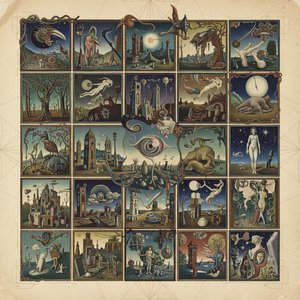
Max Ernsts 25 Mästerverk: Surrealismens Geni i Konst och Hemmets Atmosfär
Utforska Max Ernsts 25 mest ikoniska surrealistiska målningar och collage. Lär känna historien bakom dadaismens genier och expressionismens färgstarka värld. Hitta inspiration till din heminredning med museumskvalitativa konsttryck på WikiOO.org.

Mästverk i Svart: Topp 10 målningar dominerade av lampkolstoner – Konst & Inredning
Utforska 10 ikoniska målningar dominerade av lampkolstoner – från Rembrandts djupa skuggor till Manets dramatik. Lär känna konsthistorien och hitta inspiration för ditt hem. Köp reproduktioner av högsta kvalitet på WikiOO.org.

Förvärv och Användning av Högupplösta Digitala Bilder: En Guide för Konstsamlare
En omfattande guide för konstsamlare om förvärv och användning av högupplösta digitala bilder. Lär dig om bildkvalitet, upplösning, rättigheter och framtidens teknik.
Liknande konstverk


