

 Önizle
 Gönder
 Paylaş
 Detaylar
 Rehber

 Dosyayı İndir
 Benzerleri
 X-Işını
 Slayt Gösterisi
 İstatistikler
Satyr


 Devamını Oku
El Yapımı Yağlı Boya Reproduksiyon
Sanatçılarımız tarafından sipariş üzerine hazırlanan; istediğiniz boyut ve çerçevede, tuval üzerine el boyaması yağlı boya. ( Baskı Satışına Geç Dijital Görsel Satışına Geç)




P118B ₺10

P118H ₺10

P118W ₺10

P438Z ₺10

P508JH ₺12

P508YH ₺12

P805H ₺10

P805Z ₺10

P919BZ ₺10

P919G ₺10

P919XJ ₺10

P959ZH ₺10

P968JZ ₺12

W106C ₺8

W218G ₺10

W218JH ₺8

W218Y ₺10

W307PJ ₺10

W316G ₺10

W316PJ ₺8

W316Y ₺10

W398PJ ₺8

W4111J ₺10

W500HY ₺15

W500JH ₺15

W692G ₺12

W849H ₺8

W940BG ₺15

W953PJ ₺8




Eserin orijinal oranlarıyla uyumlu, önceden belirlenmiş boyutlarımız arasından seçim yapın.

Çerçevenize veya duvarınıza uygun olması için ihtiyacınız olan genişliği ve yüksekliği yazın. Bu eser el boyamasıdır; bu nedenle farklı bir formdaki boyutlar için sanatçı, resmin etrafına biraz daha fazla boya ekleyebilir veya biraz daha kırpabilir — seçim sizin. Boyama işlemi başlamadan önce onaylamanız için size bir dijital taslak gönderiyoruz. Bu sayfada gösterilen resim gerçek sonucu yansıtmamaktadır — gerçek sonucu yalnızca taslak göstermektedir.
Siparişten sonra, WikiOO.org ekibi talimatlar için müşteriye e-posta gönderecek ve bir taslak önizleme sunacaktır
Dünya Çapında Teslimat (); standart 5 hafta yerine 3/4 haftada. (27 Ekim). Kaliteden ödün verilmez.

Dünya Çapında Ücretsiz Ekspres Kargo

Yüksek Kaliteli Keten Tuval

Tam Nakliye Sigortası

Gümrük Vergisi İadesi Garantisi

Gerçek Renk Uyumu Garantisi

100 Günlük İade Koşulları (Sadece Üretim Hatalı Ürünler İçin)

%100 Para İade Garantisi

Toplu Alım Avantajı
 Cam seçeneği yalnızca 110 cm altındaki boyutlar için mevcuttur.

Satyr
Baskı Tekniği
Baskı Boyutu
-


Toplam Fiyat
₺ 12984
The Mythic Embrace of Benvenuto Cellini's Satyr
Benvenuto Cellini’s “Satyr” stands as a captivating testament to the dynamism and sensual allure that defined the Mannerist period in Italian art. Completed around 1545, this bronze sculpture transcends mere representation; it embodies the very spirit of Dionysian revelry and the untamed beauty of the natural world. More than just a depiction of a mythological creature, Cellini’s satyr is an embodiment of potent emotion – a moment frozen in time, brimming with both mischievous energy and a profound, almost melancholic contemplation.
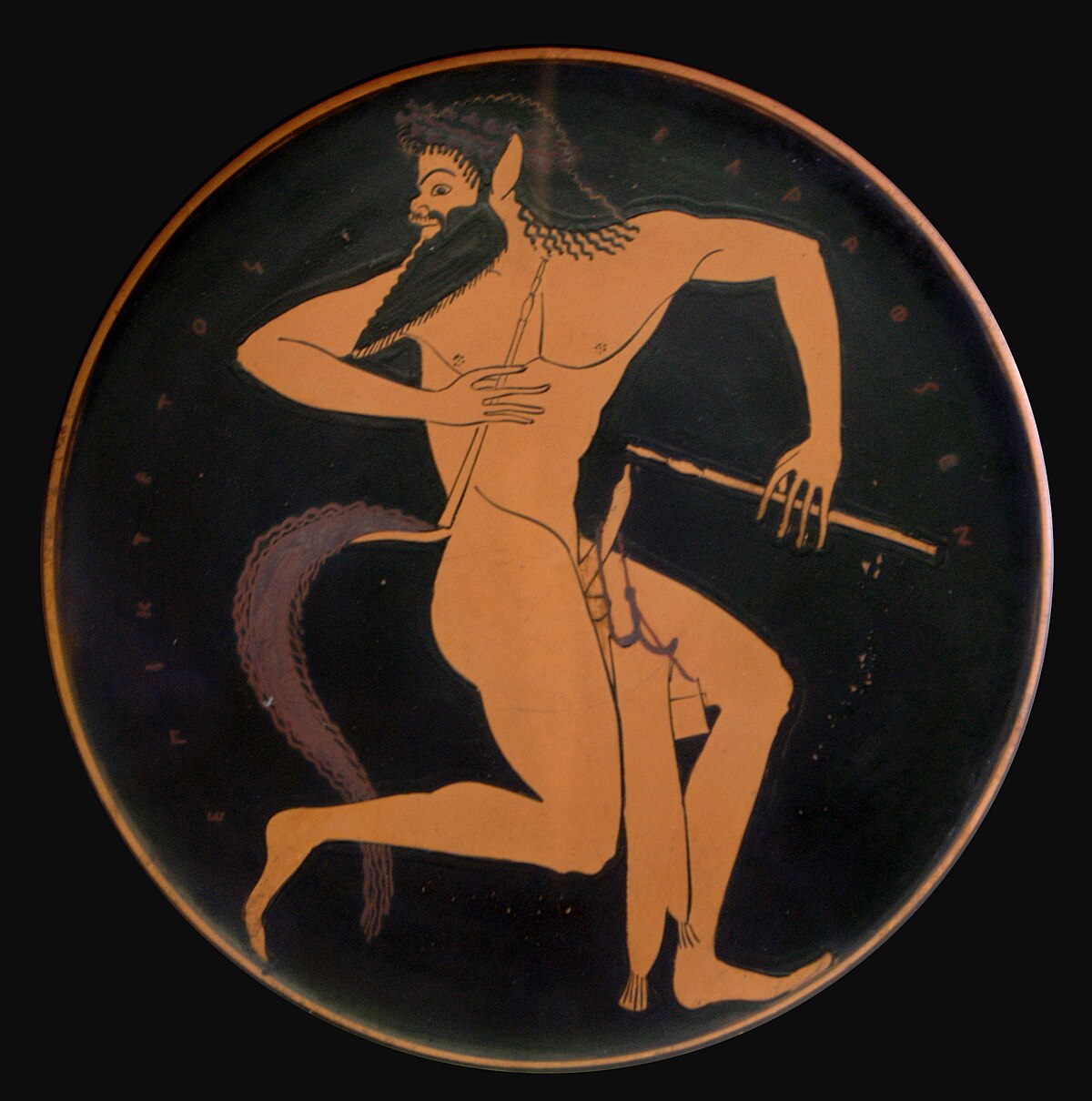
The sculpture itself is a marvel of technical skill and expressive form. Standing nearly four feet tall, the satyr is rendered in a remarkably realistic style, yet imbued with an unmistakable Mannerist flair. His muscular physique, accentuated by the strong lines of his arms and belly, speaks to a primal vitality – a celebration of the body’s inherent power. The details are exquisite: the unruly curls of his hair, the intense gaze of his eyes, the subtle suggestion of a mischievous grin. Notably, the bronze is treated with a rich, aged patina that adds depth and character, hinting at the passage of time and the sculpture's journey through history.
A Glimpse into Renaissance Mythology
Cellini’s satyr isn’t simply a charming figure from Greek mythology; it’s deeply rooted in the cultural context of the 16th century. Satyrs, companions to the god Dionysus, were traditionally associated with wildness, intoxication, music, and fertility – potent symbols of human desires and impulses. In Renaissance Florence, these themes resonated powerfully, particularly within the circles of artists and intellectuals who sought to reconcile classical ideals with contemporary sensibilities. Cellini’s work reflects this complex interplay, capturing both the exuberance and the underlying melancholy inherent in the satyr's existence.
The sculpture’s creation coincided with Cellini’s time at the court of Francis I of France, a period marked by lavish patronage and an embrace of Mannerist aesthetics. This royal commission further elevated the work, imbuing it with a sense of grandeur and sophistication. The choice of bronze as the medium itself is significant – a material prized for its durability, luster, and ability to capture intricate detail.
Symbolism and Artistic Technique
Beyond its mythological subject matter, “Satyr” is rich in symbolic meaning. The satyr’s gesture—raised hand, as if reaching out or beckoning—suggests an invitation into a world of pleasure and abandon. The sculpture's composition, with the satyr presented in profile, creates a sense of intimacy and immediacy, drawing the viewer into his gaze. Cellini masterfully employed techniques such as *repoussé* (hammering metal from the reverse side to create relief) and *chasing* (using tools to refine the surface of the metal), demonstrating his exceptional skill as a goldsmith and sculptor.
The sculpture’s hollow back, filled with fragments of burnt clay and wooden pegs, is particularly intriguing. This deliberate inclusion suggests a layering of meaning—a reference to the satyr's connection to the earth and the cyclical nature of life and death. It also hints at Cellini’s own fascination with materials and his desire to create works that were both beautiful and intellectually stimulating.
A Timeless Masterpiece
Benvenuto Cellini’s “Satyr” remains a powerful and evocative work of art, captivating viewers with its blend of mythological narrative, technical brilliance, and emotional depth. It is a window into the Renaissance world—a celebration of human creativity, sensual desire, and the enduring power of myth. Reproductions by WikiOO offer an exceptional opportunity to bring this iconic masterpiece into your home or office, allowing you to appreciate its beauty and complexity for years to come.
Soru ve Cevaplar
"Satyr" eserinin Tall formatı sergilemek için nerede önerilir?
Benvenuto Cellini imzalı "Satyr" için kaydedilen iki yerleşim bilgisi; format (Tall) ve önerilen alandır (Living Room).
"Satyr" için artırılmış gerçeklik ön izlemesi mevcut mu?
Uyumlu bir cihazda artırılmış gerçekliği kullanarak, eserin AR Önizleme sayfası aracılığıyla Benvenuto Cellini imzalı "Satyr" adlı çalışmayı kendi duvarınızda önizleyebilirsiniz.
Benvenuto Cellini imzalı "Satyr" eseri bugün nerede sergileniyor?
Benvenuto Cellini imzalı "Satyr", National Gallery of Art, Washington, USA bünyesinde sergilenmektedir. Müze listelemesi reprodüksiyonları değil, eserin orijinalini ifade eder.
İlgili Eserler


Sanatçı Biyografisi
Rönesans’ın Çok Yönlü Dehası: Benvenuto Cellini
Benvenuto Cellini, 1500 yılının Kasım ayında Floransa’da doğmuş, İtalyan Rönesansı'nın en parlak ve karmaşık figürlerinden biridir. Sadece altıncı olarak değil, aynı zamanda heykeltıraş, ressam, asker, müzisyen ve yazar kimliğiyle de öne çıkmıştır. Hayatı boyunca sergilediği çok yönlülük ve gösterişli kişiliği, sanat dünyasına kazandırdığı eserler kadar dikkat çekicidir. Özellikle otobiyografisi, sanatsal başarılarının yanı sıra edebi bir şaheser olarak kabul edilir ve Rönesans döneminin ruhunu yansıtan önemli bir kaynaktır.
Erken Yaşamı ve Sanat Eğitimine Başlangıç
Müzikle iç içe büyüyen Cellini’nin babası, yetenekli bir müzisyen ve enstrüman yapımcısıydı. Genç yaşta müziğe ilgi duymasına rağmen, on beş yaşında altıncılık kariyerine yönelme kararı alır. Babasının ilk başta isteksiz olmasına rağmen, Antonio di Sandro (Marcone olarak bilinir) yanında çıraklık yaparak resmi sanat eğitimine başlar. Bu dönemde yaşadığı olaylar hayatının akışını değiştirir; henüz on altı yaşındayken bir kavga nedeniyle Floransa’dan sürülür ve Siena’da Fracastoro’nun atölyesinde çalışmaya başlar. Bu zorlu başlangıç, onun karakterini şekillendiren ve sanatsal vizyonunu geliştirmesine katkıda bulunan önemli bir deneyim olur.
Sanat Eserleri ve Tarzı
Cellini'nin sanat anlayışı, dinamizmi, gerçekçiliği ve detaylara verdiği önemle öne çıkar. Antik Yunan ve Roma sanatından ilham almış, Michelangelo’nun güçlü figürlerinden etkilenmiştir. Ancak eserlerine kendine özgü bir Rönesans ruhu katmıştır; uzatılmış formlar, abartılı pozlar ve teatral bir hava, onun tarzının belirgin özelliklerindendir. En önemli eserlerinden bazıları şunlardır:
- Tuzluk (Cellini Salt Cellar): Fransa Kralı I. Francis tarafından sipariş edilen bu muhteşem gümüş eseri, Cellini’nin en ünlü yapıtlarından biridir. İnce detayları ve hareketli figürleriyle dikkat çeken tuzluk, günümüzde Viyana Kunsthistorisches Müzesi'nde sergilenmektedir.
- Medusa’nın Başını Kesen Perseus: Bronzdan yapılmış bu heykel, Perseus’un Medusa’nın başını zaferle elinde tuttuğu anı tasvir eder. Cellini’nin form ve kompozisyon ustalığını gözler önüne seren eser, hareketin ve duygunun etkileyici bir ifadesidir.
- Leda ve Kuğu Madalyonu: Gonfaloniere Gabriello Cesarino için yaratılan bu madalyon, Cellini’nin klasik mitolojiyi eşsiz zanaatkarlığıyla birleştirme yeteneğini gösterir.
Sanatın Ötesindeki Hayatı: Asker, Müzisyen ve Otobiyografi Yazarı
Cellini'nin hayatı sadece atölye ile sınırlı kalmamıştır. Roma’yı imparatorluk güçlerine karşı savunurken cesur bir asker olarak görev yapmış, kuşatmalar sırasında önemli rol oynadığını iddia etmiştir. Aynı zamanda yetenekli bir müzisyen olup, papalığın sarayında kornet ve flüt çalmıştır. Ancak onu diğerlerinden ayıran en önemli özellik otobiyografisidir.
- Benvenuto Cellini’nin Hayatı: Bu samimi ve çoğu zaman övücü anlatı, Rönesans sanatına, kültürüne ve toplumuna dair değerli bilgiler sunar. Patronslar, rakipler ve kişisel maceralarla dolu sürükleyici bir hikaye olan otobiyografi, dönemin benzersiz bir perspektifini ortaya koyar.
Otobiyografisi sadece olayların kronolojik bir anlatımı değildir; yeteneklerini sergilemek ve eylemlerini haklı çıkarmak için özenle hazırlanmış bir özportredir. Bazen Cellini’nin kendi önyargıları nedeniyle güvenilirliği tartışmalı olsa da, Rönesans yaşamını anlamak için vazgeçilmez birincil kaynaktır.
Mirası ve Tarihi Önemi
Benvenuto Cellini, 1571 yılında Floransa’da hayatını kaybetti. Geride, Mannerizm sanatının en önemli temsilcilerinden biri olarak büyük bir miras bıraktı. Teknik becerisi, sanatsal yenilikleri ve büyüleyici otobiyografisi, günümüzde de sanatçıları ve sanatseverleri etkilemeye devam ediyor. Rönesans idealini temsil eder; çok disiplinli yeteneklere sahip, hırslı ve bireyselliğini ifade etmekten çekinmeyen bir dahi.

Benvenuto Cellini
1500 - 1571 , İtalya
Kısa Bilgiler
- Bu Sanatı Etkileyenler: ['Michelangelo']
- Doğum Tarihi: 1 Kasım 1500
- Doğum Yeri: Floransa, İtalya
- Sanatsal Akım: Mannerizm
- Tam Adı: Benvenuto Cellini
- Uyruğu: İtalyan
- Ölüm Tarihi: 13 Şubat 1571
- Önemli Eserleri:
- Perseus Medusa Başıyla
- Cellini Tuzluğu
İlgili Yazılar

Bronze Sculptures That Defined Art History | WikiOO
Journey through art history with our Top 10 bronze sculptures! Explore masterpieces by Rodin, Michelangelo & more. Discover stories behind iconic statues and find museum-quality reproductions for your home decor at WikiOO.org.

The Enduring Legacy of Bronze: A Historical & Artistic Exploration for the Collector
Explore the rich history & enduring appeal of bronze sculpture with expert insights for collectors at WikiOO. Learn about casting techniques, iconic artists, collecting tips & contemporary interpretations.

The Enduring Legacy of Bronze Sculpture: A Collector's Guide to Form & Cultural Significance
Explore the rich history & enduring appeal of bronze sculpture with expert insights for collectors at WikiOO. Learn about casting techniques, iconic artists, and collecting tips to build a discerning art collection.

The Enduring Legacy of Bronze: History, Technique & Artistic Expression for the Collector
Explore the rich history & enduring appeal of bronze sculpture with expert insights for collectors at WikiOO. Learn about casting techniques, iconic artists, and collecting tips.

Bronze Age to Modern Masters: 10 Sculptures That Redefined Art | WikiOO
Journey through art history with 10 legendary bronze sculptures – from Michelangelo's David to Rodin’s Thinker. Explore the stories, techniques & timeless beauty of these masterpieces. Find museum-quality reproductions & elevate your home decor on WikiOO.org.

