
 Gerçek Boyutta Önizle
 Paylaş
 Paylaş
 Detayları Gör
 Rehber

 İndir
İndir
 Benzer ürünler
 X-Işını
 Slayt Gösterisi
 Soru & Cevap
 İstatistikler
Ensor aux masques


 Tümünü Gör
Giclée / Sanat Baskısı
Hızlı üretim ve esnek bitiş seçenekleriyle müze kalitesinde giclée veya kanvas baskı. ( El Yapımı Tablo Satın Al Dijital Görsele Geç)




P118B ₺10

P118H ₺10

P118W ₺10

P438Z ₺10

P508JH ₺12

P508YH ₺12

P805H ₺10

P805Z ₺10

P919BZ ₺10

P919G ₺10

P919XJ ₺10

P959ZH ₺10

P968JZ ₺12

W106C ₺8

W218G ₺10

W218JH ₺8

W218Y ₺10

W307PJ ₺10

W316G ₺10

W316PJ ₺8

W316Y ₺10

W398PJ ₺8

W4111J ₺10

W500HY ₺15

W500JH ₺15

W692G ₺12

W849H ₺8

W940BG ₺15

W953PJ ₺8




Eserin orijinal oranlarıyla uyumlu, önceden belirlenmiş boyutlarımız arasından seçim yapın.

Çerçevenize veya duvarınıza uygun olması için ihtiyacınız olan genişlik ve yüksekliği yazın. Bir baskı yalnızca kesilebilir, görselden daha büyük hale getirilemez; bu nedenle farklı bir formdaki boyut seçimi, görselin bir kısmının kaybına neden olur. Herhangi bir baskı yapmadan önce onaylamanız için size bir dijital taslak gönderiyoruz. Bu sayfada gösterilen resim gerçek kesimi göstermez — bunu yalnızca taslak gösterir.
Dünya Çapında Teslimat (); standart 4/5 hafta yerine 2 haftada. (11 Kasım)

Dünya Çapında Ücretsiz Ekspres Kargo

Yüksek Kaliteli Keten Kanvas

Tam Nakliye Sigortası

Gümrük Vergisi İadesi Garantisi

Gerçek Renk Uyumu Garantisi

100 Günlük İade Politikası (Sadece Kusurlu Ürünler İçin)

%100 Para İade Garantisi

Toplu Alım İndirimi
 Cam seçeneği yalnızca 110 cm altındaki boyutlar için mevcuttur.

Ensor aux masques
Giclée / Sanat Baskısı
Reproduksiyon Boyutu
-


Toplam Tutar
₺ 3060
A Carnival of Shadows: Unveiling Ensor’s Masked Spectacle
In the hauntingly vibrant canvas of Ensor aux masques, the viewer is not merely an observer but an uninvited guest at a feverish, nocturnal gathering. James Ensor, the Belgian master of the uncanny, presents us with a densely populated tableau where the boundaries between the human and the grotesque dissolve. A sea of figures, predominantly men, press against the edges of our vision, their faces obscured by painted masks that transform the crowd into a singular, undulating entity. There is an undeniable kinetic energy to this composition; as eyes wander across the varying planes of depth, one feels the restless movement of a public assembly caught in a moment of collective trance. The figures, some with mouths agape in silent cries or boisterous laughter, seem to be reacting to an unseen spectacle just beyond the frame, pulling the viewer into their disorienting, rhythmic world.
The aesthetic power of this work lies in its masterful rejection of academic restraint. Rooted deeply in the traditions of Symbolism and Expressionism, Ensor eschews the polished realism of his contemporaries to prioritize a raw, psychological intensity. His technique is visceral; through the use of thick impasto brushstrokes, he lends a physical weight to the paint itself, creating a rugged texture that mirrors the turbulent emotions on display. The color palette is a deliberate study in drama, dominated by deep blacks and piercing reds. These hues do more than just define form; they pulse with a life of their own, heightening the sense of theatricality and contributing to an atmosphere that feels both celebratory and deeply unsettling.
The Psychology of the Mask: Symbolism and Historical Resonance
Beyond the visual spectacle lies a profound exploration of the human psyche. For Ensor, the mask was never merely a festive accessory; it served as a potent symbol of concealment, deception, and the fragmentation of identity. In this piece, the masks represent the layers of social performance—the ways in which individuals suppress their true selves to inhabit roles within the collective. This theme of psychological torment and isolation is woven into the very fabric of the painting, as the painted faces evoke a sense of profound alienation despite the crowded setting. The red hats that punctuate the scene act as visual anchors, adding a rhythmic, almost ritualistic element to the composition that draws the eye through the labyrinthine crowd.
Emerging from the era of significant Belgian artistic experimentation, Ensor aux masques captures the lingering anxieties of the interwar period. While the Symbolist movement was beginning to wane, Ensor used its vocabulary to foreshadow the broader societal disillusionment and the fractured reality of a changing world. For the discerning collector or interior designer, this artwork offers more than just a striking visual; it provides a sophisticated focal point that invites deep contemplation. A high-quality reproduction of this masterpiece brings a sense of historical gravity and avant-garde elegance to any space, serving as a conversation piece that bridges the gap between the visceral energy of the past and the modern appreciation for psychological depth in fine art.
Soru ve Cevaplar
James Ensor imzalı "Ensor aux masques" reprodüksiyonu bir odaya nasıl bir atmosfer katardı?
James Ensor imzalı "Ensor aux masques", Dramatic bir atmosfere sahiptir ve Living Room için önerilir. Ruh hali, eserin çevresindeki mekana kattığı duygudur.
"Ensor aux masques" hangi duyguyu çağrıştırıyor?
"Ensor aux masques", Dramatic bir duyguyla ilişkilendirilir. Duygusal ton, eserin uyandırdığı izlenimi tanımlar.
James Ensor imzalı "Ensor aux masques" eserinin renkleri canlı mı yoksa mat mı?
"Ensor aux masques" eserinin renk doygunluğu Balanced Soft, renk yoğunluğu ise Balanced düzeyindedir.
Benzer Eserler


Sanatçı Özgeçmişi
Erken Yaşam, Aile ve Sanatsal Eğitim
James Ensor, 13 Nisan 1860 tarihinde Belçika'nın Ostend şehrinde dünyaya geldi. Kimliği, özel bir kültürel kesişimin etkisiyle şekillenmişti: Babası James Frederic Ensor, Brüksel'de İngiliz ebeveynlerden doğmuştu; annesi Maria Catherina Haegheman ise Belçikalıydı. Bu ikili miras, sanatçının bakış açısına, yerel geleneklerin dar sınırlarının ötesine geçen bir temel sağladı. Sanatçı, çocukluğu boyunca Ostend'de ailesi tarafından işletilen bir hediyelik eşya dükkanının duvarları arasında büyüdü. Bu ortam, sadece bir ikametgah değil, aynı zamanda tuhaf ve süslemeli nesnelerin bir hazinesiydi. Dükkan; deniz kabukları, karnaval maskeleri ve sanatçının ilerideki eserleri için görsel bir kelime dağarcığı oluşturacak olan nev-i şahsına münhasır nesnelerle doluydu.
Sanat alanındaki resmi eğitimi, bir deneme yanılma süreciydi. Akademinin disiplinli ortamına girmeden önce, iki yerel ressamın yanında sanatsal eğitimine başladı. Bu erken dönem eğitimi, daha sonra manipüle edeceği ve çarpıtacağı teknik temelleri oluşturdu. 1877 ile 1880 yılları arasında Brüksel'deki Académie Royale des Beaux-Arts'a devam etti. Akademik duvarların arasında bile ilgi alanları, kurumun katı beklentilerinden uzak ve kendine özgü kalmaya devam etti. O, statükonun bir öğrencisi değildi; o, Ostend'de etrafını saran nesnelerin bir öğrencisiydi.
Sanatsal Üslubunun Evrimi
James Ensor’un erken dönem eserleri, olgunluk dönemini tanımlayan o derin psikolojik sürtünmeden henüz yoksundur. Russian Music (1881) ve The Drunkards (1883) gibi yapıtlarında, daha ağırbaşlı ve gerçekçi bir çerçeve içerisinde hareket eder. Bu kompozisyonlar, mat tonlara ve gündelik yaşamın geleneksel tasvirlerine dayanır; sanatçının görsel dili radikal bir dönüşüm geçirmeden önce, gerçekçiliğin ağırlığına hala bağlı olduğunu gösterir. Ancak zamanla bu ölçülülüğü terk ederek, konu başlıkları giderek tuhaflaştıkça renk paletini belirgin şekilde canlandıran bir yolculuğa çıkar.
Grotesk olanın keşfi, maskelere duyulan özel bir hayranlıktan beslenmiştir. Ailesinin hediyelik eşya dükkanında bulunan karnaval maskelerinin plastik formları ve yoğun renkleri, onu adeta büyülemiştir. Bu nesneler sadece birer aksesuar değil, sanatçının estetiğinin merkezine yerleşen temel unsurlar haline gelmiştir. Ensor, bu maskeleri natürmortlarına dahil ederek sahnelerine tiyatral bir nitelik kazandırmış ve evsel huzuru bozmak için onları birer araç olarak kullanmıştır. Akıl dışına doğru atılan bu adım, sanatçının basit bir temsilden sıyrılıp psikolojik gerilimin hüküm sürdüğü bir evrene geçiş yapmasına olanak tanımıştır.
- The Scandalized Masks (1883)
- The Oyster Eater (1882/1883)
- The Man of Sorrows (1891)
Temel Eserler ve Ana Temalar
James Ensor’un maske ve grotesk olanla olan derin bağı, modern çağın psikolojik gerilimleriyle doğrudan bir bağ kurar. The Scandalized Masks (1883) adlı eserinde, karnaval motifini toplumsal maskeleri soymak için kullanarak, gizlenmenin gücüne dair erken dönem bir ilgi inşa etmiştir. Tiyatral ve huzursuz edici olana duyulan bu hayranlık, yalnızca üslupsal bir tercih değil, kimliği keşfetmenin bir yöntemiydi. Sanatçının 1882 tarihli The Oyster Eater çalışması, ışık ve rengi kullanma yeteneğinin farklı bir yönünü sergiler; kız kardeşi Mitche'yi, Antwerp Salonu'nun muhafazakâr duyarlılıklarına meydan okuyan bir sahnede betimler. Tablonun yerleşik düzen tarafından reddedilmesi, sanatçının vizyonu ile dönemin katı normları arasındaki sürtüşmeyi gözler önüne serer.
Sanatçının daha saldırgan ve dışavurumcu formlara yönelişi, en belirgin şekilde anıtsal kompozisyonlarında kendini gösterir. Christ's Entry Into Brussels (1888-1889), modern toplumu hicvetmek için grotesk figürlerden oluşan kaotik ve parlak renkli bir geçit törenini kullanarak, yirminci yüzyıl Ekspresyonizm'inin bir öncüsü işlevi görür. Bu varoluşsal mücadele hissi, İsa'nın acılarını bir Japon Noh tiyatrosu maskesinin sarsıcı imgeleriyle birleştiren The Man of Sorrows (1891) adlı yağlı boya tablosunda daha da derinleşir. Bu tür eserler, dini ve alegorik temaları insan davranışı ve toplumsal kayıtsızlığa karşı duyulan derin bir hayal kırıklığını ifade etmek için kullanan bir adamı ortaya koyar.
Ölüm ve varoluşun absürtlüğü, sanatçının üretiminin merkezinde kalmaya devam eder. Skeletons Fighting over a Hanged Man (1891), izleyiciyi çürüme ve ölüm gerçeğiyle yüzleştirmek için iskelet figürlerini kullanır. Günah, ayartılma ve görünümlerin kırılganlığı gibi yinelenen bu temalar, eserlerinin çalışma konusu olarak güçlü kalmasını sağlar. James Ensor'un bu karanlık ve çoğu zaman rahatsız edici gerçekleri tutarlı bir görsel dile dönüştürme yeteneği, onun modernizme geçişteki katkısını tanımlayan temel unsurdur.
Eserlerini Bugün Nerede Görebiliriz?
James Ensor’un büyük uluslararası koleksiyonlardaki varlığı, modernizmin gelişimindeki kalıcı etkisini kanıtlar niteliktedir. Anvers'te, Kraliyet Güzel Sanatlar Müzesi, The Man of Sorrows ve The Oyster Eater adlı iki önemli esere ev sahipliği yapmaktadır. Bu parçalar, dini gerilimden gündelik sahnelere kadar uzanabilen bir sanatçının teknik çeşitliliğini gözler önüne serer. Onun etkisi Atlas Okyanusu'nun ötesine, New York'taki Museum of Modern Art'ın Tribulations of Saint Anthony eserini koruduğu topraklara kadar uzanır. Bu çalışma, sanatçının tuhaf ve psikolojik olanın sınırlarına doğru yaptığı yolculuğun temel bir örneği olmaya devam etmektedir.
Onun imgelerinin erişim alanı küresel bir boyuta sahiptir. Los Angeles'taki Getty Center, en sert toplumsal eleştirilerini yansıtan devasa bir kompozisyon olan Entry of Christ into Brussels eserini barındırır. Bu sırada, Fort Worth'taki Kimbell Art Museum, Skeletons Warming Themselves tablosuna ev sahipliği yapmaktadır. Dünyanın farklı noktalarına dağılmış bu mekanlar, akademik normlara uymayı reddeden o kendine has görsel dilinin, akademisyenlerden gözlemcilere kadar geniş ve çeşitli bir kitle için ulaşılabilir kalmasını sağlamaktadır.
- The Man of Sorrows
- The Oyster Eater
- Tribulations of Saint Anthony
- Entry of Christ into Brussels
- Skeletons Warming Themselves

James Ensor
1860 - 1949 , Belçika
Kısa Bilgiler
- Artistic Movement Or Style:
- Sembolizm
- Ekspresyonizm
- Artists Or Movements Influenced By This Artist:
- Ekspresyonizm
- Sürrealizm
- Artists Who Influenced This Artist:
- Pieter Bruegel the Elder
- Francisco Goya
- James Abbott McNeill Whistler
- Date Of Birth: 1860
- Date Of Death: 1949
- Full Name: James Sidney Edouard Ensor
- Nationality: Belçikalı
- Notable Artworks:
- Christ's Entry into Brussels
- The Man of Sorrows
- The Oyster Eater
- Tribulations of Saint Anthony
- Skeletons Fighting over a Hanged Man
- Place Of Birth: Ostend, Belçika
Benzer Yazılar

Masterpieces of the Equine Artist: Top 25 Works by Sir Alfred James Munnings
Explore 25 iconic equestrian works by Sir Alfred James Munnings. Discover timeless British masterpieces on WikiOO.org.
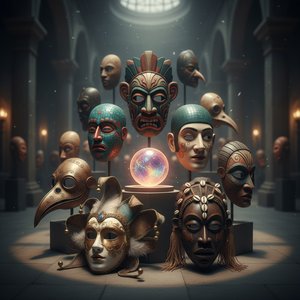
Unveiling the Mystery: A Journey Through the World's Most Iconic Mask Artworks
Embark on a profound journey through the world's most iconic mask artworks. Explore the spiritual depth, intricate craftsmanship, and rich cultural heritage of global traditions, from Chhau to Gomira, in this expert-led exploration of ancestral artistry and symbolic beauty.

Crimson Threads of Narrative: Exploring Symbolism & Representation in Artworks Featuring the Red Dress
Explore the rich symbolism of the red dress in art history! From ancient power displays to iconic portraits like Cézanne’s 'Madame Cezanne', discover the cultural and artistic significance behind this captivating color. Expert analysis & insights.

James Abbott McNeill Whistler'ın En İyi 25 Eseri: Sanat ve Dekorasyon Rehberi | WikiOO
James Abbott McNeill Whistler'ın en iyi 25 eserini keşfedin! Amerikan empresyonizminin öncüsü Whistler'ın nocturne resimleri, portreleri ve sanat tarihine damga vuran diğer başyapıtları WikiOO.org'da. Ev dekorasyonunuz için lüks tabloları inceleyin.

James Ensor's Grotesque Visions: Social Commentary & Artistic Innovation
Explore the unsettling yet captivating world of James Ensor, a pioneer of Expressionism. Discover his satirical masterpieces, symbolic imagery & lasting influence on modern art. High-quality reproductions available at WikiOO.

