Переглянути в інтер'єрі
 Надіслати як листівку
 Поділитися
 Деталі витвору
 Посібник

 Завантажити
 Схожі екземпляри
 Рентгенівське дослідження
 Слайд-шоу
 Q&A
Q&A Статистика
Look closer
Every detail, painted by hand
Constable’s groundbreaking use of paint and his dedication to portraying natural landscapes cemented his legacy as a pioneer of Romanticism. His meticulous preparatory sketches and studio materials further illuminate the artistic process behind these enduring masterpieces.
i.
The heart of the scene.
ii.
Light and background.
iii.
The brushwork.
The painting
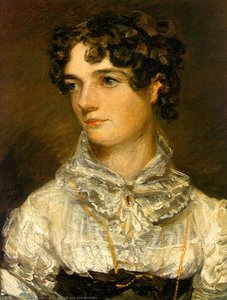
Mini Mute – John Constable: A Symphony of Rural Tranquility
The painting “Mini Mute,” attributed to John Constable (1776-1837), encapsulates the Romantic spirit’s fascination with capturing the sublime beauty of the English countryside. More than just a depiction of a pastoral scene, it's an embodiment of Constable’s profound connection to his surroundings and his masterful ability to translate atmospheric conditions onto canvas—a skill that cemented his legacy as one of Britain’s foremost landscape painters.Subject Matter & Composition
The artwork portrays a serene rural vista dominated by a modest church nestled amidst rolling meadows. At the forefront sits a horse-drawn carriage, its two horses diligently pulling it along a winding road – a common motif in Constable's oeuvre reflecting the daily life of rural communities. Scattered figures populate the landscape, adding to the sense of immediacy and capturing fleeting moments of human interaction within the grandeur of nature. A dog accompanies the scene, subtly reinforcing the theme of companionship and domestic tranquility. Finally, a tranquil body of water—likely the River Stour—completes the composition, mirroring the sky above and creating a harmonious visual balance. Constable’s meticulous attention to detail ensures that every element contributes to the overall impression of peaceful rural existence.Style & Technique: Constable's Revolutionary Approach
Constable distinguished himself from his contemporaries through an unprecedented commitment to portraying nature as it truly appeared—not idealized but imbued with palpable emotion. Unlike many artists who sought to impose a preconceived aesthetic vision, Constable meticulously observed and recorded the subtle shifts in light and color that characterize the diurnal cycle of the countryside. His technique involved layering thin washes of pigment onto prepared canvases, building up tonal gradations with delicate brushstrokes – a method championed by Constable himself as he insisted on capturing the very essence of what he saw. The use of impasto—thickly applied paint—particularly noticeable in areas like the church spire and the horse’s mane—adds textural richness and reinforces the impression of atmospheric depth, mirroring the rugged beauty of the landscape itself.Historical Context & Romantic Ideals
“Mini Mute” emerged during the height of the Romantic movement (roughly 1800-1850), a period characterized by an intense reaction against Enlightenment rationalism and a renewed appreciation for imagination and emotion. Artists like Constable sought to express spiritual experience rather than simply represent visual reality, reflecting the broader cultural preoccupation with sublime landscapes—those vistas that inspire awe and terror simultaneously. The painting aligns perfectly with Romantic ideals of individualism, communion with nature, and contemplation of the divine – themes central to the artistic sensibilities of the era. Constable’s work stands as a testament to this transformative shift in artistic thought, prioritizing feeling over form and capturing the sublime beauty of the English countryside.Symbolism & Emotional Impact
The church steeple serves as a visual anchor, symbolizing faith and permanence amidst the ephemeral beauty of the meadow—a deliberate juxtaposition that underscores Constable’s Romantic conviction that nature possesses an inherent moral authority. The horse-drawn carriage represents tradition and rural labor, grounding the scene in the everyday realities of Victorian England. More profoundly, “Mini Mute” evokes a feeling of serenity and contemplation – inviting viewers to immerse themselves in the tranquil atmosphere of the countryside and appreciate the sublime grandeur of God’s creation. Constable's masterful rendering of light and color—particularly the diffused glow illuminating the church spire—creates an emotional resonance that transcends mere visual representation, transporting the viewer into the heart of a timeless pastoral scene.Питання та відповіді
Для якого приміщення та з якою метою рекомендується "mini mute"?
«mini mute» роботи Констабль рекомендується для Accent, ідеально — у Living Room. Поєднання способу використання та простору допоможе визначити, де саме пасуватиме репродукція.
Яку атмосферу привносить «mini mute» роботи Констабль в інтер'єр?
Romantic-атмосфера твору «mini mute» роботи Констабль ідеально пасує до рекомендованого простору: Living Room.
Яка техніка використана у творі "mini mute"?
«mini mute» виконано в техніці Acrylic On Canvas.

Констабль
1776 - 1837, Великобританія
The painter
Джон Констебл – видатний британський художник-пейзажист, що революціонізував жанр! Його емоційні картини з мальовничих краєвидів Саффока захоплюють дух. Відкрийте для себе шедеври!
Біографія митця
A Life Rooted in the English Landscape
John Constable, born in 1776 in the idyllic Suffolk village of East Bergholt, wasn’t merely a painter of landscapes; he was a poet of the land, translating its subtle moods and enduring beauty onto canvas with an unprecedented emotional depth. His father, a prosperous corn merchant who owned both Dedham Vale and mills along the River Stour, provided not only financial security but also the very subject matter that would define Constable’s artistic life. This early immersion in the rural world – the slow rhythm of agricultural life, the ever-changing light on fields and water, the intimate details of nature – became indelibly etched into his sensibility. While initially destined to follow his father into business, a burgeoning passion for art, nurtured by local patrons like George Beaumont who introduced him to the works of Claude Lorrain, ultimately steered him toward a different path. Constable’s artistic journey wasn’t immediate; it was a gradual unfolding, shaped by careful observation and a persistent desire to capture not just *what* he saw, but *how* it felt to be present within the landscape.Breaking with Convention: A New Vision of Nature
Constable’s artistic development was marked by a deliberate rejection of prevailing academic conventions. Dissatisfied with the idealized and often theatrical landscapes favored by the Royal Academy, he sought instead a truthful representation of nature, imbued with personal feeling. He wasn't interested in grand historical narratives or mythological scenes; his focus remained steadfastly on the familiar countryside surrounding him. This commitment to depicting ordinary subjects – hay wains, farm buildings, village life – was initially met with resistance from critics who deemed his work too commonplace and lacking in ambition. However, Constable persevered, driven by a conviction that beauty resided in the everyday. He pioneered a technique of *plein air* painting, venturing outdoors to directly observe and capture the fleeting effects of light and weather. This direct engagement with nature allowed him to infuse his canvases with an immediacy and vitality previously unseen in British landscape art. His brushwork became increasingly loose and expressive, employing impasto – thick layers of paint – to create texture and convey a sense of movement and atmosphere. He wasn’t simply recording what he saw; he was translating his emotional response to the land into visual form.Iconic Works and Lasting Influence
Constable's most celebrated works stand as testaments to his unique vision. The Hay Wain (1821), perhaps his most recognizable painting, depicts a quintessential rural scene on the River Stour, capturing the tranquility and harmony of agricultural life. Hadleigh Castle (1829) showcases his dramatic use of light and atmospheric effects, transforming a crumbling ruin into a powerful symbol of time’s passage. The series of paintings depicting Salisbury Cathedral from the Meadows (1831) demonstrates his ability to evoke different moods and times of day, revealing the cathedral as an integral part of the natural landscape. Netley Abbey (1824), with its evocative depiction of architectural grandeur amidst encroaching nature, exemplifies his skill in blending human creation with the wild beauty of the countryside. Despite facing initial struggles for recognition in England, Constable achieved considerable acclaim in France, where his innovative techniques and emotional depth resonated deeply with artists seeking a more naturalistic approach to landscape painting. He profoundly influenced the Barbizon School, a group of French painters who shared his commitment to *plein air* painting and direct observation of nature.Personal Life & Final Years
Constable’s personal life was marked by both joy and sorrow. He married Maria Bicknell in 1816, and they had seven children, though sadly several did not survive infancy. His marriage provided him with emotional support but also financial strain. Elected a Royal Academician in 1829, he continued to face criticism from some quarters, particularly regarding his unconventional techniques. His later years were shadowed by Maria’s declining health and eventual death in 1828, an event that deeply affected him. Despite these hardships, Constable remained dedicated to his art, continuing to paint until his own passing on March 31, 1837. He left behind a rich artistic legacy—a testament to his unwavering commitment to capturing the beauty and emotional resonance of the English countryside. His paintings remain powerful evocations of a bygone era, inviting viewers to experience the landscape through his uniquely sensitive eyes.Influences & Artistic Development
Constable’s artistic journey was shaped by several key influences. Initially, he admired the works of 17th-century Dutch masters like Ruisdael, particularly their ability to capture atmospheric effects and convey a sense of light and shadow. He also drew inspiration from Claude Lorrain, whose idealized landscapes provided a foundation for his own explorations of the English countryside. However, Constable ultimately broke free from these traditional influences, developing a distinctly personal style characterized by loose brushwork, vibrant colors, and an emphasis on emotional expression. His meticulous studies of nature – often undertaken *en plein air* – allowed him to capture the subtle nuances of light, color, and texture that defined the English landscape. He wasn't simply copying what he saw; he was interpreting it through his own unique artistic vision. His rejection of academic conventions and his embrace of direct observation paved the way for future generations of landscape painters, including the Impressionists.A Legacy of Emotional Resonance
John Constable’s historical significance lies not only in his artistic innovations but also in his profound impact on the development of landscape painting. He challenged academic conventions, elevated the status of ordinary subjects, and paved the way for a more personal and emotionally expressive approach to art. His emphasis on direct observation, atmospheric effects, and truthful representation of nature anticipated many of the concerns of later Impressionist painters. He demonstrated that landscape could be a vehicle for profound emotional expression, capable of evoking feelings of nostalgia, tranquility, and awe. Though he faced financial hardship throughout much of his career, and died relatively young in 1837, his legacy endures. Today, Constable is celebrated as one of Britain’s greatest artists, whose paintings continue to captivate audiences with their beauty, sincerity, and enduring power. His work serves as a poignant reminder of the profound connection between humanity and the natural world, and the transformative potential of art to capture its essence.Quick facts about Констабль
- Artistic Movement Or Style: Романтизм
- Artists Or Movements Influenced By This Artist: ['Barbizon School']
- Artists Who Influenced This Artist:
- Claude Lorrain
- Ruisdael
- Date Of Birth: 11 червня 1776
- Date Of Death: 31 березня 1837
- Full Name: John Constable
- Nationality: Британський
- Notable Artworks:
- The Hay Wain
- Salisbury Cathedral
- Hadleigh Castle
- Place Of Birth: East Bergholt, UK


Олійная репродукція ручної роботи
Have it painted for you
Олійная репродукція ручної роботи
Написана вручну олією на полотні у вашому розмірі та рамі, виготовлена на замовлення нашими художниками. ( Перейти до друку Перейти до цифрових зображень)

Your commission

mini mute
Матеріал репродукції
Розмір репродукції
-

Видатний майстер-художник
Більше деталізації, витонченості та додаткового часу на створення твору
-

Рама для репродукції
-
-
Для творів мистецтва або репродукцій, розмір яких перевищує 105 см (приблизно 41 дюйм) з будь-якого боку, рама доставляється у вигляді розібраного комплекту. Такий метод гарантує безпечну доставку та запобігає пошкодженням під час транспортування.
Потребує професійного збирання — це не продукт для самостійного виготовлення (DIY).
Комплект має бути зібраний, а полотно натягнуте досвідченим майстром багетних робіт із використанням клейового дерева (не входить у комплект), щипців для натягування полотна та затискачів, щоб підрамник залишався рівним під час висихання клею. Неправильне збирання або нерівномірне натягування полотна може призвести до незворотного пошкодження твору мистецтва, що не підпадає під дію нашої гарантії.
 Для творів мистецтва або репродукцій, розмір яких перевищує 105 см (приблизно 41 дюйм) з будь-якого боку, рама доставляється у вигляді розібраного комплекту. Такий метод гарантує безпечну доставку та запобігає пошкодженням під час транспортування.
У комплект входять усі бруски з цільного дерева, точно вирізані за розміром.
Збирається за допомогою гвинтів, що входять до комплекту, а також клейового розчину для кутових з'єднань, який не входить до комплекту і має бути підготовлений вашим майстром.
Потрібні професійні інструменти, які не входять до комплекту: щипці для натягування полотна (натягувач) та затискачі, щоб утримувати рейки рівно під час висихання клею.
Важливо:
Для з'єднання кутів потрібен клей для дерева, перекладини необхідно затиснути струбцинами до повного висихання клею, а для натягування полотна на зібрану раму знадобляться щипці для натягування полотна. Жоден із цих інструментів не входить до комплекту. Будь ласка, проконсультуйтеся з досвідченим майстром багетного оформлення перед замовленням рами такого розміру.

Етикетка експоната
-
-

Захисний лак
Глянцевий лак (підсилює яскравість кольорів, захищає від світла та вологи)
-

Персоналізувати мій витвір
Приклади можливих змін: заміна обличчя на фото клієнта; додавання домашньої тварини (наприклад, заміна кота на собаку); додавання прихованого повідомлення на фоні; зміна пейзажу або елементів фону.
-

Прискорено
Доставка по всьому світу () за 3–4 тижні замість стандартних 5 тижнів. (31 Жовтень). Без компромісів у якості.
-
Експрес-доставка
Доставка по всьому світу () протягом 5 тижнів. (7 Листопад).
Включено в ціну
Підсумкова вартість
₴ 11880
Скляний варіант доступний лише для розмірів до 110 см
i.
Scale
Slide to your wall: every size keeps the proportions of the original.
Обирайте з наших стандартних розмірів, що відповідають оригінальним пропорціям твору мистецтва.

Введіть необхідну ширину та висоту, щоб картина підійшла до вашої рами або стіни. Оскільки це ручний розпис, для зміни пропорцій художник може дописати трохи більше по краях або дещо обрізати композицію — вибір за вами. Перед початком роботи ми надішлемо вам цифровий макет для затвердження. Зображення, показане на цій сторінці, не є реальним результатом — лише макет відображає майбутній вигляд.
 Читати далі
ii.
Frame
The frame is drawn on the painting at its true width.
У рамі

White ₴1

Blurside ₴1

Extended ₴1

P118B ₴10

P118H ₴10

P118W ₴10

P438Z ₴10

P508JH ₴12

P508YH ₴12

P805H ₴10

P805Z ₴10

P919BZ ₴10

P919G ₴10

P919XJ ₴10

P959ZH ₴10

P968JZ ₴12

W106C ₴8

W218G ₴10

W218JH ₴8

W218Y ₴10

W307PJ ₴10

W316G ₴10

W316PJ ₴8

W316Y ₴10

W398PJ ₴8

W4111J ₴10

W500HY ₴15

W500JH ₴15

W692G ₴12

W849H ₴8

W940BG ₴15

W953PJ ₴8

H24-GOLD ₴30

H24-SILVER ₴30

H36-GOLD ₴45

H36-SILVER ₴45
iii.
Make it yours
A painting made by hand can be made for one person.
After order, WikiOO.org team will email client for instructions and provide a mockup preview
iv.
Finishing
Nameplate, varnish and delivery.
Етикетка експоната
Деталі гравірування на бронзовій табличці
This elegant plaque features the artist's name and the title of the artwork, finely engraved for a timeless presentation.
It is made from bronze with a refined, elegant finish. The text is precisely laser-engraved for a sharp and permanent result. Measuring 9x2 cm, the plaque is compact yet easy to read. It's built to be durable and scratch-resistant, offering a professional, museum-quality look. Mounting is simple thanks to the included adhesive backing.
Деталі прозорої акрилової таблички
The plaque includes essential engraved details such as the artist's name, the title of the artwork, the date it was created, the type of media used-like oil on canvas or watercolor-a brief description of the piece, and a QR code that links to the complete artwork information.
It is crafted from clear acrylic, offering a sleek, modern appearance. The text is UV-engraved in black to ensure strong visual contrast. With a size of 10x15 cm, it ensures optimal readability. It comes equipped with two metal hooks for secure wall mounting. The plaque is designed to be weather-resistant, making it suitable for various environments, and it includes interactive features that work seamlessly with smartphone scanning.
Деталі чорної акрилової таблички
This elegant plaque includes engraved information such as the artist's name, the title of the artwork, the date it was created, the type of media used (like oil on canvas or watercolor), a short description of the artwork, and a QR code for quick access to more information.
The plaque itself is made from refined black acrylic with a premium finish. The text is laser-engraved in white for high contrast and readability. Its size is 10x15 cm, designed to be easy to read. It comes with two metal hooks for professional mounting. The design is sleek and fits any interior style. It is also weather-resistant and durable, with built-in digital integration for mobile compatibility.
Захисний лак
Прискорене виготовлення
Доставка по всьому світу () за 3–4 тижні замість стандартних 5 тижнів. (31 Жовтень). Без жодних компромісів у якості.
- Безкоштовна експрес-доставка по всьому світу
- Високоякісне лляне полотно
- Повне страхове покриття доставки
- Гарантія повернення митних зборів
- Гарантія точного відтворення кольорів
- Політика повернення протягом 100 днів (лише у разі виявлення дефектів)
- Гарантія повернення 100% коштів
- Пропозиція на оптові замовлення


Quick facts and art quiz
Пов'язані статті

Джон Сінґер Са́рджент: 25 шедеврів американського імпресіонізму для вашого дому | WikiOO
Відкрийте 25 найкращих картин Джона Сінґера Са́рджента – американського імпресіоніста, майстра портретів та елегантного живопису. Історія мистецтва, техніки та натхнення для вашого дому від WikiOO.org! Дослідіть повну колекцію онлайн.

John Constable: Nature, Light & the Romantic Vision of Rural England
Explore the life & art of John Constable, the Romantic painter who revolutionized landscape with emotive scenes of rural England. Discover his techniques, legacy, and key works – perfect for collectors & enthusiasts.

Топ-10 шедеврів романтичного пейзажу: мистецтво, що захоплює дух | WikiOO
Відкрийте для себе 10 шедеврів романтичного пейзажу! Каспар Давид Фрідріх, Тернер та інші майстри. Історія мистецтва, емоційні кольори природи та ідеї декору з WikiOO.org. Дослідіть колекцію онлайн!

Топ-25 шедеврів Джона Констебла: пейзажі Англії для вашого дому | WikiOO
Відкрийте для себе 25 найкращих шедеврів Джона Констебла! Англійські пейзажі, романтизм та емоційне світло в живописі. Репродукції картин високої якості для вашого дому від WikiOO.org. Дослідіть повну колекцію онлайн!
Схожі твори мистецтва