
 Переглянути в інтер'єрі

 Надіслати як листівку
 Поділитися
 Деталі витвору
 Посібник


 Завантажити
 Схожі екземпляри
 Рентгенівське дослідження
 Слайд-шоу
 Питання та відповіді
 Статистика
Modern Future

- 162.0 x 130.0cm


 Розгорнути текст
Мистецький твір, представлений на цій сторінці, захищений законом про авторське право, що унеможливлює легальне створення або продаж його ідентичної репродукції. Цей захист забезпечується відповідно до міжнародних угод, таких як Бернська конвенція та національним законодавством, зокрема положеннями, що викладені в Законодавство США про авторське право — Розділ 17. Всі права захищені. Будь-яке використання без дозволу заборонено.
Цей метод повністю відповідає нормам авторського права, оскільки він не передбачає копіювання чи дублювання захищеного твору мистецтва. Натомість це творче переосмислення — створення нового малюнка під впливом оригіналу, який не є його точним відтворенням.
Гікле / Художній принт
Друк جيкле або на полотні музейної якості з оперативним виготовленням та різноманітними варіантами фінішної обробки. ( Замовити картину ручної роботи Перейти до цифрових зображень)
































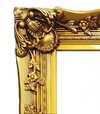
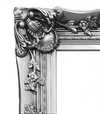
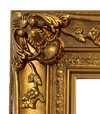

Обирайте з наших стандартних розмірів, що відповідають оригінальним пропорціям твору мистецтва.

Введіть необхідну ширину та висоту, щоб принт ідеально підійшов до вашої рами або стіни. Принт можна лише обрізати, але не можна зробити більшим за оригінал, тому при зміні пропорцій частина зображення буде втрачена. Перед друком ми надсилаємо вам цифровий макет для затвердження. Зображення на цій сторінці не відображає реальну обрізку — її можна побачити лише на макеті.
Доставка по всьому світу () за 2 тижні замість стандартних 4/5 тижнів. (18 Листопад)

Безкоштовна експрес-доставка по всьому світу

Високоякісне лляне полотно

Повне страхове покриття доставки

Гарантія повернення митних зборів

Гарантія точного відтворення кольорів

Політика повернення протягом 100 днів (лише у разі виявлення дефектів)

Гарантія повернення 100% коштів

Пропозиція на оптові замовлення
 Скляний варіант доступний лише для розмірів до 110 см

Modern Future
Гікле / Художній принт
Розмір репродукції
-


Підсумкова вартість
₴ 2796
Схожі твори мистецтва


Біографія митця
Early Life, Family and Training
Antonio Corpora was born in Tunis on 15 August 1909 to Sicilian parents. This Mediterranean background provided the initial context for a career that would eventually move toward the center of European abstraction. His formal education began at the Tunis Institute of Fine Arts, where he developed the technical foundation necessary for his later departures from traditional form. During this formative period, he studied under the mentorship of Armand Vergeaud, a relationship that anchored his early development before his move toward the continental avant-garde.
The trajectory of his career shifted decisively in 1930 when Corpora moved to Paris. By 1931, he had settled in the city, entering a landscape that was rapidly redefining modernism. It was in this environment that he met Alberto Giacometti and Sergio Signori. These encounters placed him directly within the intellectual and social circles that would dictate the direction of mid-century art. His presence in Paris was not merely a change of scenery; it was a deliberate immersion into the core of the era's most significant aesthetic shifts.
Artistic Movements and Style
Corpora’s evolution is marked by a decisive break from structure. During the 1930s, his practice relied on abstract and geometric compositions, heavily shaped by the logic of Cubism and the color palettes of Fauvism. This period of controlled form eventually gave way to a more fluid approach. By 1946, he was actively pushing against these established boundaries, promoting a "Neo-Cubist" exhibition in Rome. His subsequent involvement with the Fronte Nuovo delle Arti signaled a shift toward a post-cubist sensibility that rejected rigid construction in favor of something more visceral.
The transition toward abstraction became more radical as his career progressed. He moved away from geometric certainty, embracing the spontaneous gestures of Tachisme and the energy of Abstract Expressionism. By the 1960s, his output aligned with the Informel movement, characterized by a rejection of traditional shape. This was not a mere change in preference but a fundamental shift in how he handled the physical surface of the work.
In his later years, the tactile nature of his painting became his primary concern. From about 1975, Corpora utilized a specific dripping technique to build texture. He worked on canvases roughened with sand and plaster of Paris, creating a rugged, physical landscape for his colors. This method allowed for a depth that relied on the material properties of the medium rather than the illusion of perspective.
Exhibitions and Professional Recognition
Corpora’s presence in the international circuit was cemented through repeated participation in the Venice Biennale. He exhibited there four times, securing a solo show at the event in 1960. His standing within the Italian art scene was further validated in 1952 when he was presented as part of the "Group of Eight" at the Venice Biennale. This period marked a significant moment of institutional recognition for his evolving approach to abstraction.
His career concluded with high-level state and academic honors. In 2003, the president of Italy presented him with an award, acknowledging his long-term contribution to the arts. He also achieved membership in the San Luca Academy. These distinctions reflect a professional trajectory that moved from the experimental fringes of post-cubist movements into the established core of Italian artistic institutions.

Antonio Corpora
1909 - 2004 , Tunisia
Короткі факти
- Artistic Movement Or Style:
- Tachisme
- Abstract Art
- Fronte Nuovo delle Arti
- Cubism
- Fauvism
- Abstract Expressionism
- Informel
- Neo-cubista
- Artists Who Influenced This Artist:
- Armand Vergeaud
- Braque
- Matisse
- Full Name: Antonio Corpora
- Nationality: Italian
- Place Of Birth: Tunis, Tunisia
- Date Of Birth: 1909
- Date Of Death: 2004
Пов'язані статті

Kinetic Force: Analyzing Speed and Mechanical Progress in Futurist Art
Explore the radical energy of Futurism through Balla and Malevich. Discover how speed redefined modern art history now.

Masterpieces of Munich: Top 25 Artworks in the Bavarian State Painting Collections
Explore 25 iconic masterpieces from Munich's Bavarian State Painting Collections. Discover timeless art on WikiOO.org.

Masterpieces of Munich: Top 25 Artworks in the Bavarian State Painting Collections
Explore 25 iconic masterpieces from Munich's Bavarian State Painting Collections. Discover timeless art on WikiOO.org.

25 Must-See Masterpieces at the Alte Pinakothek, Munich
Embark on a journey through the Alte Pinakothek’s finest treasures. From Renaissance masters to Baroque drama, explore 25 iconic paintings and find museum-quality art reproductions for your space. Discover all masterpieces on WikiOO.org.