
 Надіслати як листівку
 Поділитися
 Деталі витвору
 Посібник

 Завантажити
 Схожі екземпляри
 Слайд-шоу
 Питання та відповіді
 Статистика
L


 Розгорнути текст
Мистецький твір, представлений на цій сторінці, захищений законом про авторське право, що унеможливлює легальне створення або продаж його ідентичної репродукції. Цей захист забезпечується відповідно до міжнародних угод, таких як Бернська конвенція та національним законодавством, зокрема положеннями, що викладені в Законодавство США про авторське право — Розділ 17. Всі права захищені. Будь-яке використання без дозволу заборонено.
Цей метод повністю відповідає нормам авторського права, оскільки він не передбачає копіювання чи дублювання захищеного твору мистецтва. Натомість це творче переосмислення — створення нового малюнка під впливом оригіналу, який не є його точним відтворенням.
Гікле / Художній принт
Друк جيкле або на полотні музейної якості з оперативним виготовленням та різноманітними варіантами фінішної обробки. ( Замовити картину ручної роботи Перейти до цифрових зображень)




































Обирайте з наших стандартних розмірів, що відповідають оригінальним пропорціям твору мистецтва.

Введіть необхідну ширину та висоту, щоб принт ідеально підійшов до вашої рами або стіни. Принт можна лише обрізати, але не можна зробити більшим за оригінал, тому при зміні пропорцій частина зображення буде втрачена. Перед друком ми надсилаємо вам цифровий макет для затвердження. Зображення на цій сторінці не відображає реальну обрізку — її можна побачити лише на макеті.
Доставка по всьому світу () за 2 тижні замість стандартних 4/5 тижнів. (9 Листопад)

Безкоштовна експрес-доставка по всьому світу

Високоякісне лляне полотно

Повне страхове покриття доставки

Гарантія повернення митних зборів

Гарантія точного відтворення кольорів

Політика повернення протягом 100 днів (лише у разі виявлення дефектів)

Гарантія повернення 100% коштів

Пропозиція на оптові замовлення
 Скляний варіант доступний лише для розмірів до 110 см

L
Гікле / Художній принт
Розмір репродукції
-


Підсумкова вартість
₴ 2784
The Soul in the Grain
To look at this piece is to witness a profound metamorphosis of purpose. Created in 1937, L'Homme emerges from a period when Ron Clive Moody was transitioning from the clinical precision of dentistry to the tactile, demanding reality of woodcarving. There is a certain anatomical intelligence in the way the features are structured, a subtle nod to his medical training that lends the face a structural integrity. The work is carved from oak, a material that requires a firm hand and a deep understanding of resistance. He did not merely shape the wood; he listened to it. The grain of the oak is utilized to define the contours of the face, allowing the natural growth rings of the tree to inform the character of the mask. It is a quiet dialogue between the sculptor and the organic material.
The mask presents a smiling mouth and intricately carved eyes and nose, creating a presence that feels both ancient and immediate. There is a rhythmic quality to the carving, where the interplay of light and shadow across the brown tones of the wood suggests a living breath. It avoids the static nature of many traditional masks, opting instead for a sense of movement held within the stillness of the timber.
A Synthesis of Form
The origins of this aesthetic lie in the encounter with non-Western art, specifically the powerful, symbolic forms found in the British Museum's collections. Moody’s approach to L'Homme reflects a synthesis of his Jamaican roots and his European training. He found a spiritual blueprint in the rhythmic strength of African and indigenous carvings, yet the result is distinctly his own. The work bridges the gap between Caribbean identity and international modernism through its material honesty. He describes wood as a difficult material, one that demands a form, and in this carving, the form seems to have been discovered within the oak rather than imposed upon it.
There is an intimacy in the texture of the surface. The way the chisel has moved across the wood creates a sense of volume that is felt as much as it is seen. It is a work of presence, an evocation of a face that exists in the space between the natural world and the human spirit. Through this piece, the sculptor demonstrates how a single block of wood can be transformed into a vessel for human emotion, using the very essence of the tree to give life to the subject.
Питання та відповіді
Чи є «L» роботи Ron Clive Moody живописом, малюнком чи друком?
У каталозі «L» роботи Ron Clive Moody класифіковано як Sculpture. Ця категорія допомагає знаходити схожі твори.
Чи можна переглянути «L» роботи Ron Clive Moody у форматі слайд-шоу?
Слайд-шоу до твору «L» можна переглянути на сторінці Слайд-шоу цього витвору.
Як мені завантажити зображення «L» роботи Ron Clive Moody?
Для твору «L» доступне завантаження: на сторінці Завантажити цифрове зображення ви можете завантаження цифрового зображення високої роздільної здатності.
Схожі твори мистецтва


Біографія митця
The Soul in the Grain: The Life and Legacy of Ron Clive Moody
Born on August 12, 1900, in the vibrant heart of Kingston, Jamaica, Ron Clive Moody was a sculptor whose hands possessed the rare ability to breathe life into the silent medium of wood. While his early path seemed destined for the clinical precision of medicine—having moved to England in 1923 to pursue dentistry at King's College London—his spirit was irrevocably drawn to the tactile and the expressive. After earning his degree in 1930, Moody underwent a profound metamorphosis, setting aside the scalpel for the chisel. This transition from the scientific to the sculptural allowed him to approach his medium with a unique blend of anatomical understanding and raw, creative intuition.
The genesis of Moody's aesthetic was deeply rooted in his encounters with the British Museum’s vast collection of non-Western art. These ancient, powerful forms provided a spiritual blueprint for his burgeoning style. He found himself captivated by the rhythmic strength and symbolic depth of African and indigenous carvings, which inspired him to teach himself the intricate complexities of woodcarving. His first significant carved figure, Wohin, emerged in 1934, marking the beginning of a prolific career that would bridge the gap between Caribbean identity and international modernism.
Mastery of Form and Symbolism
Moody’s artistic development was characterized by an extraordinary ability to manipulate texture and volume. His sculptures are not merely representations but are evocations of presence. Through his mastery of wood, he captured the essence of human emotion and cultural narrative. His works often possess a rhythmic, organic quality that suggests movement even within the stillness of the grain. This is perhaps most evident in his celebrated pieces such as Midonz (1937) and the profound Savacou (1964), where the interplay of light and shadow on the carved surfaces creates a sense of living breath.
The significance of his work lies in its ability to transcend geographical boundaries. While deeply influenced by the ancestral echoes found in non-Western art, Moody’s voice was distinctly his own—a synthesis of his Jamaican heritage and his European training. His sculptures serve as a testament to the power of cultural fusion, standing as monumental achievements in 20th-century woodcarving. The following elements define his artistic essence:
- Materiality: An intimate, almost spiritual connection to the natural textures of wood.
- Cultural Synthesis: The seamless blending of Caribbean sensibilities with the formal traditions of global non-Western art.
- Anatomical Precision: A subtle nod to his medical training, visible in the structural integrity of his figures.
A Lasting Impression on the Art World
Throughout his life, Ron Clive Moody achieved a level of recognition that placed his work in some of the most prestigious institutions in the world. His sculptures are not merely objects of beauty but historical artifacts that reside within the National Portrait Gallery and Tate Britain in London, as well as the National Gallery of Jamaica. These placements ensure that his contribution to the sculptural canon remains accessible to scholars and art lovers alike, bridging the Atlantic through his carved legacies.
Beyond his individual achievements, Moody belonged to a family of significant intellectual influence, being the brother of the renowned anti-racist campaigner Harold Moody and the award-winning physiologist Ludlow Moody. When he passed away on February 6, 1984, at the age of 83, he left behind more than just a collection of carvings; he left a legacy of transformation. His journey from a dental student to a master sculptor remains an inspiring narrative of following one's true calling, proving that art is not just something one makes, but something one becomes.

Ron Clive Moody
1900 - 1984 , Jamaica
Короткі факти
- Nationality: American
- Date Of Birth: 1900
- Date Of Death: 1984
- Place Of Birth: Kingston, Jamaica
Пов'язані статті

Топ-10 знаменитих картин у відтінках рожево-коричневого: мистецтво для вашого дому | WikiOO.org
Відкрийте для себе 10 знаменитих картин у теплих відтінках рожево-коричневого! Дізнайтесь історії Рембрандта, Моне та інших майстрів. Репродукції картин високої якості для вашого дому – на WikiOO.org. Дослідіть колекцію онлайн!

Топ-10 шедеврів у пісочних тонах: мистецтво та декор від WikiOO
Відкрийте для себе 10 найвідоміших картин у теплих пісочних тонах! Ван Гог, Моне та інші майстри. Історія мистецтва, техніки живопису та ідеї декору від WikiOO. Explore the full collection online.
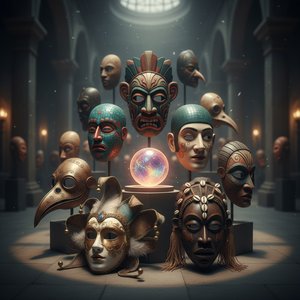
Unveiling the Mystery: A Journey Through the World's Most Iconic Mask Artworks
Embark on a profound journey through the world's most iconic mask artworks. Explore the spiritual depth, intricate craftsmanship, and rich cultural heritage of global traditions, from Chhau to Gomira, in this expert-led exploration of ancestral artistry and symbolic beauty.

Топ-10 шедеврів у відтінках пісочного коричневого: мистецтво для вашого дому | WikiOO
Відкрийте для себе 10 найвідоміших картин у відтінках пісочного коричневого! Історія Рембрандта, Ван Гога та інших майстрів. Репродукції картин преміум-класу для вашого дому – на WikiOO.org.

Топ-10 шедеврів у відтінках грибів: мистецтво для вашого дому від WikiOO
Відкрийте для себе 10 культових картин у приємних грибних відтінках! Дізнайтесь історії Моне, Ван Гога та інших майстрів. Репродукції картин преміум-якості для вашого дому – на WikiOO.org