
 实景预览

 分享
 分享
 详情
 指南


 下载作品
 相似作品
 X射线
 幻灯片播放
 问答
 统计数据
untitled


 展开全文
艺术微喷/版画
博物馆级艺术微喷或帆布版画,制作高效,并提供多种饰面选择。 ( 订购纯手工绘制画作 切换至数字图像销售渠道)




P118B ¥10

P118H ¥10

P118W ¥10

P438Z ¥10

P508JH ¥12

P508YH ¥12

P805H ¥10

P805Z ¥10

P919BZ ¥10

P919G ¥10

P919XJ ¥10

P959ZH ¥10

P968JZ ¥12

W106C ¥8

W218G ¥10

W218JH ¥8

W218Y ¥10

W307PJ ¥10

W316G ¥10

W316PJ ¥8

W316Y ¥10

W398PJ ¥8

W4111J ¥10

W500HY ¥15

W500JH ¥15

W692G ¥12

W849H ¥8

W940BG ¥15

W953PJ ¥8
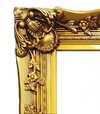
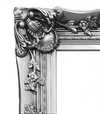
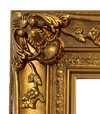

您可以从与原作比例一致的预设尺寸中进行选择。

请输入您所需的宽度和高度,以适配您的画框或墙面。由于印刷品只能进行裁剪,无法超出原图尺寸,因此若比例不一致,画面的一部分将会被裁切。在正式印刷之前,我们会为您发送一份数字效果图供您确认。本页面显示的图片并非最终裁剪后的效果——只有效果图才能展示真实的裁剪情况。


 玻璃选项仅适用于110厘米以下的尺寸。

untitled
艺术微喷/版画
复刻品尺寸
-


最终结算价
¥ 415
El Greco: A Vision of Toledo
Doménikos Theotokópoulos, universally recognized as El Greco – “the Greek” – stands apart from his contemporaries not merely as an artist but as a figure whose life embodied the contradictions and passions characteristic of the Renaissance. Born in Crete in 1541, under Venetian dominion, he embarked on a transformative artistic odyssey that spanned Venice and Rome before culminating in Toledo, Spain—a city steeped in religious fervor and haunted by the specter of the Inquisition.
El Greco’s style defies easy categorization. Initially trained within the Byzantine tradition, prioritizing meticulous detail and reverence for sacred imagery, he swiftly rejected convention, forging a path toward an expressive idiom that would foreshadow movements like Expressionism and Cubism. His canvases pulsate with an inner luminescence—a hallmark of his signature technique—characterized by elongated figures rendered in luminous shades of white and gold against dark backgrounds. This dramatic juxtaposition wasn’t merely stylistic; it served as a conduit for conveying profound spiritual emotion.
- Technique: El Greco employed a revolutionary glazing technique, layering thin washes of pigment over multiple coats to achieve unparalleled luminosity and depth. This method allowed him to capture the ethereal quality he sought—a visual representation of divine grace.
- Style: His distinctive style is instantly recognizable by its elongated proportions, stylized drapery, and expressive gestures. These elements transcend mere realism, prioritizing emotional impact over accurate depiction.
The historical context surrounding El Greco’s work profoundly shaped his artistic vision. Toledo, under Habsburg rule, was a crucible of religious zealotry—a city where the Catholic Church exerted considerable influence and where heresy was met with brutal repression. This atmosphere permeated El Greco's oeuvre, informing his preoccupation with themes of faith, martyrdom, and divine revelation.
Symbolism permeates El Greco’s paintings. Recurring motifs—such as halos encircling figures representing saints—underscore the sanctity of their subjects and convey a sense of transcendence. The dark backgrounds against which these luminous figures are positioned symbolize darkness overcome by light—a visual metaphor for spiritual enlightenment.
“The Burial of Columbus,” completed in 1609, exemplifies El Greco’s artistic prowess and his ability to evoke profound emotional resonance. The monumental canvas depicts Christopher Columbus's funeral procession, capturing the solemn dignity of the occasion while simultaneously conveying a palpable sense of grief and spiritual contemplation. The elongated figures, bathed in golden light, embody the universality of human suffering—a poignant reminder of mortality and an affirmation of faith’s enduring power.
El Greco’s legacy extends far beyond his artistic innovations. He remains an icon of spiritual artistry—a testament to the transformative potential of creativity when driven by conviction and fueled by emotion. His paintings continue to inspire awe and contemplation, inviting viewers to engage in a dialogue with timeless themes of faith, beauty, and human experience.
相似作品


艺术家简介
克里特的根基
多梅尼科斯·德托科普洛斯,即历史上著名的埃尔·格列柯,于1541年出生在克里特岛。当时,这座岛屿是威尼斯共和国的领土,这一事实在后来让他得以在东西方艺术传统之间架起一座桥梁。他在拜占庭传统的熏陶下接受了圣像画师的训练,这种艺术形式要求对细节有着极其严苛的关注,并强调捕捉主题的精神本质,而非仅仅是外在的形似。这种在克里特画派早期的沉浸式学习,赋予了他一种象征性的精准感,即便在后来他的艺术风格经历剧烈变革时,这种特质依然贯穿始终。
二十六岁那年,为了拓宽对自然世界的认知,他移居威尼斯。在威尼斯共和国,他邂逅了提香和丁托列多的杰作,并吸收了他们对色彩的驾驭以及利用光影界定形体的精妙技法。他学会了摆脱青年时期那种僵硬的线条,转而拥抱更加流畅的笔触和灵动的生命力。这一时期并非对他艺术根源的背离,而是一种升华,他开始将希腊文化中严谨的圣像传统与意大利文艺复兴时期那种充满氛围感的感官美学完美融合。
托莱多的蜕变
在罗马经历了一段时期,并接触到风格主义那拉长的人物形态与复杂的构图后,埃尔·格列柯于1577年定居于西班牙的托莱多。这次迁徙被证明是决定性的。当时的托莱多是反宗教改革运动中宗教狂热的中心,为他日益趋向神秘主义的艺术视野提供了完美的土壤。正是在这里,他的风格达到了最鲜明的阶段:人物显得被拉长且扭曲,仿佛被某种无形的精神力量所牵引。他运用色彩并非为了模仿现实,而是为了强化情感冲击力,经常使用非自然的色调来描绘神圣的境界。
他在西班牙时期的创作,充满了尘世与超凡境界之间的张力。在《奥尔加茨伯爵的安葬》(1586-1588年)中,他将当代人物的写实描绘与拉长、神圣的超凡形象并置,在凡人与神灵之间架起了一座视觉桥梁。他操纵光影的能力,创造出一种既具戏剧性又极具个人情感深度的张力。他不仅仅是在描绘场景,他更是在试图呈现那些存在于物质世界表象之外的情感与精神现实。
形式与光影的遗产
在他生命的晚年,他的艺术走向了更深层次的抽象与神秘主义。他的构图变得愈发复杂,人物形态也更加扭曲,反映出他与传统艺术规范日益疏离。尽管他在托莱多获得了成功,并受托完成了许多教堂与修道院的重要委任,但在1614年去世后,他的影响力并未立即在广大的艺术界产生回响。在很长一段时间里,他被视为一位古怪的艺术家,其作品在主流艺术史中很大程度上被忽视了。
直到20世纪,他的重要性才得到充分的认可。现代主义者在他的作品中看到了未来表现主义和碎片化风格的先驱。他扭曲比例的能力以及对大胆、感性色彩的运用,引起了那些试图表达内在心理状态的艺术家的共鸣。如今,他的画作被视为窥探人类灵魂的窗口,因其捕捉信仰强度与超越性挣扎的独特能力而备受赞誉。
杰出作品包括:

埃尔·格列柯
1541 - 1614 , 希腊
艺术家简介
- Artistic Movement Or Style: 曼希主义,巴洛克风格
- Artists Or Movements Influenced By This Artist:
- 表现主义
- 立体主义
- Artists Who Influenced This Artist:
- 提香
- 丁托列多
- Date Of Birth: 1541年10月1日
- Date Of Death: 1614年4月7日
- Full Name: 多梅尼科斯·德托科普洛斯,被称为埃尔·格列柯
- Nationality: 希腊-西班牙国籍
- Notable Artworks:
- 奥尔加斯伯爵的葬礼
- 托莱多景色
- 第五印章开启
- 圣塞瓦斯蒂安
- 基督脱衣
- Place Of Birth: 克里特岛(希腊)
相关文章

Masterpieces of Light and Spirit: The Top 25 El Greco Artworks
Journey through the spiritual intensity of El Greco’s greatest works. From Mannerist mastery to dramatic light, explore 25 iconic paintings and find museum-quality reproductions for your space. Discover all masterpieces on WikiOO.org.

25 Masterpieces by El Greco: The Most Iconic Works of the Cretan Legend
Journey through the spiritual intensity of El Greco's greatest works. From Mannerist drama to iconic religious oil paintings, explore 25 timeless masterpieces and find museum-quality reproductions for your decor. Discover all masterpieces on WikiOO.org.

Masterpieces of Light and Spirit: The 25 Best Artworks by El Greco
Immerse yourself in the spiritual intensity of El Greco. Explore 25 iconic masterpieces, from Mannerist drama to luminous colors. Find inspiration for your decor with museum-quality art reproductions and curated collections. Discover all masterpieces on WikiOO.org.

埃尔·格列柯25幅杰作:探索艺术大师的信仰与火焰
探索埃尔·格列柯25幅杰作,领略这位西班牙画家巴洛克风格的宗教绘画魅力。从《圣塞巴斯蒂安》到《沉思者》,感受信仰与艺术的交融。WikiOO.org提供高品质油画复制品,为您的家居装饰增添经典之美!探索完整系列作品。

Masterpieces of Light and Spirit: The Top 25 El Greco Artworks
Journey through the spiritual intensity of El Greco's greatest works. From Mannerist mastery to dramatic light, explore 25 iconic paintings and find museum-quality reproductions for your collection. Discover all masterpieces on WikiOO.org.


