


 Vorschau anzeigen
 Versenden
 Teilen
 Details anzeigen
 Leitfaden

 Herunterladen
 Ähnliche Objekte
 Röntgenaufnahme
 Diashow
 Q&A
Q&A Statistiken
Look closer
Every detail, painted by hand
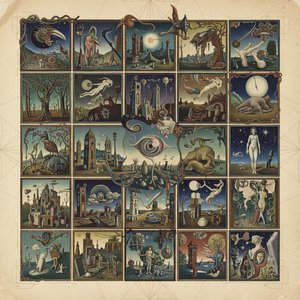
A striking surrealist statue by Max Ernst depicts a demonic figure against a brick wall, showcasing his unique artistic vision and exploration of the subconscious. Discover this captivating artwork and bring its powerful imagery into your space.
i.
The heart of the scene.
ii.
Light and background.
iii.
The brushwork.
The painting
Unveiling the Shadow: An Exploration of Max Ernst’s “Untitled (6492)”
Max Ernst's "Untitled (6492)" presents a compelling and unsettling vision, a testament to the artist’s profound engagement with the subconscious and his exploration of darker human impulses. The image depicts a powerfully rendered statue – a demonic figure crowned with horns – set against the stark backdrop of a brick wall. This isn’t merely a depiction of a monster; it's an embodiment of anxieties, a visual manifestation of the psychological turmoil that characterized Ernst’s artistic output during his most intensely surreal period.
- Subject Matter: The central figure immediately evokes archetypal imagery of evil and temptation. Its posture, though seemingly static, suggests a latent energy, a coiled threat ready to be unleashed.
- Composition: The statue’s placement within the frame is deliberate, dominating the visual field and drawing the viewer into its unsettling presence. The surrounding smaller figures contribute to a sense of unease, hinting at a larger, unseen narrative.
The Surrealist Roots: Ernst's Intellectual Journey
Understanding "Untitled (6492)" requires acknowledging Max Ernst’s unique artistic trajectory. Born in 1891, Ernst rejected the conventional paths to artistic recognition, instead forging his own path through rigorous intellectual pursuits. His studies in philosophy, art history, psychology, and psychiatry – at the University of Bonn – were not simply academic exercises; they were a crucial component of his creative process. He was deeply influenced by thinkers like Freud and Jung, exploring the realms of dreams, symbolism, and the irrational as sources of artistic inspiration. This intellectual grounding fueled his experimentation with techniques such as frottage (rubbing) and collage, methods designed to tap into the unconscious mind and bypass rational thought.
- Technique: Ernst’s use of texture and layering is evident in this piece, contributing to its unsettling quality. The rough surface of the brick wall contrasts sharply with the smooth rendering of the statue, creating a visual tension that mirrors the thematic concerns of the work.
- Historical Context: “Untitled (6492)” was created during the height of the Surrealist movement in the 1930s, a period marked by a rejection of traditional artistic values and an embrace of the irrational. Ernst’s work aligns perfectly with this movement's core tenets – exploring the subconscious, challenging conventional perceptions, and creating art that evokes emotional responses rather than simply representing reality.
Symbolism and Emotional Resonance
The symbolism within "Untitled (6492)" is layered and open to interpretation. The demonic figure can be seen as a representation of repressed desires, societal anxieties, or the darker aspects of human nature. The surrounding figures – potentially fragments of other narratives – add to this ambiguity, suggesting a world populated by hidden forces and unresolved conflicts. The overall effect is profoundly unsettling, prompting viewers to confront their own fears and preconceptions. Ernst’s masterful manipulation of form and texture generates an intense emotional response, inviting contemplation on the nature of evil, temptation, and the human condition.
A Masterpiece Reimagined: Reproduction Options
WikiOO offers a meticulously crafted hand-painted reproduction of Max Ernst's "Untitled (6492)," allowing you to bring this iconic artwork into your home or office. Our skilled artisans employ traditional techniques and archival quality materials to faithfully recreate the original’s texture, color palette, and emotional impact. Whether you are an art collector seeking to expand your collection, an interior designer aiming to create a dramatic focal point, or simply someone captivated by Ernst's vision, our reproduction provides an authentic and enduring representation of this powerful work.
Fragen & Antworten
Wie ist "untitled (6492)" kunsthistorisch einzuordnen?
Historisch gesehen ist „untitled (6492)“ ein Werk der Surrealist Exploration-Strömung aus der umfassenderen Ära der Modern.
Wie hoch ist der Kontrast von "untitled (6492)" von Max Ernst?
Der Hell-Dunkel-Kontrast von „untitled (6492)“ wird mit Statement angegeben. Der Kontrast beschreibt, wie stark sich helle und dunkle Bereiche voneinander unterscheiden.
Wie gesättigt ist die Farbpalette von "untitled (6492)"?
Die Farben von "untitled (6492)" von Max Ernst weisen eine Subtle Color Sättigung auf. Die Sättigung beschreibt, wie lebhaft oder gedämpft die Farben sind.
Dieses Kunstwerk ist urheberrechtlich geschützt
Die auf dieser Seite dargestellten Kunstwerke sind urheberrechtlich geschützt, was bedeutet, dass wir keine identische Reproduktion rechtmäßig erstellen oder verkaufen dürfen. Dieser Schutz wird durch internationale Abkommen wie die Berner Übereinkunft und durch nationale Gesetze, einschließlich derer, die von den US-Urheberrecht – Titel 17.
Als respektvolle und rechtlich einwandfreie Alternative bieten wir individuelle, handgemalte Kunstwerke an, die vom Original inspiriert sind. Unsere geschickten und professionellen Künstler studieren sorgfältig den Stil, die Stimmung und das künstlerische Wesen des Originals, um ein neues, einzigartiges Werk zu schaffen, das dasselbe Gefühl hervorruft – während es zugleich eine eigenständige Originalschöpfung bleibt.
Diese Methode entspricht vollumfänglich den Urheberrechtsbestimmungen, da sie keine Kopie oder Vervielfältigung des geschützten Kunstwerks darstellt. Stattdessen handelt es sich um eine kreative Neuinterpretation – ein neues Gemälde, das vom Original inspiriert, aber nicht identisch mit ihm ist.
 Mehr erfahren
Max Ernst
1891 - 1976, Deutschland
The painter
Erkunden Sie die surreale Welt von Max Ernst (1891-1976), einem Pionier des Dadaismus und Surrealismus! Entdecken Sie seine innovativen Frottagen, Collagen und traumhaften Gemälde mit Vögeln, Landschaften und psychologischen Themen. #MaxErnst #Surrealismus #Dada
Künstlerbiografie
Max Ernst: Ein Leben im Surrealismus
Frühes Leben und Ausbildung
- Geboren: 1. April 1891 in Brühl, Deutschland.
- Ernsts Vater, Philipp Ernst, war Lehrer für Gehörlose und Amateurmaler, der Maxes frühes Interesse an Kunst förderte.
- Von 1909 studierte er Philosophie, Kunstgeschichte, Literatur, Psychologie und Psychiatrie an der Universität Bonn.
- Dieser vielfältige akademische Hintergrund beeinflusste seine späteren künstlerischen Erkundungen maßgeblich.
Künstlerische Entwicklung & Einflüsse
- Ein einschneidendes Ereignis war die Sonderbund-Ausstellung in Köln (1912), wo er Werke von Pablo Picasso, Vincent van Gogh, und Paul Gauguin entdeckte.
- Im Jahr 1914 lernte er Hans Arp kennen, der eine lebenslange Freundschaft schloss, die seine künstlerische Reise maßgeblich prägte.
- Der Erste Weltkrieg hatte einen tiefgreifenden Einfluss auf Ernst; seine Erfahrungen als Soldat führten zu Enttäuschung und einer kritischen Sicht auf die Gesellschaft.
- Er ließ sich von den Schriften Sigmund Freuds beeinflussen und erkundete Themen des Unterbewusstseins in seiner Kunst.
Dada & Surrealismus
- Nach dem Ersten Weltkrieg wurde Ernst eine Schlüsselfigur der Kölner Dada-Gruppe, die sich gegen traditionelle künstlerische Konventionen aussprach.
- Er entwickelte innovative Techniken wie Frottage (Erhitzen von Bleistift auf texturierte Oberflächen) und Grattage (Abkratzen von Farbe, um darunterliegende Schichten freizulegen).
- In den 1920er Jahren trat er der Surrealistischen Bewegung in Paris bei und arbeitete mit Künstlern wie Paul Éluard zusammen.
- Seine Werke dieser Zeit erforschten traumhafte Bilder und psychologische Themen.
Wichtige Werke & Techniken
- Frottage: Eine Technik zur Erzeugung von Texturen und unerwarteten Bildern, die in vielen seiner Werke zu sehen ist.
- Collage: Ernst verwendete häufig Collage, um disparate Elemente zu kombinieren und surreale Kompositionen zu schaffen.
- Bekannte Werke:
- Die gesamte Stadt
- Euclides
- Von diesem sollen nichts wissen
- Wald und Taube
- Seine Gemälde zeigen oft symbolische Bilder, darunter Vögel (insbesondere seinen Pseudonym Loplop), Landschaften und verstörende Gegenüberstellungen.
Spätes Leben & Vermächtnis
- Ernst zog während des Zweiten Weltkriegs in die Vereinigten Staaten, wo er weiter malte und mit neuen Techniken experimentierte.
- Nach dem Krieg kehrte er nach Frankreich zurück und blieb bis zu seinem Tod am 1. April 1976 in Paris aktiv.
- Historische Bedeutung: Max Ernsts Beiträge zu Dada und Surrealismus waren bahnbrechend. Er stellte künstlerische Normen in Frage, erforschte das Unterbewusstsein und entwickelte innovative Techniken, die Künstler bis heute inspirieren.
- Er gilt als eine der wichtigsten und einflussreichsten Figuren der Kunst des 20. Jahrhunderts.
Quick facts about Max Ernst
- Artistic Movement Or Style: Dadaismus & Surrealismus
- Artists Who Influenced This Artist:
- Pablo Picasso
- Vincent van Gogh
- Paul Gauguin
- Sigmund Freud
- Date Of Birth: 1. April 1891
- Date Of Death: 1. April 1976
- Full Name: Max Ernst
- Nationality: Deutsch
- Notable Artworks:
- Die gesamte Stadt
- Euclides
- Wald und Taube
- Der Elefant Celebes
- Place Of Birth (City And Country): Brühl, Deutschland


Handgefertigte Ölreproduktion
Have it painted for you
Handgefertigte Ölreproduktion
Handgemaltes Ölgemälde auf Leinwand in Ihrer Wunschgröße und mit Rahmen, auf Bestellung von unseren Künstlern angefertigt. ( Zum Druck wechseln Zum digitalen Bild wechseln)

Your commission

untitled (6492)
Art der Reproduktion
Format der Reproduktion
-

Erstklassige Meisterkünstler
Mehr Detailtiefe, Raffinesse und zusätzliche Produktionszeit
-

Rahmen für Reproduktionen
-
-
Bei Kunstwerken oder Reproduktionen, die an einer Seite größer als 105 cm (ca. 41 Zoll) sind, wird der Rahmen zerlegt als Bausatz geliefert. Diese Methode gewährleistet eine sichere Zustellung und verhindert Schäden während des Transports.
Professionelle Montage erforderlich – dies ist kein DIY-Produkt.
Der Bausatz muss von einem erfahrenen professionellen Rahmenmacher zusammengebaut und die Leinwand gespannt werden. Hierfür werden Holzleim (nicht im Lieferumfang enthalten), eine Leinwandspannzange sowie Klemmen benötigt, um die Keilleisten während des Trocknungsvorgangs rechtwinklig zu halten. Eine unsachgemäße Montage oder eine ungleichmäßige Spannung der Leinwand kann das Kunstwerk dauerhaft beschädigen und ist nicht durch unsere Garantie abgedeckt.
 Bei Kunstwerken oder Reproduktionen, die an einer Seite größer als 105 cm (ca. 41 Zoll) sind, wird der Rahmen zerlegt als Bausatz geliefert. Diese Methode gewährleistet eine sichere Zustellung und verhindert Schäden während des Transports.
Alle Vollholzkomponenten sind enthalten, präzise auf Maß zugeschnitten.
Der Zusammenbau erfolgt mit den mitgelieferten Schrauben sowie Holzkleber für die Eckverbindungen, der nicht im Lieferumfang enthalten ist und vom Rahmenbauer selbst beschafft werden muss.
Professionelles Werkzeug ist erforderlich und nicht im Lieferumfang enthalten: eine Keilrahmenzange (Spannwerkzeug) sowie Klammern, um die Leisten während der Trocknungszeit des Klebers rechtwinklig zu fixieren.
Wichtiger Hinweis:
Für die Eckverbindungen wird Holzleim benötigt, die Leisten müssen mit Zwingen fixiert werden, bis der Leim vollständig getrocknet ist, und das Spannen der Leinwand auf dem fertigen Rahmen erfordert eine Keilrahmen-Zange. Keines dieser Utensilien ist im Set enthalten. Bitte stellen Sie sicher, dass ein erfahrener Rahmenmacher zur Verfügung steht, bevor Sie diese Größe bestellen.

Beschriftung
-
-

Schutzlackierung
Glanzlack (verstärkt die Farben, schützt vor Licht und Feuchtigkeit)
-

Mein Kunstwerk personalisieren
Beispiele für Anpassungsmöglichkeiten: Gesicht durch Kundenfoto ersetzen; Haustier hinzufügen (z. B. Katze durch Hund ersetzen); Versteckte Nachricht im Hintergrund einfügen; Hintergrundlandschaft oder -elemente ändern.
-

Eilt sehr
Weltweiter Versand () in nur 3 bis 4 Wochen statt der üblichen 5 Wochen. (1 November). Keine Kompromisse bei der Qualität.
-
Expressversand
Weltweiter Versand () innerhalb von 5 Wochen. (8 November).
Inklusive Versand
Endpreis
€ 236
Die Glasoption ist nur für Größen unter 110 cm verfügbar.
i.
Scale
Slide to your wall: every size keeps the proportions of the original.
Wählen Sie aus unseren vordefinierten Formaten, die den ursprünglichen Proportionen des Kunstwerks entsprechen.

Geben Sie die Breite und die Höhe an, die Sie für Ihren Rahmen oder Ihre Wand benötigen. Da dieses Werk handgemalt ist, kann der Künstler bei einer anderen Form etwas mehr um das Bild herum malen oder etwas abschneiden – Sie entscheiden. Wir senden Ihnen ein digitales Mockup zur Freigabe, bevor mit dem Malen begonnen wird. Das auf dieser Seite gezeigte Bild stellt nicht das tatsächliche Ergebnis dar – dies tut nur das Mockup.
ii.
Frame
The frame is drawn on the painting at its true width.
Gerahmt

White €1

Blurside €1

Extended €1

P118B €10

P118H €10

P118W €10

P438Z €10

P508JH €12

P508YH €12

P805H €10

P805Z €10

P919BZ €10

P919G €10

P919XJ €10

P959ZH €10

P968JZ €12

W106C €8

W218G €10

W218JH €8

W218Y €10

W307PJ €10

W316G €10

W316PJ €8

W316Y €10

W398PJ €8

W4111J €10

W500HY €15

W500JH €15

W692G €12

W849H €8

W940BG €15

W953PJ €8

H24-GOLD €30

H24-SILVER €30

H36-GOLD €45

H36-SILVER €45
iii.
Make it yours
A painting made by hand can be made for one person.
After order, WikiOO.org team will email client for instructions and provide a mockup preview
iv.
Finishing
Nameplate, varnish and delivery.
Beschriftung
Details der gravierten Bronzetafel
This elegant plaque features the artist's name and the title of the artwork, finely engraved for a timeless presentation.
It is made from bronze with a refined, elegant finish. The text is precisely laser-engraved for a sharp and permanent result. Measuring 9x2 cm, the plaque is compact yet easy to read. It's built to be durable and scratch-resistant, offering a professional, museum-quality look. Mounting is simple thanks to the included adhesive backing.
Details zur Acrylglas-Plakette (transparent)
The plaque includes essential engraved details such as the artist's name, the title of the artwork, the date it was created, the type of media used-like oil on canvas or watercolor-a brief description of the piece, and a QR code that links to the complete artwork information.
It is crafted from clear acrylic, offering a sleek, modern appearance. The text is UV-engraved in black to ensure strong visual contrast. With a size of 10x15 cm, it ensures optimal readability. It comes equipped with two metal hooks for secure wall mounting. The plaque is designed to be weather-resistant, making it suitable for various environments, and it includes interactive features that work seamlessly with smartphone scanning.
Details zur schwarzen Acryltafel
This elegant plaque includes engraved information such as the artist's name, the title of the artwork, the date it was created, the type of media used (like oil on canvas or watercolor), a short description of the artwork, and a QR code for quick access to more information.
The plaque itself is made from refined black acrylic with a premium finish. The text is laser-engraved in white for high contrast and readability. Its size is 10x15 cm, designed to be easy to read. It comes with two metal hooks for professional mounting. The design is sleek and fits any interior style. It is also weather-resistant and durable, with built-in digital integration for mobile compatibility.
Schutzlackierung
Eilproduktion
Weltweiter Versand () in nur 3 bis 4 Wochen statt der üblichen 5 Wochen. (1 November). Keine Kompromisse bei der Qualität.
- Kostenloser weltweiter Expressversand
- Hochwertige Leinenleinwand
- Umfassender Versicherungsschutz beim Versand
- Zollgebühren-Rückerstattungsgarantie
- Garantie für exakte Farbtreue
- 100 Tage Rückgaberecht (nur bei Mängeln)
- 100% Geld-zurück-Garantie
- Mengenrabatt verfügbar


Quick facts and art quiz
Ähnliche Artikel

Echoes of Time: Exploring the Enduring Appeal & Historical Context of Vintage Art Prints
Explore the captivating world of vintage art prints! Discover their history, collecting tips & enduring appeal. Expert insights on chromolithography and building a legacy collection with WikiOO.

The Enduring Legacy of Fine Art Prints: Technique, History & Aesthetic Impact
Explore the rich history & techniques of fine art prints. Discover investment potential, assess authenticity, and learn how to preserve your collection with expert guidance. Trusted insights for discerning collectors.

The Enduring Legacy of Printmaking: Techniques, Themes & Artistic Innovation Across Centuries
Explore the rich history of printmaking with WikiOO. Discover techniques from intaglio to lithography, learn about collecting valuable prints & find museum-quality reproductions. Expert insights for art enthusiasts and collectors.
Die 25 besten Meisterwerke von Max Ernst: Eine Reise durch den Surrealismus
Entdecken Sie die 25 besten Werke von Max Ernst und den Surrealismus. Erleben Sie Meisterwerke auf WikiOO.org.
Ähnliche Kunstwerke


