
 Oil On Canvas
- WallArt
- Impressionism
 1922
1922 100.0 x 75.0 cm
 Royal Society
 Vorschau anzeigen
 Versenden
 Teilen
 Details anzeigen
 Leitfaden

 Herunterladen
 Ähnliche Objekte
 Röntgenaufnahme
 Diashow
 Q&A
Q&A Statistiken
Look closer
Every detail, painted by hand
Explore Max Liebermann’s 1922 portrait of Albert Einstein – an Impressionistic oil painting capturing scientific genius & intimacy. A unique piece reflecting a pivotal era.
i.
The heart of the scene.
ii.
Light and background.
iii.
The brushwork.
The painting
A Portrait of Genius: Max Liebermann’s Einstein
Max Liebermann's 1922 portrait of Albert Einstein isn’t merely a likeness; it’s a carefully constructed distillation of intellect, contemplation, and the burgeoning promise of a revolutionary mind. Painted during a pivotal period in Einstein’s career – immediately following his Nobel Prize win and the confirmation of his theories through the Eddington-Dyson eclipse observations – this oil painting transcends simple representation, offering a glimpse into the very essence of scientific genius. Liebermann, a master of Impressionism tempered with a keen observational eye, avoids the stark formality often associated with portraits of prominent figures, instead opting for an intimacy that draws the viewer directly into Einstein’s world.
The composition itself is deceptively simple: Einstein occupies most of the frame, his face turned slightly towards the left, creating a sense of quiet engagement. His hands, resting loosely on what appears to be a table or desk, subtly convey a restless energy – a mind constantly in motion, grappling with complex ideas. Liebermann’s brushwork is deliberately loose and expressive, eschewing sharp lines for a more impressionistic approach. This technique isn't about photographic accuracy; it’s about capturing the *feeling* of Einstein, his thoughtful demeanor, and the aura of intellectual intensity that surrounded him. The use of browns and ochres dominates the palette, lending the painting a warm, almost contemplative atmosphere – a visual echo of the quiet hours spent in deep thought.
The Impressionist Lens on Scientific Icon
Liebermann’s stylistic choices are deeply rooted in the tenets of Impressionism. He prioritizes capturing fleeting moments and subjective impressions over meticulous detail. This is evident in the way he renders light, using broken brushstrokes to suggest the play of illumination across Einstein's face and clothing. The shallow perspective further enhances this effect, creating a sense of immediacy and drawing the viewer into the scene as if they are witnessing this portrait firsthand. Unlike traditional portraits that often aim for an idealized representation, Liebermann’s Einstein is presented with a certain vulnerability – a hint of weariness around the eyes, suggesting the immense mental effort required to unravel the mysteries of the universe.
The historical context surrounding the painting is crucial to understanding its significance. 1922 was a time of great intellectual ferment in Europe, marked by the rise of modern physics and a growing sense of optimism about the future. Einstein’s work had already begun to transform our understanding of space, time, and gravity, and he was quickly becoming a global icon. Liebermann's portrait captures this moment perfectly, presenting Einstein not just as a brilliant scientist but also as a symbol of human ingenuity and progress.
Symbolism and the Portrait’s Essence
Beyond its technical merits, the painting is rich in symbolic meaning. The seated posture suggests contemplation and intellectual rigor – qualities inextricably linked to Einstein's legacy. The hands, resting casually yet deliberately, represent his engagement with ideas, his willingness to explore new possibilities. The muted color palette contributes to a sense of quiet introspection, inviting the viewer to share in Einstein’s mental landscape. It is important to note that Liebermann was not simply depicting a famous scientist; he was attempting to capture something deeper – the very spirit of scientific inquiry and the relentless pursuit of knowledge.
Furthermore, the painting subtly reflects the broader cultural anxieties of the era. The rise of science and technology was accompanied by concerns about the potential consequences of unchecked progress. Liebermann’s portrait, with its emphasis on intellectual contemplation, can be interpreted as a reminder of the importance of ethical considerations alongside scientific advancement. It's a poignant image that speaks to both the brilliance and the responsibility inherent in pushing the boundaries of human understanding.
A Timeless Reproduction
Reproductions of Liebermann’s Einstein portrait offer an exceptional opportunity to bring this remarkable work into any setting. The textured brushwork, the subtle nuances of light and shadow, and the intimate portrayal of a scientific icon are all faithfully captured in high-quality reproductions. Whether displayed in a study, a gallery, or a private residence, this painting continues to resonate with viewers today, serving as a powerful reminder of the enduring legacy of Albert Einstein and the transformative power of art.
Fragen & Antworten
Kann ich Augmented Reality nutzen, um "Albert Einstein (1879–1955)" von Max Liebermann in meinem Raum zu sehen?
„Albert Einstein (1879–1955)“ verfügt über eine Augmented-Reality-Vorschau: Die AR-Vorschau-Seite des Kunstwerks zeigt es auf einem kompatiblen Gerät in Ihrem eigenen Raum.
Unter welchen anderen Namen ist Max Liebermann bekannt?
Weitere unter denen Max Liebermann, Schöpfer von „Albert Einstein (1879–1955)“, bekannt ist, umfassen Kein anderer bekannter Name.
Wie verbinden sich Medium und Bewegung in "Albert Einstein (1879–1955)"?
"Albert Einstein (1879–1955)" von Max Liebermann verbindet die Technik der Oil On Canvas mit dem Stil der Impressionism. Technik und Epoche beschreiben die Herstellung sowie die künstlerische Ausrichtung des Werkes.

Max Liebermann
1847 - 1935, Deutschland
The painter
Max Liebermann (1847-1935): Deutscher Impressionist! Szenen des Bürgertums, Porträts & Gartenidylle am Wannsee. Schlüsselfigur der Berliner Sezession!
Künstlerbiografie
Frühe Jahre und Ausbildung
- Geboren: Berlin, Deutschland (1847)
- Gestorben: 1935
Künstlerische Laufbahn und Stilentwicklung
- Impressionismus: Liebermann entwickelte sich zu einem der führenden Vertreter des Impressionismus in Deutschland, der flüchtige Momente des modernen Lebens mit Fokus auf Licht und Farbe einzufangen versuchte.
- Einflüsse: Sein Stil wurde maßgeblich von Édouard Manet beeinflusst, was sich in seinem Geist und Ansatz beim Malen zeigte.
- Motivwahl: Er porträtierte häufig Szenen des Bürgertums und Aspekte seines Gartens am Wannsee.
- Porträtmalerei: Liebermann erlangte Anerkennung als renommierter Porträtmaler und schuf über 200 Auftragsporträts, darunter von Albert Einstein und Paul von Hindenburg.
Wichtige Werke und Errungenschaften
- "Der 12-jährige Jesus in der Tempel": Ein frühes Werk, das Debatten aufgrund seiner Darstellung eines semitisch aussehenden Jungen Jesus auslöste.
- Wahl in die Preußische Akademie der Künste: Eine bedeutende Anerkennung seines künstlerischen Könnens und Beitrags.
- Leitung der Berliner Sezession (1899-1911): Er leitete diese führende Avantgarde-Formation in Deutschland, die traditionelle künstlerische Normen herausforderte.
Spätere Jahre und Historische Bedeutung
- Rücktritt aus der Preußischen Akademie: 1933 trat er zurück, nachdem die Akademie beschlossen hatte, keine Werke mehr von jüdischen Künstlern auszustellen.
- Tod und Vermächtnis: Er verstarb 1935 in Berlin und hinterließ ein bedeutendes Werk, das bis heute für seinen impressionistischen Stil und seine aufschlussreiche Darstellung der deutschen Gesellschaft gefeiert wird.
Quick facts about Max Liebermann
- Beeinflusste Künstler: ['Édouard Manet']
- Bemerkenswerte Werke:
- Der zwölfjährige Jesus
- Holländisches Bauernhaus
- Porträt Dr. Max Linde
- Geburtsdatum: 20. Juli 1847
- Geburtsort: Berlin, Deutschland
- Künstlerische Richtung: Impressionismus
- Nationalität: Deutsch
- Todestag: 8. Februar 1935
- Vollständiger Name: Max Liebermann
- Von Künstlern Beeinflusst: ['Jean-François Miller']


Handgefertigte Ölreproduktion
Have it painted for you
Handgefertigte Ölreproduktion
Handgemaltes Ölgemälde auf Leinwand in Ihrer Wunschgröße und mit Rahmen, auf Bestellung von unseren Künstlern angefertigt. ( Zum Druck wechseln Zum digitalen Bild wechseln)

Your commission

Albert Einstein (1879–1955)
Art der Reproduktion
Format der Reproduktion
-

Erstklassige Meisterkünstler
Mehr Detailtiefe, Raffinesse und zusätzliche Produktionszeit
-

Rahmen für Reproduktionen
-
-
Bei Kunstwerken oder Reproduktionen, die an einer Seite größer als 105 cm (ca. 41 Zoll) sind, wird der Rahmen zerlegt als Bausatz geliefert. Diese Methode gewährleistet eine sichere Zustellung und verhindert Schäden während des Transports.
Professionelle Montage erforderlich – dies ist kein DIY-Produkt.
Der Bausatz muss von einem erfahrenen professionellen Rahmenmacher zusammengebaut und die Leinwand gespannt werden. Hierfür werden Holzleim (nicht im Lieferumfang enthalten), eine Leinwandspannzange sowie Klemmen benötigt, um die Keilleisten während des Trocknungsvorgangs rechtwinklig zu halten. Eine unsachgemäße Montage oder eine ungleichmäßige Spannung der Leinwand kann das Kunstwerk dauerhaft beschädigen und ist nicht durch unsere Garantie abgedeckt.
 Bei Kunstwerken oder Reproduktionen, die an einer Seite größer als 105 cm (ca. 41 Zoll) sind, wird der Rahmen zerlegt als Bausatz geliefert. Diese Methode gewährleistet eine sichere Zustellung und verhindert Schäden während des Transports.
Alle Vollholzkomponenten sind enthalten, präzise auf Maß zugeschnitten.
Der Zusammenbau erfolgt mit den mitgelieferten Schrauben sowie Holzkleber für die Eckverbindungen, der nicht im Lieferumfang enthalten ist und vom Rahmenbauer selbst beschafft werden muss.
Professionelles Werkzeug ist erforderlich und nicht im Lieferumfang enthalten: eine Keilrahmenzange (Spannwerkzeug) sowie Klammern, um die Leisten während der Trocknungszeit des Klebers rechtwinklig zu fixieren.
Wichtiger Hinweis:
Für die Eckverbindungen wird Holzleim benötigt, die Leisten müssen mit Zwingen fixiert werden, bis der Leim vollständig getrocknet ist, und das Spannen der Leinwand auf dem fertigen Rahmen erfordert eine Keilrahmen-Zange. Keines dieser Utensilien ist im Set enthalten. Bitte stellen Sie sicher, dass ein erfahrener Rahmenmacher zur Verfügung steht, bevor Sie diese Größe bestellen.

Beschriftung
-
-

Schutzlackierung
Glanzlack (verstärkt die Farben, schützt vor Licht und Feuchtigkeit)
-

Mein Kunstwerk personalisieren
Beispiele für Anpassungsmöglichkeiten: Gesicht durch Kundenfoto ersetzen; Haustier hinzufügen (z. B. Katze durch Hund ersetzen); Versteckte Nachricht im Hintergrund einfügen; Hintergrundlandschaft oder -elemente ändern.
-

Eilt sehr
Weltweiter Versand () in nur 3 bis 4 Wochen statt der üblichen 5 Wochen. (29 Oktober). Keine Kompromisse bei der Qualität.
-
Expressversand
Weltweiter Versand () innerhalb von 5 Wochen. (5 November).
Inklusive Versand
Endpreis
€ 234
Die Glasoption ist nur für Größen unter 110 cm verfügbar.
i.
Scale
The original measures 100.0 x 75.0 cm. Slide to your wall: every size keeps its proportions.
Wählen Sie aus unseren vordefinierten Formaten, die den ursprünglichen Proportionen des Kunstwerks entsprechen.

Geben Sie die Breite und die Höhe an, die Sie für Ihren Rahmen oder Ihre Wand benötigen. Da dieses Werk handgemalt ist, kann der Künstler bei einer anderen Form etwas mehr um das Bild herum malen oder etwas abschneiden – Sie entscheiden. Wir senden Ihnen ein digitales Mockup zur Freigabe, bevor mit dem Malen begonnen wird. Das auf dieser Seite gezeigte Bild stellt nicht das tatsächliche Ergebnis dar – dies tut nur das Mockup.
 Mehr erfahren
ii.
Frame
The frame is drawn on the painting at its true width.
Gerahmt

White €1

Blurside €1

Extended €1

P118B €10

P118H €10

P118W €10

P438Z €10

P508JH €12

P508YH €12

P805H €10

P805Z €10

P919BZ €10

P919G €10

P919XJ €10

P959ZH €10

P968JZ €12

W106C €8

W218G €10

W218JH €8

W218Y €10

W307PJ €10

W316G €10

W316PJ €8

W316Y €10

W398PJ €8

W4111J €10

W500HY €15

W500JH €15

W692G €12

W849H €8

W940BG €15

W953PJ €8

H24-GOLD €30

H24-SILVER €30

H36-GOLD €45

H36-SILVER €45
iii.
Make it yours
A painting made by hand can be made for one person.
After order, WikiOO.org team will email client for instructions and provide a mockup preview
iv.
Finishing
Nameplate, varnish and delivery.
Beschriftung
Details der gravierten Bronzetafel
This elegant plaque features the artist's name and the title of the artwork, finely engraved for a timeless presentation.
It is made from bronze with a refined, elegant finish. The text is precisely laser-engraved for a sharp and permanent result. Measuring 9x2 cm, the plaque is compact yet easy to read. It's built to be durable and scratch-resistant, offering a professional, museum-quality look. Mounting is simple thanks to the included adhesive backing.
Details zur Acrylglas-Plakette (transparent)
The plaque includes essential engraved details such as the artist's name, the title of the artwork, the date it was created, the type of media used-like oil on canvas or watercolor-a brief description of the piece, and a QR code that links to the complete artwork information.
It is crafted from clear acrylic, offering a sleek, modern appearance. The text is UV-engraved in black to ensure strong visual contrast. With a size of 10x15 cm, it ensures optimal readability. It comes equipped with two metal hooks for secure wall mounting. The plaque is designed to be weather-resistant, making it suitable for various environments, and it includes interactive features that work seamlessly with smartphone scanning.
Details zur schwarzen Acryltafel
This elegant plaque includes engraved information such as the artist's name, the title of the artwork, the date it was created, the type of media used (like oil on canvas or watercolor), a short description of the artwork, and a QR code for quick access to more information.
The plaque itself is made from refined black acrylic with a premium finish. The text is laser-engraved in white for high contrast and readability. Its size is 10x15 cm, designed to be easy to read. It comes with two metal hooks for professional mounting. The design is sleek and fits any interior style. It is also weather-resistant and durable, with built-in digital integration for mobile compatibility.
Schutzlackierung
Eilproduktion
Weltweiter Versand () in nur 3 bis 4 Wochen statt der üblichen 5 Wochen. (29 Oktober). Keine Kompromisse bei der Qualität.
- Kostenloser weltweiter Expressversand
- Hochwertige Leinenleinwand
- Umfassender Versicherungsschutz beim Versand
- Zollgebühren-Rückerstattungsgarantie
- Garantie für exakte Farbtreue
- 100 Tage Rückgaberecht (nur bei Mängeln)
- 100% Geld-zurück-Garantie
- Mengenrabatt verfügbar


Quick facts and art quiz
Ähnliche Artikel

The Timeless Charm of Oil on Board: Reimagining Texture and Light through the Impressionist Lens
Discover the profound intimacy of oil on panel. Explore how Impressionist masters used rigid supports to capture light, texture, and impasto depth through exquisite, handmade oil reproductions for discerning collectors.

The Enduring Legacy of Oil on Canvas: Technique, History & Aesthetic Impact
Explore the rich history & techniques of oil painting – from Renaissance masters to Impressionism. Discover pigments, layering methods, and why this timeless medium endures. Expert insights for artists & art enthusiasts.
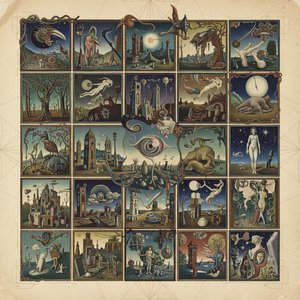
Max Ernsts Meisterwerke: Die Top 25 Kunstwerke für Ihr Zuhause | WikiOO
Entdecken Sie die 25 bedeutendsten Kunstwerke von Max Ernst! Tauchen Sie ein in die Welt des Surrealismus, Dada und abstrakter Malerei. Hochwertige Kunstreproduktionen & Inspiration für Ihr Zuhause bei WikiOO.org.

The Soul of Impressionism: Why Oil on Canvas Captures Eternal Light and Timeless Emotion
Discover the enchanting alchemy of Impressionism. Explore how the mastery of oil on canvas, through glazing and impasto, captures eternal light and emotion. Perfect for lovers of Monet and Van Gogh seeking the profound depth of hand-painted fine art.
Ähnliche Kunstwerke


