

 Vorschau anzeigen
 Versenden
 Teilen
 Details anzeigen
 Leitfaden

 Herunterladen
 Ähnliche Objekte
 Röntgenaufnahme
 Diashow
 Statistiken
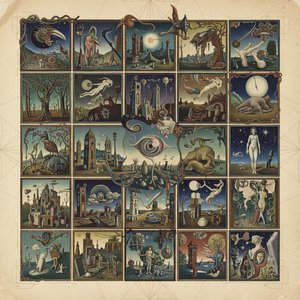
Glockenturm-Wächter
 Öl auf Leinwand
- Wandkunst
- Symbolismus
 1910
1910- 19. Jahrhundert
 62.0 x 143.0 cm
 Ohara Museum of Art
 Weiterlesen
Handgefertigte Ölreproduktion
Handgemaltes Ölgemälde auf Leinwand in Ihrer Wunschgröße und mit Rahmen, auf Bestellung von unseren Künstlern angefertigt. ( Zum Druck wechseln Zum digitalen Bild wechseln)




P118B €10

P118H €10

P118W €10

P438Z €10

P508JH €12

P508YH €12

P805H €10

P805Z €10

P919BZ €10

P919G €10

P919XJ €10

P959ZH €10

P968JZ €12

W106C €8

W218G €10

W218JH €8

W218Y €10

W307PJ €10

W316G €10

W316PJ €8

W316Y €10

W398PJ €8

W4111J €10

W500HY €15

W500JH €15

W692G €12

W849H €8

W940BG €15

W953PJ €8




Wählen Sie aus unseren vordefinierten Formaten, die den ursprünglichen Proportionen des Kunstwerks entsprechen.

Geben Sie die Breite und die Höhe an, die Sie für Ihren Rahmen oder Ihre Wand benötigen. Da dieses Werk handgemalt ist, kann der Künstler bei einer anderen Form etwas mehr um das Bild herum malen oder etwas abschneiden – Sie entscheiden. Wir senden Ihnen ein digitales Mockup zur Freigabe, bevor mit dem Malen begonnen wird. Das auf dieser Seite gezeigte Bild stellt nicht das tatsächliche Ergebnis dar – dies tut nur das Mockup.
Nach der Bestellung wird das WikiOO.org-Team dem Kunden Anweisungen per E-Mail zusenden und eine Mockup-Vorschau bereitstellen.
Weltweiter Versand () in nur 3 bis 4 Wochen statt der üblichen 5 Wochen. (28 Oktober). Keine Kompromisse bei der Qualität.

Kostenloser weltweiter Expressversand

Hochwertige Leinenleinwand

Umfassender Versicherungsschutz beim Versand

Zollgebühren-Rückerstattungsgarantie

Garantie für exakte Farbtreue

100 Tage Rückgaberecht (nur bei Mängeln)

100% Geld-zurück-Garantie

Mengenrabatt verfügbar
 Die Glasoption ist nur für Größen unter 110 cm verfügbar.

Glockenturm-Wächter
Art der Reproduktion
Format der Reproduktion
-


Endpreis
€ 234
Bell-Tower Keeper – An Exploration of Dreamlike Symbolism in Odilon Redon’s Late Style
Odilon Redon's "Bell-Tower Keeper," painted in 1910, stands as a quintessential example of the Symbolist movement’s preoccupation with subconscious imagery and emotional resonance. More than just a portrait, it embodies Redon’s masterful manipulation of form and color to convey profound psychological states—a testament to his enduring influence on Surrealism and beyond.Subject Matter & Composition
The painting depicts a solitary figure positioned centrally against a dark, textured background reminiscent of volcanic rock formations. This stark contrast immediately establishes a dramatic tension, drawing the viewer’s gaze into the enigmatic expression etched upon the man's face. Two additional figures—positioned subtly on either side—suggest an unspoken narrative, hinting at contemplation and perhaps even apprehension. Redon eschews realistic representation, prioritizing instead the suggestion of form and emotion over precise detail. The figure’s upward gaze contributes to a feeling of yearning or aspiration, mirroring the tower itself – a symbol of resilience against adversity and reaching for unattainable heights.Technique & Material Considerations
Redon employed etching and lithography—techniques he honed during his formative years—to achieve an astonishing level of tonal gradation and textural complexity. The artist meticulously layered thin washes of pigment onto the canvas, creating a velvety surface that captures the subtle nuances of light and shadow. This painstaking process resulted in a monochrome composition dominated by shades of grey and black, punctuated by flashes of ochre and crimson – colors deliberately chosen to heighten emotional impact. These hues evoke associations with both earth’s primal forces and inner turmoil, reflecting Redon's fascination with geological landscapes as metaphors for the human psyche.Historical Context & Symbolism
Painted during a period marked by anxieties surrounding technological advancement and societal upheaval—the burgeoning Industrial Revolution alongside the looming shadow of World War I—"Bell-Tower Keeper" speaks to the broader concerns of its time. Redon’s Symbolist aesthetic aligns with the movement's desire to explore inner landscapes and confront existential questions, rejecting the rational optimism championed by Impressionism. The tower itself symbolizes aspiration, permanence, and perhaps even isolation – themes prevalent in Symbolist art. Furthermore, the figure’s posture conveys a sense of vulnerability amidst overwhelming forces, mirroring humanity’s struggle for meaning and transcendence.Emotional Impact & Artistic Legacy
Ultimately, “Bell-Tower Keeper” transcends mere visual depiction; it invites contemplation on themes of solitude, resilience, and the elusive nature of consciousness. Redon's masterful use of monochrome and textural layering creates an atmosphere of palpable unease—a deliberate provocation designed to unsettle the viewer’s perceptions. This artwork cemented Redon’s reputation as a visionary artist who anticipated Surrealist explorations into dreamlike states and subconscious symbolism. Its enduring power lies in its ability to communicate profound emotional truths without resorting to explicit narrative, securing its place as one of Redon's most iconic achievements and a cornerstone of Symbolist art history.Fragen & Antworten
Kann ich "Glockenturm-Wächter" als Vollbild-Diashow ansehen?
"Glockenturm-Wächter" von Odilon Redon kann als Diashow auf der Diashow-Seite des Kunstwerks betrachtet werden.
Ist "Glockenturm-Wächter" gemeinfrei?
Die urheberrechtliche Situation für "Glockenturm-Wächter" von Odilon Redon: Das Werk ist gemeinfrei – das Urheberrecht ist abgelaufen. Dies bestimmt, ob Reproduktionen des Bildes frei erstellt werden dürfen.
Wie lässt sich der urheberrechtliche Status von "Glockenturm-Wächter" von Odilon Redon erklären?
"Glockenturm-Wächter" von Odilon Redon ist gemeinfrei – das Urheberrecht ist abgelaufen. Die Urheberrechtsfristen werden ab dem Todesjahr des Künstlers berechnet, und Odilon Redon verstarb im Jahr 1916.
Ähnliche Kunstwerke


Künstlerbiografie
Frühes Leben und Karriere
Odilon Redon, geboren am 20. April 1840 in Bordeaux, Aquitanien, aus einer wohlhabenden Familie, war ein französischer Symbolistischer Maler, Grafiker, Zeichner und Pastellkünstler. Der junge Bertrand-Jean Redon erhielt von seiner Mutter Odile den Spitznamen "Odilon". Seine künstlerische Reise begann früh; bereits mit zehn Jahren gewann er einen Zeichenpreis in der Schule. Er zeigte schon früh Talent und Leidenschaft für die Kunst.Künstlerische Entwicklung
Redons frühe Studien in Architektur führten zu einer kurzen Tätigkeit unter Jean-Léon Gérôme im Jahr 1864. Seine wahre künstlerische Berufung offenbarte sich jedoch bald. Er widmete sich der Bildhauerei und verfeinerte später seine Fähigkeiten in der Radierung und Lithographie unter Rodolphe Bresdin. Diese Zeit war entscheidend für die Entwicklung seines einzigartigen Stils, der von Fantasie und Mysterium geprägt ist. Seine frühen Werke waren oft düster und introspektiv.Hauptwerke und Einflüsse
Redons Werk wurde stark von östlicher Kultur beeinflusst. "Der Tod des Buddha" (1899) zeugt von seinem Interesse an hinduistischer und buddhistischer Kultur. "Jakob und der Engel" (1905) ist ein Beweis für seine Japonismus-Einflüsse, die sich in seinen Kompositionen und Farbwahlen widerspiegeln. Er entwickelte eine Faszination für Hinduismus und Buddhismus, die zunehmend in seinen Werken sichtbar wurde. Die Auftragsarbeiten für Baron Robert de Domecy, 17 dekorative Paneele für das Château de Domecy-sur-le-Vault, markierten einen Übergang von ornamentaler zu abstrakter Malerei. Seine Porträts der Baroness de Domecy und ihrer Tochter Jeanne sind bemerkenswerte Beispiele seiner Arbeit in dieser Phase.Auszeichnungen und Vermächtnis
Redon wurde 1903 die Legion d'Honneur verliehen, eine Anerkennung seines künstlerischen Beitrags. Seine Popularität stieg mit der Veröffentlichung eines Katalogs von Radierungen und Lithographien durch André Mellerio im Jahr 1913, gefolgt von einer umfassenden Ausstellung auf der New Yorker Armory Show. Redons Werk gilt als Vorläufer des Surrealismus und beeinflusste nachfolgende Künstlergenerationen maßgeblich. Seine Erkundung des menschlichen Geistes und sein Interesse an östlichen Kulturen inspirieren weiterhin Künstler und Kunstliebhaber.Bedeutung in der Kunstgeschichte
Odilon Redons bahnbrechende Arbeit im Symbolismus hat ihre Spuren in der Welt der Kunst hinterlassen. Seine "Noirs", die frühen Holzschnitte und Lithographien in Schwarz-Weiß, waren revolutionär für seine Zeit. Er trug dazu bei, die Grenzen der traditionellen Malerei zu erweitern und den Weg für neue künstlerische Ausdrucksformen zu ebnen. Sein Werk wird heute weithin anerkannt und geschätzt als ein wichtiger Beitrag zur Entwicklung des modernen Kunstverständnisses. Seine Fähigkeit, Traumwelten und innere Emotionen auf Leinwand festzuhalten, macht ihn zu einem einzigartigen Künstler seiner Zeit.
Odilon Redon
1840 - 1916 , Frankreich
Kurzinfos
- Beeinflusste Künstler: ['Surrealismus']
- Bemerkenswerte Werke:
- Wächtergeist der Wasser
- Dans le Rêve
- Der Tod des Buddha
- Jakob und der Engel
- Einflüsse:
- Rodolphe Bresdin
- Charles Baudelaire
- Edgar Allan Poe
- Geburtsdatum: 20. April 1840
- Geburtsort: Bordeaux, Frankreich
- Künstlerische Bewegung: Symbolismus
- Nationalität: Französisch
- Sterbedatum: 6. Juli 1916
- Vollständiger Name: Odilon Redon
Ähnliche Artikel

The Subtleties of Shade: Exploring Monochrome's Enduring Power in Art History & Contemporary Practice
Explore the captivating world of monochrome painting! Discover its rich history, from Renaissance chiaroscuro to contemporary minimalism. Uncover the emotional power and artistic techniques behind this enduring art form.

Giovanni Boldini: Ein Meister der Belle Époque und sein Kult um die Persönlichkeit
Entdecken Sie Giovanni Boldini, den Meister der Belle Époque! Erfahren Sie mehr über seinen einzigartigen Malstil, die Porträts der High Society und sein Vermächtnis in der Kunstgeschichte. Expertenanalyse & Hintergrundinformationen.

Monochrome Visions: Exploring the Aesthetic & Historical Significance of Black & White Photography
Explore the rich history & artistic power of black and white photography. From early techniques to iconic masters like Ansel Adams, discover why monochrome continues to captivate art lovers today. Expert insights for collectors.
Max Ernsts Meisterwerke: Die Top 25 Kunstwerke für Ihr Zuhause | WikiOO
Entdecken Sie die 25 bedeutendsten Kunstwerke von Max Ernst! Tauchen Sie ein in die Welt des Surrealismus, Dada und abstrakter Malerei. Hochwertige Kunstreproduktionen & Inspiration für Ihr Zuhause bei WikiOO.org.

Dreamscapes & Disrupted Realities: Exploring Surrealism's Enduring Influence
Explore the fascinating world of Surrealism! Discover its origins, key artists like Dalí & Magritte, and enduring influence on art & culture. Expert insights & high-quality reproductions at WikiOO.


