
 Προεπισκόπηση σε πραγματική κλίμακα
 Αποστολή
 Κοινοποίηση
 Λεπτομέρειες
 Οδηγός

 Λήψη
Λήψη
 Παρόμοια αντικείμενα συλλογής
 Ακτινογραφία
 Παρουσίαση
 Ερωτήσεις & Απαντήσεις
 Στατιστικά
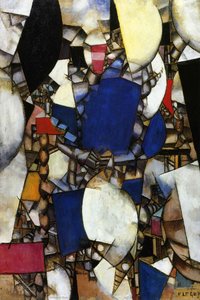
The Staircase


 Περισσότερα
Giclée / Εκτυπώσεις Τέχνης
Εκτύπωση giclée ή σε καμβά ποιότητας μουσείου με γρήγορη παραγωγή και ευέλικτες επιλογές φινιρίσματος. ( Αγορά χειροποίητου πίνακα Μετάβαση σε Ψηφιακή Αποτέλεσμα)




P118B €10

P118H €10

P118W €10

P438Z €10

P508JH €12

P508YH €12

P805H €10

P805Z €10

P919BZ €10

P919G €10

P919XJ €10

P959ZH €10

P968JZ €12

W106C €8

W218G €10

W218JH €8

W218Y €10

W307PJ €10

W316G €10

W316PJ €8

W316Y €10

W398PJ €8

W4111J €10

W500HY €15

W500JH €15

W692G €12

W849H €8

W940BG €15

W953PJ €8




Επιλέξτε από τις προκαθορισμένες διαστάσεις μας που διατηρούν τις αρχικές αναλογίες του έργου τέχνης.

Εισάγετε το πλάτος και το ύψος που επιθυμείτε, ώστε να ταιριάζουν στο κάδሮ ή στον τοίχο σας. Μια εκτύπωση μπορεί μόνο να υποστεί κοψίμό και ποτέ να μην γίνει μεγαλύτερη από την αρχική εικόνα, επομένως η επιλογή μεγέθους με διαφορετικό σχήμα συνεπάγεται απώλεια ενός μέρους της εικόνας. Σας στέλνουμε ένα ψηφιακό mockup για έγκριση πριν προχωρήσουμε σε οποιαδήποτε εκτύπωση. Η εικόνα που εμφανίζεται σε αυτή τη σελίδα δεν δείχνει την πραγματική κοπή — μόνο το mockup την παρουσιάζει.
Παγκόσμια Αποστολή () σε 2 εβδομάδες αντί για τις συνήθεις 4/5 εβδομάδες. (15 Νοέμβριος)

Δωρεάν γρήγορη διεθνής αποστολή

Κάμβας από Λινό Υψηλής Ποιότητας

Πλήρης ασφάλιση μεταφοράς

Εγγύηση επιστροφής δασμών και φόρων εισαγωγής

Εγγύηση Απόλυτης Ομοιότητας Χρωμάτων

Πολιτική Επιστροφής 100 Ημερών (Μόνο σε περίπτωση ελαττωμάτων)

Εγγύηση επιστροφής 100% των χρημάτων

Προσφορά για πολλαπλές παραγγελίες
 Η επιλογή με γυαλί είναι διαθέσιμη μόνο για μεγέθη κάτω από 110 εκ.

The Staircase
Giclée / Εκτυπώσεις Τέχνης
Διαστάσεις Αναπαραγωγής
-


Τελική Τιμή
€ 55
Fernand Léger’s Staircase: A Symphony of Form and Movement
The painting “Staircase” by Fernand Léger, completed in 1914, isn't merely an image of ascending steps; it’s a profound exploration of the relationship between human experience and industrial progress. Léger, already establishing himself as a champion of geometric abstraction alongside artists like Piet Mondrian and Kazimir Malevich, sought to distill the frenetic energy of the burgeoning machine age into a visual form that transcended literal representation. This ambition is brilliantly realized in “Staircase,” where Léger abandons traditional perspective and employs bold, interlocking planes of color—primarily reds, yellows, and blues—to convey a sense of relentless upward movement.- Style: Léger’s style can be characterized as Constructivist, albeit infused with a distinctly lyrical quality. He rejects illusionistic painting altogether, prioritizing the structural integrity of his compositions over any attempt to create an illusion of depth.
- Technique: Léger meticulously applied pigment onto canvas using a palette knife—a technique he championed—creating textured surfaces that resemble fractured blocks of color. This method deliberately disrupts conventional artistic conventions and emphasizes the materiality of the artwork itself.
- Symbolism: The fractured planes of color—particularly the reds—evoke associations with both passion and danger, mirroring the anxieties of wartime Europe. Simultaneously, Léger’s deliberate simplification of forms speaks to a desire to capture the essence of reality without succumbing to sentimentalism.
Ερωτήσεις και Απαντήσεις
Ποια είναι η κυρίαρχη απόχρωση του "The Staircase" του Φερνάν Λεζέ;
Το "The Staircase" κυριαρχείται από μια Ochre to Sepia απόχρωση.
Πόσο φως φαίνεται να αντανακλούν τα χρώματα του "The Staircase";
Τα χρώματα του "The Staircase" παρουσιάζουν μια φωτεινότητα επιπέδου Gentle Luminance.
Ποια χρήση και ποιος χώρος προτείνονται για το "The Staircase" του Φερνάν Λεζέ;
Το έργο "The Staircase" προτείνεται για Accent, ενώ ο ιδανικός χώρος για την τοποθέτησή του είναι το/η Living Room.




Σχετικά άρθρα

Mastering the Machine Age: The Top 25 Fernand Léger Artworks
Immerse yourself in the vibrant world of Fernand Léger. Explore 25 iconic Cubist masterpieces, from his bold 'Tubism' to machine-age aesthetics. Find inspiration for museum-quality art reproductions and curated decor. Discover all masterpieces on WikiOO.org.

Φερνάν Λεζέ: Τα 25 Κορυφαία Έργα Τέχνης για Διακόσμηση με Στυλ
Ανακαλύψτε τα 25 κορυφαία έργα τέχνης του Φερνάν Λεζέ! Εξερευνήστε την ιστορία, τις τεχνικές και το χρώμα πίσω από τους εμβληματικούς πίνακες του κυβισμού & Tubism. Βρείτε αναπαραγωγές υψηλής ποιότητας για διακόσμηση στο WikiOO.org.

Mastering the Machine Age: The 25 Best Artworks by Fernand Léger
Immerse yourself in the vibrant world of Fernand Léger. Explore 25 iconic masterpieces of Cubism and Tubism, from bold geometric forms to machine-age energy. Find inspiration for your decor with museum-quality reproductions. Discover all masterpieces on WikiOO.org.

Mastering the Machine Age: The Top 25 Fernand Léger Artworks
Immerse yourself in the vibrant world of Fernand Léger. Explore 25 iconic Cubist masterpieces, from bold Tubism to machine-age aesthetics. Find inspiration for your decor with museum-quality art reproductions. Discover all masterpieces on WikiOO.org.

Mastering the Machine Age: The 25 Best Artworks by Fernand Léger
Immerse yourself in the vibrant world of Fernand Léger. Explore 25 iconic Cubist masterpieces that celebrate the machine age through bold colors and geometric forms. Find inspiration for your collection with museum-quality art reproductions. Discover all masterpieces on WikiOO.org.


