


 Αποστολή
 Κοινοποίηση
 Λεπτομέρειες
 Οδηγός


 Λήψη
 Παρόμοια αντικείμενα συλλογής
 Παρουσίαση
 Ερωτήσεις & Απαντήσεις
 Στατιστικά
Κοιτάξτε πιο κοντά
Κάθε λεπτομέρεια, χειροποίητο με πινέλο
Τρία σημεία του πίνακα, σε увели μεγέθυνση. Οι καλλιτέχνες μας αναπαράγουν το καθένα με το χέρι, στο μέγεθος που επιλέξετε.
i.
Η καρδιά της σκηνής.
ii.
Φως και φόντο.
iii.
Η πινελιά.
Το έργο ζωγραφικής
Περιγραφή Συλλεκτικού Αντικειμένου
Explore Giorgio Vasari’s "Winter" fresco – a Baroque masterpiece featuring a reclining figure in opulent detail. Discover dynamic composition & rich symbolism of strength & transformation.
 Περισσότερα
Βιογραφικό Καλλιτέχνη
Ο Γιώργος Βασαρί (1511-1574) ήταν ζωγράφος, αρχιτέκτονας και ιστορικός τέχνης, γνωστός για τις "Ζωγραφίες" του, το σχέδιο του Uffizi και την επινόηση του διαδρόμου Βασαρί. Ένα σημαντικό πρόσωπο της Αναγέννησης!
A Baroque Vision of Mythic Contemplation: Giorgio Vasari’s “Winter”
Giorgio Vasari's "Winter," painted in 1557, is not merely a decorative ceiling fresco; it’s a profound meditation on human experience rendered with the dramatic intensity characteristic of the High Renaissance and blossoming into the Baroque. This monumental work, likely commissioned for a grand palazzo or religious institution, immediately captivates with its layered composition and masterful manipulation of light and shadow – hallmarks of Vasari's innovative approach to ceiling painting. The central figure, draped in luxurious fabrics and posed in a state of apparent repose, evokes a sense of both vulnerability and immense power, instantly drawing the viewer into a world of mythic drama. The sheer scale of the fresco, combined with its intricate details, speaks to the ambition and patronage that fueled artistic endeavors during this pivotal period.
- Subject Matter & Narrative Complexity: The scene depicts a reclining figure – traditionally interpreted as Hercules or another heroic deity – engaged in a moment of profound contemplation. The inclusion of smaller framed scenes flanking the central figure adds layers to the narrative, suggesting a complex mythological story unfolding across multiple registers. This deliberate layering was a key feature of Baroque ceiling designs, intended to overwhelm and inspire awe.
- Baroque Style & Dramatic Lighting: Vasari’s command of Baroque style is evident in the dynamic use of light and shadow. Strong highlights accentuate the central figure's form, while deep shadows create a sense of depth and volume, enhancing the dramatic effect. The curvilinear lines throughout the composition contribute to a feeling of movement and fluidity – essential elements of the Baroque aesthetic.
Technique & Materials: A Masterclass in Fresco Painting
“Winter” exemplifies Vasari’s groundbreaking techniques for ceiling painting, pushing beyond the limitations of earlier Renaissance approaches. The fresco technique itself is central to its impact; pigments were applied directly onto wet plaster, creating a durable and luminous surface that has endured for over four centuries. Vasari meticulously blended colors – primarily warm tones of browns, ochres, reds, and golds – accented with cooler blues and greens – achieving a rich and nuanced palette. The subtle texture of the finished surface, a direct result of the fresco process, adds to the painting’s tactile quality and sense of realism. Notably, Vasari incorporated gold leaf for decorative elements, further amplifying the work's opulence and grandeur.
- Pigments & Plaster: The pigments used were likely oil-based, a departure from traditional tempera paints, allowing for greater color saturation and blending capabilities. The plaster itself was carefully prepared to ensure optimal adhesion and durability.
- Gold Leaf: The strategic use of gold leaf – particularly in the wreath-like structure above the figure – served not only as decoration but also symbolized divine favor and immortality, a common motif in Renaissance art.
Symbolism & Historical Context
Beyond its aesthetic qualities, “Winter” is rich in symbolic meaning. The fire burning nearby could represent passion, transformation, or even the destructive power of fate – themes frequently explored in classical mythology. The wreath, often associated with victory and immortality, reinforces this interpretation. Painted in 1557, during a period of intense artistic innovation and religious fervor, “Winter” reflects the broader cultural currents of the late Renaissance. Vasari’s work aligns with the humanist ideals that emphasized human potential and celebrated classical antiquity, while simultaneously embracing the dramatic and emotional intensity characteristic of the emerging Baroque style. The piece stands as a testament to Vasari's role in shaping artistic conventions and his enduring legacy within the history of Western art.
Ερωτήσεις και Απαντήσεις
Πώς μπορώ να αποκτήσω ένα ψηφιακό αρχείο του "Winter" του Τζόρτζιο Βαζάρι;
Μπορείτε να αγοράσετε μια ψηφιακή εικόνα του έργου "Winter" του Τζόρτζιο Βαζάρι στη σελίδα Ψηφιακό Αρχείο Εικόνας: λήψη ψηφιακής εικόνας υψηλής ανάλυσης.
Από ποια χώρα προέρχεται το έργο του Baroque "Winter";
Το έργο του ή της Baroque "Winter" δημιουργήθηκε από καλλιτέχνη που γεννήθηκε στην/στο Ιταλία.
Ποια είναι η διάταξη του έργου "Winter" του Τζόρτζιο Βαζάρι;
Το έργο "Winter" του Τζόρτζιο Βαζάρι έχει μορφή Landscape. Η μορφή περιγράφει τις αναλογίες της σύνθεσης.

Τζόρτζιο Βαζάρι
1511 - 1574, Ιταλία
Ο ζωγράφος
Βιογραφικό Καλλιτέχνη
A Life Woven into the Renaissance Fabric
Giorgio Vasari, born in Arezzo, Tuscany, on July 30, 1511, was more than simply a painter; he was a quintessential embodiment of the Italian Renaissance spirit. His life unfolded as a vibrant tapestry woven with threads of artistic creation, architectural innovation, insightful historical writing, and an unwavering dedication to celebrating the masters who came before him. From his earliest training under Guglielmo da Marsiglia, a skilled artisan in stained glass, young Giorgio’s path was steered towards visual artistry. However, it was his move to Florence at sixteen that truly ignited his potential. Immersing himself within the dynamic circle of Andrea del Sarto and absorbing the influences of Rosso Fiorentino and Jacopo Pontormo, Vasari began a journey that would see him become one of the most influential figures of his era. His formative years were also deeply marked by the patronage and friendship of the powerful Medici family, a relationship that would shape both his career and his perspective on art’s role in society.The Artist's Hand and Eye
Vasari’s artistic style is often categorized as Mannerist, reflecting the prevailing aesthetic trends of the mid-16th century. His paintings are characterized by elongated figures, dynamic compositions, and a sophisticated use of color—qualities highly admired during his lifetime. While perhaps not achieving the same level of enduring fame as some of the artists he chronicled, Vasari’s skill was undeniable. Notable works such as *The Studio of the Painter*, a fresco housed in Casa Vasari in Arezzo, offer a fascinating glimpse into the artistic practices of the time. The sheer scale and ambition of his frescoes for the Palazzo Vecchio in Florence, undertaken between 1555 and 1572, demonstrate his mastery of large-scale decorative schemes. His final monumental undertaking, *The Last Judgement*, adorning the cupola of Florence Cathedral—completed after his death by Federico Zuccari—stands as a testament to his unwavering commitment to grand artistic visions. Beyond painting, Vasari’s architectural contributions were equally significant. He designed the elegant loggia of the Palazzo degli Uffizi, transforming it into a public piazza and creating a vital link within Florence's urban landscape. Perhaps most famously, he conceived and oversaw the construction of the Vasari Corridor, a secret passageway connecting the Uffizi Gallery with the Palazzo Pitti—a feat of engineering and architectural ingenuity that continues to captivate visitors today.A Historian Forging a Legacy
However, it is arguably as an art historian that Giorgio Vasari secured his most lasting legacy. His monumental work, *Lives of the Most Excellent Painters, Sculptors, and Architects*, published in 1550 (with a revised edition in 1568), revolutionized the way art was understood and appreciated. This groundbreaking text wasn’t merely a collection of biographies; it established a narrative framework for the development of Italian Renaissance art, tracing its evolution from the early masters like Cimabue and Giotto to his contemporaries Michelangelo and Raphael. Vasari's work introduced the very concept of the “Renaissance” – a rebirth of classical ideals—and laid the foundation for modern art history as a discipline. While acknowledging that Vasari’s accounts are not without their biases and inaccuracies, particularly concerning artists predating his own time, the impact of *Lives* remains profound. It provided a crucial historical context for artistic creation, elevating the status of artists from skilled craftsmen to intellectual figures worthy of scholarly attention.Influences and Enduring Significance
Vasari’s artistic development was profoundly shaped by his exposure to the works of Renaissance masters. His visit to Rome in 1529, where he studied the art of Raphael and other High Renaissance artists, proved pivotal. He absorbed their principles of composition, anatomical accuracy, and idealized beauty, incorporating them into his own style. Michelangelo, whom Vasari greatly admired, exerted a particularly strong influence on both his painting and architecture. The grandeur and dynamism characteristic of Michelangelo’s work are evident in many of Vasari’s projects. Beyond specific artists, the broader intellectual currents of the Renaissance—humanism, classical learning, and a renewed interest in empirical observation—also informed Vasari's approach to art and history. Giorgio Vasari died on June 27, 1574, in Florence, leaving behind a multifaceted legacy that continues to resonate today. He was not only a talented artist and architect but also a pioneering historian whose writings shaped our understanding of one of the most transformative periods in Western art history. His work remains essential for anyone seeking to explore the rich cultural heritage of the Italian Renaissance.Major Achievements
- The Studio of the Painter (1563): A groundbreaking fresco within his own home, offering a detailed depiction of an artist’s studio and serving as a visual treatise on artistic practice.
- Frescoes for the Palazzo Vecchio (1555-1572): Monumental decorative cycles illustrating Florentine history and civic virtues, showcasing Vasari's mastery of large-scale fresco painting.
- Design of the Uffizi Gallery (1560): A transformative redesign of a former arsenal into a magnificent public space, integrating art and architecture seamlessly.
- The Last Judgement (1573-1579): The colossal fresco adorning the cupola of Florence Cathedral, a testament to Vasari’s ambition and artistic skill.
- Lives of the Most Excellent Painters, Sculptors, and Architects (1550, 1568): A seminal work of art history that established a framework for understanding the development of Renaissance art.
The Vasari Corridor
A remarkable architectural achievement, the Vasari Corridor is a secret passageway connecting the Uffizi Gallery with the Palazzo Pitti, commissioned by Cosimo I de’ Medici to facilitate discreet travel and communication within Florence. It represents not only a feat of engineering but also a symbol of Medici power and influence.Γρήγορα στοιχεία για τον/την Τζόρτζιο Βαζάρι
- Artistic Movement Or Style: Μανιερισμός
- Artists Or Movements Influenced By This Artist: ['Ρενεσάνς']
- Artists Who Influenced This Artist:
- Ανδρέα ντελ Σαρτό
- Μιχαήλ Άγγελος
- Date Of Birth: 30 Ιουλίου 1511
- Date Of Death: 27 Ιουνίου 1574
- Full Name: Giorgio Vasari
- Nationality: Ιταλός
- Notable Artworks:
- Στούντιο ζωγράφου
- Τελευταία Κρίση
- Place Of Birth: Aρέτσο, Ιταλία


Χειροποίητη Αναπαραγωγή σε Έλαιο
Ζητήστε μια ζωγραφιά για εσάς
Χειροποίητη Αναπαραγωγή σε Έλαιο
Χειροποίητη ελαιογραφία σε καμβά στο δικό σας μέγεθος και πλαίσιο, κατά παραγγελία από τους καλλιτέχνες μας. ( Μετάβαση σε Εκτυπώσεις Μετάβαση σε Ψηφιακή Αποτέλεσμα)

Η παραγγελία σας

Winter
Μέσο Αναπαραγωγής
Διαστάσεις Αναπαραγωγής
-

Κορυφαίος Καλλιτέχνης
Περισσότερη λεπτομέρεια, φινέτσα και επιπλέον χρόνος παραγωγής
-

Πλαίσιο Αναπαραγωγής
-
-
Για έργα τέχνης ή αναπαραγωγές με πλευρά υπερβαίνουσα των 105 εκ. (περίπου 41 ίντσες), το πλαίσιο θα αποσταλεί αποσυναρμολογημένο, σε μορφή κιτ. Η μέθοδος αυτή διασφαλίζει την ασφαλή παράδοση και προλαμβάνει τυχόν ζημιές κατά τη μεταφορά.
Απαιτείται επαγγελματικός συναρμολογητής - δεν πρόκειται για προϊόν αυτοσυναρμολογίας (DIY).
Το κιτ πρέπει να συναρμολογηθεί και ο καμβάς να τεντωθεί από έμπειρο επαγγελματία πλαίσιο (framer), με τη χρήση κόλλας ξύλου (δεν περιλαμβάνεται), πένσας για ένταση καμβά και σφιγκτήρων, ώστε να διατηρηθεί η ορθογωνιότητα των δοκών κατά τη διάρκεια της ξędρανσης. Η λανθασμένη συναρμολόγηση ή η ανισόρροπη ένταση του καμβά μπορεί να προκαλέσει μόνιμη ζημιά στο έργο και δεν καλύπτεται από την εγγύησή μας.
 Για έργα τέχνης ή αναπαραγωγές με πλευρά υπερβαίνουσα των 105 εκ. (περίπου 41 ίντσες), το πλαίσιο θα αποσταλεί αποσυναρμολογημένο, σε μορφή κιτ. Η μέθοδος αυτή διασφαλίζει την ασφαλή παράδοση και προλαμβάνει τυχόν ζημιές κατά τη μεταφορά.
Περιλαμβάνονται όλες οι μπάρες από μασίφ ξύλο, κομμένες με ακρίβεια στις διαστάσεις τους.
Συναρμολογείται με τις παρεχόμενες βίδες, καθώς και με κόλλα ξύλου για τις γωνιακές ενώσεις, η οποία δεν περιλαμβάνεται και θα πρέπει να προμηθευτεί από τον τεχνίτη σας.
Απαιτούνται επαγγελματικά εργαλεία που δεν περιλαμβάνονται: μια πένσα για σφίξιμο καμβά (τενωτήρας) και σφιγκτήρες για τη διατήρηση της ορθογωνιότητας των καρέ κατά τη διάρκεια της απορρόφησης της κόλλας.
Σημαντικό:
Οι γωνιακές ενώσεις απαιτούν κόλλα ξύλου, οι σπορ πρέπει να συγκρατούνται με σφιγκτήρες μέχρι να στεγνώσει πλήρως η κόλλα, και για την ένταση του καμβά στο συναρμολογημένο πλαίσιο απαιτείται μια πένσα για ένταση καμβά. Κανένα από αυτά δεν περιλαμβάνεται στο σετ. Παρακαλούμε συμβουλευτείτε έναν έμπειρο επαγγελματία κάδραρχο πριν παραγγείλετε αυτό το μέγεθος.

Πληροφορίες έργου
-
-

Βερνίκι Προστασίας
Γυαλιστερό Βερνίκι (ενισχύει τα χρώματα, προστατεύει από το φως και την υγρασία)
-

Προσαρμογή του έργου μου
Παραδείγματα αλλαγών που είναι δυνατές: Αντικατάσταση προσώπου με φωτογραφία του πελάτη· Προσθήκη κατοικίδιου (π.χ., αντικατάσταση γάτας με σκύλο)· Ενσωμάτωση κρυφού μηνύματος στο φόντο· Αλλαγή τοπίου ή στοιχείων στο φόντο.
-

Επείγουσα παραγγελία
Παγκόσμια Αποστολή () σε 3-4 εβδομάδες αντί για τις συνήθεις 5 εβδομάδες. (16 Νοέμβριος). Χωρίς συμβιβασμούς στην ποιότητα.
-
Αποστολή Express
Παγκόσμια Αποστολή () σε 5 εβδομάδες. (23 Νοέμβριος).
Συμπεριλαμβάνεται
Τελική Τιμή
€ 236
Η επιλογή με γυαλί είναι διαθέσιμη μόνο για μεγέθη κάτω από 110 εκ.
i.
Κλίμακα
Τοποθετήστε το στον τοίχο σας: κάθε μέγεθος διατηρεί τις αναλογίες του πρωτοτύπου.
Επιλέξτε από τις προκαθορισμένες διαστάσεις μας που διατηρούν τις αρχικές αναλογίες του έργου τέχνης.

Πληκτρολογήστε το πλάτος και το ύψος που επιθυμείτε, ώστε να ταιριάζουν στο κάδሮ ή στον τοίχο σας. Ε เนื่องจาก πρόκειται για χειροποίητη ζωγραφική, σε περίπτωση διαστάσεων με διαφορετικό σχήμα, ο καλλιτέχνης μπορεί να ζωγραφίσει λίγο παραπάνω γύρω από το έργο ή να αφαιρέσει ένα μέρος — η επιλογή είναι δική σας. Σας στέλνουμε ένα ψηφιακό mockup για έγκριση πριν ξεκινήσει η δημιουργία του έργου. Η εικόνα που εμφανίζεται σε αυτή τη σελίδα δεν δείχνει το τελικό αποτέλεσμα — μόνο το mockup το αναδεικνύει.
ii.
Πλαισίο
Το πλαίσιο είναι σχεδιασμένο πάνω στο έργο με το πραγματικό του πλάτος.
Με πλαίσιο

Λευκό €1

Αντιστροφή με θολό φινίρισμα €1

Εκτεταμένη περιφέρεια €1

P118B €10

P118H €10

P118W €10

P438Z €10

P508JH €12

P508YH €12

P805H €10

P805Z €10

P919BZ €10

P919G €10

P919XJ €10

P959ZH €10

P968JZ €12

W106C €8

W218G €10

W218JH €8

W218Y €10

W307PJ €10

W316G €10

W316PJ €8

W316Y €10

W398PJ €8

W4111J €10

W500HY €15

W500JH €15

W692G €12

W849H €8

W940BG €15

W953PJ €8

H24-GOLD €30
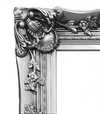
H24-SILVER €30
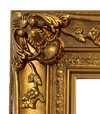
H36-GOLD €45

H36-SILVER €45
iii.
Κάντε το δικό σας
Ένα χειρόγραφο έργο τέχνης μπορεί να δημιουργηθεί εξατομικευμένα για ένα άτομο.
Μετά την παραγγελία, η ομάδα του WikiOO.org θα στείλει email στον πελάτη για οδηγίες και θα παρέχει μια προεπισκόπηση (mockup)
iv.
Τελείωση
Πλακέτα ονόματος, βερνίκι και αποστολή.
Πληροφορίες έργου
Λεπτομέρειες Χάραξης σε Πλακέτα Χαλκού
This elegant plaque features the artist's name and the title of the artwork, finely engraved for a timeless presentation.
It is made from bronze with a refined, elegant finish. The text is precisely laser-engraved for a sharp and permanent result. Measuring 9x2 cm, the plaque is compact yet easy to read. It's built to be durable and scratch-resistant, offering a professional, museum-quality look. Mounting is simple thanks to the included adhesive backing.
Λεπτομέρειες Διαφανούς Ακρυλικής Πλακίδας
The plaque includes essential engraved details such as the artist's name, the title of the artwork, the date it was created, the type of media used-like oil on canvas or watercolor-a brief description of the piece, and a QR code that links to the complete artwork information.
It is crafted from clear acrylic, offering a sleek, modern appearance. The text is UV-engraved in black to ensure strong visual contrast. With a size of 10x15 cm, it ensures optimal readability. It comes equipped with two metal hooks for secure wall mounting. The plaque is designed to be weather-resistant, making it suitable for various environments, and it includes interactive features that work seamlessly with smartphone scanning.
Λεπτομέρειες Πλακίδας Ακρυλικού Μαύρου Χρώματος
This elegant plaque includes engraved information such as the artist's name, the title of the artwork, the date it was created, the type of media used (like oil on canvas or watercolor), a short description of the artwork, and a QR code for quick access to more information.
The plaque itself is made from refined black acrylic with a premium finish. The text is laser-engraved in white for high contrast and readability. Its size is 10x15 cm, designed to be easy to read. It comes with two metal hooks for professional mounting. The design is sleek and fits any interior style. It is also weather-resistant and durable, with built-in digital integration for mobile compatibility.
Βερνίκι Προστασίας
Επείγουσα Παραγωγή
Παγκόσμια Αποστολή () σε 3-4 εβδομάδες αντί για τις συνήθεις 5 εβδομάδες. (16 Νοέμβριος). Χωρίς συμβιβασμούς στην ποιότητα.
- Δωρεάν γρήγορη διεθνής αποστολή
- Κάμβας από Λινό Υψηλής Ποιότητας
- Πλήρης ασφάλιση μεταφοράς
- Εγγύηση επιστροφής δασμών και φόρων εισαγωγής
- Εγγύηση Απόλυτης Ομοιότητας Χρωμάτων
- Πολιτική Επιστροφής 100 Ημερών (Μόνο σε περίπτωση ελαττωμάτων)
- Εγγύηση επιστροφής 100% των χρημάτων
- Προσφορά για πολλαπλές παραγγελίες


Γρήγορα στοιχεία και κВИΖ τέχνης
Σχετικά άρθρα

Embodying the Polis: Civic Virtue as Subject & Symbol in Western Art
Explore the fascinating history of civic virtue in Western art! From ancient Greece to the French Revolution, discover how artists depicted ideals of citizenship, duty & republicanism. Expert analysis at WikiOO.

Francesco Guardi: Venetian Light, Atmospheric Perspective & the Rococo to Neoclassical Transition
Explore the captivating world of Francesco Guardi, master of Venetian light and atmosphere. Discover his transition from Rococo to Neoclassicism, influence on Impressionism & investment potential with WikiOO.

Mastering Illusion: The Top 25 Iconic Op Art Works by Victor Vasarely
Immerse yourself in the hypnotic world of Victor Vasarely. Explore 25 iconic Op Art masterpieces, from geometric abstractions to kinetic illusions. Find inspiration for your collection with museum-quality reproductions and curated decor ideas. Discover all masterpieces on WikiOO.org.

Masterpieces of Grandeur: The Top 25 Artworks by Paolo Veronese
Explore 25 iconic Venetian Renaissance masterpieces by Paolo Veronese. Discover the full collection online at WikiOO.org.
Σχετικά Έργα Τέχνης


