
 Preview

 Send
 Share
 Details
 Guide


 Download
 Similars
 X-Ray
 Diaporama
 Q&A
 Stats
Belshazzar

- 90.0 x 130.0 cm


 Read More
Giclée / Art Print
Museum-quality giclée or canvas print with fast production and flexible finish options. ( Buy Hand Made Painting Switch to Digital Image)




P118B $10

P118H $10

P118W $10

P438Z $10

P508JH $12

P508YH $12

P805H $10

P805Z $10

P919BZ $10

P919G $10

P919XJ $10

P959ZH $10

P968JZ $12

W106C $8

W218G $10

W218JH $8

W218Y $10

W307PJ $10

W316G $10

W316PJ $8

W316Y $10

W398PJ $8

W4111J $10

W500HY $15

W500JH $15

W692G $12

W849H $8

W940BG $15

W953PJ $8
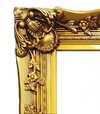
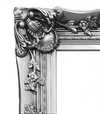
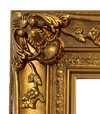

Pick from our preset sizes that match the artwork's original proportions.

Type the width and the height you need, to fit your frame or your wall. A print can only be cut, never made bigger than the picture, so a size with a different shape loses a part of the image. We send you a digital mockup to approve before we print anything. The picture shown on this page does not show the real cut — only the mockup does.
Worldwide Delivery () in 2 weeks instead of standard 4/5 weeks. (20 November)

Free Worldwide Express Shipping

High-Quality Linen Canvas

Full Shipping Insurance

Customs Tax Refund Guarantee

True Color Matching Guarantee

100-Day Return Policy (Defects Only)

100% Money-Back Guarantee

Bulk Discount Offer
 Glass option is only available in size under 110 CM

Belshazzar
Giclée / Art Print
Reproduction Size
-


Total Price
$ 62
Identification of Belshazzar by John Martin
The scene unfolds within the grand, chaotic atmosphere of a banquet hall in 1820. In this work, titled Belshazzar, the artist John Martin captures a pivotal moment of tension from the Book of Daniel, chapter 5. The air feels heavy with the weight of a divine omen as the Babylonian king, Belshazzar, presides over his revelry. He is surrounded by a crowded assembly of courtiers, wives, and concubines, all gathered amidst the abundance of a lavish feast.
Every figure in the room seems caught in a state of sudden, unsettled motion. The king and his guests occupy a space where the social order of the palace meets a sudden, supernatural intrusion. This biblical episode brings the ancient world to life, focusing on the high-stakes drama of the Babylonian court. The figures move through a setting of immense scale, where the earthly celebrations of the king collide with the impending judgment described in the scriptures.
Composition and Visual Elements
The grand banquet hall pulses with a lively, social energy as guests gather around long dining tables. Within this vast space, people move in a constant, rhythmic flow; some sit quietly at the tables while others stand or wander through the crowd. Several chairs are scattered throughout the room, some occupied by guests caught in mid-conversation, while others sit empty amidst the movement. The air feels heavy with the spirit of celebration as the assembly enjoys their time in this immense, architectural setting.
An abundance of food spills across the tables, creating a sense of overwhelming plenty. Multiple bowls and cups are positioned among the dishes, suggesting a feast that has been ongoing for some time. The arrangement of these objects, combined with the presence of the courtiers and guests, fills the hall with a sense of organized chaos. Every corner of the room seems occupied by the details of the feast, from the heavy furniture to the various vessels used by the diners.
Technique and Physical Dimensions
The oil on canvas medium allows for a deep, dramatic layering of light and shadow across the banquet scene. Every brushstroke contributes to the heavy atmosphere of the hall, capturing the textures of the food and the glint of the vessels. The paint carries a sense of weight, grounding the chaotic energy of the gathering within the physical reality of the medium.
Measuring 90 x 130 cm, the work possesses a commanding presence. The canvas itself spans 31 1/2 x 47 1/2 inches (80 x 120.7 cm), providing a vast field for the unfolding drama. This scale ensures that the viewer feels immersed in the grandiosity of the Babylonian setting, where the architecture and the figures exist in a tension of scale and space.
The painting is held within a frame that adds further depth to the visual experience. These frame dimensions reach 35 1/2 x 51 1/4 x 2 1/2 inches (90.2 x 130.2 x 6.4 cm), creating a structured boundary for the unfolding spectacle. This physical enclosure focuses the eye inward, trapping the light and the shadows within the defined limits of the work.
History and Current Collection
The history of this work traces a path from the grand halls of the nineteenth century to the quiet preservation of modern collections. While the original oil on canvas now resides within a private collection, its legacy remains deeply connected to the institutions that safeguard such dramatic visions. The painting is a vital part of the Paul Mellon Collection, a grouping of works that continues to hold significant presence in the study of British art.
Today, the piece finds its home at the Yale Center for British Art. Located in New Haven, Connecticut, this institution keeps the memory of the work alive for those who seek to witness its scale. The presence of the painting in such a setting ensures that the intense energy of the scene remains accessible to the eyes of the present. It exists as a tangible link to the era of Romanticism, held within the careful stewardship of the center's archives.
Questions & Answers
Is "Belshazzar" more bright or more dark overall?
"Belshazzar" is deep_shadow overall, and its luminance is dark.
Did "Belshazzar" stay in its artist's homeland?
No - the artwork is kept abroad. "Belshazzar" is held in United States of America, while John Martin was born in United Kingdom.
Where does "Belshazzar" sit within John Martin's body of work?
"Belshazzar" belongs to John Martin's Romanticism work, whose recorded themes include romanticism influences, biblical narrative themes, dramatic scale, melodramatic style, epic historical scenes.
Related Artworks


Artist Biography
John Martin: A Master of Melodramatic Romanticism
John Martin (1789-1854) was a celebrated English romantic painter, engraver, and illustrator whose dramatic compositions captivated the Victorian public. Born in Haydon Bridge, Northumberland, on July 19, 1789, he rose from humble beginnings to become one of the most popular artists of his day, renowned for his vast landscapes populated by minute figures and depicting biblical scenes and fantastical narratives with a powerful sense of scale and emotion.
Early Life and Artistic Development
Martin's early life was marked by practical pursuits. He was apprenticed to a coachbuilder in Newcastle upon Tyne, where he learned heraldic painting – a skill that would later inform his meticulous attention to detail. In 1806, he moved to London, marrying at the age of nineteen and supporting himself through drawing lessons and commissions for watercolors and decorative work on china and glass. This period honed his technical skills while allowing him to explore various artistic mediums. His early works show a developing interest in dramatic lighting and composition, foreshadowing his later signature style.
Artistic Style and Notable Works
Martin's distinctive style is characterized by its grand scale, melodramatic intensity, and meticulous detail. He frequently depicted biblical subjects, such as The Destruction of Sodom and Gomorrah and Belshazzar’s Feast, with a theatrical flair that resonated deeply with audiences. His landscapes, like Harnham Church, near Salisbury, demonstrated his ability to capture serene countryside scenes while maintaining a sense of grandeur. Key works showcasing his artistic prowess include:
- The Destruction of Sodom and Gomorrah: A monumental depiction of divine retribution, demonstrating Martin’s skill in portraying chaos and destruction on a vast scale.
- Belshazzar's Feast: Illustrating the biblical story with dramatic lighting and intricate detail, highlighting the downfall of Babylon.
- Manfred and the Alpine Witch: Inspired by Byron’s poem, this work exemplifies Martin’s ability to translate literary narratives into visually stunning compositions.
- Satan Arousing the Fallen Angels (from Paradise Lost): A powerful interpretation of Milton's epic poem, showcasing his skill in depicting dramatic scenes from literature.
- Pandemonium: A fantastical depiction of the capital of Hell, demonstrating Martin’s imaginative scope and mastery of perspective.
- The Country of the Iguanodon: An early example of paleoart, reflecting a burgeoning interest in scientific discovery during his time.
Recognition and Legacy
John Martin achieved considerable recognition during his lifetime. He was referred to as "the most popular painter of his day" by Walter Sickert in 1821 and received a gold medal from the Russian Tsar Nicholas I. He was awarded the Order of Leopold from Prince Leopold of Saxe-Coburg and Gotha, becoming the official historical painter to Prince Leopold. His works were exhibited at both the National Gallery and the Tate Gallery, solidifying his place within the British art establishment.
Despite a period of relative obscurity after his death on February 17, 1854, Martin’s work has experienced a resurgence in appreciation. Today, his paintings are recognized for their unique blend of Romantic drama, meticulous detail, and imaginative scope. His influence can be seen in the works of later artists, including James Francis Danby, who was inspired by Martin's dramatic landscapes. John Martin remains an important figure in British art history, celebrated for his ability to transport viewers to epic worlds filled with both awe-inspiring beauty and terrifying power.

John Martin
1789 - 1854 , United Kingdom
Quick Facts
- Name: John Martin
- Movement: Romanticism
- Birth_Date: 1789-07-19
- Death_Date: 1854-02-17
- Influenced: ['James Francis Danby']
- Birth_Place: Haydon Bridge, United Kingdom
- Nationality: English
- Date Of Birth: 1789
- Date Of Death: 1854
- Notable_Works:
- The Destruction of Sodom and Gomorrah
- Belshazzar's Feast
- Harnham Church, near Salisbury
- Keelmen Heaving in Coals by Night
- Ploughing up Turnips, near Slough
- The Evening of the Deluge
- Manfred and the Alpine Witch
- Satan Arousing the Fallen Angels, Book 1, line 314, from John Milton, Paradise Lost
- Pandemonium
- The Country of the Iguanodon
- Eve
- The Plains of Heaven
- Place Of Birth: Haydon Bridge, United Kingdom
Related Articles

The Art of the Assembly: Exploring Baroque Banquets and Ming Dynasty Scholar Gatherings
Explore the social history of Baroque feasts and Ming scholar gatherings through expert analysis. Discover the art of human connection now.

25 Must-See Masterpieces at the Yale Center for British Art
Explore 25 iconic British masterpieces from Turner to Hogarth. Discover museum-quality art at WikiOO.org.

Art for Every Course: Using Visual Rhythm to Design Multi-Zone Dining Spaces
Master the art of multi-zone dining design with expert strategies for using visual rhythm and curated art. Learn to transform hotel and restaurant interiors through professional art procurement, custom oil reproductions, and strategic spatial storytelling.

Plating Perfection: How Chefs and Artists Transform Signature Dishes into Bold Wall Art
Discover how visionary chefs and artists merge culinary mastery with bold Pop Art. Learn to transform signature dishes into high-impact, hand-painted oil masterpieces that redefine restaurant interiors and elevate the dining experience through sensory-driven wall art.

25 Must-See Masterpieces at the Yale Center for British Art
Explore 25 iconic works from Turner to Hogarth at Yale Center for British Art. Discover every masterpiece on WikiOO.org.


