

- 172.0 x 172.0 cm


 Preview

 Send
 Share
 Details
 Guide


 Download
 Similars
 X-Ray
 Diaporama
 Q&A
 Stats
Look closer
Every detail, painted by hand
Three spots of the painting, enlarged. Our artists reproduce each of them by hand, at the size you choose.
i.
The heart of the scene.
ii.
Light and background.
iii.
The brushwork.
The painting
Collectible Description
Explore Roy Lichtenstein's 'Kitchen range,' a vibrant 1962 Pop Art masterpiece. This iconic painting captures domesticity with bold lines and Ben-Day dots, reflecting consumer culture.
 Read More
Artist Biography
Pop Art pioneer Roy Lichtenstein is famed for his Ben-Day dots and Whaam!. Discover his iconic masterpieces today.
A Domestic Scene Transformed: Roy Lichtenstein’s ‘Kitchen Range’
Roy Lichtenstein's ‘Kitchen Range,’ completed between 1961 and 1962, is far more than a depiction of domesticity; it’s a bold statement on the burgeoning consumer culture of post-war America, filtered through the distinctive lens of Pop Art. The large-scale canvas—measuring an impressive 172 x 172 cm—immediately commands attention, drawing the viewer into a seemingly ordinary kitchen scene that is anything but. Two gleaming ovens dominate the composition, each brimming with baked goods: pies and cakes arranged with meticulous detail. This isn’t a nostalgic rendering of home baking; it's an almost clinical observation, presented with the cool detachment characteristic of Lichtenstein’s style. The painting feels less like a warm invitation to share in culinary delights and more like an advertisement—a snapshot of idealized domestic bliss meticulously crafted for consumption.The Language of Comics and Consumerism
Lichtenstein’s artistic breakthrough lay in his appropriation of commercial art techniques, most notably the Ben-Day dot printing process used in comic books. In ‘Kitchen Range,’ this technique is employed to create areas of flat color and texture, mimicking the mechanical reproduction inherent in mass media. The bold outlines, primary colors, and simplified forms further contribute to this effect, stripping away any pretense of artistic handiwork. This deliberate aesthetic choice wasn’t merely stylistic; it was a commentary on the increasing prevalence of manufactured images in everyday life. By elevating these “low” art techniques to the realm of fine art, Lichtenstein challenged traditional notions of artistic value and questioned the boundaries between high and low culture. The painting's subject matter—a kitchen appliance and its bounty—reinforces this theme, highlighting the centrality of consumer goods in shaping American identity during the 1960s.A Reflection of a Changing America
The early 1960s were a period of significant social and economic transformation in the United States. Post-war prosperity fueled a surge in consumerism, with new technologies and products flooding the market. Simultaneously, artists began to question established norms and explore new forms of expression. Lichtenstein’s work emerged at this pivotal moment, reflecting both the excitement and anxieties of a rapidly changing society. ‘Kitchen Range’ can be seen as a visual representation of this tension—a celebration of modern convenience juxtaposed with a subtle critique of its superficiality. The painting doesn't offer a moral judgment; rather, it presents a neutral observation, inviting viewers to contemplate their own relationship with consumer culture and the images that surround them.Emotional Resonance and Lasting Impact
Despite its seemingly detached aesthetic, ‘Kitchen Range’ possesses a subtle emotional resonance. The vibrant colors and familiar subject matter evoke a sense of nostalgia, while the mechanical precision of the technique creates a feeling of alienation. This duality is key to understanding Lichtenstein's genius—his ability to simultaneously engage and critique popular culture. Today, ‘Kitchen Range’ remains a powerful symbol of the Pop Art movement and a testament to Lichtenstein’s enduring legacy. Its iconic imagery continues to captivate audiences, inspiring artists, designers, and collectors alike. A reproduction of this work brings not only a visually striking piece into a space but also a conversation starter—a reminder of a pivotal moment in art history and a reflection on the ever-evolving relationship between art, commerce, and everyday life.Questions & Answers
How many people view "Kitchen range"?
A Stats page exists for "Kitchen range". It charts the monthly visits of the artwork and of the artist's other works, with country and language breakdowns.
Is "Kitchen range" by Roy Lichtenstein a well-known artwork?
"Kitchen range" is classified as iconic.
What technique and style characterize "Kitchen range" by Roy Lichtenstein?
In "Kitchen range", the acrylic on canvas technique meets the Pop Art movement.
This Artwork Is Under Copyright Protection
The artwork displayed on this page is protected by copyright law, which means we cannot legally create or sell an identical reproduction. This protection is enforced under international agreements such as the Berne Convention and by national laws, including those outlined by the U.S. Copyright Law - Title 17.
As a respectful and legal alternative, we offer custom, hand-painted artworks inspired by the original. Our skilled and professional artists carefully study the original's style, mood, and artistic essence to create a new, unique piece that evokes the same feeling - while remaining an original creation in its own right.
This method fully complies with copyright regulations because it does not involve copying or duplicating the protected artwork. Instead, it is a creative reinterpretation - a new painting that is influenced by the original but not identical to it.

Roy Lichtenstein
1923 - 1997, United States
The painter
Artist Biography
The Life of Roy Lichtenstein
Manhattan, New York City, October 27, 1923. Roy Lichtenstein enters the world as the son of Milton and Beatrice. The urban energy of the metropolis provides the backdrop for a life that will eventually challenge the boundaries of fine art. He grows up in an upper-middle-class Jewish family, absorbing the cultural rhythms of the city through museums and jazz music.
The trajectory of his career shifts during the mid-twentieth century. He emerges as a leading figure of the Pop Art movement, a period defined by a radical departure from the heavy, emotional brushwork of Abstract Expressionism. Instead of looking inward, he looks outward at the glossy, mechanical surfaces of American mass culture. He finds his subject matter in the most overlooked corners of daily life: the dramatic panels of comic books and the stark, repetitive patterns of commercial advertising.
His work transforms the ephemeral language of print into something monumental. By adopting the visual shorthand of the masses, he forces a confrontation between high-end gallery prestige and the everyday pulse of the street. His presence in the art world is marked by a deliberate detachment, using the very tools of industrial reproduction to redefine what a painting can be.
Early Life, Family and Training
Manhattan, 1923. The city provides the backdrop for Roy Fox Lichtenstein's arrival into an upper-middle-class Jewish family. His father, Milton, works as a real estate broker, while his mother, Beatrice, a trained pianist, introduces him to the cultural rhythms of New York. These early years are marked by a dual immersion in the visual and the auditory; he spends his childhood exploring museums and attending concerts, developing a deep appreciation for jazz music that persists throughout his life.
The trajectory shifts toward formal discipline in 1939. He enters the Art Students League of New York, placing himself under the instruction of Reginald Marsh. Here, the focus remains on the fundamentals of drawing and painting. He moves from these early explorations toward higher education, enrolling at Ohio State University to pursue a degree in fine arts. This academic foundation provides the technical rigor that will eventually underpin his later, more radical departures from traditional representation.
Military Service and Return to Study
The trajectory of Lichtenstein's education shifts abruptly in 1943. The draft pulls him from the classroom and into the United States Army. For two years, the focus moves from the studio to the front lines of Europe. He serves in France, Belgium, and Germany, navigating the chaos of the war years between 1943 and 1945. During this period, he works as an orderly, a draftsman, and an artist, sketching the reality of his surroundings while the conflict reaches its peak.
The war ends, but the transition back to civilian life is not immediate. After the cessation of hostilities in 1945, Lichtenstein remains in France for a time, intending to study at the Sorbonne. This plan dissolves when his father becomes gravely ill, forcing a return to the United States. He heads back to Ohio State University to finish what he started. By 1946, he completes his BFA, ready to re-enter the professional art world as a trained practitioner.
Teaching Career and Early Works
The post-war years find Lichtenstein navigating the academic landscape of the American Midwest and East Coast. He serves as an art instructor at Ohio State University, a position he holds on and off for a decade. During this period, his creative output shifts. He moves away from the heavy, emotional brushwork of Abstract Expressionism. Instead, he begins to experiment with Cubist interpretations and lyrical works inspired by the Bayeux Tapestry. He also explores Western themes, producing series of drawings and paintings that reflect a growing interest in stylized, printed imagery.
The transition toward a more graphic language accelerates through his various academic appointments. In 1957, he moves to the State University of New York, Oswego, to teach industrial design. This role coincides with a period of intense experimentation. He begins to combine cartoon characters, such as Mickey Mouse and Donald Duck, with abstract backgrounds. This hybrid approach marks a departure from traditional fine art. He later serves as an assistant professor at Douglass College, Rutgers, State University of New Jersey, and as an assistant professor at SUNY Oswego. These academic environments provide the stability for him to refine a visual language that rejects the texture of traditional painting in favor of something more mechanical and detached.
- Look Mickey (1961)
- Wimpy (Tweet) (1961)
- Mr. Bellamy (1961)
Technique and Signature Style
The canvas becomes a site of mechanical precision. Lichtenstein strips away the visible brushstroke, replacing the artist's hand with the cold, calculated language of mass production. He adopts the aesthetics of comic books and advertising, utilizing bold, primary colors and heavy black outlines to define his subjects. The imagery feels detached, mimicking the flat, impersonal quality of a printed page rather than a hand-painted surface.
Texture is achieved through a deliberate, systematic application of Ben-Day dots. These small, colored circles create shading and gradations, replicating the look of cheap commercial printing. He does not paint these dots individually. Instead, he uses stencils made of thin plastic or metal, sweeping a brush or rag across the surface to ensure a uniform, machine-made appearance. This technique turns the act of painting into a process of reproduction, blurring the line between fine art and industrial output.
Key Works and Iconic Paintings
The shift toward his signature style arrives in 1961 with Look Mickey. Here, the appropriation of a Disney character marks a departure from his earlier abstract experiments. He moves away from the heavy, emotional brushwork of the previous decade, opting instead for the mechanical clarity of the comic strip. The work functions as a bridge, translating the language of pulp fiction into a formal, large-scale composition.
By 1963, the scale of his visual interrogation expands. Whaam! explodes across the canvas, utilizing the dramatic, fragmented panels of war comics to capture a moment of high-octane violence. Simultaneously, Drowning Girl presents a different kind of tension. It focuses on a woman submerged in water, her face marked by stylized tears and a speech bubble that expresses a sense of personal defiance. These works do not merely depict scenes; they freeze the melodrama of mass media into static, graphic objects.
The 1964 painting Nurse continues this exploration of the romantic and the dramatic. It utilizes the same high-contrast outlines and Ben-Day dots that define his most recognized period. The subject, a nurse from a comic romance novel, is rendered with a detachment that emphasizes the artificiality of the source material. His output during this era remains focused on the intersection of human emotion and industrial reproduction.
- Look Mickey (1961)
- Whaam! (1963)
- Drowning Girl (1963)
- Nurse (1964)
Later Years and Death
The 1960s brought a shift in his personal life when he married Dorothy Herzka in 1968. This period saw him continuing to produce a vast body of work, expanding his reach through various mediums. His output remained prolific, spanning over five thousand works including paintings, sculptures, and murals. He moved beyond the initial shock of his comic-inspired style to explore more complex compositions, including series that referenced classical art and landscapes.
The end came abruptly in the late 1990s. In August 1997, he contracted pneumonia. The illness proved too much for his system. He died from complications of the infection on September 29, 1997. He was 73 years old.
Legacy and Lasting Impact
The boundaries between high art and popular culture dissolve in the wake of his influence. By lifting the visual language of comic strips and advertising into the gallery, he forced a confrontation between fine art and the mass-produced imagery of everyday life. This shift did more than change the subject matter of painting; it challenged the very definition of artistic authorship and originality. His work remains a catalyst for critical dialogue regarding the intersection of art, culture, and commerce.
His presence is felt in major museum collections worldwide. From the halls of the Tate in London to the Museum of Modern Art in New York, his aesthetic remains a fundamental part of the modern canon. The impact of his method extends into graphic design, illustration, and contemporary digital art, where the tension between the mechanical and the hand-painted continues to resonate. He did not merely participate in the Pop Art movement; he helped originate it, establishing a visual vocabulary that remains a primary reference point for how we consume images in a media-saturated age.
- Whaam! (1963)
- Drowning Girl (1963)
- Masterpiece (1962)
- Look Mickey (1961)
Quick facts about Roy Lichtenstein
- Artistic Movement Or Style: Pop Art
- Artists Or Movements Influenced By This Artist: ['Pop Art']
- Artists Who Influenced This Artist: ['Reginald Marsh']
- Full Name: Roy Fox Lichtenstein
- Nationality: American
- Notable Artworks:
- Whaam!
- Drowning Girl
- Oh, Jeff…I Love You, Too…But…
- Masterpiece
- Look Mickey
- Place Of Birth: Manhattan, United States of America
- Date Of Birth: 1923
- Date Of Death: 1997


Hand Made Oil Reproduction
Have it painted for you
Hand Made Oil Reproduction
Hand-painted oil on canvas in your size and frame, made to order by our artists. ( Switch to Print Switch to Digital Image)

Your commission

Kitchen range
Reproduction Medium
Reproduction Size
-

Elite Senior Artist
More detail, finesse, and extra production time
-

Reproduction Frame
-
-
For artworks or reproductions larger than 105 cm (approximately 41 inches) on any side, the frame will be shipped as a kit, disassembled. This method ensures safe delivery and prevents damage during transport.
Professional assembly required - this is not a DIY product.
The kit must be assembled and the canvas stretched by an experienced professional framer, using wood glue (not supplied), a canvas stretching plier and clamps to hold the bars square while the glue dries. Incorrect assembly or uneven canvas tension can permanently damage the artwork and is not covered by our warranty.
 For artworks or reproductions larger than 105 cm (approximately 41 inches) on any side, the frame will be shipped as a kit, disassembled. This method ensures safe delivery and prevents damage during transport.
All solid wood bars are included, precisely cut to size.
Assembled with the screws provided, plus wood glue for the corner joints, which is not supplied and must be sourced by your framer.
Professional tools are required and not included: a canvas stretching plier (tensioner) and clamps to hold the bars square while the glue dries.
Important:
The corner joints require wood glue, the bars must be held with clamps until the glue is fully dry, and tightening the canvas on the assembled frame requires a canvas stretching plier. None of these are included in the kit. Please arrange an experienced professional framer before ordering this size.

Nameplate
-
-

Protective Varnish
Glossy Varnish (enhances colors, protects against light/moisture)
-

Customize My Artwork
Examples of what can be changed: Replace face with customer photo; Add pet (e.g., replace cat with dog); Include hidden message in background; Change background landscape or elements.
-

Urgent
Worldwide Delivery () in 3/4 weeks instead of standard 5 weeks. (19 November). No compromise on quality.
-
Express Shipping
Worldwide Delivery () in 5 weeks. (26 November).
Included
Total Price
$ 265
Glass option is only available in size under 110 CM
i.
Scale
The original measures 172.0 x 172.0 cm. Slide to your wall: every size keeps its proportions.
Pick from our preset sizes that match the artwork's original proportions.

Type the width and the height you need, to fit your frame or your wall. This is hand-painted, so for a size with a different shape the artist can paint a bit more around the picture, or cut a bit — you choose. We send you a digital mockup to approve before the painting starts. The picture shown on this page does not show the real result — only the mockup does.
ii.
Frame
The frame is drawn on the painting at its true width.
Framed

White $1

Blurside $1

Extended $1

P118B $10

P118H $10

P118W $10

P438Z $10

P508JH $12

P508YH $12

P805H $10

P805Z $10

P919BZ $10

P919G $10

P919XJ $10

P959ZH $10

P968JZ $12

W106C $8

W218G $10

W218JH $8

W218Y $10

W307PJ $10

W316G $10

W316PJ $8

W316Y $10

W398PJ $8

W4111J $10

W500HY $15

W500JH $15

W692G $12

W849H $8

W940BG $15

W953PJ $8
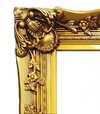
H24-GOLD $30
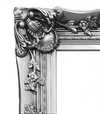
H24-SILVER $30
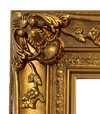
H36-GOLD $45

H36-SILVER $45
iii.
Make it yours
A painting made by hand can be made for one person.
iv.
Finishing
Nameplate, varnish and delivery.
Nameplate
Engraved Bronze Plaque Details
This elegant plaque features the artist's name and the title of the artwork, finely engraved for a timeless presentation.
It is made from bronze with a refined, elegant finish. The text is precisely laser-engraved for a sharp and permanent result. Measuring 9x2 cm, the plaque is compact yet easy to read. It's built to be durable and scratch-resistant, offering a professional, museum-quality look. Mounting is simple thanks to the included adhesive backing.
Transparent Acrylic Plaque Details
The plaque includes essential engraved details such as the artist's name, the title of the artwork, the date it was created, the type of media used-like oil on canvas or watercolor-a brief description of the piece, and a QR code that links to the complete artwork information.
It is crafted from clear acrylic, offering a sleek, modern appearance. The text is UV-engraved in black to ensure strong visual contrast. With a size of 10x15 cm, it ensures optimal readability. It comes equipped with two metal hooks for secure wall mounting. The plaque is designed to be weather-resistant, making it suitable for various environments, and it includes interactive features that work seamlessly with smartphone scanning.
Black Acrylic Plaque Details
This elegant plaque includes engraved information such as the artist's name, the title of the artwork, the date it was created, the type of media used (like oil on canvas or watercolor), a short description of the artwork, and a QR code for quick access to more information.
The plaque itself is made from refined black acrylic with a premium finish. The text is laser-engraved in white for high contrast and readability. Its size is 10x15 cm, designed to be easy to read. It comes with two metal hooks for professional mounting. The design is sleek and fits any interior style. It is also weather-resistant and durable, with built-in digital integration for mobile compatibility.
Protective Varnish
Urgent Production
Worldwide Delivery () in 3/4 weeks instead of standard 5 weeks. (19 November). No compromise on quality.
- Free Worldwide Express Shipping
- High-Quality Linen Canvas
- Full Shipping Insurance
- Customs Tax Refund Guarantee
- True Color Matching Guarantee
- 100-Day Return Policy (Defects Only)
- 100% Money-Back Guarantee
- Bulk Discount Offer


Quick facts and art quiz
Related Articles

Pop Art Unmasked: The Bold Tech Behind Warhol’s Screenprints and Lichtenstein’s Dots
Go behind the scenes of Pop Art's visual revolution. Discover the industrial secrets of Warhol’s silk screens and Lichtenstein’s iconic Ben-Day dots. Explore how mass production tech transformed everyday imagery into high-impact, legendary fine art masterpieces.

25 Iconic Roy Lichtenstein Masterpieces That Defined Pop Art
Immerse yourself in the vibrant world of Pop Art with our curated guide to Roy Lichtenstein's top 25 masterpieces. Explore the stories behind his iconic Ben-Day dots and bold comic aesthetics. Find museum-quality reproductions for your decor at WikiOO.org. Discover all masterpieces online.

Pop Art Icon: The Top 25 Essential Roy Lichtenstein Artworks
Explore the top 25 Roy Lichtenstein masterpieces. Discover the iconic Pop Art style and Ben-Day dots. Explore the full collection on WikiOO.org.

25 Iconic Roy Lichtenstein Masterpieces That Defined Pop Art
Immerse yourself in the vibrant world of Pop Art with our curated guide to Roy Lichtenstein's top 25 masterpieces. From iconic Ben-Day dots to comic-inspired legends, explore the stories behind these timeless works and find museum-quality reproductions on WikiOO.org.
Related Artworks


