
 Preview

 Send
 Share
 Details
 Guide


 Download
 Similars
 X-Ray
 Diaporama
 Q&A
 Stats
Still-life

- 48.0 x 40.0cm


 Read More
Giclée / Art Print
Museum-quality giclée or canvas print with fast production and flexible finish options. ( Buy Hand Made Painting Switch to Digital Image)
































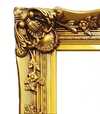
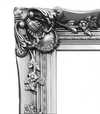
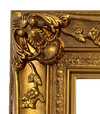
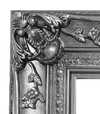
Pick from our preset sizes that match the artwork's original proportions.

Type the width and the height you need, to fit your frame or your wall. A print can only be cut, never made bigger than the picture, so a size with a different shape loses a part of the image. We send you a digital mockup to approve before we print anything. The picture shown on this page does not show the real cut — only the mockup does.
Worldwide Delivery () in 2 weeks instead of standard 4/5 weeks. (20 November)

Free Worldwide Express Shipping

High-Quality Linen Canvas

Full Shipping Insurance

Customs Tax Refund Guarantee

True Color Matching Guarantee

100-Day Return Policy (Defects Only)

100% Money-Back Guarantee

Bulk Discount Offer
 Glass option is only available in size under 110 CM

Still-life
Giclée / Art Print
Reproduction Size
-


Total Price
$ 62
Related Artworks


Artist Biography
The Life and Origins of James Hamilton
James Hamilton was born in Scotland around 1640. He came from the family of Hamilton of Murdieston in Fifeshire, a lineage rooted in the landscape of his home. His early years were shaped by the political shifts of the era, as he held strong Royalist convictions during a time of significant upheaval in the British Isles.
These political leanings eventually dictated the direction of his life. In 1666, he left Scotland and emigrated to the Netherlands. This move was a departure from his origins, driven by the need to find stability away from the Commonwealth. He settled in Brussels, a place that would become a central part of his existence as he practiced his craft.
Activity in Brussels and Germany
After leaving Scotland, Hamilton settled in Brussels, where he began to practice as a painter of flowers and still life. It was during his time in the Netherlands that he adopted the name de Hamilton. His work focused on the quiet details of nature, often capturing the stillness of floral arrangements or the presence of animals.
His time in Brussels was followed by a move to Germany. This shift in location saw his family continue to work within the same traditions, focusing on hunting trophies and animal subjects. The practice of painting still life remained a constant throughout these years of movement across Europe.
The Artistic Legacy of the Hamilton Family
The painter's influence extended through his three sons, all of whom were born in Brussels. They carried the family's focus on animals and still life into the courts of Central Europe. Ferdinand Philip and John George both found work in Vienna, serving the Emperor Charles VI. Their brother, Charles William, took a different path, finding employment with Alexander Sigmund, the bishop of Augsburg.
This tradition of painting hunting trophies and specific animal subjects continued through the next generations. The sons and grandsons maintained the same focus on the natural world that James Hamilton had established. In Brussels, the family began using the name De Hamilton, while in Germany, they were known as von Hamilton. Their work remains tied to the galleries of Vienna.
Key Works and Artistic Style
Hamilton focused his brush on the quiet details of still-life and flowers. His approach was steady, often dealing with the physical presence of objects rather than grand scenes. In his work, there is a specific interest in the textures of nature, whether through the delicate petals of a bloom or the heavy stillness of a hunting trophy.
One notable oil on canvas from about 1695 depicts four dead birds. This subject was a common choice for Flemish still-life painters of that era. While the composition follows these established traditions, the execution lacks the technical polish seen in the work of his contemporaries. The brushwork is functional, capturing the essence of the birds without the heightened refinement found in other studios of the period.
- Still-life (about 1695)
Where to See His Works Today
Finding a direct trace of James Hamilton's hand requires a visit to the National Gallery of Scotland. Located in Edinburgh, United Kingdom, the gallery holds the primary piece that can be surely attributed to him. This work, a still-life, offers a quiet look at the subjects he chose to paint during his time in Europe.
The painting measures 47.80 x 40.50 cm. It depicts four dead birds, a common subject for still-life painters of that era. This specific canvas is cataloged under the accession number NG 1833. It remains the only work that carries his name with certainty.

James Hamilton
1640 - 1720 , United Kingdom
Quick Facts
- Full Name: James Hamilton
- Nationality: Scottish
- Notable Artworks: ['Still-life']
- Place Of Birth: Scotland, United Kingdom
- Date Of Birth: 1640
- Date Of Death: 1720
Related Articles

Mastering the Nocturne: The 25 Best Artworks by James Abbott McNeill Whistler
Immerse yourself in the ethereal beauty of James Abbott McNeill Whistler. Explore 25 iconic Nocturnes and masterpieces of the Aesthetic movement. Find inspiration for museum-quality art reproductions and timeless decor. Discover all masterpieces on WikiOO.org.

Whistler's Masterpieces: Explore 25 Iconic Paintings & Aesthetic Art for Your Home
Journey through 25 iconic James Abbott McNeill Whistler paintings! Explore his masterpieces of Aestheticism, from 'Nocturne in Black and Gold' to captivating portraits. Find museum-quality art reproductions & elevate your home decor with WikiOO.org. Discover the full collection online.

Mastering the Nocturne: The 25 Best Artworks by James Abbott McNeill Whistler
Immerse yourself in the ethereal beauty of James Abbott McNeill Whistler. Explore 25 iconic Nocturnes and masterpieces of the Aesthetic movement. Find inspiration for museum-quality art reproductions and curated decor. Discover all masterpieces on WikiOO.org.

Masterpieces of Light: The Top 25 Artworks by James McNeill Whistler
Explore 25 iconic masterpieces by James McNeill Whistler. Discover the essence of Tonalism and fine art on WikiOO.org. Explore the collection.