
 Preview

 Send
 Share
 Details
 Guide


 Download
 Similars
 X-Ray
 Diaporama
 Q&A
 Stats
Wedding procession

- 110.0 x 160.0cm


 Read More
Giclée / Art Print
Museum-quality giclée or canvas print with fast production and flexible finish options. ( Buy Hand Made Painting Switch to Digital Image)




P118B $10

P118H $10

P118W $10

P438Z $10

P508JH $12

P508YH $12

P805H $10

P805Z $10

P919BZ $10

P919G $10

P919XJ $10

P959ZH $10

P968JZ $12

W106C $8

W218G $10

W218JH $8

W218Y $10

W307PJ $10

W316G $10

W316PJ $8

W316Y $10

W398PJ $8

W4111J $10

W500HY $15

W500JH $15

W692G $12

W849H $8

W940BG $15

W953PJ $8
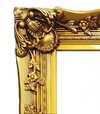
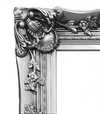
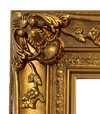

Pick from our preset sizes that match the artwork's original proportions.

Type the width and the height you need, to fit your frame or your wall. A print can only be cut, never made bigger than the picture, so a size with a different shape loses a part of the image. We send you a digital mockup to approve before we print anything. The picture shown on this page does not show the real cut — only the mockup does.
Worldwide Delivery () in 2 weeks instead of standard 4/5 weeks. (17 November)

Free Worldwide Express Shipping

High-Quality Linen Canvas

Full Shipping Insurance

Customs Tax Refund Guarantee

True Color Matching Guarantee

100-Day Return Policy (Defects Only)

100% Money-Back Guarantee

Bulk Discount Offer
 Glass option is only available in size under 110 CM

Wedding procession
Giclée / Art Print
Reproduction Size
-


Total Price
$ 62
A Village Celebration
A lively scene unfolds within a European village, capturing a festive wedding procession moving through a crowded street. The composition utilizes a wide-angle perspective to document a bustling gathering of figures dressed in traditional attire. An ornate carriage occupies the mid-ground, acting as a focal point for the eye as it moves through the crowd. The architecture of half-timbered houses provides a structured backdrop to the organic forms of the people and surrounding foliage.Technique and Composition
Executed in 1873, this work employs Academic Realism to achieve high representational accuracy. The color palette relies on warm, earthy tones, specifically ochre, cream, deep reds, forest greens, and browns. Fine detail is applied to the textures of heavy clothing fabrics, the rough stone of buildings, and delicate floral arrangements. Natural daylight illuminates the central group of guests, casting soft shadows across the street. Through overlapping figures and a receding perspective, the painting establishes depth within the dense crowd.Realist Observation
The subject matter focuses on communal celebration and social cohesion. The use of lines guides the viewer from foreground figures toward the central procession, mirroring the movement of the event itself. This approach to genre painting emphasizes the documentation of everyday life and tradition through precise brushwork in oil on canvas.Questions & Answers
What is the luminance of "Wedding procession" by Gustave Brion?
The colors of "Wedding procession" show a gentle luminance luminance.
What level of contrast does "Wedding procession" by Gustave Brion show?
"Wedding procession" by Gustave Brion shows a statement contrast between its light and dark areas.
How strong are the colors of "Wedding procession"?
The color of "Wedding procession" is clear color presence in saturation and vivid in intensity.
Related Artworks


Artist Biography
The Life and Art of Gustave Brion
Gustave Brion was a French painter and illustrator born in Rothau, France. He studied in Strasbourg under the painter Gabriel-Christophe Guérin and the sculptor Andreas Friedrich. His artistic journey led him to a studio on rue Notre-Dame-des-Champs in Paris, where he resided alongside Realist artists Jules Breton and François Bonvin. Brion is widely recognized for his genre paintings that depict the customs and peasant life of Alsace, though his repertoire also included historical subjects such as The Siege of a Town by Romans, which was commissioned by Napoleon III.
His technical skill earned him significant recognition at the Paris Salon. In 1853, he received a Second-Class Medal for Schlitteurs de la Forêt-Noire and Potato Harvest during an Inundation. His success continued with a First-Class Medal at the Salon of 1863 for Les Fleurs du Pays, an achievement that also brought him the Legion of Honour. He received further honors at the Exposition Universelle of 1867 and the Salon of 1868.
Illustrative Legacy and Notable Works
Beyond his canvas work, Brion was a prolific book illustrator. He contributed over 200 illustrations to the first edition of Victor Hugo's Les Misérables, providing the first published portrayal of Inspector Javert. He also provided illustrations for Hugo's The Hunchback of Notre-Dame, depicting characters such as Quasimodo and Esmeralda.
His principal works include:

Gustave Brion
1824 - 1877 , France
Quick Facts
- Artists Who Influenced This Artist:
- Charles Gleyre
- Gabriel-Christophe Guérin
- Full Name: Gustave Brion
- Nationality: French
- Notable Artworks:
- Les Pèlerins de Sainte-Odile
- Siege of a city by the Romans
- Schlitteurs de la Forêt-Noire
- Potato Harvest during an Inundation
- Les Fleurs du Pays
- Place Of Birth: Rothau, France
- Date Of Birth: 1824
- Date Of Death: 1877
Related Articles

Beyond the Guest Book: Unique Wedding Keepsakes Through Custom Artwork
Elevate your wedding memories with unique custom artwork! Discover personalized paintings & prints that capture the magic of your special day. Expert guidance, premium quality, lasting keepsakes.

Academic Realism's Finest: 10 Masterpieces for Art Lovers & Home Decor
Explore 10 defining Academic Realism masterpieces by Bouguereau, Gérôme & Cabanel. Discover the stories behind these iconic paintings and bring timeless art into your home with museum-quality reproductions from WikiOO.org. Explore the full collection online!

Love on Canvas: Choosing the Perfect Artistic Style for Your Wedding Portrait
Discover the perfect artistic style for your wedding portrait! Explore realism, impressionism & more. Commission a timeless heirloom with expert guidance. Learn from .

10 Iconic Masterpieces That Defined Academic Realism
Journey through history with 10 iconic Academic Realism masterpieces. Explore the legendary techniques and stories behind these timeless oil paintings. Find museum-quality art reproductions and curated decor inspiration for your home. Discover all masterpieces on WikiOO.org.

10 Epic Custom Art Ideas to Level Up Your Wedding Decor: The Ultimate Guide for Trend-Driven Wedding Planners
Elevate your wedding design with trend-driven custom art. From bespoke oil portraits to grand architectural murals, discover 10 epic ways for planners to replace traditional decor with timeless, hand-painted masterpieces that create an unforgettable luxury experience.


