

 Megtekintés
 Küldés
 Megosztás
 Részletek
 Útmutató

 Letöltés
 Hasonló darabok
 X-ray felvétel
 Diavetítés
 Q&A
Q&A Statisztika
King David


 Összes részlet megjelenítése
Giclée / Műnyomat
Múzeumi minőségű giclée vagy vászonnyomat, gyors gyártással és rugalmas finomítási lehetőségekkel. ( Kézzel festett másolat rendelése Áttérés digitális képre)




P118B Ft10

P118H Ft10

P118W Ft10

P438Z Ft10

P508JH Ft12

P508YH Ft12

P805H Ft10

P805Z Ft10

P919BZ Ft10

P919G Ft10

P919XJ Ft10

P959ZH Ft10

P968JZ Ft12

W106C Ft8

W218G Ft10

W218JH Ft8

W218Y Ft10

W307PJ Ft10

W316G Ft10

W316PJ Ft8

W316Y Ft10

W398PJ Ft8

W4111J Ft10

W500HY Ft15

W500JH Ft15

W692G Ft12

W849H Ft8

W940BG Ft15

W953PJ Ft8




Válasszon előre meghatározott méreteink közül, amelyek megfelelnek a műalkotás eredeti arányainak.

Írja be a keretének vagy a falának megfelelő szélességet és magasságot. A nyomatot csak le lehet vágni, soha nem tehető nagyobbá, mint az eredeti kép, így egy eltérő alakú méretnél a kép egy része elveszik. Mielőtt bármit kinyatintanánk, küldünk egy digitális próbamodellt jóváhagyásra. Az oldalon látható kép nem tartalmazza a valós levágást — ezt csak a próbamodell mutatja meg.
Világszerte történő kiszállítás területére mindössze 2 hét alatt, a szokásos 4-5 hét helyett. (30 október)

Ingyenes globális expressz szállítás

Prémium minőségű len vászon

Teljes körű szállítási biztosítás

Vámvisszatérítési Garancia

Hiteles színarányosság garancia

100 napos visszaküldési lehetőség (csak hibás termékek esetén)

100% pénzvisszatérítési garancia

Több darab vásárlásakor kedvezmény
 Az üvegkeretes opció csak 110 cm alatti méretben érhető el

King David
Giclée / Műnyomat
Reprodukció mérete
-


Összesített ár
Ft 19945
Hasonló műalkotások


A művész életrajza
The Sculptural Grace of André Beauneveu
In the twilight of the fourteenth century, a period defined by the transition from the rigid structures of the High Middle Ages to the burgeoning naturalism of the Early Netherlandish tradition, the name André Beauneveu emerges as a beacon of artistic innovation. Born around 1335 in Valenciennes, within the County of Hainaut, Beauneveu was far more than a mere craftsman; he was a pioneer who bridged the gap between the stylized Gothic past and a future defined by tactile reality. His artistry, which spanned both the delicate medium of illumination and the monumental permanence of sculpture, possessed a unique sculptural quality that breathed life into flat surfaces and gave weight to stone.
The historical record of Beaunever's life is as fragmented as the medieval tapestries he might have inspired, yet the echoes of his presence are found in the most prestigious royal archives of France. His early career is marked by a notable appearance in the accounts of Duchess Yolande de Bar in 1359, where he was commissioned to decorate a chapel at Nieppe Castle. This early exposure to high-status patronage set the stage for his ascent within the French court. By 1364, he had become an integral part of the expansive artistic workshop of King Charles V in Paris. It was under this royal aegis that Beauneveu began to refine a style characterized by a subtle naturalism, often associated with the so-called Pucellian revival, which sought to infuse religious and secular subjects with a newfound human presence.
A Legacy of Royal Patronage and Artistic Mastery
The true zenith of Beauneveu’s career was reached through his profound connection to the Valois dukes, most notably Jean de Berry. In 1386, Beaunever accepted the prestigious role of superintendent of all painting and sculpture for the Duke, a position that placed him at the heart of one of Europe's most vibrant cultural epicenters. This era of his life was defined by immense productivity and the creation of works that served as both spiritual devotion and political propaganda. His ability to navigate various media allowed him to leave an indelible mark on the visual landscape of the French monarchy.
His technical achievements are best observed in the following areas:
- Illuminated Manuscripts: In works such as the Psalter of Jean de Berry and his depictions of figures like King David, Beauneveu demonstrated an extraordinary ability to use light and shadow to create a sense of three-dimensional volume on parchment.
- Funerary Sculpture: His mastery of stone is evidenced by the royal tombs at St. Denis, where his effigies captured the dignity and physical presence of the deceased with a precision that foreshadowed the realism of the Northern Renaissance.
- The Sculptural Style: Even in his paintings, there is a palpable sense of weight and form, as if every figure were carved from marble rather than brushed with pigment.
Beyond the physical works, Beauneveu’s historical significance lies in his role as a stylistic conduit. While contemporary chroniclers like Jean Froissart hinted at potential travels to England—suggesting a possible collaboration with artists like Jean de Liege—Beauneveu's primary impact remained rooted in the French and Low Countries territories. He helped cultivate an aesthetic that moved away from the abstract toward the observational, laying the groundwork for the great masters of the 15th century. Though he passed away around 1403, his ability to marry the spiritual grandeur of the Gothic era with a burgeoning interest in the natural world ensures his place as a foundational figure in the evolution of Western art.

André Beauneveu
1335 - 1403 , France
Rövid információk
- Full Name: André Beauneveu
- Nationality: Netherlandish
- Date Of Birth: 1335
- Date Of Death: 1403
- Place Of Birth: Valenciennes, France
- Notable Artworks:
- Psalter of Jean de Berry
- Royal tombs at St Denis
- Artistic Movement Or Style: Pucellian revival
Kapcsolódó cikkek

High Medieval Art: 10 Masterpieces That Shaped an Era | WikiOO
Journey through High Medieval Art! Explore 10 iconic masterpieces – from Giotto's frescoes to stunning Gothic cathedrals. Discover the stories behind these timeless paintings, sculptures & illuminated manuscripts. Find museum-quality art reproductions at WikiOO.org.

The Magic of International Gothic: Elegance, Gold, and Courtly Splendor in Medieval Art
Discover the breathtaking elegance of International Gothic art. Explore a world of gilded manuscripts, courtly splendor, and the delicate transition from medieval symbolism to Renaissance naturalism through an expert art-historical lens.
International Gothic: The Elegant Dawn of European Art and the Mastery of Illuminated Manuscripts
Explore the exquisite elegance of International Gothic art. Discover the mastery of illuminated manuscripts, the brilliance of gold leaf, and the legacy of the Limbourg Brothers in this expert guide to Europe's sophisticated medieval dawn.
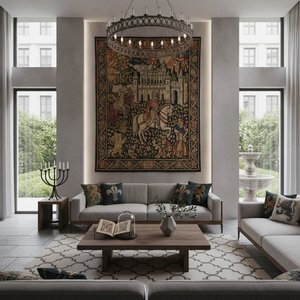
Timeless Elegance: How to Integrate High Medieval Art into Your Modern Interior Design
Discover how to infuse your modern home with the divine light of High Medieval art. From gilded illuminated manuscripts to Gothic-inspired textures, learn expert tips for integrating timeless elegance and historical grandeur into contemporary interior design.

Illuminating Faith & Power: A Journey Through Medieval Art (c. 500 – c. 1500)
Explore the rich history of Medieval Art (c. 500 – c. 1500) with WikiOO. Discover Byzantine mosaics, Gothic cathedrals & Renaissance masterpieces. Expert insights & museum-quality reproductions.
