
Modica, Sicily (Edward Lear)


Giclée reprodukció: 27 x 38 cm Ft14244
Kézzel festett olajfestmény változat, méretek: Ft79833
- Ingyenes világszinten történő szállítás 3-4 hét alatt
- A tubában szállított nyomtatványok kézbesítése 3-4 hét
- 100 napos visszaküldési garancia, pénz-visszatérítés
- 241 vásárló értékelése: 4.9/5 az ArtShopReviews.com oldalon
 Megtekintés

 Küldés
 Megosztás
 Részletek
 Információs lap


 Letöltés
 Hasonló darabok
 X-ray felvétel
 Diavetítés
 Kérdések és válaszok

 Statisztika
Nézze meg közelebb
Minden egyes részlet, hűen visszaadva
Három részlet a festményből, nagyítva. Giclée nyomtatásunk minden egyes részletet megőrzi a választott méretben.
i.
A jelenleg központja.
ii.
Fény és háttér.
iii.
A børce vonala.
A festmény
Modica, Sicily (Edward Lear): leírás
A watercolor sketch of a sunlit plaza and bridge in Sicily, rendered with loose, sketchy lines and muted earthy tones on textured paper.
 Teljes cikk a Modica, Sicily témában
Edward Lear: életrajz
Viktoriánus művész és költő, aki szellemes nonszensz versekről és finom akvarett tájképekről írt.
Identification of Modica, Sicily by Edward Lear
In this watercolor sketch, Edward Lear turns his attention to the specific topography of Modica, Sicily. The work is a landscape depiction that seeks to capture the essence of the town's architecture and its unique setting. Rather than a formal study, it presents a loose, observational view of the clustered buildings and the central plaza that defines the settlement.
The subject matter focuses on the intersection of human habitation and the natural landscape. Lear has rendered the townscape with a sense of quiet observation, focusing on how the structures sit within the Sicilian terrain. It is a direct record of a specific place, capturing the way the buildings gather around the waterway and the bridge that spans it.
Composition and Visual Elements
The arrangement of this scene is centered upon the town's plaza, creating a focal point for the viewer's eye. Buildings cluster around this central space, their forms acting as a frame that contains the view and directs attention inward. A bridge spans a waterway, providing a steady horizontal element that anchors the middle ground and guides the eye across the composition.
In the background, a large rock formation rises to dominate the skyline, lending a sense of scale to the architecture below. Throughout the plaza, small figures are scattered, their presence providing a subtle sense of activity within the townscape. These figures suggest the quiet rhythm of everyday life without overwhelming the structural elements of the landscape.
Technique and Artistic Materials
In this work, Lear employs watercolor on paper to capture the specific atmosphere of the Sicilian landscape. He relies heavily on a wet-on-wet technique, a method that allows the pigments to bleed and blend into one another directly on the surface. This approach creates a soft, fluid quality where the sky and the water seem to merge through natural diffusion. It is a delicate process that requires a certain level of spontaneity to manage how the colors interact before they dry.
The artist's hand is visible through loose brushwork and sketching that define the architecture and the rugged terrain. Rather than seeking rigid precision, the lines suggest form and texture, providing a sense of immediacy to the scene. He utilizes watercolor paints alongside ink to achieve this layered effect. The ink likely assists in the more structural aspects of the sketch, while the washes of color provide the necessary depth and atmospheric softness.
Style and Visual Impression
This watercolor sketch captures the essence of Modica, Sicily, through a style characteristic of Edward Lear's travel sketches. It moves between the precision of a topographical record and a more whimsical, slightly naive approach to the landscape. There is a certain lightness here, a sense of the artist capturing a moment of observation rather than attempting a heavy, dramatic composition. The work sits comfortably within the realm of Romantic landscape painting, yet it avoids the grandiosity often associated with the movement, opting instead for a quiet, observational intimacy.
The impression is one of tranquility and nostalgia. By employing a loose, sketchy line to define the buildings and the central plaza, the artist suggests form and texture without the need for rigid, exacting detail. This approach allows the viewer to feel the atmosphere of the Sicilian townscape rather than just seeing its geometry. The figures scattered throughout the plaza add a subtle layer of everyday life, grounding the scene in a sense of lived experience. It is a quiet study of a specific place, rendered with a gentle, contemplative touch.
Color, Light, and Texture
The palette here is quiet, leaning into muted and earthy tones that reflect the natural stone of the Sicilian landscape. Browns, tans, and grays dominate the scene, grounding the architecture and the rugged rock formations in a sense of permanence. These colors are applied in soft washes, which allow the pigment to bleed and blend, creating an atmospheric effect that suggests the hazy quality of the Mediterranean air.
Light enters the composition as a diffused daylight, avoiding harsh shadows or sharp contrasts. This gentle illumination settles over the plaza and the buildings, highlighting the forms without overwhelming them. It is a subtle light, the kind that feels captured in a moment of stillness. The watercolor technique leaves a tactile quality on the surface, where visible brushstrokes and the natural grain of the paper provide a subtle, organic texture to the buildings and the sky.
Perspective and Depth
In this watercolor, Lear achieves a sense of spatial recession through a careful application of atmospheric perspective. As the eye moves toward the background, the distant rock formations and the upper reaches of the townscape appear paler and lose their fine detail. This softening of the landscape allows the viewer to perceive the vast scale of the Sicilian terrain without the need for rigid, mathematical precision. It is a subtle, observational method that mirrors the way the eye naturally perceives light and air over a distance.
The structural depth of the plaza is established through the use of linear perspective, found in the receding lines of the clustered buildings and the streets that lead toward the center. This is further reinforced by the way forms overlap one another, creating distinct layers of space from the figures in the foreground to the architecture in the midground. By varying the intensity of his color washes, Lear ensures that the closer elements maintain a greater presence, while the more distant structures recede into a soft, muted haze.
Related Works by Edward Lear
To understand the landscape sensibilities present in this Sicilian scene, one might look toward Lear's other explorations of the Mediterranean. His 1847 watercolor, Quarries of Syracuse, captures a similar sense of rugged grandeur along the Sicilian coastline. During that same period, his interest in the island's topography led him to produce oil sketches of Mount Etna, which emphasize the scale of the volcano through bold brushwork and the characteristic haze of the region.
His travels often moved between the natural world and the structured presence of civilization. This is evident in his landscape painting, View Of Reggio And The Straits Of Messina, which captures a panoramic vista of a coastal city. Similarly, A View of the Roman Campagna, a Villa and Aqueduct in the Distance, reflects his ability to document the specific light and ancient terrain of the Italian countryside. These works demonstrate a consistent interest in how architecture and topography interact within the Mediterranean light.
Kérdések és válaszok
Ez a Modica, Sicily című mű reprodukciója kézzel festett vagy nyomtatott?
Nyomtatva: Modica, Sicily giclée-nyomtatásként készül pamut vászonra vagy Epson archív vászonpapírra.
Mekkora méretet válasszak a Modica, Sicily című műhöz?
A méretek 26.5 x 37.8 cm (Ft14244)-től 170.9 x 243.6 cm (Ft117597)-ig terjednek; az oldalon található táblázat tartalmazza a különböző átméretű lehetőségeket és azok árait.
Mennyi ideig tart a szállítás?
A tubában szállított nyomatok ingyen, normál postai úton 3–4 hét alatt érkeznek meg; a vászonra stretchelt vagy keretezett nyomatok szállítási ideje 4–5 hét. A futárszolgálat kizárólag az oldalon elérhető, fizetős Express Delivery opció esetén választható. A terméket 100 napon belül, bármely feltétel nélkül visszaküldhatja a teljes összeg visszatérítéséért.
Milyen technikát/anyagot használt Edward Lear a(z) Modica, Sicily című műhöz?
Watercolor

Edward Lear
1812 - 1888, Egyesült Királyság
A festőművész
Edward Lear: élet, művek és biografia
Gyors információk Edward Lear művészről
- Artistic Movement Or Style: Nonszensz, Viktória
- Date Of Birth: 1812. május 12.
- Date Of Death: 1888. jan. 29.
- Full Name: Edward Lear
- Nationality: Angol
- Notable Artworks:
- A Bagoly és a Macska
- A Donga fényes orrával
- Place Of Birth: London, Anglia

Giclée-reprodukció
Készíttesse el Önnek készült
Giclée-reprodukció
Múzeumi minőségű giclée vagy vászonnyomat, gyors gyártással és rugalmas finomítási lehetőségekkel. ( Oliás változat Digitális kép
)

Az Ön rendelése

Modica, Sicily
Reprodukciós technika
Reprodukció mérete
-

Reprodukció keretezése
-
-
A bármely oldalsó méretét túlszálaló 105 cm (kb. 41 hüvelyk) meghaladó műalkotások vagy reprodukciók esetében a keret összeszerelhető készletként, szétszerelve kerül szállításra. Ez a módszer biztosítja a biztonságos szállítást, és megakadályozza a szállítás során fellépő sérüléseket.
Szakmész összeszerelést igényel – ez nem DIY (önösszeszerelhető) termék.
A készletet egy tapasztalt keretező szakembernek kell összeszerelnie és a vásznat feszítenie kell, fa ragasztó (nem tartalmazza a csomag), vásznfeszítő fogó és szorítók használatával, amelyek a ragasztó száradásáig a keretrészeket egymáshoz vuôngjba tartják. A helytelen összeszerelés vagy a nem egyenletes vásznfeszítés maradandó károsíthatja a műalkotást, és ez nem része a garanciánknak.
 A bármely oldalsó méretét túlszálaló 105 cm (kb. 41 hüvelyk) meghaladó műalkotások vagy reprodukciók esetében a keret összeszerelhető készletként, szétszerelve kerül szállításra. Ez a módszer biztosítja a biztonságos szállítást, és megakadályozza a szállítás során fellépő sérüléseket.
A készlet tartalmazza az összes tömörfa rudat, pontosan méretre vágva.
A mellékelt csavarokkal, valamint a sarokszerekhez szükséges faütő ragasztóval kell összeszerelnie (ez nem tartalmazható a csomagban), így a keretrendezőnek külön kell beszereznie.
A csomag nem tartalmazza a szükséges professzionális eszközöket: egy vászonfeszítőt és klipseket a rácsok vízszintes tartásához a ragasztó megszáradásáig.
Fontos:
A sarokcsatlakozásokhoz fánylagra van szükség, a keretrudakat szorítókapcsokkal kell rögzíteni, amíg a rag teljesen meg nem szárad, a kész keretre feszített vászonhoz pedig vászonfeszítő fogat szükséges. Ezek egyike sem található meg a készletben. Kérjük, rendelés előtt győződjön meg róla, hogy rendelkezik tapasztalt keretező szakemberrel.

Névtábla
-
-

Védőréteg (Lakk)
Fényes lakk (intenzívabb színek, védelem a fény és a nedvesség hatása ellen)
-

Sürgős
Világszerte szállítás () 2 héten belül a szokásos 4-5 hét helyett. (16 december)
-
Express szállítás
Világszerte szállítás területére 4-5 hét alatt. (23 december).
A szállítás díja tartalmazza

Ingyenes postai szállítás
Világos széleségű szállítás () normál postai úton, 3-4 hét alatt. (16 december)
A szállítás díja tartalmazza
Összesített ár
Ft 22194
Az üvegkeretes opció csak 110 cm alatti méretben érhető el
i.
Méretezés
Csúsztassa a falára: minden méret megőrzi az eredeti arányokat.
Válasszon előre meghatározott méreteink közül, amelyek megfelelnek a műalkotás eredeti arányainak.

Írja be a keretének vagy a falának megfelelő szélességet és magasságot. A nyomatot csak le lehet vágni, soha nem tehető nagyobbá, mint az eredeti kép, így egy eltérő alakú méretnél a kép egy része elveszik. Mielőtt bármit kinyatintanánk, küldünk egy digitális próbamodellt jóváhagyásra. Az oldalon látható kép nem tartalmazza a valós levágást — ezt csak a próbamodell mutatja meg.
ii.
Keret
A keret a festményen az eredeti szélességén jelenik meg.
Keretezett

Fehér Ft1

Elmosódott szélek Ft1

Kiterjesztett Ft1

P118B Ft10

P118H Ft10

P118W Ft10

P438Z Ft10

P508JH Ft12

P508YH Ft12

P805H Ft10

P805Z Ft10

P919BZ Ft10

P919G Ft10

P919XJ Ft10

P959ZH Ft10

P968JZ Ft12

W106C Ft8

W218G Ft10

W218JH Ft8

W218Y Ft10

W307PJ Ft10

W316G Ft10

W316PJ Ft8

W316Y Ft10

W398PJ Ft8

W4111J Ft10

W500HY Ft15

W500JH Ft15

W692G Ft12

W849H Ft8

W940BG Ft15

W953PJ Ft8

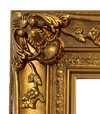
H24-GOLD Ft30
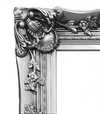
H24-SILVER Ft30
H36-GOLD Ft70

H36-SILVER Ft70
iii.
Technika
A vászon giclée-tintával van nyomtatva, és egy festőhözamúan feszíthető vagy keretbe foglalható; a papír síkban vagy üvegelőtt, keretben érkezik meg.
Költséghatékony nyomatunk: ugyanaz a kép, amelyet pamut vászon helyett 260 g/m² nyomtatási felületű poliészter vászonra nyomtatunk, csomagolva és feltekerve, hagyományos postai úton, 3-4 hét alatt szállítjuk. Csak feltekert formában (nincs vásznitartó, nincs keret) és nem sürgős gyártással, a 80 cm vagy annál kisebb, legalább egy oldali méretű vásznak. Kb. 30% olcsóbb, mint a pamut vászonnyomat.
Ez a méret nem elérhető: legalább az egyik oldal legyen 80 cm vagy annál kisebb.
Csak tekercsekben: válassza a cs tube-ban feltekercselt vásznét ehhez a nyomtatványhoz.
Elérhető olyan méretekben, amelyeknek mindkét oldala 110 cm vagy annál kisebb. A nagyobb méreteknél a nyomat matt pamut vászonra kerül.
A matt archív vászon nem elérhető ehhez a mérethez: mindkét oldalnak 110 cm vagy annál kisebbnek kell lennie. A nyomatot helyette matt pamut vászonra készítjük.
Az üvegkeretes opció csak 110 cm alatti méretben érhető el
iv.
Befejezés
Kátylá, lakkréteg és szállítás.
Névtábla
A gravírozott bronztábla részletei
Elegáns tábláján a művész neve és a mű címe finoman domborozott, időtlen megjelenést biztosítva.
Bronzból készült, finom, elegáns felülettel. A szöveg precíz lézergravírozású, így éles és tartós eredményt biztosít. A 9x2 cm-es méretű tábla kompakt, mégis könnyen olvasható. Tartós és karcolásmentes kialakításával professzionális, múzeumi minőségű megjelenést kölcsönöz. A rögzítés egyszerű a mellékelt ragasztós hátoldalnak köszönhetően.
Átlátszó akril tábla részletei
A táblán gravírozott részletek közé tartozik a művész neve, a mű címe, a készítés dátuma, a használt technika (például olajvászon vagy akvarell), a mű rövid leírása, valamint egy QR-kód, amely a teljes műalkotásról szóló információkhoz mutat.
Átlátszó akrilból készült, letisztult, modern megjelenést kölcsönözve. A szöveg UV-gravírozott fekete színnel készült a maximális vizuális kontraszt érdekében. A 10x15 cm-es méret optimális olvashatóságot biztosít. Két fémfűzős rögzítővel rendelkezik a biztonságos falra szereléshez. Az időjárásnak ellenálló kialakításnak köszönhetően különféle környezetben is megtartja esztétikai értékét, valamint interaktív funkciókkal rendelkezik, amelyek zökerségmentesen működnek a okostelefonnal történő beolvasás során.
Fekete akril tábla részletei
Ez az elegáns tábla gravírozott információkat tartalmaz, mint például a művész neve, a mű címe, a készítés dátuma, a használt technika (például olajvászon vagy akvarel), a mű rövid leírása, valamint egy QR-kód a további információk gyors eléréséhez.
A tábla prémium minőségű, finomított fekete akrilből készült. A szöveg fehérre égetett, így nagy kontrasztot és kiváló olvashatóságot biztosít. A 10x15 cm-es méretű kialakítás könnyen olvasható. A csomag tartalmaz két fém akasztót a professzionális rögzítéshez. A letisztult design bármilyen belsőépítészeti stílushoz illeszkedik. Emellett időjárásálló és tartós, valamint mobilkompatibilitás érdekében digitális integrációval rendelkezik.
Védőréteg (Lakk)
Sürgős gyártás
Világszerte történő kiszállítás területére mindössze 2 hét alatt, a szokásos 4-5 hét helyett. (16 december)
A gazdaságos poliester vászon nyomatoknál a sürgős gyártás és a gyorspostai kézbesítés nem választható ki, mivel ezek a termékek normál postai úton érkeznek meg.
- Ingyenes világszinten történő szállítás 3-4 hét alatt
- Prémium minőségű len vászon
- Teljes körű szállítási biztosítás
- Vámvisszatérítési Garancia
- Hiteles színarányosság garancia
- 100 napos visszaküldési garancia, pénz-visszatérítés
- 100% pénzvisszatérítési garancia
- Több darab vásárlásakor kedvezmény


Gyors tények és művészeti kvíz
Kapcsolódó cikkek

25 Essential Works by Sebastiano del Piombo: A Visual Guide
Explore 25 iconic works by Sebastiano del Piombo. Trace his High Renaissance journey and explore the full collection online at WikiOO.org.

25 Essential Works by Gentile da Fabriano: A Visual Guide to the International Gothic Icon
Explore 25 iconic works by Gentile da Fabriano. Discover International Gothic gems and curated art ideas on WikiOO.org.
Hasonló műalkotások


