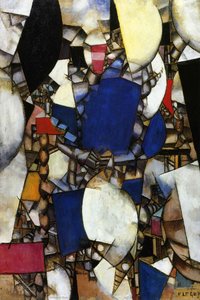
- 25.0 x 23.0 cm


 Megtekintés
 Küldés
 Megosztás
 Részletek
 Útmutató

 Letöltés
 Hasonló darabok
 X-ray felvétel
 Diavetítés
 Kérdések és válaszok
 Statisztika
Nézze meg közelebb
Minden egyes részlet, kézzel festett
A festmény három részlete nagyítva. Művészeink mindegyiket kézzel, az Ön által választott méretben másolják le.
i.
A jelenleg központja.
ii.
Fény és háttér.
iii.
A børce vonala.
A festmény
A gyűjtemény leírása
Fernand Léger’s "Composition" (1924) showcases a striking mechanical drawing of industrial machinery in sepia tones. Explore Tubism & early 20th-century art.
 Összes részlet megjelenítése
A művész életrajza
A tubizmusról ismert francia kubista, aki a gépkorszak és New York neonfényei ihlette ritmikus, mechanikus formákkal alkotott művészetet.
A Mechanical Vision: Decoding Fernand Léger’s ‘Composition’
Created in 1924, this striking work by French artist Fernand Léger is a powerful example of his distinctive “Tubism” – a unique offshoot of Cubism. The artwork presents a tightly cropped and detailed depiction of complex machinery, rendered with meticulous precision in sepia tones. It’s an image that immediately draws the eye, inviting contemplation on themes of industry, modernity, and the beauty found within mechanical structures.Style & Technique: The Essence of Tubism
Léger's style is instantly recognizable for its emphasis on cylindrical forms and geometric shapes – hence the term “Tubism.” ‘Composition’ exemplifies this approach perfectly. Notice how circles, rectangles, and angled planes interlock to create a sense of depth and complexity. The artist masterfully employs hatching and cross-hatching techniques to build form and texture, giving the impression of solidity and weight despite the two-dimensional surface. This isn't simply a drawing; it’s an exploration of volume and space achieved through line work alone. The monochromatic palette further emphasizes the focus on structure and form, reminiscent of technical illustrations or blueprints.Historical Context: Post-War Modernity
Fernand Léger’s artistic development was profoundly impacted by his experiences during World War I. Witnessing the power and precision of machinery in wartime led him to embrace industrial motifs as subjects for his art. ‘Composition’ reflects this shift, moving away from traditional representational painting towards a celebration of the modern, machine age. The 1920s were a period of rapid technological advancement and social change, and Léger's work captures the spirit of optimism and dynamism that characterized this era. He was part of the Puteaux Group (Section d’Or), exploring new ways to represent reality in a post-Cubist world.Symbolism & Interpretation: Beyond the Gears
While seemingly abstract, ‘Composition’ is rich with symbolic potential. The intricate machinery can be interpreted as representing the interconnectedness of modern life, the power of industry, or even the human body itself – reduced to its essential mechanical components. The absence of any human figures encourages viewers to focus on the machine as an entity in its own right. It prompts questions about humanity’s relationship with technology and the impact of industrialization on society.Emotional Impact & Aesthetic Appeal
Despite its subject matter, ‘Composition’ isn't cold or sterile. The meticulous detail and dynamic arrangement of forms create a visually engaging experience. The artwork evokes a sense of awe at human ingenuity and the elegance of engineering. Its neutral color palette makes it incredibly versatile for interior design – complementing both modern and traditional spaces. A reproduction of this piece would serve as a striking focal point in a study, living room, or office, sparking conversation and inspiring contemplation.Key Features
- Artist: Fernand Léger
- Date: 1924
- Medium: Graphite or Charcoal on Paper
- Dimensions: 25 x 23 cm
- Style: Tubism, Cubism, Technical Illustration
Kérdések és válaszok
A „Composition”, Fernand Léger alkotása a keresett Cubism művészeti alkotások közé tartozik?
A katalógban a Cubism művek körében a "Composition" Recognized rangsorolást kapott.
Milyen technikával készült és mikor született meg „Composition”, Fernand Léger alkotása?
A „Composition”, Fernand Léger alkotása technikája Acrylic On Canvas, a mű alkotási éve pedig 1924.
Milyen érzést közvetít a „Composition”, Fernand Léger alkotása?
A „Composition”, Fernand Léger alkotása hangulata Industrial, érzelmi tónusa pedig Dramatic.

Fernand Léger
1881 - 1955, Franciaország
A festőművész
A művész életrajza
Fernand Léger életútja
Fernand Léger története Argentan falujában kezdődik, amely az Alsó-Normandia Orne megyéjében található. 1881. február 4-én érkezett el erre a világra, egykori egykori egyke aszally. Korai éveket a francia vidék csendje és anyja, Marie-Adèle Daunou jelenléte formált, aki egy szentelett, s magvátozó természetű nő volt. Apja, aki marhahagyományokkal keresztezte meg megélhetését, Fernand még kisfiú volt, amikor elhunyt, így a gyermek anyja nevelésében nőtt fel egy olyan háziasságban, amelyet az anya vallásossága és bizonyos szerényessége meghatározott.
A normann vidék vidéki tájai olyan alapozást biztosítottak számára, amely éles kontrasztot alkott a későbbi, a francia kultúra pezsgő központjaiban megélt életével szemben. Bár gyökerei a földhöz és a mezőgazdasági élet fizikai valóságához kötődtek, szelleme a modern kor összetettsége felé tévedt. Végül messze túl járt Argentan határain, számos művészeti ágban megmutatva tehetségét. Nem korlátozódott a vászonra; inkább a szobrászaton és a mozgóképes filmek világán keresztül próbálta kifejezni egyedi látásmódját.
Élete egy folyamatos mozgás volt a fiatossága idején tapasztalt organikus textúrák és a városok strukturált, mechanikus ritmusai között. Ez a dualitás határozta meg létezését, miközben navigált a változó évszázad áramlataiban. Útja soha nem volt egyszerű: a gyermekkorának hagyományos világának és az ipari jövő gyors, ütemes pulzusának feszültsége vezette, amelyet később művészete révén segített meghatározni.
Korai élet, család és képzés
Léger látásmódának gyökerei Argentan vidéki tájában, Alsó-Normandia Orne megyéjében mertek gyözelemhez. A gazdálkodás világában született, korai éveket a föld fizikai ereje és a mezőgazdasági élet állandó, megremegtető ritmusa formált. Ez a megfoghatatlan, pracáncoló világban való gyökerezés csendesen ott maradt a felszín alatt, később kialakult, sokkal összetettebb művészeti kísérletei mögött is. Egyedülálló fiúként nőtt fel, akit egy rendesen, de szerény lélekkel bíró édesanyja nevelett, és az életútja kezdetben az építészet strukturált, fegyelmezett disiplinájához vezetett. 1897 és 1899 között e technikai ipmárnak szentelte magát, megtanulva a tér logikáját és a pontos rajzolás elengedhetetlen szükségességét.
1900-ra a város vonzereje már nem volt elhárítható, így Párizsba költözött. Életét építészrajzokat végezve tartotta fenn, egy olyan szerepkörben, amely éles szemet igényelt a vonal és a proporció tekintetében. Bár az építészetből származó formális képzése a szerkezeti megértés szilárd alapját fektette le, szíve egyre inkább a vászon felé tűnt. Megpróbált bejutni a tekintélyes École des Beaux-Arts-ba, azonban az intézmény nem engedte őt hivatalos hallgatóvá. Semmi azonban nem tartotta vissza, így nem regisztrált hallgatóként járt iskolába, elnyelve a mesterek tanításait, miközben az akadémiai establishment szélén mozogott. Ez a tanulmányi időszak, bár néha kereső évtizedként írják le, elengedhetetlen volt annak a technikai tudás finomításához, amelyet később a világ saját képe szerint szétszedésre és újjáépítésre használt.
Cézanne és a kubizmus hatása
Mélyreható változás következett be életében 1907-ben, amikor a művész találkozott Cézanne retroszpektív kiállításaival a Salon d'Automne-n. Ez a találkozás katalizátorként szolgált, távolítva őt a fiatossági évek lágy impresszióitól egy strukturáltabb látásmód felé. Megkezdte a tárgyak felszínén túlra nézni, az a zugó geometriát keresve, amely meghatározza a világot. 1909-re azután, hogy olyan meghatározó alakokkal találkozott, mint Alexander Archipenko, Jacques Lipchitz, Marc Chagall és Robert Delaunay, Fernand Léger neve egyre többet hallatoskodott a párizsi kreatív körökben. Ezek a találkozások nem csupán társasági események voltak; az új gondolatok összeütközései, amelyek segítenek kialakítani fejlődő művészeti látásmódját.
Az évek folyamán Fernand Léger a Puteaux Csoport, vagy más néven a Section d'Or művészi köre köré gravitált. Jean Metzinger és Henri Le Fauconnier mellett az új, vizuális nyelv matematikai és strukturális lehetőségeit kutatta. Nem érte be azzal, hogy egyszerűen kövesse mások által kijelölt utakat; inkább a korszakot meghatározó, törzsett síkokon és egymásba vetődő formákon keresztül akarta megtalálni a saját útját. Az intenzív kísérletezés ez időszaka vezetett első jelentős kiállításához a 1911-es Salon des indépendants-on, ahol bemutatta az Nudes in the Forest című művét.
- Nudes in the Forest (1911)
Háború és a mechanikai korszak
A Nagyháború káosza a művész stúdiói Párizsából a frontok kegyetlen valóságába repítette őt. 1914 és 1917 között a Francia Armodában szolgált, két kimerítő évet töltve az Argonne-erdőben. A konfliktum nem csupán a háttérben húzódó esemény volt az életében, hanem egy olyan transzformatív erő, amely alapjaiban változtatta meg a formák iránti érzékelését. 1916-ban egy mustármágas támadás majdnem életét követelte, így a gyógyulási folyamat során figyelte, ahogy a körülötte lévő világot az ipari pusztítás nyers ereje újrarajzolja. Még ugyanazon az évben, egy rövid szabadság alatt is kényszerítve érezte magát a festéshez, amely során megalkotta a Soldier with a Pipe című művét. Ez a alkotás rögzítette az új valóság érzetét, amelyben az emberi alak már a savaşásmezét uraló gépek tulajdonságait kezdte átvenni.
1917-re egy határozott ív fordult a kreatív szellemében, jelezve a később mechanikai korszaknak nevezett időszak kezdetét. Különös, ritmikus szépséget talált a modern hadviselés és az ipar eszközeiben, technológiájában. A sima, cs tubularis formák és a mechanikai alkatrészek precizitása vált a látványvilágának új nyelvévé. Nem tekintette ezeket az objektumokat hidegnek vagy személytelenné; sőt, befogadta erejüket és azt a képességet, amellyel képesek voltak rendszerezni a modern létezés káoszát. A háború lerohantotta korábbi művei puha széleit, és helyükre egy éles, strukturális tisztaságot hozott, amely a változó kor acélát és tłompereit tükrözte.
Technika és stílus
Pincéjének mozgása ritmikus, szinte ipari precizitással tört elő, folyamatosan a változó kor zaklatódását próbálva megörökíteni. Elszántan távolodott a múlt lágy, összefolyó árnyékaitól, és helyette robusztus, geometrikus erővel építette fel kompozícióit. Ez a megközelítés vezetett a cubizmus egyéni formájának, a kritikusok által „tubizmusnak” nevezett stílus kialakulásához. Ebben a művészetben a világ cs tubularis, kémfai és kubikus formák mögött született meg újra, olyan volument adva alkotmányainak, amely egyszerre tűnt masszívnak és dinamikusnak. Fernand Léger nem csupán tárgyakat festett; ő a tárgyak belső, esszenciális, strukturális logikáját kereste.
A választott színei ugyanolyan határozottsággal ragaszkodtak a vásznon, mint a formák, amelyeket megtöltöttek. A primáris színek domináns palettáját gyakran kísérték éles fekete és fehér kontrasztok, amelyek segítettek meghatározni motívumai éles határaidat. A hagyományos illúzióalakítás helyett a festéket bájos, lapos színtüzekkel alkalmazta. Gyakran alkalmazott vastag impastó technikát is, amely kiemelte a festékanyag fizikai jelenlétét a vászszinen. Ez a texturált megközelítés biztosította, hogy művei földozottnak és anyagiasságban telve maradjanak, tükrözve azokat a gépeket és városi szerkezeteket, amelyeket oly annyira csodált. Alakjai gyakran sima, gépieszerű formát öltöttek, elmosva a határt az organikus emberi test és a modern kor mérnöki precizitása között.
- Nudes in the Forest (1910)
- The Woman in Blue (1912)
- Soldier with a Pipe (1916)
- The Mechanic (1920)
Késő évek és halála
A globális konfliktusok változatos hullámai végül a művész távolabbi távlatokba, az Atlanti óceán túlra repítették őt, elszakítva a párizsi köreitől. 1940 és 1945 között az Egyesült Államokban élt, egy olyan időszakban, amely egy teljesen új perspektívát kínált számára a modern világról, amelyet oly régen próbált meg vászonra önteni. Ez az külföldi tartózkodás egyfajta szünetet jelentett hosszú fejlődési folyamatában, egy átmeneti pillanatot, mielőtt végül visszatért Franciaország földjére.
Hazatérése után a magánéletében jelentős változás következett be. 1952 februárjában feleségül vette Nadia Khodasevichet. Ez az unió az életének utolsó fejezetét jelentette, egy olyan időszakot, amelyet változatos alkotásai folyamatos termelésére szentelt, a hatalmas méretű falmáloktól kezdve a finom színesablakokig. Az évtizedek múlásával a nemzetközi elismeret mégsem csappant le a hírnevének; 1955-ben megnyerte a São Paulo Biennálen a Grand Prize-t, egy olyan magas rangú kitüntetést, amely épp az ő halála évében ért meg őt. Fernand Léger 1955. augusztus 17-én távozott el ezen múltról, Gif-sur-Yvette-ben, Franciaországban.
Örökség és hatás
Fernand Léger olyan nyomot hagyott, amely messze túlmutatott saját korának avantgárd körein. Az absztrakt művészet és a figuratív ábrázolás közötti szakadék áthidalásával lehetőséget biztosított a művészek számára, hogy befogadják a modern világot anélkül, hogy teljesen elhagynák az emberi motívumot. Megközelítése egyfajta párbeszédet teremtett a geometriai struktúra logikája és az emberek, valamint tárgyak felismerhető jelenléte között. Az a képesség, amellyel a tiszta koncepció és a megfogtouchinható valóság közötti közéterméket találta meg, meghatározta a nála később kialakuló művészet számos irányát.
Formáinak merész egyszerűsítése és a tömegtermelés esztétikája iránti rajongása a pop art mozgalom előzményeiként játszotta szerepet. Egyfajta szépséget látott a gépkorszak ismétlődő, funkcionális természében, egy olyan nézőpontban, amely később egy új generáció alkotóival rezonált. Olyan művészek, mint Roy Lichtenstein és Andy Warhol, egyértelmű vonalat húzoltak az ő merész kontúrokkal és mechanikus képi világával folytatott kísérleteiből a saját néphunyi kultúra utáni felfedezéseikig. Segített előkészíteni a vizuális nyelvet egy olyan korszak számára, amely végül éppen azokat az ipari és kereskedelmi elemeket ünnepelte meg, amelyeket ő egykor a vászonra próbált lefordítani.
Hol láthatjuk műveit ma?
Léger látásmódának fizikai jelenlétével való találkozáshoz az ország déli részére, pontosabban a Alpes-Maritimes megyében található Biot településre ingóznunk kell. Itt található a Musée national Fernand Léger, egy olyan intézmény, amely teljes egészében a művész alkotói munkásságának tanulmányozásának és megőrzésének szentelheti magát. A múzeum a Mas Saint-André-ben, egy olyan villában foglal helyet, amely egykor maga a művész tulajdona volt. Ezeknek a falaknak és a környező kerteknek a nyugodalmában polichrom kerámia szobrai megtalálják az igazi környezetüket, lehetővé téve a néző számára, hogy felfedezze, hogyan lépnek kapcsolatba formái a mediterrán táj fényével és tereszével.
Ezen a specializált szenthelyen túlvetően művei számos jelentős intézmény gyűjteményében kaptak helyet. Franciaország Művészeti és Történelmi Múzeuma (Musée d'Art et d'Histoire) is őrzi alkotásai egy részét, biztosítva ezzel művész jelenlétét a francia művészet szélesebb narratívájában. Ez a gyűjtemény lehetővé teszi a folyamatos kutatást arról, hogyan fordította át a gépkorszak energiáját statikus, mégis pulzáló vizuális formákká. Az ő specifikus esztétikáját kereső utazók nyomokat találhatnak több meghatározó gyűjteményben, többek között:
- A Fort Worth-i Kimbell Art Museum
- A New York-i Museum of Modern Art
- A Musée National Fernand Léger Biotban
Léger hatása más művészek alkotásaiban is megélődik, azonban művészetének közvetlen ízét leginkább ezek a tekintélyes tárolók adják át. Legyen szó a múzeumok falai között megfigyelhető bátor, hengreszerű formákról, vagy egy kert csendjében felfedezhető szobrászati alkotásokról, a néző ugyanazt a strukturális tisztaságot találja szemben, amely életműve meghatározása volt. Öröksége ezekben a konkrét helyszínekben marad meg tartósan, ahol festményei nehéz, mechanikus ritmusait őrizik azok számára, akik a geometriája mögött rejlő igazságot keresik.
Gyors információk Fernand Léger művészről
- Artistic Movement Or Style:
- Kubizmus
- Tubizmus
- Section d'Or
- Purizmus
- Dadaizmus
- Konstruktivizmus
- Artists Or Movements Influenced By This Artist:
- Pop Art
- Roy Lichtenstein
- Andy Warhol
- Artists Who Influenced This Artist: ['Paul Cézanne']
- Date Of Birth: 1881
- Date Of Death: 1955
- Full Name: Joseph Fernand Henri Léger
- Nationality: Francia
- Notable Artworks:
- Nudes in the Forest
- A város
- A szerelő
- Három nő
- A kék nő
- Place Of Birth: Argentan, Franciaország


Kézzel készített olajfestmény reprodukció
Kérje megfestetni Önnek készült
Kézzel készített olajfestmény reprodukció
Kézzel festett olajvastú vászon, az Ön által választott méretben és keretben, művészeink készítik meglévőre. ( Váltás nyomtatványra Áttérés digitális képre)

Az Ön rendelése

Composition
Reprodukciós technika
Reprodukció mérete
-

Kiváló mesterművész
Nagyobb részletesség, finomság és bővített gyártási idő
-

Reprodukció keretezése
-
-
A bármely oldalsó méretét túlszálaló 105 cm (kb. 41 hüvelyk) meghaladó műalkotások vagy reprodukciók esetében a keret összeszerelhető készletként, szétszerelve kerül szállításra. Ez a módszer biztosítja a biztonságos szállítást, és megakadályozza a szállítás során fellépő sérüléseket.
Szakmész összeszerelést igényel – ez nem DIY (önösszeszerelhető) termék.
A készletet egy tapasztalt keretező szakembernek kell összeszerelnie és a vásznat feszítenie kell, fa ragasztó (nem tartalmazza a csomag), vásznfeszítő fogó és szorítók használatával, amelyek a ragasztó száradásáig a keretrészeket egymáshoz vuôngjba tartják. A helytelen összeszerelés vagy a nem egyenletes vásznfeszítés maradandó károsíthatja a műalkotást, és ez nem része a garanciánknak.
 A bármely oldalsó méretét túlszálaló 105 cm (kb. 41 hüvelyk) meghaladó műalkotások vagy reprodukciók esetében a keret összeszerelhető készletként, szétszerelve kerül szállításra. Ez a módszer biztosítja a biztonságos szállítást, és megakadályozza a szállítás során fellépő sérüléseket.
A készlet tartalmazza az összes tömörfa rudat, pontosan méretre vágva.
A mellékelt csavarokkal, valamint a sarokszerekhez szükséges faütő ragasztóval kell összeszerelnie (ez nem tartalmazható a csomagban), így a keretrendezőnek külön kell beszereznie.
A csomag nem tartalmazza a szükséges professzionális eszközöket: egy vászonfeszítőt és klipseket a rácsok vízszintes tartásához a ragasztó megszáradásáig.
Fontos:
A sarokcsatlakozásokhoz fánylagra van szükség, a keretrudakat szorítókapcsokkal kell rögzíteni, amíg a rag teljesen meg nem szárad, a kész keretre feszített vászonhoz pedig vászonfeszítő fogat szükséges. Ezek egyike sem található meg a készletben. Kérjük, rendelés előtt győződjön meg róla, hogy rendelkezik tapasztalt keretező szakemberrel.

Névtábla
-
-

Védőréteg (Lakk)
Fényes lakk (intenzívabb színek, védelem a fény és a nedvesség hatása ellen)
-

Műalkotásom egyedi igényre szabása
Példák a módosíthatóságra: az arc kicserélése az ügyfél fotójára; háziállat hozzáadása (pl. macska helyett kutya); rejtett üzenet elhelyezése a háttérben; a háttér tájainak vagy elemeinek megváltoztatása.
-

Sürgős
Világszerte szóló szállítás () mindössze 3-4 hét alatt, a szokásos 5 hét helyett. (24 november). A minőség nem kérdőjelezhető.
-
Express szállítás
Világszerte elérhető szállítás területre 5 héten belül. (1 december).
A szállítás díja tartalmazza
Összesített ár
Ft 87026
Az üvegkeretes opció csak 110 cm alatti méretben érhető el
i.
Méretezés
Az eredeti mérete 25.0 x 23.0 cm. Húzza a falához: minden méret megőrzi az arányait.
Válasszon előre meghatározott méreteink közül, amelyek megfelelnek a műalkotás eredeti arányainak.

Írja be a kívánt szélességet és magasságot, hogy illeszkedjen a keretéhez vagy a falához. Mivel ez kézzel festett alkotás, egy eltérő formájú méret esetén a művész akár festhet is valamivel többet a kép körül, vagy korolathat is belőle — az Ön döntésének megfelelően. A festés megkezdése előtt küldünk egy digitális tervezetet jóváhagyásra. Az oldalon látható kép nem tartalmazza a végeredményt — csak a tervezet mutatja meg a valódi eredményt.
ii.
Keret
A keret a festményen az eredeti szélességén jelenik meg.
Keretezett

Fehér Ft1

Elmosódott szélek Ft1

Kiterjesztett Ft1

P118B Ft10

P118H Ft10

P118W Ft10

P438Z Ft10

P508JH Ft12

P508YH Ft12

P805H Ft10

P805Z Ft10

P919BZ Ft10

P919G Ft10

P919XJ Ft10

P959ZH Ft10

P968JZ Ft12

W106C Ft8

W218G Ft10

W218JH Ft8

W218Y Ft10

W307PJ Ft10

W316G Ft10

W316PJ Ft8

W316Y Ft10

W398PJ Ft8

W4111J Ft10

W500HY Ft15

W500JH Ft15

W692G Ft12

W849H Ft8

W940BG Ft15

W953PJ Ft8

H24-GOLD Ft30

H24-SILVER Ft30

H36-GOLD Ft45

H36-SILVER Ft45
iii.
Tegye sajátjává
Egy kézzel festett alkotás egyéni igények alapján is elkészíthető.
A megrendelést követően a WikiOO.org csapat e-mailt küld a vásárlónak az instrukciókkal, és biztosítja a tervezeti előnézetet
iv.
Befejezés
Kátylá, lakkréteg és szállítás.
Névtábla
A gravírozott bronztábla részletei
This elegant plaque features the artist's name and the title of the artwork, finely engraved for a timeless presentation.
It is made from bronze with a refined, elegant finish. The text is precisely laser-engraved for a sharp and permanent result. Measuring 9x2 cm, the plaque is compact yet easy to read. It's built to be durable and scratch-resistant, offering a professional, museum-quality look. Mounting is simple thanks to the included adhesive backing.
Átlátszó akril tábla részletei
The plaque includes essential engraved details such as the artist's name, the title of the artwork, the date it was created, the type of media used-like oil on canvas or watercolor-a brief description of the piece, and a QR code that links to the complete artwork information.
It is crafted from clear acrylic, offering a sleek, modern appearance. The text is UV-engraved in black to ensure strong visual contrast. With a size of 10x15 cm, it ensures optimal readability. It comes equipped with two metal hooks for secure wall mounting. The plaque is designed to be weather-resistant, making it suitable for various environments, and it includes interactive features that work seamlessly with smartphone scanning.
Fekete akril tábla részletei
This elegant plaque includes engraved information such as the artist's name, the title of the artwork, the date it was created, the type of media used (like oil on canvas or watercolor), a short description of the artwork, and a QR code for quick access to more information.
The plaque itself is made from refined black acrylic with a premium finish. The text is laser-engraved in white for high contrast and readability. Its size is 10x15 cm, designed to be easy to read. It comes with two metal hooks for professional mounting. The design is sleek and fits any interior style. It is also weather-resistant and durable, with built-in digital integration for mobile compatibility.
Védőréteg (Lakk)
Sürgős gyártás
Világszerte elérhető szállítás () 3-4 hét alatt a szokásos 5 hét helyett. (24 november). A minőség nem kérdőjelezhető.
- Ingyenes globális expressz szállítás
- Prémium minőségű len vászon
- Teljes körű szállítási biztosítás
- Vámvisszatérítési Garancia
- Hiteles színarányosság garancia
- 100 napos visszaküldési lehetőség (csak hibás termékek esetén)
- 100% pénzvisszatérítési garancia
- Több darab vásárlásakor kedvezmény


Gyors tények és művészeti kvíz
Kapcsolódó cikkek

C.R.W. Nevinson: A Vorticist Vision of War & Modernity
Explore the powerful art of C.R.W. Nevinson, a key British Vorticist painter. Discover his impactful depictions of WWI and evolution beyond Futurism. Expert analysis & high-quality reproductions at WikiOO.

Ipari hangulatú művészet: A 10 legikonikusabb alkotás a faladra | WikiOO
Fedezze fel a 10 legikonikusabb ipari hangulatú műalkotást! Kandinsky, Léger és más mesterek festményeinek története. Szürke árnyalatok, gyári stílus, loft dekoráció inspiráció – mind WikiOO-on. Művészeti nyomatok a faladra! Explore the full collection online.

Fernand Léger Mesterművei: A 25 Legikonikusabb Kép a Modern Művészetben | WikiOO
Fedezze fel Fernand Léger 25 legikonikusabb műalkotását! Ismerje meg a kubizmus, a tubizmus mesterét és a gépi kor lenyűgöző festményeit. Múzeumi minőségű vászonképek és poszterek a WikiOO-on. Explore the full collection online!

Steel & Soul: The Rhythmic Geometry and Industrial Resonance of the Machine Age
Explore the rhythmic geometry of Fernand Leger and the Machine Age. Discover the power of industrial art today.
Hasonló műalkotások