

- 21.0 x 29.0 cm


 Megtekintés

 Küldés
 Megosztás
 Részletek
 Útmutató


 Letöltés
 Hasonló darabok
 X-ray felvétel
 Diavetítés
 Kérdések és válaszok
 Statisztika
Nézze meg közelebb
Minden egyes részlet, kézzel festett
A festmény három részlete nagyítva. Művészeink mindegyiket kézzel, az Ön által választott méretben másolják le.
i.
A jelenleg központja.
ii.
Fény és háttér.
iii.
A børce vonala.
A festmény
A gyűjtemény leírása
Hendrik Goltzius's engraving depicts Apollo slaying the Python, a dramatic retelling of Greek mythology with detailed figures and expressive lines.
 Összes részlet megjelenítése
A művész életrajza
"Hungarian Meta Description": "Goltzius Henrik (1558-1617) németalföldi festő és grafikus, a barokk kor korai stílusát képviseli. Díszes kompozíciói, innovatív technikái, mint például a 'dugósor', és nagy hatása a későbbi művészetre teszik ki."
Hendrik Goltzius’s Apollo Killing the Python: A Masterpiece of Mannerist Drama
Apollo Killing the Python is more than just an image; it's a distillation of Renaissance mythology into a powerfully expressive engraving by Hendrik Goltzius, completed in 1589. This artwork stands as a testament to Goltzius’s innovative approach to printmaking and his ability to convey complex narratives with breathtaking visual clarity—a skill that cemented his place among the foremost artists of the Baroque era. The piece captures a pivotal moment from Ovid's Metamorphoses, depicting Apollo, god of music and poetry, engaged in a brutal confrontation with Python, representing primordial chaos and evil.- Composition & Style: Goltzius’s masterful use of perspective creates a dynamic scene that draws the viewer into the drama unfolding before them. The engraving adheres to the principles of Mannerism—a stylistic movement characterized by elongated figures, stylized poses, and dramatic contrasts of light and shadow—reflecting a desire to transcend realism and explore psychological states rather than simply depicting observable reality.
- Technique: Goltzius employed a technique known as ‘swelling line,’ which he developed himself, resulting in lines that appear thicker than they actually are. This method dramatically enhances the visual impact of the engraving, emphasizing contours and creating an illusion of depth—a hallmark of Baroque art. The meticulous detail achieved through hatching and shading contributes to the overall sense of realism despite the stylized figures.
- Symbolism: The confrontation between Apollo and Python carries profound symbolic weight. Apollo embodies reason, order, and divine authority, battling against the forces of darkness and irrationality. The serpent symbolizes primordial chaos, representing the struggle between good and evil that underlies all human experience. Goltzius’s depiction underscores the enduring themes of heroism, triumph over adversity, and the victory of intellect over instinct.
- Historical Context: Created during a period of artistic experimentation and intellectual ferment—the early Baroque—Apollo Killing the Python reflects the broader cultural anxieties surrounding religious reform and the burgeoning humanist spirit. Goltzius’s engraving aligns with the prevailing aesthetic sensibilities of the time, demonstrating an artist's engagement with contemporary philosophical ideas.
- Emotional Impact: The engraving evokes a palpable sense of tension and drama—a hallmark of Mannerist art. Goltzius skillfully captures the physicality of the struggle between gods and serpent, conveying both violence and nobility. The image resonates with viewers today due to its exploration of universal themes concerning conflict, resilience, and the pursuit of enlightenment.
Kérdések és válaszok
Mi a "Apollo Killing the Python" formátuma?
A „Apollo Killing the Python”, Hendrik Goltzius alkotása Landscape formátumú alkotás. A formátum a kompozíció arányait határozza meg.
A dátum alapján Apollo Killing the Python Hendrik Goltzius pályájának melyik szakaszába tartozik?
A 1589 évszám a "Apollo Killing the Python" alkotást Hendrik Goltzius fejlődésének Early Baroque szakaszába helyezi.
Hogyan épül fel a „Apollo Killing the Python”, Hendrik Goltzius alkotása színes kompozíciója?
A „Apollo Killing the Python”, Hendrik Goltzius alkotása színelemzése Gentle kontrasztot és Unified Palette harmóniát mutat be.

Hendrik Goltzius
1558 - 1617, Németország
A festőművész
A művész életrajza
Early Life and Training
Hendrik Goltzius, a name synonymous with the vibrant dynamism of Northern Mannerism in Dutch art, was born in Braunschweig (Braunschweig), Germany, in 1558. His early life, steeped in artistic tradition, laid the foundation for his remarkable career. His family’s lineage traced back to generations of artists – his great-grandfather and grandfather were both painters residing in Venlo, while his father, Jan Goltz II, was a skilled glass painter based in Duisburg. This rich artistic heritage instilled within him an early appreciation for visual expression and craftsmanship. A pivotal moment in his formative years occurred when he began studying painting on glass under his father’s tutelage. However, it was his encounter with Dirck Volckertszoon Coornhert, a renowned Dutch polymath and printmaker, that truly shaped his artistic trajectory. Coornhert, a master of both engraving and drawing, took young Hendrick under his wing, imparting invaluable knowledge of the art of copperplate engraving – a technique he would later perfect to an unprecedented degree. This mentorship proved crucial, exposing Goltzius to the intricacies of line work, composition, and the nuances of creating visually compelling prints. The fire that scarred his right hand as a child, while initially presenting a physical challenge, ironically became a unique advantage, granting him exceptional dexterity and control when manipulating the burin – the essential tool for engraving.Artistic Career and Influences
Around 1577, Goltzius embarked on a significant chapter of his life by relocating to Haarlem, a thriving center of artistic activity in the Dutch Republic. Here, he established his own printmaking business, quickly gaining recognition for his technical skill and innovative approach. He was also employed by Philip Galle, a prominent printer and publisher, where he contributed to a series of prints depicting the history of Lucretia – a project that further honed his artistic abilities and exposed him to diverse stylistic influences. Goltzius’s artistic vision drew inspiration from a wide range of sources, most notably the Mannerist painters Bartholomeus Spranger and Annibale Carracci, whose dramatic compositions and expressive figures resonated deeply with him. He meticulously studied their works, adapting their techniques and incorporating their aesthetic principles into his own prints. His early engravings were often faithful reproductions of existing prints by masters like Albrecht Dürer and Lucas van Leyden, demonstrating a deep respect for the artistic canon while simultaneously establishing his own distinctive style. However, it was in his later years that Goltzius truly blossomed as an independent artist, creating a vast body of original works characterized by their dynamism, intricate detail, and masterful use of line.Technique and Style – The Swelling Line
Hendrik Goltzius’s contribution to the world of printmaking is largely defined by his revolutionary technique known as the “swelling line.” This innovative approach involved manipulating the burin – the tool used to cut lines into a metal plate – to create varying thicknesses of line. By subtly altering the angle and pressure applied, he could produce lines that appeared thicker or thinner depending on their distance from the viewer, effectively simulating tonal shading without resorting to hatching or cross-hatching. This technique, unprecedented in its sophistication, allowed him to achieve a remarkable sense of depth, volume, and atmospheric perspective within his engravings – qualities previously unattainable with traditional methods. Furthermore, he pioneered the “dot and lozenge” technique, strategically placing dots within lozenge-shaped spaces created by cross-hatching. This meticulous detail further refined tonal shading and added an extraordinary level of realism to his prints. His command of the burin was widely considered to rival that of Albrecht Dürer, a testament to his exceptional skill and artistic vision. His engravings of Spranger’s paintings, in particular, significantly elevated the latter's fame, showcasing Goltzius’s ability to capture the essence of complex compositions with remarkable clarity and precision.Public Collections and Legacy
Throughout his career, Hendrick Goltzius enjoyed widespread recognition and acclaim, attracting the patronage of royalty across Europe, including the Holy Roman Emperor Rudolf II. His works were highly sought after by collectors and connoisseurs alike, and they continue to be celebrated for their artistic merit and historical significance. Today, Goltzius’s engravings are housed in some of the world's most prestigious museums, including the Albertina in Vienna, the Rijksmuseum in Amsterdam, and the Metropolitan Museum of Art in New York City. His legacy extends beyond his individual works; he played a pivotal role in introducing Mannerist aesthetics to the northern Netherlands, fostering a vibrant artistic community that included figures like Karel van Mander and Bartholomeus Spranger. His innovative techniques and masterful artistry continue to inspire artists and art historians today, solidifying his place as one of the most important printmakers in European history. His work stands as a testament to the power of observation, technical skill, and artistic vision—a legacy that resonates through the centuries.Gyors információk Hendrik Goltzius művészről
- Artistic Movement Or Style: Északi Mannerizmus
- Artists Or Movements Influenced By This Artist: ['Jacques Bellange']
- Artists Who Influenced This Artist:
- Dirck Volckertszoon Coornhert
- Bartholomeus Spranger
- Date Of Birth: Január/Február 1558
- Date Of Death: 1617. jan.
- Full Name: Hendrik Goltzius
- Nationality: Hollandi
- Notable Artworks:
- A Szentetek Imádása
- Arcadiás táj
- Szórváros
- Herkül a csatornával
- Place Of Birth: Braunschweig, Itália


Kézzel készített olajfestmény reprodukció
Kérje megfestetni Önnek készült
Kézzel készített olajfestmény reprodukció
Kézzel festett olajvastú vászon, az Ön által választott méretben és keretben, művészeink készítik meglévőre. ( Váltás nyomtatványra Áttérés digitális képre)

Az Ön rendelése

Apollo Killing the Python
Reprodukciós technika
Reprodukció mérete
-

Kiváló mesterművész
Nagyobb részletesség, finomság és bővített gyártási idő
-

Reprodukció keretezése
-
-
A bármely oldalsó méretét túlszálaló 105 cm (kb. 41 hüvelyk) meghaladó műalkotások vagy reprodukciók esetében a keret összeszerelhető készletként, szétszerelve kerül szállításra. Ez a módszer biztosítja a biztonságos szállítást, és megakadályozza a szállítás során fellépő sérüléseket.
Szakmész összeszerelést igényel – ez nem DIY (önösszeszerelhető) termék.
A készletet egy tapasztalt keretező szakembernek kell összeszerelnie és a vásznat feszítenie kell, fa ragasztó (nem tartalmazza a csomag), vásznfeszítő fogó és szorítók használatával, amelyek a ragasztó száradásáig a keretrészeket egymáshoz vuôngjba tartják. A helytelen összeszerelés vagy a nem egyenletes vásznfeszítés maradandó károsíthatja a műalkotást, és ez nem része a garanciánknak.
 A bármely oldalsó méretét túlszálaló 105 cm (kb. 41 hüvelyk) meghaladó műalkotások vagy reprodukciók esetében a keret összeszerelhető készletként, szétszerelve kerül szállításra. Ez a módszer biztosítja a biztonságos szállítást, és megakadályozza a szállítás során fellépő sérüléseket.
A készlet tartalmazza az összes tömörfa rudat, pontosan méretre vágva.
A mellékelt csavarokkal, valamint a sarokszerekhez szükséges faütő ragasztóval kell összeszerelnie (ez nem tartalmazható a csomagban), így a keretrendezőnek külön kell beszereznie.
A csomag nem tartalmazza a szükséges professzionális eszközöket: egy vászonfeszítőt és klipseket a rácsok vízszintes tartásához a ragasztó megszáradásáig.
Fontos:
A sarokcsatlakozásokhoz fánylagra van szükség, a keretrudakat szorítókapcsokkal kell rögzíteni, amíg a rag teljesen meg nem szárad, a kész keretre feszített vászonhoz pedig vászonfeszítő fogat szükséges. Ezek egyike sem található meg a készletben. Kérjük, rendelés előtt győződjön meg róla, hogy rendelkezik tapasztalt keretező szakemberrel.

Névtábla
-
-

Védőréteg (Lakk)
Fényes lakk (intenzívabb színek, védelem a fény és a nedvesség hatása ellen)
-

Műalkotásom egyedi igényre szabása
Példák a módosíthatóságra: az arc kicserélése az ügyfél fotójára; háziállat hozzáadása (pl. macska helyett kutya); rejtett üzenet elhelyezése a háttérben; a háttér tájainak vagy elemeinek megváltoztatása.
-

Sürgős
Világszerte szóló szállítás () mindössze 3-4 hét alatt, a szokásos 5 hét helyett. (16 november). A minőség nem kérdőjelezhető.
-
Express szállítás
Világszerte elérhető szállítás területre 5 héten belül. (23 november).
A szállítás díja tartalmazza
Összesített ár
Ft 85767
Az üvegkeretes opció csak 110 cm alatti méretben érhető el
i.
Méretezés
Az eredeti mérete 21.0 x 29.0 cm. Húzza a falához: minden méret megőrzi az arányait.
Válasszon előre meghatározott méreteink közül, amelyek megfelelnek a műalkotás eredeti arányainak.

Írja be a kívánt szélességet és magasságot, hogy illeszkedjen a keretéhez vagy a falához. Mivel ez kézzel festett alkotás, egy eltérő formájú méret esetén a művész akár festhet is valamivel többet a kép körül, vagy korolathat is belőle — az Ön döntésének megfelelően. A festés megkezdése előtt küldünk egy digitális tervezetet jóváhagyásra. Az oldalon látható kép nem tartalmazza a végeredményt — csak a tervezet mutatja meg a valódi eredményt.
ii.
Keret
A keret a festményen az eredeti szélességén jelenik meg.
Keretezett

Fehér Ft1

Elmosódott szélek Ft1

Kiterjesztett Ft1

P118B Ft10

P118H Ft10

P118W Ft10

P438Z Ft10

P508JH Ft12

P508YH Ft12

P805H Ft10

P805Z Ft10

P919BZ Ft10

P919G Ft10

P919XJ Ft10

P959ZH Ft10

P968JZ Ft12

W106C Ft8

W218G Ft10

W218JH Ft8

W218Y Ft10

W307PJ Ft10

W316G Ft10

W316PJ Ft8

W316Y Ft10

W398PJ Ft8

W4111J Ft10

W500HY Ft15

W500JH Ft15

W692G Ft12

W849H Ft8

W940BG Ft15

W953PJ Ft8
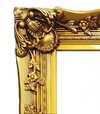
H24-GOLD Ft30
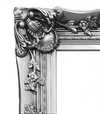
H24-SILVER Ft30
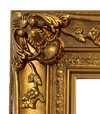
H36-GOLD Ft45

H36-SILVER Ft45
iii.
Tegye sajátjává
Egy kézzel festett alkotás egyéni igények alapján is elkészíthető.
A megrendelést követően a WikiOO.org csapat e-mailt küld a vásárlónak az instrukciókkal, és biztosítja a tervezeti előnézetet
iv.
Befejezés
Kátylá, lakkréteg és szállítás.
Névtábla
A gravírozott bronztábla részletei
This elegant plaque features the artist's name and the title of the artwork, finely engraved for a timeless presentation.
It is made from bronze with a refined, elegant finish. The text is precisely laser-engraved for a sharp and permanent result. Measuring 9x2 cm, the plaque is compact yet easy to read. It's built to be durable and scratch-resistant, offering a professional, museum-quality look. Mounting is simple thanks to the included adhesive backing.
Átlátszó akril tábla részletei
The plaque includes essential engraved details such as the artist's name, the title of the artwork, the date it was created, the type of media used-like oil on canvas or watercolor-a brief description of the piece, and a QR code that links to the complete artwork information.
It is crafted from clear acrylic, offering a sleek, modern appearance. The text is UV-engraved in black to ensure strong visual contrast. With a size of 10x15 cm, it ensures optimal readability. It comes equipped with two metal hooks for secure wall mounting. The plaque is designed to be weather-resistant, making it suitable for various environments, and it includes interactive features that work seamlessly with smartphone scanning.
Fekete akril tábla részletei
This elegant plaque includes engraved information such as the artist's name, the title of the artwork, the date it was created, the type of media used (like oil on canvas or watercolor), a short description of the artwork, and a QR code for quick access to more information.
The plaque itself is made from refined black acrylic with a premium finish. The text is laser-engraved in white for high contrast and readability. Its size is 10x15 cm, designed to be easy to read. It comes with two metal hooks for professional mounting. The design is sleek and fits any interior style. It is also weather-resistant and durable, with built-in digital integration for mobile compatibility.
Védőréteg (Lakk)
Sürgős gyártás
Világszerte elérhető szállítás () 3-4 hét alatt a szokásos 5 hét helyett. (16 november). A minőség nem kérdőjelezhető.
- Ingyenes globális expressz szállítás
- Prémium minőségű len vászon
- Teljes körű szállítási biztosítás
- Vámvisszatérítési Garancia
- Hiteles színarányosság garancia
- 100 napos visszaküldési lehetőség (csak hibás termékek esetén)
- 100% pénzvisszatérítési garancia
- Több darab vásárlásakor kedvezmény


Gyors tények és művészeti kvíz
Kapcsolódó cikkek

The Dramatic Dialogue: Baroque Mannerism & the Synthesis of Emotion, Form, and Artistic Rebellion
Explore the dramatic world of Baroque Mannerism! Discover its history, iconic artists like Rubens & El Greco, and lasting influence on art. Expert insights for collectors & enthusiasts at WikiOO.

The Alchemy of Egg Tempera: Discovering the Luminous Art of Medieval Masterpieces
Explore the alchemy of egg tempera and medieval illumination mastery. Discover the luminous secrets of history's finest manuscripts.

Apollo’s Eternal Radiance: Tracing a Mythic Legacy from Ancient Greece to the Renaissance
Trace Apollo's mythic evolution from Greek sculpture to the Renaissance masters. Explore this timeless legacy with us.

From Grandeur to Grace: Exploring the Evolution of Baroque & Rococo Art
Explore the captivating evolution from Baroque's drama to Rococo's grace! Discover key artists, characteristics & lasting influence of these art movements with expert insights at WikiOO.
Hasonló műalkotások


