

- 54.0 x 78.0 cm


 Megtekintés

 Küldés
 Megosztás
 Részletek
 Útmutató


 Letöltés
 Hasonló darabok
 X-ray felvétel
 Diavetítés
 Kérdések és válaszok
 Statisztika
Nézze meg közelebb
Minden egyes részlet, kézzel festett
A festmény három részlete nagyítva. Művészeink mindegyiket kézzel, az Ön által választott méretben másolják le.
i.
A jelenleg központja.
ii.
Fény és háttér.
iii.
A børce vonala.
A festmény
A gyűjtemény leírása
 Összes részlet megjelenítése
A művész életrajza
A The Hay Wain című művéréről ismert romantikus tájképfestő. Fedezze fel érzelmes angol tájképeit most!
A Moment Captured in Suffolk’s Embrace: John Constable's *Malvern Hall*
John Constable’s 1821 painting, *Malvern Hall*, isn’t merely a depiction of a stately home nestled within the rolling hills of Suffolk; it’s a profound meditation on light, landscape, and the quiet dignity of rural life. This work, rendered in oil on canvas measuring 54 x 78 cm, offers a glimpse into Constable's deeply personal relationship with his surroundings – a connection forged through generations of family ownership and an unwavering dedication to observing and translating the nuances of the English countryside.
The scene unfolds with remarkable clarity. A substantial house, seemingly belonging to the Constable family given their ties to Dedham Vale, dominates the composition, its many windows reflecting the diffused light of a late afternoon. The lawn before it is meticulously rendered, suggesting an idealized vision of domestic tranquility. Yet, Constable doesn’t shy away from the imperfections of nature; trees stand in varying states of growth, and the distant hills are subtly blurred, hinting at atmospheric perspective – a technique he pioneered to create a sense of depth and realism. Notice particularly how he captures the way light plays across the foliage, creating an almost shimmering effect that is characteristic of his style.
The Language of Light: Constable’s Revolutionary Technique
Constable's genius lay not just in his subject matter but also in his innovative approach to painting. He rejected the highly finished, idealized landscapes favored by many of his contemporaries, opting instead for a more direct and spontaneous style. *Malvern Hall* exemplifies this perfectly. He employed a technique known as ‘photicism,’ meticulously studying how light interacts with surfaces – the way it bounces off foliage, creates shadows, and transforms colors throughout the day. This is evident in the subtle shifts of tone across the lawn and the delicate gradations of color within the trees.
Crucially, Constable built up his paintings in thin layers of paint, often applying multiple glazes to achieve a luminous quality. This layering technique, combined with his careful observation of nature, resulted in an astonishingly vibrant and atmospheric effect – one that felt remarkably alive. He wasn’t simply painting what he *saw*; he was capturing the very essence of light and atmosphere.
A Portrait of Place: Symbolism and Context
Beyond its technical brilliance, *Malvern Hall* carries a significant symbolic weight. The house itself represents stability, tradition, and the enduring connection between family and land. The presence of the bench invites contemplation and suggests a harmonious relationship between people and their environment. Even the solitary bird perched on a branch adds to the sense of peaceful observation – a small detail that elevates the scene beyond mere representation.
Painted in 1821, *Malvern Hall* reflects Constable’s evolving artistic philosophy. He was increasingly concerned with capturing the authentic experience of seeing, rather than simply copying what he believed to be ‘correct.’ This work demonstrates his commitment to portraying the beauty and complexity of the English landscape as he truly perceived it – a testament to his deep understanding of light, color, and the rhythms of rural life. It’s a poignant reminder of a time when art was deeply intertwined with observation and a profound appreciation for the natural world.
Bringing *Malvern Hall* Home: A Reproduction Worth Cherishing
WikiOO offers meticulously crafted hand-painted reproductions of John Constable's *Malvern Hall*, allowing you to bring this iconic landscape into your home or office. Our skilled artists replicate Constable’s unique techniques and atmospheric effects with exceptional accuracy, ensuring that the painting’s luminous quality and emotional depth are faithfully preserved.
- Authentic Detail: Each reproduction is created using traditional oil painting methods, mirroring Constable's own approach.
- Premium Materials: We utilize archival-quality canvas and pigments to ensure the longevity and vibrancy of your artwork.
- Multiple Sizes Available: Choose from a range of sizes to perfectly complement your space – from intimate tabletop pieces to grand statement wall art.
Invest in a WikiOO reproduction of *Malvern Hall* and experience the timeless beauty and profound emotional resonance of this remarkable painting. It’s more than just a decoration; it's a window into the heart of the English countryside, captured with the genius of John Constable.
Kérdések és válaszok
Milyen hangulatot árasztana egy szobában egy „Malvern Hall”, John Constable alkotása reprodukció?
A „Malvern Hall”, John Constable alkotása Calm hangulata tökéletesen illeszkedik a javasolt helyszínhez: egy Living Room.
Milyen elhelyezés illik „Malvern Hall”, John Constable alkotása formátumához?
A Landscape formájú, a „Malvern Hall” című alkotás reprodukcióját egy Living Room számára javasoljuk.
Milyen technikával készült a "Malvern Hall", és mikor készült?
A "Malvern Hall" alkotása 1821-ben készült, Acrylic On Canvas technikával.

John Constable
1776 - 1837, Egyesült Királyság
A festőművész
A művész életrajza
A Life Rooted in the English Landscape
John Constable (East Bergholt, Suffolk, 1776. június 11. – London, 1837. április 1.) angol tájképfestő. Jelentős szerepe volt az angol romantikus tájképfestészet történetében és alkotói stílusa meghatározó befolyást gyakorolt a francia romantikus festőkre, a barbizoni iskolára és az impresszionistákra. A Királyi Művészeti Akadémia (Royal Academy of Arts, London) tagja volt.Élete és munkássága
Suffolkban született, édesapja molnár volt. Vidéki környezetben nőtt fel, akárcsak Rembrandt. Korán elkezdett rajzolni, 21 éves korától azonban atyja munkáját kellett segítenie, majd csak 1800-ban ment el Londonba tanulni. Romantikus házasságot kötött, azaz szerelmi házasságot. A fiatal leány Maria Bicknell – evangélikus lelkész nagyapja ellenkezésére nem hallgatva – feleségül ment a festőhöz. Házasságukból született néhány gyermek, de 1828-ban a feleség tüdőbajban meghalt. Constable kiváló arcképfestő is lehetett volna, erről tanúskodik felesége képe 1816-ből. Constable sokkal fontosabbnak tartotta a tájképfestést, mint a portréfestést. Művészeti hitvallása szerint a természet közvetlen és beható tanulmányozása a legfontosabb. Próbálkozott történelmi és vallási témák feldolgozásával is pályája kezdetén, de mindig visszatért a tájképfestéshez. Pályájának kezdetén több 17. századi holland festő (Ruisdael, Koninck, Claude Lorrain (1600–1682), Rubens) és egy 18. század]i angol tájképfestő (Thomas Girtin (1775–1802) volt rá hatással. Azonban e hatások nem voltak tartósak, Constable saját megérzései és meglátásai alapján festett. Constable két jeles kortárs tájképfestővel Turnerrel és Boningtonnal indította el a 19. századi modern tájképfestészetet.Breaking with Convention: A New Vision of Nature
Constable’s artistic development was marked by a deliberate rejection of prevailing academic conventions. Dissatisfied with the idealized and often theatrical landscapes favored by the Royal Academy, he sought instead a truthful representation of nature, imbued with personal feeling. He wasn't interested in grand historical narratives or mythological scenes; his focus remained steadfastly on the familiar countryside surrounding him. This commitment to depicting ordinary subjects – hay wains, farm buildings, village life – was initially met with resistance from critics who deemed his work too commonplace and lacking in ambition. However, Constable persevered, driven by a conviction that beauty resided in the everyday. He pioneered a technique of *plein air* painting, venturing outdoors to directly observe and capture the fleeting effects of light and weather. This direct engagement with nature allowed him to infuse his canvases with an immediacy and vitality previously unseen in British landscape art. His brushwork became increasingly loose and expressive, employing impasto – thick layers of paint – to create texture and convey a sense of movement and atmosphere. He wasn’t simply recording what he saw; he was translating his emotional response to the land into visual form.Iconic Works and Lasting Influence
Constable's most celebrated works stand as testaments to his unique vision. The Hay Wain (1821), perhaps his most recognizable painting, depicts a quintessential rural scene on the River Stour, capturing the tranquility and harmony of agricultural life. Hadleigh Castle (1829) showcases his dramatic use of light and atmospheric effects, transforming a crumbling ruin into a powerful symbol of time’s passage. The series of paintings depicting Salisbury Cathedral from the Meadows (1831) demonstrates his ability to evoke different moods and times of day, revealing the cathedral as an integral part of the natural landscape. Netley Abbey (1824), with its evocative depiction of architectural grandeur amidst encroaching nature, exemplifies his skill in blending human creation with the wild beauty of the countryside. Despite facing initial struggles for recognition in England, Constable achieved considerable acclaim in France, where his innovative techniques and emotional depth resonated deeply with artists seeking a more naturalistic approach to landscape painting. He profoundly influenced the Barbizon School, a group of French painters who shared his commitment to *plein air* painting and direct observation of nature.Personal Life & Final Years
Constable’s personal life was marked by both joy and sorrow. He married Maria Bicknell in 1816, and they had seven children, though sadly several did not survive infancy. His marriage provided him with emotional support but also financial strain. Elected a Royal Academician in 1829, he continued to face criticism from some quarters, particularly regarding his unconventional techniques. His later years were shadowed by Maria’s declining health and eventual death in 1828, an event that deeply affected him. Despite these hardships, Constable remained dedicated to his art, continuing to paint until his own passing on March 31, 1837. He left behind a rich artistic legacy—a testament to his unwavering commitment to capturing the beauty and emotional resonance of the English countryside. His paintings remain powerful evocations of a bygone era, inviting viewers to experience the landscape through his uniquely sensitive eyes.Gyors információk John Constable művészről
- Artistic Movement Or Style: Romantika
- Artists Or Movements Influenced By This Artist: ['Barbizonok iskolája']
- Artists Who Influenced This Artist: ['Claude Lorrain']
- Date Of Birth: 1776
- Date Of Death: 1837
- Full Name: John Constable
- Nationality: Brit
- Notable Artworks:
- The Hay Wain
- Hadleigh Castle
- Salisbury Cathedral from the Meadows
- Netley Abbey
- Place Of Birth: East Bergholt, Egyesült Királyföld


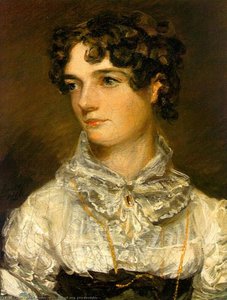

Kézzel készített olajfestmény reprodukció
Kérje megfestetni Önnek készült
Kézzel készített olajfestmény reprodukció
Kézzel festett olajvastú vászon, az Ön által választott méretben és keretben, művészeink készítik meglévőre. ( Váltás nyomtatványra Áttérés digitális képre)

Az Ön rendelése

Malvern Hall
Reprodukciós technika
Reprodukció mérete
-

Kiváló mesterművész
Nagyobb részletesség, finomság és bővített gyártási idő
-

Reprodukció keretezése
-
-
A bármely oldalsó méretét túlszálaló 105 cm (kb. 41 hüvelyk) meghaladó műalkotások vagy reprodukciók esetében a keret összeszerelhető készletként, szétszerelve kerül szállításra. Ez a módszer biztosítja a biztonságos szállítást, és megakadályozza a szállítás során fellépő sérüléseket.
Szakmész összeszerelést igényel – ez nem DIY (önösszeszerelhető) termék.
A készletet egy tapasztalt keretező szakembernek kell összeszerelnie és a vásznat feszítenie kell, fa ragasztó (nem tartalmazza a csomag), vásznfeszítő fogó és szorítók használatával, amelyek a ragasztó száradásáig a keretrészeket egymáshoz vuôngjba tartják. A helytelen összeszerelés vagy a nem egyenletes vásznfeszítés maradandó károsíthatja a műalkotást, és ez nem része a garanciánknak.
 A bármely oldalsó méretét túlszálaló 105 cm (kb. 41 hüvelyk) meghaladó műalkotások vagy reprodukciók esetében a keret összeszerelhető készletként, szétszerelve kerül szállításra. Ez a módszer biztosítja a biztonságos szállítást, és megakadályozza a szállítás során fellépő sérüléseket.
A készlet tartalmazza az összes tömörfa rudat, pontosan méretre vágva.
A mellékelt csavarokkal, valamint a sarokszerekhez szükséges faütő ragasztóval kell összeszerelnie (ez nem tartalmazható a csomagban), így a keretrendezőnek külön kell beszereznie.
A csomag nem tartalmazza a szükséges professzionális eszközöket: egy vászonfeszítőt és klipseket a rácsok vízszintes tartásához a ragasztó megszáradásáig.
Fontos:
A sarokcsatlakozásokhoz fánylagra van szükség, a keretrudakat szorítókapcsokkal kell rögzíteni, amíg a rag teljesen meg nem szárad, a kész keretre feszített vászonhoz pedig vászonfeszítő fogat szükséges. Ezek egyike sem található meg a készletben. Kérjük, rendelés előtt győződjön meg róla, hogy rendelkezik tapasztalt keretező szakemberrel.

Névtábla
-
-

Védőréteg (Lakk)
Fényes lakk (intenzívabb színek, védelem a fény és a nedvesség hatása ellen)
-

Műalkotásom egyedi igényre szabása
Példák a módosíthatóságra: az arc kicserélése az ügyfél fotójára; háziállat hozzáadása (pl. macska helyett kutya); rejtett üzenet elhelyezése a háttérben; a háttér tájainak vagy elemeinek megváltoztatása.
-

Sürgős
Világszerte szóló szállítás () mindössze 3-4 hét alatt, a szokásos 5 hét helyett. (16 november). A minőség nem kérdőjelezhető.
-
Express szállítás
Világszerte elérhető szállítás területre 5 héten belül. (23 november).
A szállítás díja tartalmazza
Összesített ár
Ft 85632
Az üvegkeretes opció csak 110 cm alatti méretben érhető el
i.
Méretezés
Az eredeti mérete 54.0 x 78.0 cm. Húzza a falához: minden méret megőrzi az arányait.
Válasszon előre meghatározott méreteink közül, amelyek megfelelnek a műalkotás eredeti arányainak.

Írja be a kívánt szélességet és magasságot, hogy illeszkedjen a keretéhez vagy a falához. Mivel ez kézzel festett alkotás, egy eltérő formájú méret esetén a művész akár festhet is valamivel többet a kép körül, vagy korolathat is belőle — az Ön döntésének megfelelően. A festés megkezdése előtt küldünk egy digitális tervezetet jóváhagyásra. Az oldalon látható kép nem tartalmazza a végeredményt — csak a tervezet mutatja meg a valódi eredményt.
ii.
Keret
A keret a festményen az eredeti szélességén jelenik meg.
Keretezett

Fehér Ft1

Elmosódott szélek Ft1

Kiterjesztett Ft1

P118B Ft10

P118H Ft10

P118W Ft10

P438Z Ft10

P508JH Ft12

P508YH Ft12

P805H Ft10

P805Z Ft10

P919BZ Ft10

P919G Ft10

P919XJ Ft10

P959ZH Ft10

P968JZ Ft12

W106C Ft8

W218G Ft10

W218JH Ft8

W218Y Ft10

W307PJ Ft10

W316G Ft10

W316PJ Ft8

W316Y Ft10

W398PJ Ft8

W4111J Ft10

W500HY Ft15

W500JH Ft15

W692G Ft12

W849H Ft8

W940BG Ft15

W953PJ Ft8

H24-GOLD Ft30
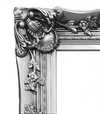
H24-SILVER Ft30
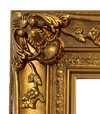
H36-GOLD Ft45

H36-SILVER Ft45
iii.
Tegye sajátjává
Egy kézzel festett alkotás egyéni igények alapján is elkészíthető.
A megrendelést követően a WikiOO.org csapat e-mailt küld a vásárlónak az instrukciókkal, és biztosítja a tervezeti előnézetet
iv.
Befejezés
Kátylá, lakkréteg és szállítás.
Névtábla
A gravírozott bronztábla részletei
This elegant plaque features the artist's name and the title of the artwork, finely engraved for a timeless presentation.
It is made from bronze with a refined, elegant finish. The text is precisely laser-engraved for a sharp and permanent result. Measuring 9x2 cm, the plaque is compact yet easy to read. It's built to be durable and scratch-resistant, offering a professional, museum-quality look. Mounting is simple thanks to the included adhesive backing.
Átlátszó akril tábla részletei
The plaque includes essential engraved details such as the artist's name, the title of the artwork, the date it was created, the type of media used-like oil on canvas or watercolor-a brief description of the piece, and a QR code that links to the complete artwork information.
It is crafted from clear acrylic, offering a sleek, modern appearance. The text is UV-engraved in black to ensure strong visual contrast. With a size of 10x15 cm, it ensures optimal readability. It comes equipped with two metal hooks for secure wall mounting. The plaque is designed to be weather-resistant, making it suitable for various environments, and it includes interactive features that work seamlessly with smartphone scanning.
Fekete akril tábla részletei
This elegant plaque includes engraved information such as the artist's name, the title of the artwork, the date it was created, the type of media used (like oil on canvas or watercolor), a short description of the artwork, and a QR code for quick access to more information.
The plaque itself is made from refined black acrylic with a premium finish. The text is laser-engraved in white for high contrast and readability. Its size is 10x15 cm, designed to be easy to read. It comes with two metal hooks for professional mounting. The design is sleek and fits any interior style. It is also weather-resistant and durable, with built-in digital integration for mobile compatibility.
Védőréteg (Lakk)
Sürgős gyártás
Világszerte elérhető szállítás () 3-4 hét alatt a szokásos 5 hét helyett. (16 november). A minőség nem kérdőjelezhető.
- Ingyenes globális expressz szállítás
- Prémium minőségű len vászon
- Teljes körű szállítási biztosítás
- Vámvisszatérítési Garancia
- Hiteles színarányosság garancia
- 100 napos visszaküldési lehetőség (csak hibás termékek esetén)
- 100% pénzvisszatérítési garancia
- Több darab vásárlásakor kedvezmény


Gyors tények és művészeti kvíz
Kapcsolódó cikkek

WikiOO.org F.A.Q.: Why Our Handmade Oil Reproductions Are Museum-Quality Masterpieces
Discover why elite collectors trust WikiOO.org for museum-quality, hand-painted oil reproductions. Explore our bespoke commissioning process, technical mastery of the Old Masters, and expert art consultation services designed to bring timeless beauty into your private collection.
Hasonló műalkotások


