

 Küldés
 Megosztás
 Részletek
 Útmutató

 Letöltés
 Hasonló darabok
 Diavetítés
 Kérdések és válaszok
 Statisztika
Nézze meg közelebb
Minden egyes részlet, kézzel festett
A festmény három részlete nagyítva. Művészeink mindegyiket kézzel, az Ön által választott méretben másolják le.
i.
A jelenleg központja.
ii.
Fény és háttér.
iii.
A børce vonala.
A festmény
A Silent Smile: Decoding Max Ernst’s “Chéri Bibi”
The sculpture "Chéri Bibi," created by German Surrealist artist Max Ernst, presents a deceptively simple visual—a face rendered in metal or bronze—yet it harbors layers of complex symbolism and invites contemplation about the subconscious mind. Captured in this photograph, the piece stands on a pedestal, emphasizing its sculptural form and drawing attention to its subtle details. This artwork exemplifies Ernst’s signature approach: blending meticulous craftsmanship with dreamlike imagery to explore themes of desire, vulnerability, and repressed emotion.The Surrealist Method: Frottage and Beyond
Ernst's artistic process was fundamentally rooted in the Surrealist movement’s rejection of rational thought and embrace of chance encounters between disparate elements. He famously employed *frottage*, a technique involving rubbing paper over textured surfaces—such as bark or stone—to generate spontaneous patterns that served as inspiration for his paintings and sculptures. This method deliberately disrupts conventional artistic conventions, mirroring the Surrealists' aim to liberate creativity from conscious control. “Chéri Bibi” embodies this spirit; its form emerges from an unpredictable process, reflecting Ernst’s fascination with automatism – allowing subconscious impulses to guide artistic creation.Symbolic Resonance: Birds and Vulnerability
Ernst frequently incorporated birds into his artwork, representing freedom, aspiration, and often a yearning for escape—themes central to the Surrealist preoccupation with confronting anxieties about repression and societal constraints. In “Chéri Bibi,” the face’s serene smile contrasts sharply with its closed eyes, creating an arresting visual paradox. This juxtaposition speaks to the difficulty of expressing inner feelings openly and suggests a hidden vulnerability beneath a façade of composure. The sculpture's stillness reinforces this idea, prompting viewers to consider what lies unspoken within the gaze.Historical Context: Dada and Weimar Germany
“Chéri Bibi” emerged during the turbulent years following World War I in Weimar Germany—a period marked by political instability, economic hardship, and a pervasive sense of disillusionment. The Surrealist movement arose as a reaction against the horrors of war and the perceived failures of bourgeois morality. Ernst’s work aligns with Dada's anti-establishment ethos and its rejection of traditional artistic values, prioritizing intuition and emotional expression over logical reasoning. It reflects the broader cultural anxieties of the time—a desire to reclaim psychological autonomy amidst societal upheaval.Emotional Impact: A Portrait of Inner Reflection
Ultimately, “Chéri Bibi” transcends mere visual representation; it invites viewers into a realm of introspection. The sculpture’s enigmatic smile and closed eyes compel us to confront questions about identity, emotion, and the hidden depths of consciousness. Like many Surrealist artworks, it eschews explicit narrative, instead fostering an emotional response rooted in ambiguity and suggestion. Reproductions of this piece offer a powerful opportunity to engage with Ernst's profound exploration of the human psyche—a timeless reminder that art can illuminate aspects of our inner lives that words alone cannot capture.Kérdések és válaszok
Hol találhatók statisztikák a(z) „Chéri bibi 1”, Max Ernst alkotása kapcsán?
A „Chéri bibi 1”, Max Ernst alkotása Statisztikák oldala a nyilvános látogatási statisztikákat mutatja be: az alkotás havi látogatottságát, összehasonlításban a művész legnézettebb alkotásaival, valamint a látogatók származási helyét.
A Max Ernst alkotása, a "Chéri bibi 1", a jogi szabadhasználatban (public domain) áll-e, és miért?
Max Ernst alkotása, a "Chéri bibi 1", még szerzői jog védi státuszban van. A szerzői jogi védelem a művész halálától számítod, Max Ernst pedig 1976 évben hunyt meg.
Milyen technikával készült a „Chéri bibi 1”, Max Ernst alkotása?
A „Chéri bibi 1”, Max Ernst alkotása technikája Sculpture Bronze. A reprodukciók célja ezen technika megjelenítésének hiteles återadása.
Ez a műalkotás szerzői jogi védelem alatt áll
Az ezen az oldalon megjelenített műalkotások szerzői jogi védelem alatt állnak, ami azt jelenti, hogy törvényileg nem készíthetünk és nem adhatunk el belőlük pontos másolatokat. Ez a védelem olyan nemzetközi megállapodások alapján érvényesül, mint például a Berni Egyezmény és a nemzeti jogszabályok által, beleértve azokat is, amelyeket meghatározott Az USA szerzői jogi törvénye – 17. cím.
Mint tiszteletes és törvényes alternatívát, olyan egyedi, kézzel festett alkotásokat kínálunk, amelyek az eredetiből merítnek inspirációt. Tapasztalt és professzionális művészeink alaposan tanulmányozzák az eredeti stílusát, hangulatát és művészeti esszenciáját, hogy egy olyan új, egyedi alkotást hozzunk létre, amely ugyanazt az érzést kelti – miközben önálló, eredeti alkotásként létezik.
Ez a módszer teljes mértékben megfelel a szerzői jogi szabályozásnak, mivel nem tartalmazza a védett műalkotás másolását vagy duplikálását. Ehelyett ez egy kreatív újinterpretáció – egy új festmény, amely az eredetivel való összefüggései miatt hatással van rá, de nem az az.
 További információk
Max Ernst
1891 - 1976, Németország
A festőművész
Max Ernst (1891-1976) szürrealista festő, dada művész! Innovatív technikákkal – frottázs, kollázs – ábrázolta a vágyakat, a tudattalanot és a fantáziát. #Ernst #Szürrealizmus #Dada
A művész életrajza
A Life Immersed in the Surreal
Max Ernst, született Maximilian Maria Ernst néven április 1-jén 1891-ben Brühl városban, Németországban, egy nyugodt lelkű ember volt, akit a művészet iránti szenvedély és a társadalmi normák elleni szorongás vezéreltek. Élete nem volt hagyományos művészi tanulmányok sorozata; inkább önmagában irányított felfedezés volt, melyet filozófiai gondolkodással, pszichológiai vonzalommal és mély elmélettel a társadalmi elvárásokkal szemben. Apja, egy tanár a vakok számára és amatőr festő, mindkét oldalon érzékenységet adott neki a világ felé, mind pedig ellenállást az elismert hatalommal szemben. Ez korai kettősség meghatározó vonása lett művészeti látásának.
Ernst tanulmányi évei a Bonni Egyetemen – filozófia, művészettörténet, irodalom, pszichológia és pszichiátria területén – nem csupán szórólapok voltak, hanem mélyen befolyásoló alapvető elemek, melyek formálták későbbi munkáit. Nemcsak arra törekedett, hogyan kell festeni; hanem arra is, miért. Ez az érvelőkészsége elvezette őt a legújabb művekkel találkozásához Picasso, Van Gogh és Gauguin esetében a Cologne Sonderbund kiállításon 1912-ben, ami véglegesen megváltoztatta művészi pályáját. A modernizmus magjában rejlett.
Dada Szüntetése és a Surrealista Vizek Kezdeti
A I. világháború kataklízaszerű eseménye mélyen megrendítette Ernst életét. Seregben töltött évei, mind keleti, mind nyugati fronton, mélyen megnevették, mély szkeptikus hozzáállást alakított ki iránta a megragadott renddel szemben és egy új kifejezési módok vágyását. Ez a csalódtatás termékeny talajt biztosított a virágzó Dada mozgalom számára, melyet 1918-ban visszatérve Kölnbe fogadta el teljes szívvel. Hans Arp – egy élethosszig tartó barát és kollégája – mellett Ernst lett a mozgás kulcsembere, elutasítva a hagyományos művészi konvenciókat és elfogadva az abszurditást, a véletlenséget és az irracionalitást.
A Dada azonban csak egy lépcső volt. A 1920-as évek elején Ernst Párizsba költözött és csatlakozott a Surrealistákhoz, melyet André Breton vezette. Ez jelölte be a válás irányát a tudattalan világ felé, az álomvilág felé és az irracionális erők felé. A pszichoanalitikus elméletek (Sigmund Freud) hatására Ernst arra törekedett, hogy felfedezze az emberi lélek mélyebb rétegeit művészetén keresztül. Nem a valóság ábrázolását akarta megtenni, hanem az alábbi erőkövetelések feltárását, amelyek alakították azt.
Innovatív Technikák: Frottage, Grattage és Collage
Ernst művészi innovációja nem csupán a témaválasztásban mutatkozott meg; ő egy fáma kísérletező volt. Nem csupán elfogadva az előzetes módszereket – hanem újokat is feltalált. Lehetséges legnépszerűbb hozzájárulása a frottage, ami egy olyan folyamat, amely során egyenes vagy grafitot sürünk texturált felületre, hogy váratlan és vonzó képeket hozzunk létre. Ez a technika, mely egy pillanatnyi unalom közben keletkezett, lehetővé tette Ernst számára, hogy belekészüljön a tudattalanba és olyan formákat generáljon, amelyek ellentmondanak a tudatos kontrollnak.
Közel kapcsolódóan a grattage technikát alkalmazta, ahol a festéket leharcoljuk vászonra, feltárva az alábbi rétegeket.
Ő pedig mesteri módon használt collage-t is, összerakva különböző elemeket – képeket magazinokból, tudományos illusztrációkból, fotókból – szürrealisztikus kompozíciókba, amelyek megkérdőjelezték a hagyományos ábrázolás fogalmát. Ezek a technikák nem csupán stilisztikai választások voltak; hanem integrálisan kapcsolódtak az ő tudattalan felfedezéséhez és a hagyományos művészi határok megsértésére irányuló törekvésehez. Képei gyakran tartalmaznak szimbólumokat: madarakat (különösen a saját alter egóját, Loplopt), elszigetelt tájakat, zavaró egymásbahelyezéseket és egyveleget.
Innovációk és Hatások Öröksége
A II. világháború kitörése Ernstot kényszerítette Európából menekülésre, ahol menedékben találkozott az Egyesült Államokban. Folytatta a festést és új technikák kísérletezését a számkölcsönző időszakban, végül Franciaországba tért vissza háború után, ahol aktív maradt halálaig 1976-ban Párizsban.
Ernst hozzájárulásai a Dada és a Surrealizmus mozgásokhoz elkerülhetetlenek voltak. Megkérdőjelezték a művészi normákat, beásták az emberi lélek mélyebb rétegeibe és innovatív technikákat hoztak létre, amelyek továbbra is inspirálják a művészeket ma.
- Névleges művek: The Entire City, Euclides, Ofrenda funeraria, The Equivocal Woman, L'Ange du foyer
- Hatások: Pablo Picasso, Vincent van Gogh, Paul Gauguin, Sigmund Freud, Giorgio de Chirico
- Mozi: Dada, Surrealizmus
Gyors információk Max Ernst művészről
- Artistic Movement Or Style: Dada, Surrealizmus
- Artists Or Movements Influenced By This Artist:
- Surrealizmus
- Dada
- Artists Who Influenced This Artist:
- Picasso
- Van Gogh
- Gauguin
- Date Of Birth: Április 1, 1891
- Date Of Death: Április 1, 1976
- Full Name: Max Ernst
- Nationality: Német-amerikai, Francia
- Notable Artworks:
- Ofrenda funerária
- The Equivocal Woman
- L'Ange du foyer
- Place Of Birth: Brühl, Németország


Kézzel készített olajfestmény reprodukció
Kérje megfestetni Önnek készült
Kézzel készített olajfestmény reprodukció
Kézzel festett olajvastú vászon, az Ön által választott méretben és keretben, művészeink készítik meglévőre. ( Váltás nyomtatványra Áttérés digitális képre)

Az Ön rendelése

Chéri bibi 1
Reprodukciós technika
Reprodukció mérete
-

Kiváló mesterművész
Nagyobb részletesség, finomság és bővített gyártási idő
-

Reprodukció keretezése
-
-
A bármely oldalsó méretét túlszálaló 105 cm (kb. 41 hüvelyk) meghaladó műalkotások vagy reprodukciók esetében a keret összeszerelhető készletként, szétszerelve kerül szállításra. Ez a módszer biztosítja a biztonságos szállítást, és megakadályozza a szállítás során fellépő sérüléseket.
Szakmész összeszerelést igényel – ez nem DIY (önösszeszerelhető) termék.
A készletet egy tapasztalt keretező szakembernek kell összeszerelnie és a vásznat feszítenie kell, fa ragasztó (nem tartalmazza a csomag), vásznfeszítő fogó és szorítók használatával, amelyek a ragasztó száradásáig a keretrészeket egymáshoz vuôngjba tartják. A helytelen összeszerelés vagy a nem egyenletes vásznfeszítés maradandó károsíthatja a műalkotást, és ez nem része a garanciánknak.
 A bármely oldalsó méretét túlszálaló 105 cm (kb. 41 hüvelyk) meghaladó műalkotások vagy reprodukciók esetében a keret összeszerelhető készletként, szétszerelve kerül szállításra. Ez a módszer biztosítja a biztonságos szállítást, és megakadályozza a szállítás során fellépő sérüléseket.
A készlet tartalmazza az összes tömörfa rudat, pontosan méretre vágva.
A mellékelt csavarokkal, valamint a sarokszerekhez szükséges faütő ragasztóval kell összeszerelnie (ez nem tartalmazható a csomagban), így a keretrendezőnek külön kell beszereznie.
A csomag nem tartalmazza a szükséges professzionális eszközöket: egy vászonfeszítőt és klipseket a rácsok vízszintes tartásához a ragasztó megszáradásáig.
Fontos:
A sarokcsatlakozásokhoz fánylagra van szükség, a keretrudakat szorítókapcsokkal kell rögzíteni, amíg a rag teljesen meg nem szárad, a kész keretre feszített vászonhoz pedig vászonfeszítő fogat szükséges. Ezek egyike sem található meg a készletben. Kérjük, rendelés előtt győződjön meg róla, hogy rendelkezik tapasztalt keretező szakemberrel.

Névtábla
-
-

Védőréteg (Lakk)
Fényes lakk (intenzívabb színek, védelem a fény és a nedvesség hatása ellen)
-

Műalkotásom egyedi igényre szabása
Példák a módosíthatóságra: az arc kicserélése az ügyfél fotójára; háziállat hozzáadása (pl. macska helyett kutya); rejtett üzenet elhelyezése a háttérben; a háttér tájainak vagy elemeinek megváltoztatása.
-

Sürgős
Világszerte szóló szállítás () mindössze 3-4 hét alatt, a szokásos 5 hét helyett. (5 november). A minőség nem kérdőjelezhető.
-
Express szállítás
Világszerte elérhető szállítás területre 5 héten belül. (12 november).
A szállítás díja tartalmazza
Összesített ár
Ft 86045
Az üvegkeretes opció csak 110 cm alatti méretben érhető el
i.
Méretezés
Csúsztassa a falára: minden méret megőrzi az eredeti arányokat.
Válasszon előre meghatározott méreteink közül, amelyek megfelelnek a műalkotás eredeti arányainak.

Írja be a kívánt szélességet és magasságot, hogy illeszkedjen a keretéhez vagy a falához. Mivel ez kézzel festett alkotás, egy eltérő formájú méret esetén a művész akár festhet is valamivel többet a kép körül, vagy korolathat is belőle — az Ön döntésének megfelelően. A festés megkezdése előtt küldünk egy digitális tervezetet jóváhagyásra. Az oldalon látható kép nem tartalmazza a végeredményt — csak a tervezet mutatja meg a valódi eredményt.
ii.
Keret
A keret a festményen az eredeti szélességén jelenik meg.
Keretezett

Fehér Ft1

Elmosódott szélek Ft1

Kiterjesztett Ft1

P118B Ft10

P118H Ft10

P118W Ft10

P438Z Ft10

P508JH Ft12

P508YH Ft12

P805H Ft10

P805Z Ft10

P919BZ Ft10

P919G Ft10

P919XJ Ft10

P959ZH Ft10

P968JZ Ft12

W106C Ft8

W218G Ft10

W218JH Ft8

W218Y Ft10

W307PJ Ft10

W316G Ft10

W316PJ Ft8

W316Y Ft10

W398PJ Ft8

W4111J Ft10

W500HY Ft15

W500JH Ft15

W692G Ft12

W849H Ft8

W940BG Ft15

W953PJ Ft8

H24-GOLD Ft30

H24-SILVER Ft30

H36-GOLD Ft45

H36-SILVER Ft45
iii.
Tegye sajátjává
Egy kézzel festett alkotás egyéni igények alapján is elkészíthető.
A megrendelést követően a WikiOO.org csapat e-mailt küld a vásárlónak az instrukciókkal, és biztosítja a tervezeti előnézetet
iv.
Befejezés
Kátylá, lakkréteg és szállítás.
Névtábla
A gravírozott bronztábla részletei
This elegant plaque features the artist's name and the title of the artwork, finely engraved for a timeless presentation.
It is made from bronze with a refined, elegant finish. The text is precisely laser-engraved for a sharp and permanent result. Measuring 9x2 cm, the plaque is compact yet easy to read. It's built to be durable and scratch-resistant, offering a professional, museum-quality look. Mounting is simple thanks to the included adhesive backing.
Átlátszó akril tábla részletei
The plaque includes essential engraved details such as the artist's name, the title of the artwork, the date it was created, the type of media used-like oil on canvas or watercolor-a brief description of the piece, and a QR code that links to the complete artwork information.
It is crafted from clear acrylic, offering a sleek, modern appearance. The text is UV-engraved in black to ensure strong visual contrast. With a size of 10x15 cm, it ensures optimal readability. It comes equipped with two metal hooks for secure wall mounting. The plaque is designed to be weather-resistant, making it suitable for various environments, and it includes interactive features that work seamlessly with smartphone scanning.
Fekete akril tábla részletei
This elegant plaque includes engraved information such as the artist's name, the title of the artwork, the date it was created, the type of media used (like oil on canvas or watercolor), a short description of the artwork, and a QR code for quick access to more information.
The plaque itself is made from refined black acrylic with a premium finish. The text is laser-engraved in white for high contrast and readability. Its size is 10x15 cm, designed to be easy to read. It comes with two metal hooks for professional mounting. The design is sleek and fits any interior style. It is also weather-resistant and durable, with built-in digital integration for mobile compatibility.
Védőréteg (Lakk)
Sürgős gyártás
Világszerte elérhető szállítás () 3-4 hét alatt a szokásos 5 hét helyett. (5 november). A minőség nem kérdőjelezhető.
- Ingyenes globális expressz szállítás
- Prémium minőségű len vászon
- Teljes körű szállítási biztosítás
- Vámvisszatérítési Garancia
- Hiteles színarányosság garancia
- 100 napos visszaküldési lehetőség (csak hibás termékek esetén)
- 100% pénzvisszatérítési garancia
- Több darab vásárlásakor kedvezmény


Gyors tények és művészeti kvíz
Kapcsolódó cikkek
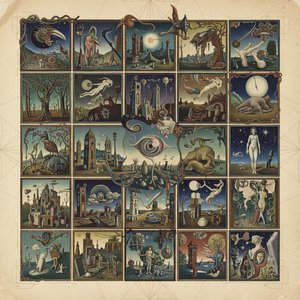
Max Ernst Mesterek: A 25 Leglenyűgözőbb Kép, Ami Megváltoztatja a Terét – WikiOO
Fedezze fel Max Ernst 25 legikonikusabb művét! Merüljön el a szürrealizmus, dadaizmus világában és ismerje meg a német festő álomképeit. Művészeti reprodukcióinkkal egyedi faliképekkel varázsolja otthonát galériává – WikiOO.

A művészettörténet 10 legikonikusabb bronzszobra – WikiOO.org
Fedezze fel a művészettörténet 10 legikonikusabb bronzszobrát! Ismerje meg Rodin, Michelangelo és más mesterek alkotásait. Luxus minőségű reprodukciók otthonába – WikiOO.org.

A művészettörténet 10 legikonikusabb bronzszobra – WikiOO.org
Fedezze fel a művészettörténet 10 legikonikusabb bronzszobrát! Ismerje meg Rodint, Michelangelót és más mestereket. Luxus minőségű nyomatok otthonába – WikiOO.org.

The Enduring Legacy of Bronze: A Historical & Artistic Exploration for the Collector
Explore the rich history & enduring appeal of bronze sculpture with expert insights for collectors at WikiOO. Learn about casting techniques, iconic artists, collecting tips & contemporary interpretations.


