Megtekintés
 Küldés
 Megosztás
 Részletek
 Útmutató

 Letöltés
 Hasonló darabok
 X-ray felvétel
 Diavetítés
 Kérdések és válaszok
 Statisztika
Illik

 Összes részlet megjelenítése
Az ezen az oldalon megjelenített műalkotások szerzői jogi védelem alatt állnak, ami azt jelenti, hogy törvényileg nem készíthetünk és nem adhatunk el belőlük pontos másolatokat. Ez a védelem olyan nemzetközi megállapodások alapján érvényesül, mint például a Berni Egyezmény és a nemzeti jogszabályok által, beleértve azokat is, amelyeket meghatározott Az USA szerzői jogi törvénye – 17. cím.
Ez a módszer teljes mértékben megfelel a szerzői jogi szabályozásnak, mivel nem tartalmazza a védett műalkotás másolását vagy duplikálását. Ehelyett ez egy kreatív újinterpretáció – egy új festmény, amely az eredetivel való összefüggései miatt hatással van rá, de nem az az.
Giclée / Műnyomat
Múzeumi minőségű giclée vagy vászonnyomat, gyors gyártással és rugalmas finomítási lehetőségekkel. ( Kézzel festett másolat rendelése Áttérés digitális képre)




P118B Ft10

P118H Ft10

P118W Ft10

P438Z Ft10

P508JH Ft12

P508YH Ft12

P805H Ft10

P805Z Ft10

P919BZ Ft10

P919G Ft10

P919XJ Ft10

P959ZH Ft10

P968JZ Ft12

W106C Ft8

W218G Ft10

W218JH Ft8

W218Y Ft10

W307PJ Ft10

W316G Ft10

W316PJ Ft8

W316Y Ft10

W398PJ Ft8

W4111J Ft10

W500HY Ft15

W500JH Ft15

W692G Ft12

W849H Ft8

W940BG Ft15

W953PJ Ft8




Válasszon előre meghatározott méreteink közül, amelyek megfelelnek a műalkotás eredeti arányainak.

Írja be a keretének vagy a falának megfelelő szélességet és magasságot. A nyomatot csak le lehet vágni, soha nem tehető nagyobbá, mint az eredeti kép, így egy eltérő alakú méretnél a kép egy része elveszik. Mielőtt bármit kinyatintanánk, küldünk egy digitális próbamodellt jóváhagyásra. Az oldalon látható kép nem tartalmazza a valós levágást — ezt csak a próbamodell mutatja meg.
Világszerte történő kiszállítás területére mindössze 2 hét alatt, a szokásos 4-5 hét helyett. (7 november)

Ingyenes globális expressz szállítás

Prémium minőségű len vászon

Teljes körű szállítási biztosítás

Vámvisszatérítési Garancia

Hiteles színarányosság garancia

100 napos visszaküldési lehetőség (csak hibás termékek esetén)

100% pénzvisszatérítési garancia

Több darab vásárlásakor kedvezmény
 Az üvegkeretes opció csak 110 cm alatti méretben érhető el

Illik
Giclée / Műnyomat
Reprodukció mérete
-


Összesített ár
Ft 20204
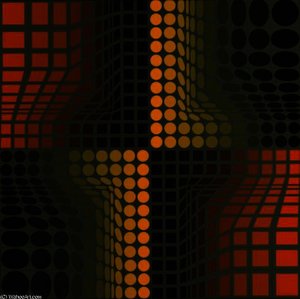
Illik – Egy Gémetrikus Szellem Építése
A Victor Vasarely Illik című alkotása egy lenyűgöző példája az Op Art művészeti mozgalomnak, mely a második világháború után született és azonnal meghatározta Vasarely művészi világát. Ez nem csak egy egyszerű képet mutat be; hanem egy komplex geometriai kompozíciót, amely egyszerre szép és zavaró lehet, és mely tükröződik vissza az anyagban és a fényben. Az alkotás alapvetően egy nagy fehér felületre épül, amely különböző színű kockákat tartalmaz – elsősorban feketét –, azonban ezek nem helyezkednek el véletlenül el; hanem követik egymást szabályszerű sorrendben, ami különösen intenzív látványt kelt. Vasarely ezt a technikát választotta meg, hogy új perspektívákat kínáljon az alkotó számára és az ő közötti kommunikáció számára. Együtt dolgozott egy fiatal építőmérnökkal, aki nagyban hozzájárult az alkotás megvalósításához és annak stabilitásához. Az Illik művének különös jelentősége rejthető el abban, hogy Vasarely milyen ügyesen használta fel a geometriának nyújtatásait és ezek milyen hatással vannak az érzékekre. Ez egy olyan művészi kihívás volt számára, amely megmutatta őszinteségét és kreativitását.- Színvilág: Az alkotás fehér színű alapját képező felületén számos színes kocka található el, melyek főként feketében jelennek meg. Ezek a kockák azonban nem helyezkednek el véletlenül el; hanem követik egymást szabályszerű sorrendben, ami különösen intenzív látványt kelt.
- Technika: Vasarely heliogravúra technikával dolgozott – egy speciális nyomtatási folyamat –, amely lehetővé teszi nagy precizitással és részletességével történő reprodukciót. Ez biztosítja, hogy az Illik műve pontosan tükrözze vissza a művészi eredeti anyagának színét és fényét.
- Egyéb jellemzők: Az alkotás egy hatalmas fehér felületre épül, amely egy komplex geometriai kompozíciót alkot. Vasarely célja nem csak egy egyszerű képet létrehozni volt, hanem egy olyan művészi élményt megosztani azzal a nézővel, aki számára ez különösen értékes és inspiráló lehet.
Kérdések és válaszok
Hol függene jól a „Illik”, Vasarely alkotása reprodukciója?
A Négyzet alakú formájú, a „Illik” című alkotás reprodukcióját egy Nappali számára javasoljuk.
Hol és milyen célra ajánlott a "Illik"?
A "Illik" művet Akcentus célokra javasoljuk, a legalkalmasabb helyszín pedig egy Nappali.
Milyen érzelmi hangulat kíséri a "Illik" alkotás Geometric Abstract Art stílusát?
A "Illik" a Geometric Abstract Art korszak Belső elmélyülésre invitáló érzelmi hangulatát tükrözi.


A művész életrajza
A Life Forged in Geometry: The World of Victor Vasarely
Victor Vasarely’s journey to becoming a pioneer of Op Art and kinetic art was anything but predetermined. Born Károly Vaszary in 1906 in Pécs, a city then nestled within Austria-Hungary (now Croatia), his early life hinted at a path far removed from the canvas; he initially pursued medical studies at Eötvös Loránd University in Budapest. However, the allure of visual expression proved too strong, leading him to abandon medicine for the world of painting in 1927, enrolling at the Podolini-Volkmann Academy. This decision marked not merely a change in vocation but the beginning of a lifelong exploration into the fundamental principles governing perception and form. A pivotal moment arrived with his enrollment in Sándor Bortnyik’s workshop – Műhely – a school deeply influenced by the Bauhaus movement. Here, Vasarely absorbed the tenets of functional design and geometric abstraction, seeds that would blossom into his signature style. These formative years weren't simply about acquiring technique; they were about dismantling traditional artistic conventions and embracing a new visual language rooted in logic and precision.From Early Abstraction to the Dawn of Op Art
The late 1920s and early 1930s witnessed Vasarely’s gradual departure from representational art, as he delved deeper into the realm of geometric abstraction. Works like “Blue Study” and “Green Study,” created in 1929, exemplify this transition – a deliberate shedding of narrative content in favor of pure form and color relationships. While influenced by masters such as Piet Mondrian and Kazimir Malevich, Vasarely wasn’t content to simply emulate their styles. He sought to transcend the static compositions of his predecessors, aiming for a dynamism that would actively engage the viewer's perception. This quest led him to Paris in 1930, where he established himself as a graphic designer and advertising artist, honing his skills while continuing to develop his unique artistic vision. It was during this period that he began experimenting with techniques that would later become hallmarks of Op Art – manipulating shapes and colors to create illusions of movement and depth. The seeds were sown for a revolution in visual experience.The Systematic Illusion: Defining a Movement
By the 1960s, Victor Vasarely had fully emerged as a leading figure in the burgeoning Op Art movement. Unlike many artists who relied on intuition and spontaneous expression, Vasarely approached his work with a distinctly systematic methodology. He employed grids and mathematical principles to generate patterns that created powerful optical illusions – visual vibrations, swirling effects, and sensations of depth where none physically existed. This wasn’t about trickery; it was about revealing the inherent dynamism within perception itself. He believed in reproducibility and mass appeal, aiming to democratize art by making it accessible beyond the confines of galleries and museums. His work challenged viewers to question their own visual experience, forcing them to actively participate in the creation of meaning. He wasn’t merely painting pictures; he was constructing experiences.Beyond the Canvas: Kinetic Exploration and a Lasting Legacy
Vasarely’s artistic exploration didn’t stop at static illusions. He increasingly ventured into kinetic art, creating works that incorporated actual movement or appeared to move through carefully orchestrated visual effects. “Georges Pompidou” (1976), a large kinematic object installed at the Centre Pompidou in Paris, stands as a testament to this ambition – an integration of art with architecture and urban design on a grand scale. He also demonstrated remarkable innovation by applying his designs to commercial products, most notably through his collaboration with Rosenthal porcelain, resulting in the iconic “Suomi” tableware series. This willingness to blur the boundaries between fine art and functional objects further underscored his belief in art’s potential to permeate everyday life. The establishment of the Fondation Vasarely in Aix-en-Provence ensured the preservation and promotion of his extensive body of work, while a remarkable event – the inclusion of serigraphs aboard the French-Soviet spacecraft Salyut 7 in 1982 – symbolized the global recognition of his art and its connection to the broader human endeavor of exploration. Victor Vasarely’s legacy extends far beyond the realm of painting; he profoundly influenced graphic design, fashion, interior design, and even early computer graphics, inspiring generations with his innovative vision and unwavering commitment to exploring the possibilities of perception. He remains a pivotal figure in modern art history, a true visionary who dared to challenge our understanding of what art could be.Historical Significance
Vasarely’s contribution to art history is multifaceted. He moved beyond traditional painting techniques to create works that actively engage the viewer’s perception. His systematic approach challenged conventional notions of artistic creativity and paved the way for computer-generated art and digital design. By embracing reproducibility and commercial applications, Vasarely blurred the boundaries between fine art and popular culture, leaving an enduring mark on both. He wasn't simply creating aesthetically pleasing objects; he was conducting visual experiments that revealed fundamental truths about how we see the world. His work continues to resonate today, reminding us of the power of abstraction, the beauty of geometry, and the endless possibilities of human creativity.
Vasarely
1906 - 1997 , Kroatia
Rövid információk
- Artistic Movement Or Style: Op Art, kinetikus művészet
- Artists Or Movements Influenced By This Artist:
- Grafikai tervezés
- Belsőépítészet
- Artists Who Influenced This Artist:
- Mondrian
- Malevich
- Date Of Birth: 1906. ápril 9.
- Date Of Death: 1997. március 15.
- Full Name: Victor Vasarely
- Nationality: Magyar–francia
- Notable Artworks:
- Blue Study
- Zebra
- Suomi
- Place Of Birth: Pécs, Kárpátia
Kapcsolódó cikkek

Victor Vasarely: Pioneering Op Art & Democratizing Visual Experience
Explore the revolutionary world of Victor Vasarely, father of Op Art. Discover his geometric masterpieces, artistic system, & lasting impact on modern design. A guide for discerning art collectors.

Beyond Form & Color: Geometric Abstraction's Enduring Legacy in Art History
Explore the captivating world of geometric abstraction! Discover its origins, key artists like Malevich & Mondrian, and why this movement remains highly valued by art collectors today. Expert insights at WikiOO.

Geometrikus Absztrakció Mesterei: 10 Alapvető Műalkotás a Lakberendezéshez
Fedezze fel a geometrikus absztrakció 10 legikonikusabb műalkotását! Kandinsky, Mondrian és más mesterek festményeinek története inspirálja otthona dekorációját. Múzeumi minőségű reprodukciók a WikiOO.org-on – fedezze fel online!

Mastering Illusion: The Vibrant World of Victor Vasarely's Op Art and the Geometry of Perception
Explore the mesmerizing world of Victor Vasarely. Discover how his Bauhaus-inspired Op Art masters the science of perception through geometric abstraction and vibrant color. A sophisticated guide for discerning art collectors seeking to understand the legacy of optical illusion.

Neo-Abstract Art: The High-Impact Evolution of Modern Visual Energy and Geometric Sophistication
Discover the power of Neo-Abstract art. Explore how bold geometric forms and high-impact visual energy are redefining modern design. Learn to curate sophisticated, high-energy spaces with the latest trends in contemporary abstraction and structural color.