
 Megtekintés

 Küldés
 Megosztás
 Részletek
 Útmutató


 Letöltés
 Hasonló darabok
 X-ray felvétel
 Diavetítés
 Kérdések és válaszok
 Statisztika
Wedding procession

- 110.0 x 160.0cm


 Összes részlet megjelenítése
Giclée / Műnyomat
Múzeumi minőségű giclée vagy vászonnyomat, gyors gyártással és rugalmas finomítási lehetőségekkel. ( Kézzel festett másolat rendelése Áttérés digitális képre)




P118B Ft10

P118H Ft10

P118W Ft10

P438Z Ft10

P508JH Ft12

P508YH Ft12

P805H Ft10

P805Z Ft10

P919BZ Ft10

P919G Ft10

P919XJ Ft10

P959ZH Ft10

P968JZ Ft12

W106C Ft8

W218G Ft10

W218JH Ft8

W218Y Ft10

W307PJ Ft10

W316G Ft10

W316PJ Ft8

W316Y Ft10

W398PJ Ft8

W4111J Ft10

W500HY Ft15

W500JH Ft15

W692G Ft12

W849H Ft8

W940BG Ft15

W953PJ Ft8
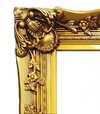
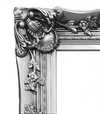
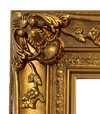

Válasszon előre meghatározott méreteink közül, amelyek megfelelnek a műalkotás eredeti arányainak.

Írja be a keretének vagy a falának megfelelő szélességet és magasságot. A nyomatot csak le lehet vágni, soha nem tehető nagyobbá, mint az eredeti kép, így egy eltérő alakú méretnél a kép egy része elveszik. Mielőtt bármit kinyatintanánk, küldünk egy digitális próbamodellt jóváhagyásra. Az oldalon látható kép nem tartalmazza a valós levágást — ezt csak a próbamodell mutatja meg.
Világszerte történő kiszállítás területére mindössze 2 hét alatt, a szokásos 4-5 hét helyett. (17 november)

Ingyenes globális expressz szállítás

Prémium minőségű len vászon

Teljes körű szállítási biztosítás

Vámvisszatérítési Garancia

Hiteles színarányosság garancia

100 napos visszaküldési lehetőség (csak hibás termékek esetén)

100% pénzvisszatérítési garancia

Több darab vásárlásakor kedvezmény
 Az üvegkeretes opció csak 110 cm alatti méretben érhető el

Wedding procession
Giclée / Műnyomat
Reprodukció mérete
-


Összesített ár
Ft 20057
A Village Celebration
A lively scene unfolds within a European village, capturing a festive wedding procession moving through a crowded street. The composition utilizes a wide-angle perspective to document a bustling gathering of figures dressed in traditional attire. An ornate carriage occupies the mid-ground, acting as a focal point for the eye as it moves through the crowd. The architecture of half-timbered houses provides a structured backdrop to the organic forms of the people and surrounding foliage.Technique and Composition
Executed in 1873, this work employs Academic Realism to achieve high representational accuracy. The color palette relies on warm, earthy tones, specifically ochre, cream, deep reds, forest greens, and browns. Fine detail is applied to the textures of heavy clothing fabrics, the rough stone of buildings, and delicate floral arrangements. Natural daylight illuminates the central group of guests, casting soft shadows across the street. Through overlapping figures and a receding perspective, the painting establishes depth within the dense crowd.Realist Observation
The subject matter focuses on communal celebration and social cohesion. The use of lines guides the viewer from foreground figures toward the central procession, mirroring the movement of the event itself. This approach to genre painting emphasizes the documentation of everyday life and tradition through precise brushwork in oil on canvas.Kérdések és válaszok
Mennyire fényes „Wedding procession”, Gustave Brion alkotása?
A "Wedding procession" színei Gentle Luminance fényerőt mutatnak.
Milyen kontraszt jellemzi a „Wedding procession”, Gustave Brion alkotása alkotást?
A „Wedding procession”, Gustave Brion alkotása Statement kontrasztot mutat a világos és sötét részek között.
Mennyire intenzívek a "Wedding procession" színei?
A "Wedding procession" színe Clear Color Presence telítettségű és Vivid intenzitású.
Hasonló műalkotások


A művész életrajza
The Life and Art of Gustave Brion
Gustave Brion was a French painter and illustrator born in Rothau, France. He studied in Strasbourg under the painter Gabriel-Christophe Guérin and the sculptor Andreas Friedrich. His artistic journey led him to a studio on rue Notre-Dame-des-Champs in Paris, where he resided alongside Realist artists Jules Breton and François Bonvin. Brion is widely recognized for his genre paintings that depict the customs and peasant life of Alsace, though his repertoire also included historical subjects such as The Siege of a Town by Romans, which was commissioned by Napoleon III.
His technical skill earned him significant recognition at the Paris Salon. In 1853, he received a Second-Class Medal for Schlitteurs de la Forêt-Noire and Potato Harvest during an Inundation. His success continued with a First-Class Medal at the Salon of 1863 for Les Fleurs du Pays, an achievement that also brought him the Legion of Honour. He received further honors at the Exposition Universelle of 1867 and the Salon of 1868.
Illustrative Legacy and Notable Works
Beyond his canvas work, Brion was a prolific book illustrator. He contributed over 200 illustrations to the first edition of Victor Hugo's Les Misérables, providing the first published portrayal of Inspector Javert. He also provided illustrations for Hugo's The Hunchback of Notre-Dame, depicting characters such as Quasimodo and Esmeralda.
His principal works include:

Gustave Brion
1824 - 1877 , France
Rövid információk
- Artists Who Influenced This Artist:
- Charles Gleyre
- Gabriel-Christophe Guérin
- Full Name: Gustave Brion
- Nationality: French
- Notable Artworks:
- Les Pèlerins de Sainte-Odile
- Siege of a city by the Romans
- Schlitteurs de la Forêt-Noire
- Potato Harvest during an Inundation
- Les Fleurs du Pays
- Place Of Birth: Rothau, France
- Date Of Birth: 1824
- Date Of Death: 1877
Kapcsolódó cikkek

The Architecture of the Crowd: Examining Human Presence in Urban Compositions
Explore the evolution of urban art from Caillebotte to modern street murals. Discover the pulse of the city through masterworks.

Beyond the Guest Book: Transform Your Wedding Memories into Timeless Impressionist Masterpieces
Elevate your wedding memories beyond photography. Discover how to transform cherished moments into timeless Impressionist oil paintings—bespoke, hand-painted masterpieces designed to become your family's most enduring and elegant heirloom.

A Realizmus Mesterei: 10 Kéremény, Ami Megváltoztatta a Festészetet – WikiOO
Fedezze fel a Realizmus 10 legikonikusabb műalkotását! Jacques-Louis David, Ingres és Courbet remekművei – történetükkel, technikájukkal. Vászonképek széles választéka otthonába a WikiOO.org-on. Explore the full collection online!

Unveiling Realism: The Top 25 Masterpieces by Gustave Courbet
Immerse yourself in the raw power of Realism with our curated guide to the top 25 Gustave Courbet masterpieces. From iconic landscapes to profound social portraits, explore the stories behind these timeless works and find museum-quality art reproductions. Discover all on WikiOO.org.

The Radiance of Revelry: Capturing the Joy of Festivals through Impressionist Art
Explore the luminous light and vibrant energy of Impressionist festivals through expert analysis. Rediscover the joy of art history today.