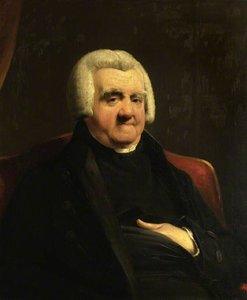
The Genesis of a Portraitist
Born in the historic city of Lancaster on May 16, 1777, James Lonsdale emerged from a background of intellectual stability as the son of William Lonsdale, a respected solicitor. While his lineage suggested a path toward law, the seeds of artistic passion were sown early through the nurturing encouragement of his father and the keen eye of Richard Threlfall. As an architect of Lancaster, Threlfall recognized a burgeoning brilliance in the young Lonsdale, providing him with access to the refined atmosphere of Ashton Hall. It was within these aristocratic circles that Lonsdale first encountered the elegance of high society, an experience that would later serve as the very foundation of his professional life and subject matter.
Before ascending to the prestigious halls of formal art education, Lonsdale’s hands were practiced in the meticulous world of pattern design at Margerison and Glover’s print-works. This early immersion in draughtsmanship instilled in him a disciplined precision, a quality that would become indispensable when he transitioned from decorative arts to the profound complexities of portraiture. His journey reached a definitive turning point in October 1801, when he entered the Royal Academy Schools. Under the tutelage of the legendary George Romney, Lonsdale underwent a transformative period of refinement. Romney’s influence was more than academic; it was an infusion of soul into technique, teaching Lonsdale how to balance meticulous anatomical accuracy with a certain poetic vitality that breathed life into his sitters.
A Legacy of Character and Command
Lonsdale’s career was defined by a prolific output and an unwavering commitment to the depiction of the British elite. Between 1802 and 1838, he exhibited approximately 130 works at the Royal Academy, establishing himself as a mainstay of the era's artistic landscape. His talent was not merely in capturing a likeness, but in navigating the psychological terrain of his subjects. Whether painting prominent statesmen, literary giants, or members of the landed gentry, Lonsdale possessed a rare ability to convey both the social stature and the inner temperament of those who sat before him.
His contributions to the institutional fabric of British art were equally significant. Alongside the great Sir Thomas Lawrence, Lonsdale stood as a founding member of the Society of British Artists, an endeavor that sought to provide a platform for artists outside the traditional hegemony of the Royal Academy. This spirit of innovation and professional organization marked him as a pivotal figure in the evolution of the British art market.
The breadth of his technical ambition is perhaps best exemplified by his most monumental commissions. One of his most celebrated achievements remains the grand depiction of King John signing the Magna Carta for the Duke of Norfolk at Arundel Castle. This work, far more than a mere historical record, stands as a testament to his ability to manage complex compositions, dramatic lighting, and the weight of historical gravity. Through such works, Lonsdale bridged the gap between intimate portraiture and epic historical narrative, ensuring his place in the annals of nineteenth-century art history.
Reflecting on his life and contributions, several key pillars of his legacy emerge:
- Technical Mastery: A seamless blend of Romney’s expressive style with a disciplined, draughtsman-like precision.
- Historical Significance: His role as a founder of the Society of British Artists helped reshape the professional landscape for UK artists.
- Psychological Depth: An ability to move beyond superficial resemblance to capture the true essence and character of his subjects.
- Versatility: The capacity to transition from delicate portraits of nobility to large-scale, dramatic historical scenes.
Kérdések és válaszok
Mennyire népszerűek James Lonsdale művei?
James Lonsdale műveire vonatkozó statisztikusok a művész Statisztikák oldalán érhetőek el.
James Lonsdale műveit színek alapján is böngészhetem?
James Lonsdale művei színek szerinti csoportosítással is böngészhetők a művész Színpaletták alapján oldalán.
Létezik-e összes olyan témáról, amelyet James Lonsdale festett, összefoglaló?
A Témakörök katalógusa oldalon James Lonsdale művei témánként bö phậníthetők be.