

- 240.0 x 320.0cm


 Peržiūrėti realaus dydžio版

 Pasidalinti
 Dalintis
 Išsamiau
 Vadovas


 Atsisiųsti
 Panašūs eksponatai
 Rentgeno spindulių nuotrauka
 Automatinė diorama
 问答
 Statistika
Pažiūrėkite dėliau
Kiekviena detalė, faithfully printed
Three spots of the painting, enlarged. Our giclée printing keeps each of them, at the size you choose.
i.
Šios scenos širdis.
ii.
Šviesa ir fone.
iii.
Teptuko traukų detalė.
تapas paveikslas
Autoriaus biografija
A Baroque painter known for his portraits and genre scenes. Discover the captivating works of Simon Peter Tilemann today.
 Skaityti daugiau

Simon Peter Tilemann
1601 - 1668, Germany
Daigytojas
Autoriaus biografija
Early Life, Family and Training
Born in the town of Lemgo, Germany, on 23 July 1601, Simon Peter Tilemann entered a world where art was a matter of lineage and labor. He was the son of Johann Tilemann, a man who held the position of bailiff to Count Simon VI at Lippe and practiced the art of painting. This familial connection ensured that the boy’s path was shaped by the brush and the pigment from his earliest years. The household was one of movement and shifting fortunes, as his father had often traveled to the Netherlands to serve as an art agent.
Tragedy struck the family in 1614 when the mother of the children passed away. Following this loss, Johann moved his five children to the city of Bremen, a place where he had acquired citizenship some years prior. It was within the walls of this new home that Simon Peter Tilemann began his formal education in the visual arts. Under the watchful eye and steady hand of his father, he learned the discipline required of a painter, drawer, and printmaker. His training was thorough, rooted in the traditions passed down through his bloodline.
In those formative years in Bremen, his hands first learned the delicate art of painting flowers. This early focus on the natural world provided the foundation for his developing skill. He did not merely observe the blossoms; he learned to capture their essence through the careful application of color and form. This apprenticeship under his father prepared him for the many years of travel and diverse subjects that would eventually define his career.
Life and Work in Bremen and Vienna
After his formative years and travels through the Rhineland and Italy, Tilemann found himself establishing a life within the bustling atmosphere of Bremen. It was here that he entered into marriage with Clara Glandorp, a union that was settled before the 23rd of August in 1632. This period of his life was marked by the settling of his domestic affairs as he navigated the complexities of a professional career in the Northern Netherlands and beyond. However, the hand of fate is often unpredictable, and following the passing of Clara in 1645, he sought companionship once more. By the 23rd of February 1647, he had married Barbara de Herlin, continuing his life amidst the shifting tides of the mid-seventeenth century.
His reputation as a painter of significant skill eventually carried him toward the imperial courts. While his presence in various cities like Utrecht and Kassel shaped his development, it was in Vienna that his talent met the highest levels of patronage. It is said that during his time in the Austrian capital, he had the distinction of painting a portrait of Emperor Ferdinand III. Such an encounter speaks to the respect his hand commanded among the nobility. Whether his final days were spent in the familiar streets of Bremen or within the grandeur of Vienna remains a matter of some debate, though he departed this life in 1668.
Artistic Style and Notable Works
The hand of Simon Peter Tilemann found its greatest expression in the faces of men and the quiet drama of everyday life. While he possessed the skill to capture the stillness of flowers, his true reputation rested upon his portraits and genre scenes. During his time in Italy, the influence of the Caravaggist movement left its mark upon his style, shaping how he approached subject matter and light. This period of travel helped refine his ability to render the human form and the complexities of social interaction, moving him beyond the simple floral studies of his youth.
Beyond the intimate scale of a portrait or a domestic scene, he turned his attention to the grander narratives of history. He sought to capture movement and the weight of significant events through his brush, demonstrating a versatility that extended into the realm of still life. His compositions often sought to balance the quietude of a single object with the chaotic energy of a larger event. This range allowed him to navigate the different demands of the courts and the private collections of his era.
His ambition is visible in works that sought to depict the scale of antiquity and the fervor of conflict. In A Roman Triumphal Parade, he attempted to recreate the splendor of a bygone era, while A Roman Battle shows his capacity for handling the tension of historical struggle. These works reveal a painter who was as comfortable with the grandiosity of a parade as he was with the subtle nuances of a private sitter's gaze.
Trumpa informacija apie Simon Peter Tilemann
- Artistic Movement Or Style: Baroque, Caravaggist
- Artists Who Influenced This Artist: ['Caravaggist movement']
- Full Name: Simon Peter Tilemann
- Nationality: German
- Notable Artworks:
- A Roman Triumphal Parade
- A Roman Battle
- Portrait of Ferdinand III
- Place Of Birth: Lemgo, Germany
- Date Of Birth: 1601
- Date Of Death: 1668
Giclée / Meno spausdinimas
Have it printed jūsų skirta
Giclée / Meno spausdinimas
Muziejų lygio „giclée“ arba drobos spausdinimas: greita gamyba ir lankstios apdailos parinktys. ( Pirkti rankų darbo tapybą Perejti prie skaitmeninių vaizdų)

Jūsų užsakymas

A Roman Battle
Reprodukcijos technika
Reprodukcijos matmenys
-

Reprodukcijos rėmėjimo parinktys
-
-
Dėl meno kūrinių ar reprodukcijų, kurių bet kuri pusė yra didesnė nei 105 cm (apie 41 inch), rėmas bus siunčiamas kaip išskaidytas surinkimo rinkinys. Šis metodas užtikrina saugų pristatymą ir apsaugo nuo transportavimo metu galimos žalos.
Reikalingas profesionalus surinkimas – tai nėra „pasidaryk pats“ (DIY) produktas.
Rinkinys turi būti surinktas, o drobė išplėsta naudojant patyrį profesionalų rėmininką, medžio klijus (nėra įtraukti į rinkinį), drobės plėšimo kleslę bei presas, kad rėmo rėžiai išliktų tiesūs, kol klijai išdžiūvus. Netinkamas surinkimas arba netolydus drobės įtampa gali negrįžtamai sugadinti meno kūrinį, todėl šie atvejai nėra užtraukiami mūsų garantijos.
 Dėl meno kūrinių ar reprodukcijų, kurių bet kuri pusė yra didesnė nei 105 cm (apie 41 inch), rėmas bus siunčiamas kaip išskaidytas surinkimo rinkinys. Šis metodas užtikrina saugų pristatymą ir apsaugo nuo transportavimo metu galimos žalos.
Į komplektą įeina visi vientisos medienos elementai, tiksliai išpjauti pagal dydį.
Surmontinama naudojant pridėtus varžtus bei papildomai reikalingą medžio kliją kampų jungtims, kuris nėra pridėtas ir turi būti parinktas rėmininkui.
Reikalingi profesionalūs įrankiai, kurie nėra įtraukti į rinkinį: drobės kėlimo plytelės (stiprintuvai) ir klemiai, laikantys rėmo strygius tiesiu kampu, kol džiūsta lipas.
Svarbu:
Kampų jungtims reikalingi medžio klijai, barams reikia laikyti naudojant presas, kol klijai visiškai išdžiūvės, o surinktam rėmui įtempiamai privilgti būtinos drobės įtempimo plytযুক্ত. Šios priemonės į rinkinį neįtrauktos. Prieš užsakydami šio dydžio rinkinį, rekomenduojame pasimalkoti patyrusiu rėmų meistru.

Pavadinimo lentelė
-
-

Apsauginis lakas
Blizgus lakas (ryškina spalvas, saugo nuo šviesos ir drėgmės)
-

Skubiai
Pristatymas visame pasaulyje () per 2 savaites, o ne standartines 4/5 savaičių. (21 lapkritis)
-
Skubus pristatymas
Pristatymas visame pasaulyje () per 4–5 weeks. (28 lapkritis).
Įskaičiuota
Bendroji kaina
€ 55
Stiklo variantas prieinamas tik pasirinkus dydį iki 110 cm
i.
Mastašas
Originalūs matmenys yra 240.0 x 320.0cm. Prisitaikykite prie savo stogelio: kiekviena dydžio versija išlaiko savo proporcijas.
Pasirinkite iš mūsų nustatytų dydžių, atitinkančių originalaus meno kūrinio proporcijas.

Įveskite jums reikiamą plotį ir aukštį, kad atvaizdas derėtų prie jūsų rėmo ar sienos. Spausdiną galima tik sumažinti, bet nepadidinti virš originalaus paveikslėlio dydžio, todėl keičiant proporcijas, dalis vaizdo prarandama. Prieš spausdinimą atsiųsime jums skaitmeninį maketą patvirtinimui. Šioje puslapio nuotraukoje matomas pjūvis nėra tikslus – jį rodo tik maketas.
ii.
Rėmas
Rėmas paveikslėlyje nubaiguotas atitinkamu jo tikruoju plotu.
Įrėmintas

Baltas apasutojimas €1

Išblėstantis šonas €1

Išplėstinis €1

P118B €10

P118H €10

P118W €10

P438Z €10

P508JH €12

P508YH €12

P805H €10

P805Z €10

P919BZ €10

P919G €10

P919XJ €10

P959ZH €10

P968JZ €12

W106C €8

W218G €10

W218JH €8

W218Y €10

W307PJ €10

W316G €10

W316PJ €8

W316Y €10

W398PJ €8

W4111J €10

W500HY €15

W500JH €15

W692G €12

W849H €8

W940BG €15

W953PJ €8
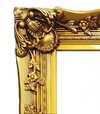
H24-GOLD €30
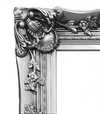
H24-SILVER €30
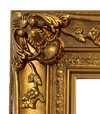
H36-GOLD €45

H36-SILVER €45
iii.
Mediumas
Canvas is printed with giclée inks and can be stretched or framed like a painting; paper comes flat, or framed behind glass.
Stiklo variantas prieinamas tik pasirinkus dydį iki 110 cm
iv.
Apdaila
Pavadinimo plokštelė, lakas ir pristatymas.
Pavadinimo lentelė
Išgraviruotos bronzinės plokštelės detalės
This elegant plaque features the artist's name and the title of the artwork, finely engraved for a timeless presentation.
It is made from bronze with a refined, elegant finish. The text is precisely laser-engraved for a sharp and permanent result. Measuring 9x2 cm, the plaque is compact yet easy to read. It's built to be durable and scratch-resistant, offering a professional, museum-quality look. Mounting is simple thanks to the included adhesive backing.
Skaidrios akrilo plokštelės informacija
The plaque includes essential engraved details such as the artist's name, the title of the artwork, the date it was created, the type of media used-like oil on canvas or watercolor-a brief description of the piece, and a QR code that links to the complete artwork information.
It is crafted from clear acrylic, offering a sleek, modern appearance. The text is UV-engraved in black to ensure strong visual contrast. With a size of 10x15 cm, it ensures optimal readability. It comes equipped with two metal hooks for secure wall mounting. The plaque is designed to be weather-resistant, making it suitable for various environments, and it includes interactive features that work seamlessly with smartphone scanning.
Juodos akrilo plokštelės informacija
This elegant plaque includes engraved information such as the artist's name, the title of the artwork, the date it was created, the type of media used (like oil on canvas or watercolor), a short description of the artwork, and a QR code for quick access to more information.
The plaque itself is made from refined black acrylic with a premium finish. The text is laser-engraved in white for high contrast and readability. Its size is 10x15 cm, designed to be easy to read. It comes with two metal hooks for professional mounting. The design is sleek and fits any interior style. It is also weather-resistant and durable, with built-in digital integration for mobile compatibility.
Apsauginis lakas
Skubi gamyba
Pristatymas visame pasaulyje () per 2 weeks, o ne įprastas 4/5 savaičių laikotarpis. (21 lapkritis)
- Nemokamas greitasis pristatymas visame pasaulyje
- Aukštos kokybės lininis drobė
- Pilnas siuntimo draudimas
- Muitinės mokesčių grąžinimo garantija
- Tikro spalvų atitikimo garantija
- 100 dienų grąžinimo politika (tik esant įtaigoms)
- 100% pinigų grąžinimo garantija
- Nuolaida dideliems užsakymams


Svarbi informacija ir meno viktorina
panašūs kūriniai


