
 Peržiūrėti realaus dydžio版

 Pasidalinti
 Dalintis
 Išsamiau
 Vadovas


 Atsisiųsti
 Panašūs eksponatai
 Rentgeno spindulių nuotrauka
 Automatinė diorama
 问答
 Statistika
Leopard

- 130.0 x 201.0 cm


 Skaityti daugiau
Šiame puslapyje rodomas meno kūrinys yra saugomas autorių teisių įstatymais, todėl neturime teisės legaliai kurti ar parduoti jo identiškos reprodukcijos. Ši apsauga užtikrinama remiantis tokiais tarptautiniais susitarimais kaip Bernės konvencija ir pagal nacionalines įstatymų nuostatas, įskaitant tas, kurias nurodo JAV autoriškos teisės įstatymas – 17-asis skyrius.
Šis metodas visiškai atitinka autorių teises, nes jame nėra saugomo kūrinio kopijavimo ar dubliavimo. Tai yra kūrybinė reinterpretacija – naujas paveikslas, kurį įkvėpė originalas, tačiau kuris nėra jo identiškas.
Giclée / Meno spausdinimas
Muziejų lygio „giclée“ arba drobos spausdinimas: greita gamyba ir lankstios apdailos parinktys. ( Pirkti rankų darbo tapybą Perejti prie skaitmeninių vaizdų)




P118B €10

P118H €10

P118W €10

P438Z €10

P508JH €12

P508YH €12

P805H €10

P805Z €10

P919BZ €10

P919G €10

P919XJ €10

P959ZH €10

P968JZ €12

W106C €8

W218G €10

W218JH €8

W218Y €10

W307PJ €10

W316G €10

W316PJ €8

W316Y €10

W398PJ €8

W4111J €10

W500HY €15

W500JH €15

W692G €12

W849H €8

W940BG €15

W953PJ €8
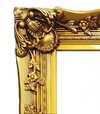
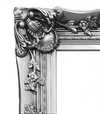
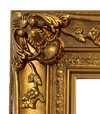

Pasirinkite iš mūsų nustatytų dydžių, atitinkančių originalaus meno kūrinio proporcijas.

Įveskite jums reikiamą plotį ir aukštį, kad atvaizdas derėtų prie jūsų rėmo ar sienos. Spausdiną galima tik sumažinti, bet nepadidinti virš originalaus paveikslėlio dydžio, todėl keičiant proporcijas, dalis vaizdo prarandama. Prieš spausdinimą atsiųsime jums skaitmeninį maketą patvirtinimui. Šioje puslapio nuotraukoje matomas pjūvis nėra tikslus – jį rodo tik maketas.
Pristatymas visame pasaulyje () per 2 weeks, o ne įprastas 4/5 savaičių laikotarpis. (20 lapkritis)

Nemokamas greitasis pristatymas visame pasaulyje

Aukštos kokybės lininis drobė

Pilnas siuntimo draudimas

Muitinės mokesčių grąžinimo garantija

Tikro spalvų atitikimo garantija

100 dienų grąžinimo politika (tik esant įtaigoms)

100% pinigų grąžinimo garantija

Nuolaida dideliems užsakymams
 Stiklo variantas prieinamas tik pasirinkus dydį iki 110 cm

Leopard
Giclée / Meno spausdinimas
Reprodukcijos matmenys
-


Bendroji kaina
€ 55
Identification of the Artwork and Artist
The painting Leopard emerges from the brush of Antonio Laccabue, an artist who navigated a life of profound struggle and transformation. Born in Zurich, Switzerland, in 1899, he would eventually become widely recognized by the name Antonio Ligabue. His existence was marked by a series of intense personal upheavals, including the tragic loss of his mother and brothers, and a period of institutionalization that shaped his unique perspective on the natural world. He lived until 1965, leaving behind a body of work that captures the raw, unyielding essence of survival.
In this work, the artist's hand translates a primal energy onto the surface. The subject, a leopard, occupies the space with a heavy, physical presence. Laccabue’s vision often focuses on the fierce, unscripted moments of the wild, where animals exist in a state of constant, pulsing motion or sudden, heavy stillness. This specific piece, created around 1957, reflects the artist's deep connection to the animal kingdom and his ability to portray the tension inherent in the struggle for life.
His artistic identity is deeply tied to his experiences as an outsider, a man who found his voice through the vivid depiction of creatures and their environments. The following works represent other facets of his creative output:
- Lion, 1935
- Black Widow, 1955
Composition and Visual Elements
A leopard leaps forward, occupying the space of the table obliquely, yet the momentum of the strike has passed. The predator lies on its side, appearing dead or dying against the ground. In the darkness of the bush at the bottom right, a still life emerges from the shadows. A large black widow, a scorpion, and various other insects gather near bird feathers and a human skull, which once belonged to the predator itself. This grim collection rests in the gloom, watching the stillness of the scene.
Life and death occupy different corners of this landscape. Several birds are scattered throughout the composition, some perched and others in flight. Near the left edge of the image, a deer stands watching, its presence adding a quiet tension to the periphery. The arrangement of these creatures creates a sense of a world caught in the immediate aftermath of a struggle for survival.
Technique and Physical Dimensions
The medium breathes through layers of oil, applied with a raw intensity that captures the wildness of the subject. This work is executed in oil on faesite, a choice that lends a specific texture to the predator's form and the surrounding shadows. Every stroke carries the weight of the struggle depicted, as the pigment clings to the surface to define the sharp lines of the leopard and the dark, intricate details of the insects and bones tucked into the brushwork.
The physical presence of the piece varies depending on the record, suggesting a scale that commands attention. It is documented at a large size of 130 x 201 cm, yet other measurements place it at 55 x 54 cm or 48.9 x 68.6 cm. This discrepancy leaves one wondering about the true magnitude of the scene as it occupies the space, whether it is a sprawling window into the bush or a more intimate, concentrated study of life and death.
Related Works by the Artist
The animalistic energy found in this piece echoes through much of the artist's output, where the primal struggle of nature takes center stage. In works like Eagles with fox (1944), the tension between predator and prey pulses with a raw, unrefined intensity. This same spirit lives within The roar, a piece that captures the very essence of a creature's spirit in a single, powerful moment of existence. The wildness of the natural world is never far from his brush, often manifesting in the fierce, unyielding gaze of the creatures he observes.
Beyond the wild landscapes, the artist explores the intersection of the human and the animal through personal reflection. In Self-portrait with dog (1957), he experiments with his own image, blending his identity with the presence of a companion. This curiosity extends to the smaller, more intricate details of life, such as the dark, creeping movements found in Black Widow (1955). Whether focusing on the grand scale of a predator or the minute details of an insect, the focus remains on the visceral reality of survival.
- Lion, about 1935
- Black Widow, 1955
- Eagles with fox, 1944
- The roar
- Self-portrait with dog, 1957
Klausimai ir atsakymai
Ar „Leopard“ – Antonio Laccabue yra portretinė, peisžinio tipo ar kvadratinė kompozicija?
„Leopard“ – Antonio Laccabue yra Panoramic kompozicija. Prieš renkantis spausdinimo dydį, verta patikrinti proporcijas.
Kada buvo sukurta „Leopard“ ir prie kokio meno stiliaus ji priskiriama?
„Leopard“ sukurta 1957 metais, priklausant į Naïve Art kryptį. Data ir stilius įtvirtina šį kūrinį laiko eje.
Kokia yra originalaus „Leopard“ – Antonio Laccabue technika ir dydis?
„Leopard“ sukurta naudojant Oil, o jos originalus matmuvas yra 130 x 201 cm.
panašūs kūriniai


Autoriaus biografija
ankstyvasis gyvenimas ir sunkumai
antonio laccabue, žinomas도 kaip antonio ligabue, buvo itališkas tapysbos, skulptūros ir graviravimo meistras, gimęs 1899 m. Zūre, Šveicarijoje. Jo ankstyvasis gyvenimas buvo pilnas dramatos ir neglaudžių: 1913 m. dėl maisto atsotrumo mirė jo motina ir trys broliai. Ši trapi tragedija suvedė jį į asmeninę krizę, sukėlusi išbraukimą iš Šveicarijos, o vėliau jis buvo priimtas psichiatrinėje klinikoje.meninė kelionė
ligabue tapinėjimo surengimą pradėjo 1920 m., o jo talentas nebuvo pastebėtas niekam: jo kūrybinės galimybės buvo įvertintos renato marino mazzacurati, kuris išmokė jį naudoti alyvų dažus. Jo kūryba pasižymi ryškiomis ir spalvingomis gyvūnų bei kraštžemio vaizdais, dėl ko jis užsitikrino vieno svarbiausių XX amžiaus naiviojo realizmo menininkų reputaciją.stiprūs kūriniai ir muziejai
ligabue drobes, kurios paliko neištrinamas pėdsaką, apima tokius darbus kaip:- eagles with fox (1944), demonstruojantis unikalų realizmo ir naivumo derinį.
- the roar, galingas pavyzdys jo gebėjimui įamžinti gyvūnų esmę.
- self-portrait with dog (1957), pabrėžiantis jo eksperimentus su savitraukiniu portretu.
palikimas ir įtaka
nepaisant savo turbulentinio gyvenimo, ligabue paliko neiškastytą žymą menų pasaulyje. Jo naivumas ir spalvų vartojimas paveikė daugybę menininkų, užtvirtindami jo vietą meno istorijos metuose.atraskite daugiau WikiOO
norėdami gilesnės pažintis su ligabue kūryba bei kitais iškilę menininkais, apsilankykite [https://AllPaintingsšaltiniai
- [https://www.wikiart.org/en/antonio-ligabue](https://www.wikiart.org/en/antonio-ligabue)
- [https://WikiOO.org/@/antonio-laccabue](https://WikiOO.org/@/antonio-laccabue)

Antonio Laccabue
1899 - 1965 , Šveicarija
Trumpa informacija
- Gimimo Data: Zurich, Switzerland (1899)
- Gimimo Vieta: Switzerland
- Meninginiai Paveiksliai, Kurie Paveikė Šį Artistą: ['Renato Marino Mazzacurati']
- Meninio Kryptis Arba Stilius: Naiviojo realizmo
- Mirties Data: 1965
- Tautybė: Šveicarijos
- Vardas, Pavardė: Antonio Laccabue
- Šį Šį Artistą Įkvėlusios Meninio Kryptys Ar Menininkai: ['Ekspresionizmas']
- Žinomos Kūriniai:
- Eagles with Fox
- The Roar
- Self-portrait with Dog
Susiję straipsniai

Serene Visions: Exploring Tranquility in Art History & Contemporary Practice
Explore the history of serene landscape art & discover artists who evoke tranquility. Find the perfect calming artwork for your home with expert guidance from WikiOO.

Beyond the Void: Powerful Artworks That Capture the Raw Emotion of Grief
Explore the profound power of art in capturing grief. From Expressionist masterpieces to custom hand-painted memorials, discover how iconic works and bespoke oil reproductions transform raw emotion into timeless, soulful collections for the discerning collector.

Jacques-Laurent Agasse: Pioneering Animalier Painting & Romantic Naturalism
Explore the captivating animal paintings of Jacques-Laurent Agasse (1767-1849). Discover his pioneering realism, Romantic influences & legacy in 19th-century art. Learn about this Swiss master's techniques and impact on wildlife art.

25 Iconic Masterpieces by Henri de Toulouse-Lautrec: The Spirit of Montmartre
Step into the vibrant nightlife of Montmartre with our curated guide to the top 25 Henri de Toulouse-Lautrec masterpieces. Explore Post-Impressionist legends and find museum-quality art reproductions for your decor. Discover all masterpieces on WikiOO.org.

The Presence of Shadow: Chiaroscuro and the Authority of Dark Pigments in Classical Painting
Master the power of chiaroscuro and tenebrism through expert analysis of classical shadows. Explore the depth of the Old Masters today.